

Choosing the right material is one of the most important decisions when building a durable shed. A shed has to cope with rain, wind, frost, summer heat, damp ground and regular use. It may be used for garden tools, bikes, timber, machinery, paint, furniture cushions or even as a small workshop. The material you choose will affect how long the shed lasts, how much maintenance it needs, how secure it is and how well it fits into the garden.
There is no single best shed material for every garden. A small storage shed tucked beside fence panels may only need a simple timber structure. A workshop used all year round may need better insulation, stronger framing and a more robust roof. A shed in an exposed garden will need to deal with wind and driving rain, while a shed under trees may need extra protection from damp, leaf fall and shade.
This guide explains the main materials used for durable sheds, including wood, metal, plastic, concrete and composite. It also covers roofing, bases, framing, fixings, ventilation, weather protection and how to choose the best option for your own garden.
What makes a shed durable?
A durable shed is not just about the wall material. The whole structure matters. A good shed needs a solid base, strong framing, weather-resistant cladding, a reliable roof, suitable fixings, good ventilation and proper protection from ground moisture.
Many shed problems start at the bottom. If the shed sits directly on wet soil or an uneven base, the floor can rot, the frame can twist and the doors may stop closing properly. Even the best timber will struggle if it is left in constant contact with damp ground.
The roof is just as important. A leaking roof can damage tools, furniture, timber and electrical equipment. It can also cause the shed structure to deteriorate from the inside. Good roof covering, proper overhangs and sensible water run-off all help extend the life of a shed.
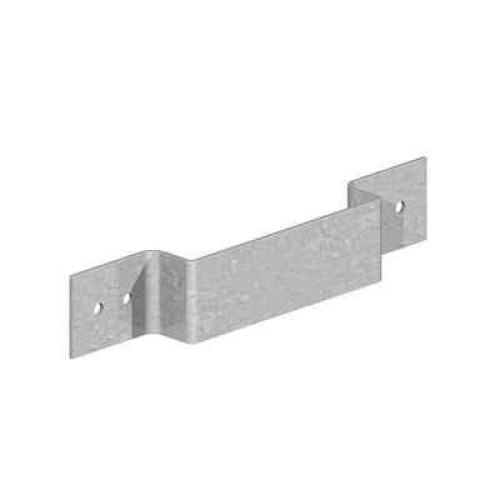
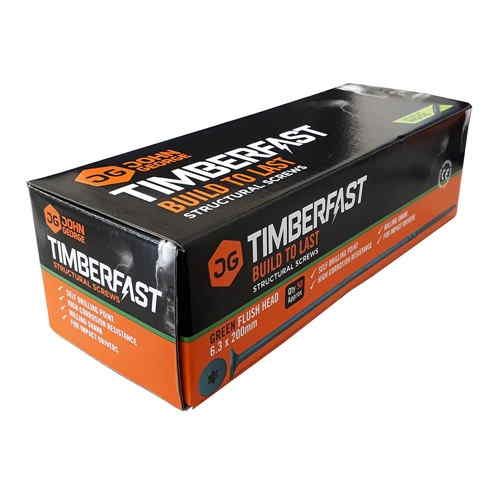
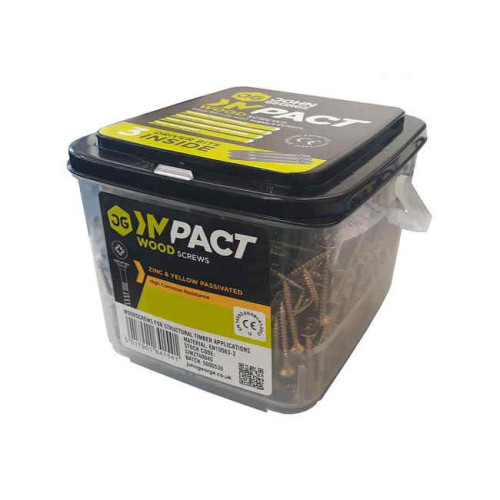
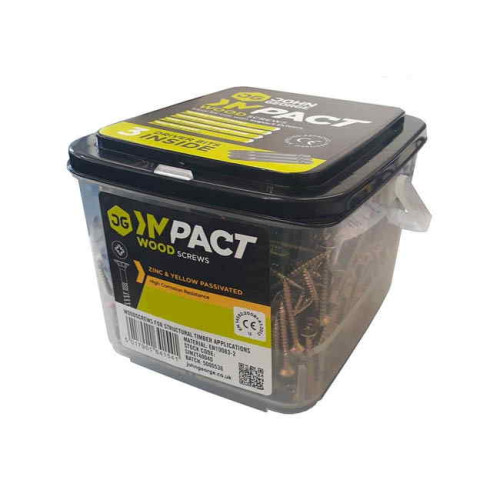
Fixings matter too. Screws, hinges, bolts and other ironmongery should be suitable for outdoor use. Poor-quality fixings can rust, weaken or stain the timber. A shed can only stay strong if the parts holding it together are up to the job.
Wooden sheds
Wood is the traditional choice for garden sheds, and it remains one of the most popular materials in the UK. A well-built wooden shed can look natural, blend into the garden and be adapted more easily than many other shed types.
Wooden sheds can be used for simple storage, potting sheds, workshops, hobby rooms and garden buildings. They are available in many sizes and styles, from small overlap storage sheds to heavier tongue and groove buildings with strong frames.
Benefits of wooden sheds
The main advantage of wood is appearance. Timber suits most gardens and works well alongside fence panels, trellis panels, raised beds, railway sleepers and garden gates. It has a warmer and more natural look than metal or plastic.
Wood is also easy to customise. You can add shelves, hooks, benches, tool racks, insulation, extra windows or a different door arrangement. If you are building a shed from scratch, treated timber gives a lot of flexibility over size, layout and finish.
Wood also offers better natural insulation than metal or thin plastic. A timber shed will still get cold in winter and warm in summer, but it tends to feel less harsh than a metal shed. For workshops or hobby use, this can make a noticeable difference.
Another benefit is repairability. If a timber board, door brace or roof batten becomes damaged, it can usually be replaced. This makes wooden sheds easier to maintain over the long term, provided the structure is built sensibly.
Drawbacks of wooden sheds
The main drawback is maintenance. Timber needs protection from moisture, rot, insects and weathering. Many timber sheds are supplied pressure treated or dip treated, but they may still need periodic treatment depending on the product and exposure.
Wood can move slightly as it absorbs and loses moisture. Doors may swell, boards may shrink and small gaps can appear over time. Good-quality construction and proper treatment reduce these issues, but timber is a natural material and should be expected to change slightly with the seasons.
Cheap wooden sheds can also be weaker than they look. Thin cladding, light framing and poor fixings can lead to movement, leaks and short service life. If durability matters, look beyond the lowest price and check the frame size, cladding type, roof structure and treatment.
Best uses for wooden sheds
Wooden sheds are a good choice for homeowners who want a natural appearance, practical storage and the option to customise. They are especially suitable for gardens where the shed will be visible and needs to sit comfortably alongside timber fencing and landscaping.
They are also a strong option for workshops, potting sheds and general garden storage. If the shed will hold valuable items, pay attention to door strength, locks, hinges and the quality of the frame.
Pressure treated timber
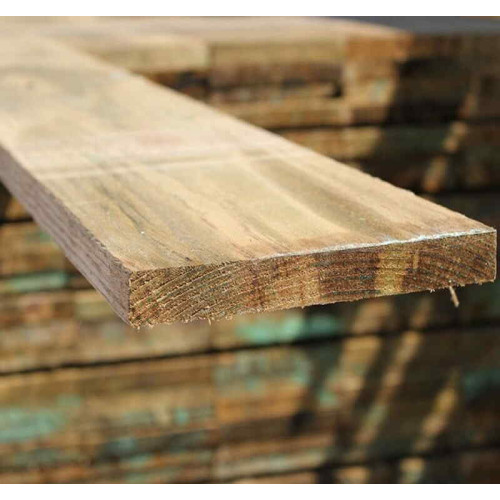
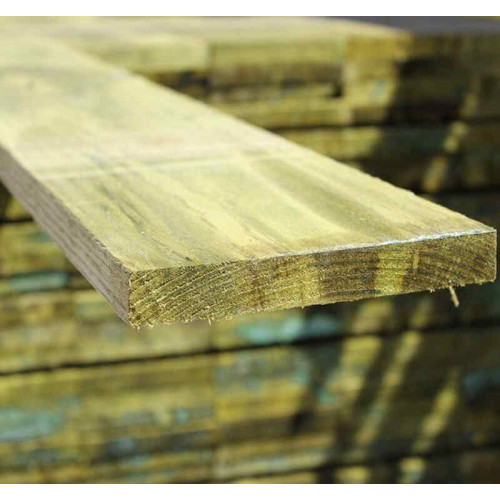
If you are building a timber shed, pressure treated timber is usually worth considering. Pressure treatment helps protect wood against rot and fungal decay by forcing preservative into the timber under pressure.
This does not make timber maintenance-free, but it improves durability compared with untreated wood. It is especially useful for framing, bearers, cladding and other parts of the shed exposed to damp conditions.
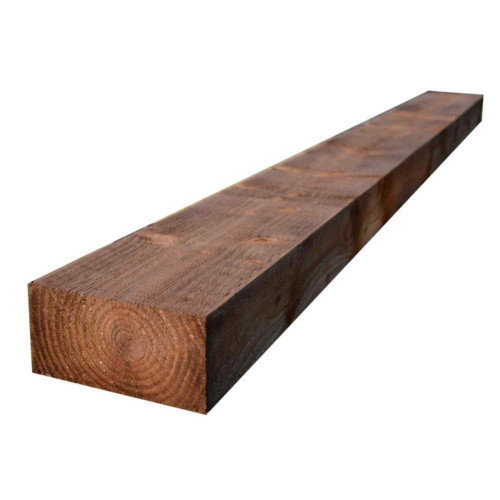
Pressure treated timber is often used across garden construction, including fence posts, gravel boards, timber battens and landscaping timber. For sheds, it can be a practical choice where the building needs to last and remain structurally sound.
Even with pressure treated timber, good design still matters. Keep timber off direct ground contact where possible, allow airflow around the shed, and treat cut ends with a suitable end-grain preservative where required.
Overlap, shiplap and tongue and groove cladding
When comparing wooden sheds, the cladding style makes a big difference. The three common options are overlap, shiplap and tongue and groove.
Overlap cladding
Overlap cladding uses timber boards laid over each other horizontally. It is often found on lower-cost sheds. It can be perfectly adequate for simple garden storage, but it is usually not the strongest or most weather-resistant option.
Overlap sheds are often lighter and more affordable. They are suitable where budget is the main priority and the shed will be used for basic storage. However, the boards can move more easily and may leave small gaps as the timber dries and weathers.
Shiplap cladding
Shiplap cladding is shaped so the boards overlap in a more controlled way, helping water run off the surface. It tends to look neater than basic overlap cladding and usually offers better weather resistance.
A shiplap shed is a good middle ground for many gardens. It gives a smarter appearance and better protection while still being widely available.
Tongue and groove cladding
Tongue and groove cladding uses interlocking boards. This usually creates a stronger and more rigid wall. It is often used on higher-quality sheds, workshops and garden buildings.
For a durable shed, tongue and groove is often the better timber option. It can cope well with regular use and gives a more solid feel. It usually costs more than overlap, but the extra strength can be worthwhile if the shed will be used often or for valuable storage.
Metal sheds
Metal sheds are popular where security, low maintenance and resistance to rot are priorities. They are usually made from galvanised steel or another coated metal designed for outdoor use.
A metal shed can be a practical choice for storing tools, bikes, garden machinery and equipment. It will not rot like timber, and it is not affected by insects. Many metal sheds are also difficult to cut or break into compared with lightweight timber or plastic buildings.
Benefits of metal sheds
Metal sheds are low maintenance. They do not need staining or painting in the same way as wooden sheds. They are also resistant to rot, which makes them useful in damp gardens where timber may need more care.
Security can be another advantage. A well-made metal shed with a strong door and proper lock can be harder to force open than a basic wooden shed. This makes metal a sensible choice for storing bikes, power tools and other higher-value items.
Metal sheds are also fire-resistant compared with timber or plastic. This may be useful in certain settings, although placement, contents and local conditions still need to be considered carefully.
Drawbacks of metal sheds
The main drawback of metal is condensation. Metal sheds can suffer from moisture forming on the inside, especially when warm moist air meets cold metal surfaces. Poor ventilation makes this worse. Condensation can drip onto stored items and may cause tools or machinery to rust.
Temperature is another issue. Metal sheds can become very hot in summer and very cold in winter. They are not usually comfortable as workshops unless they are insulated and ventilated properly.
Metal sheds can also be noisy in heavy rain and may dent if knocked. Some lower-cost models can feel flimsy if the panels are thin or the frame is light. As with wooden sheds, quality varies.
Best uses for metal sheds
Metal sheds are best for practical storage where low maintenance and security matter more than appearance. They can work well for tools, bikes, garden machinery and general equipment.
They are less suitable if you want a warm, comfortable workspace or a natural garden appearance. If the shed will be placed in a visible part of the garden, think carefully about how it will look beside fence panels, planting and other timber features.
Plastic and resin sheds
Plastic and resin sheds are designed to be lightweight, weather-resistant and low maintenance. They are often supplied as interlocking panels and are popular with homeowners who want easy assembly and minimal upkeep.
They are usually made from moulded plastic, resin or similar materials. Some are reinforced with metal framing for extra strength.
Benefits of plastic sheds
The main advantage is low maintenance. Plastic sheds do not rot, rust or need regular staining. They can usually be cleaned with water and mild detergent.
They are also resistant to many weather-related problems. Rain will not cause rot, and the panels are not attractive to insects. For homeowners who want straightforward storage without regular timber care, this can be appealing.
Plastic sheds are often easier to assemble than timber or metal sheds. Many are designed for DIY installation using supplied panels and fixings. They are also lighter to handle, although larger models may still need two people.
Drawbacks of plastic sheds
Plastic sheds can lack the strength and rigidity of good timber or metal sheds. This depends on the quality of the product and the support frame. Lower-cost plastic sheds may flex, fade or feel less secure.
They can also look less natural in the garden. Some designs imitate timber, but they do not always have the same appearance as real wood. In a garden with timber fence panels, railway sleepers and natural planting, a plastic shed may stand out more.
Another issue is anchoring. Lightweight sheds need to be fixed securely to a suitable base. In exposed gardens, an unanchored plastic shed can move or become damaged in strong winds.
Best uses for plastic sheds
Plastic and resin sheds are best for general garden storage where low maintenance is the main priority. They work well for cushions, children’s garden toys, small tools, pots and light equipment.
They may not be the best choice for heavy-duty workshops, high-security storage or very exposed sites unless the shed is designed and anchored properly.
Concrete sheds
Concrete sheds are far more permanent than most timber, metal or plastic options. They are usually built from concrete panels, blocks or other masonry materials. This makes them strong, long-lasting and secure, but also more expensive and complex to install.
A concrete shed is closer to a small outbuilding than a simple garden storage shed. It may be suitable for workshops, high-security storage or situations where a long-term structure is needed.
Benefits of concrete sheds
Concrete is durable, strong and resistant to rot, pests and fire. It can last for many years with relatively little structural maintenance when built correctly.
Security is a major advantage. Concrete walls are much harder to break through than basic timber, plastic or thin metal. This makes concrete suitable for valuable tools, machinery or equipment, provided the door, roof and locks are also secure.
Concrete also feels solid. It is less likely to move, rattle or flex in bad weather. For exposed sites, this can be useful.
Drawbacks of concrete sheds
The main drawbacks are cost, complexity and permanence. A concrete shed needs proper foundations and careful construction. It is not usually a simple weekend DIY project.
Concrete also lacks the natural warmth of timber. Without insulation and ventilation, it may feel cold and damp. The roof and floor details need to be designed properly to prevent moisture problems.
Because a concrete shed is permanent, its position must be chosen carefully. Moving it later is not straightforward. You should also consider planning rules, drainage, access and how it affects the wider garden layout.
Best uses for concrete sheds
Concrete sheds are best for permanent storage, workshops or high-security structures where long-term durability is more important than easy installation. They are suitable for homeowners who want a robust outbuilding and are prepared for the extra cost and work involved.
Composite sheds
Composite sheds are designed to combine some of the advantages of timber and plastic. They may use wood-plastic composite boards, resin-based materials or other mixed materials that aim to offer strength, weather resistance and a timber-like appearance.
Benefits of composite sheds
Composite materials are often more resistant to rot than timber and may require less maintenance. They can offer a more natural appearance than plain plastic while avoiding some of the regular treatment needs of wood.
They can also be stable and weather-resistant, depending on the product. For homeowners who want a smart appearance without regular painting or staining, composite can be appealing.
Drawbacks of composite sheds
Composite sheds can be more expensive than basic timber, metal or plastic sheds. There may also be fewer size and style options available.
Not all composite materials perform the same way, so it is important to check the product specification. Some may still fade, expand, contract or require occasional care. Repairs may also be less straightforward than with timber, where individual boards can often be replaced more easily.
Best uses for composite sheds
Composite sheds are best for homeowners who want a balance of appearance and low maintenance. They can suit gardens where a plastic shed would look too artificial, but where regular timber treatment is not wanted.
Choosing the right shed base
The base is one of the most important parts of a durable shed. A poor base can ruin a good shed. The base should be level, firm and able to support the shed evenly.
Common shed base options include concrete slabs, a poured concrete base, timber bearers, paving slabs, plastic grid systems and compacted hardcore with suitable support. The right base depends on the shed size, weight and intended use.
A concrete base is strong and long-lasting, especially for larger sheds and workshops. Paving slabs can work for smaller sheds if laid properly on a firm foundation. Timber bearers can help lift a wooden shed off the ground, improving airflow and reducing damp risk.
Whatever base is used, it should allow water to drain away. A shed base that traps water under the floor will shorten the life of the structure.
Timber framing for sheds
If you are building a shed from scratch, the frame is just as important as the cladding. The frame carries the structure and gives the walls strength. Thin or poorly spaced framing can make a shed feel flimsy, even if the cladding looks acceptable.
Treated timber is commonly used for shed framing. It should be straight, suitable for outdoor construction and strong enough for the size of the building. Larger sheds, workshops and buildings with heavy roofs need stronger framing than small storage sheds.
Good framing also makes it easier to add shelves, tool racks and internal lining. If you plan to use the shed as a workshop, think about internal fixing points before building.
Roof materials for a durable shed
The roof takes the worst of the weather. A durable shed needs a reliable roof covering and enough slope for water to run off properly.
Roof felt
Roof felt is common on timber sheds. It is affordable and widely used, but quality varies. Cheaper felt may split or lift sooner, especially in exposed positions. Heavier-duty felt usually lasts longer.
EPDM rubber roofing
EPDM rubber is a strong option for flat or low-slope shed roofs. It can be long-lasting when fitted correctly and is often used where a more durable roof covering is wanted.
Metal roofing sheets
Metal sheets can be strong and durable, especially on larger sheds or workshops. They need proper fixing and may require insulation or anti-condensation measures depending on the building use.
Corrugated bitumen sheets
Corrugated bitumen sheets are lightweight and can work well on some garden buildings. They need enough roof pitch and proper support underneath.
Whichever roof material is chosen, make sure the edges are detailed properly. Overhangs, fascias and water run-off all help protect the walls below.
Floor materials for a shed
The shed floor must be strong enough for what you plan to store. A few garden hand tools need less support than machinery, bikes, bags of compost or heavy timber.
Timber shed floors are common, but the quality depends on board thickness, joist spacing and base support. A weak floor can sag or feel springy. Moisture protection is also important, as floors are vulnerable to damp from below.
For heavier use, a concrete floor or heavily supported timber floor may be better. Workshops may need a strong, level floor that can handle benches, tools and repeated foot traffic.
Doors, locks and security
A shed is only as secure as its weakest point. Strong walls are useful, but if the door, hinges or lock are poor, the shed remains vulnerable.
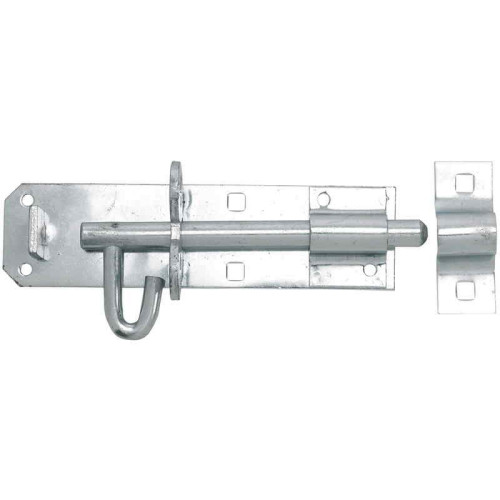
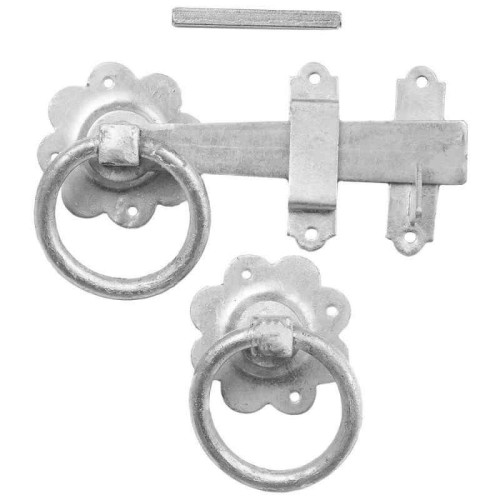
For better security, choose a shed with a solid door, strong frame and good-quality ironmongery. Hinges should be robust and fitted with suitable screws or bolts. A proper hasp and staple, padlock or locking system is important if valuable items are stored inside.
For timber sheds, door braces help prevent sagging. For metal sheds, check the quality of the sliding or hinged door system. For plastic sheds, check that the locking points are strong enough and not just light moulded plastic.
Ventilation and condensation
Ventilation is often overlooked, but it matters in all sheds. Without airflow, moisture can build up inside. This can damage tools, timber, cardboard boxes and stored garden equipment.
Metal sheds are especially prone to condensation, but timber and plastic sheds can also suffer if they are poorly ventilated. Vents, small opening windows or gaps designed for airflow can help reduce moisture build-up.
Do not block vents with stored items. If you store wet tools, lawnmowers or garden furniture, allow them to dry where possible before shutting them away.
Weather protection and maintenance
Every shed material needs some level of care. Even low-maintenance sheds benefit from periodic checks.
For wooden sheds, check the treatment schedule and recoat when needed. Pay attention to exposed sides, cut ends, doors, window frames and areas close to the ground. Keep plants trimmed back so air can circulate around the walls.
For metal sheds, check for scratches, rust spots and loose fixings. Treat any damaged coating early to prevent corrosion spreading.
For plastic and resin sheds, clean the panels occasionally and check that the base fixings remain secure. Look for cracks, movement or UV damage over time.
For concrete sheds, check the roof, door, ventilation and any joints. Even if the walls are strong, water can still enter through weak roof details or poorly sealed openings.
How the shed fits into the garden
A shed should be practical, but it should also sit sensibly within the garden. Think about access, appearance, privacy and maintenance space around the building.
If the shed is close to a boundary, leave enough room for airflow and future maintenance. Placing a shed too tightly against fence panels can make it hard to treat the fence, clear leaves or inspect for damp.
Consider the view from the house and patio. A timber shed may blend well with wooden fence panels, trellis panels and planting. A metal or plastic shed may be better placed where it is less visually dominant, unless the design suits the garden.
If the shed is near a garden gate, make sure there is enough clearance to move tools, bikes or machinery in and out. A narrow route can make everyday use frustrating.
Best shed material for storage
For general garden storage, timber, metal and plastic can all work. The best option depends on what is being stored.
For basic items such as pots, hand tools and garden toys, a plastic shed can be practical and low maintenance. For bikes, mowers and power tools, a stronger timber or metal shed may offer better security. For valuable tools or heavy machinery, a robust timber workshop, metal shed or concrete structure may be more suitable.
Think about shelving and internal fixing points. Timber sheds are usually easiest for adding shelves, hooks and racks. Metal and plastic sheds may need specific fixing systems or freestanding storage units.
Best shed material for a workshop
For a workshop, timber is often the most practical choice. It is easier to insulate, line internally, fit benches to and adapt over time. A well-built timber shed with strong framing can make a useful workspace for DIY, gardening, repairs and hobbies.
Metal sheds are less comfortable unless insulated and ventilated properly. Plastic sheds are usually better for storage than workshop use. Concrete buildings can make excellent workshops, but they need more planning, cost and construction work.
If you plan to use power tools, think about lighting, electrical safety, ventilation and security. Electrical work should be carried out safely and in line with the relevant regulations.
Best shed material for exposed gardens
Exposed gardens need stronger sheds. Wind can damage lightweight panels, lift roofs and put pressure on doors. A shed in an exposed position should be securely anchored to its base and built from materials suitable for the conditions.
Heavy timber sheds, metal sheds with strong frames and concrete structures can all work, provided they are installed properly. Lightweight plastic sheds may struggle unless designed for exposure and anchored securely.
Roof fixings are especially important in windy areas. Door catches, hinges and locks should also be strong enough to stop doors blowing open.
Best shed material for low maintenance
If low maintenance is your main priority, plastic, resin, metal and composite sheds are worth considering. They do not need regular timber treatment and are resistant to rot.
However, low maintenance does not mean no maintenance. Metal sheds still need checks for rust and condensation. Plastic sheds need cleaning and secure anchoring. Composite sheds may still need occasional care depending on the material.
Timber needs more maintenance, but many homeowners prefer its appearance and repairability. A pressure treated timber shed built on a good base can still be a long-lasting option.
Common shed building mistakes
Many shed problems come from poor planning rather than the material itself. A good material can fail if the shed is badly built or installed on the wrong base.
Common mistakes include:
- Building on an uneven or weak base
- Allowing timber to sit directly on wet ground
- Choosing cladding that is too thin for the use
- Ignoring ventilation and condensation
- Using poor-quality outdoor fixings
- Not anchoring lightweight sheds properly
- Choosing a shed that is too small
- Forgetting space for door opening and access
- Placing the shed too close to fence panels or planting
- Using a weak roof covering in an exposed area
- Failing to treat cut timber ends
- Not considering security before storing valuable items
A shed should be planned as a complete structure. Walls, roof, floor, base, fixings and position all work together.
Questions to ask before choosing shed materials
Before deciding what to build or buy, ask a few practical questions. These will help narrow down the best material for your garden.
- What will the shed be used for?
- Will it store valuable tools or machinery?
- Does it need to work as a workshop?
- How exposed is the garden to wind and rain?
- Is the ground level and well drained?
- How much maintenance are you willing to do?
- Does the shed need to match timber fencing or other garden features?
- Will you need shelves, hooks or internal storage?
- How long do you want the shed to last?
- Can the materials be carried easily into the garden?
- Is there enough access through the garden gate?
- Will planning rules or building regulations need checking?
Answering these questions before buying can prevent expensive mistakes.
Do sheds need planning permission?
Many domestic sheds in the UK can be built under permitted development, but there are limits and conditions. Size, height, position, use and property type can all matter. Different rules may apply to listed buildings, conservation areas and properties with planning restrictions.
If the shed is large, close to a boundary, unusually tall or intended for use beyond ordinary garden storage, it is sensible to check with the local planning authority before building.
Building regulations may also apply in some situations, especially for larger structures or buildings close to boundaries. If in doubt, check before starting work.
Which shed material lasts the longest?
Concrete is usually the longest-lasting shed material when built correctly, but it is also the most permanent and expensive. A good-quality timber shed can last many years with proper treatment and maintenance. Metal sheds can last well if condensation and rust are controlled. Plastic and resin sheds can be durable for general storage, but quality varies.
The longest-lasting option is not always the best option. A concrete shed may be unnecessary for simple garden storage. A timber shed may be better for a workshop. A plastic shed may be enough for light tools and cushions. The best choice is the material that suits the use, site and maintenance level.
Frequently asked questions
What is the best material for a garden shed?
The best material depends on the use. Timber is a strong all-round choice for appearance, customisation and repairability. Metal is good for security and low maintenance. Plastic is useful for simple storage. Concrete is best for permanent, heavy-duty structures. Composite can offer a balance between appearance and lower maintenance.
Are wooden sheds durable?
Yes, wooden sheds can be very durable if they are made from good-quality timber, placed on a proper base and maintained correctly. Pressure treated timber, good airflow and regular treatment all help extend the life of a timber shed.
Do metal sheds suffer from condensation?
Metal sheds can suffer from condensation, especially in cold or damp weather. Good ventilation, a suitable base and anti-condensation measures can help reduce the problem.
Are plastic sheds better than wooden sheds?
Plastic sheds are lower maintenance, but they are not always better. Wooden sheds usually look more natural, are easier to customise and can be stronger when well built. Plastic sheds are useful for light storage where easy care is the main priority.
What is the best base for a shed?
A level, firm and well-drained base is essential. Concrete bases, paving slabs and properly supported timber bases can all work, depending on the shed size and weight. The base should support the shed evenly and keep it away from standing water.
Should a shed be raised off the ground?
Timber sheds usually benefit from being raised slightly off the ground on suitable bearers or a proper base. This helps airflow and reduces the risk of damp affecting the floor and lower frame.
Is pressure treated timber good for sheds?
Yes, pressure treated timber is a good choice for many shed parts because it has added protection against rot and decay. It is still important to install it properly and treat cut ends where required.
Can I build a shed next to a fence?
You can place a shed near a fence, but leave enough space for maintenance, airflow and access. Placing a shed too close to fence panels can trap moisture and make repairs difficult.
What roof is best for a shed?
The best roof depends on the shed size and use. Good-quality felt, EPDM rubber, metal sheets and corrugated bitumen can all work when fitted correctly. The roof needs enough slope, proper fixing and reliable water run-off.
What shed material needs the least maintenance?
Plastic, resin, metal and composite sheds usually need less maintenance than timber. However, they still need occasional checks, cleaning and secure fixing. Timber needs more care, but it offers a natural look and can be repaired more easily.
Final thoughts
The best material for a durable shed depends on what you need the shed to do. Timber is attractive, flexible and easy to customise. Metal is strong, secure and resistant to rot. Plastic and resin sheds are light and low maintenance. Concrete offers long-term strength and security. Composite materials can provide a useful balance between appearance and weather resistance.
For many UK gardens, a well-built timber shed remains one of the most practical choices, especially when made from treated timber and installed on a proper base. It works naturally alongside fence panels, trellis panels, garden gates, gravel boards, railway sleepers and other timber landscaping features.
Whatever material you choose, do not focus on the walls alone. A durable shed needs a sound base, strong frame, reliable roof, good fixings, proper ventilation and sensible maintenance. Get those details right, and your shed will be far better placed to provide secure, practical garden storage for years to come.