Choosing The Right Picket Fence Panels
Picket fence panels create lower, open boundaries around front gardens, paths, driveways, planted areas and divisions within the garden.
The spaced vertical pales define the boundary without blocking light or views, making picket fencing a practical alternative to solid panels where full privacy is not required.
East Coast Fencing manufactures picket fence panels in-house. The panels are pressure treated for outdoor use and available in popular sizes and treatment finishes.
Picket panels form part of our wider fence panels range. The right design will depend on the required height, pale-top profile, treatment colour and whether the fencing will be used around the property boundary or within the garden.
Picket Panels For Open Garden Boundaries
Picket fencing creates a visible boundary while maintaining an open and welcoming appearance.
The gaps between the pales allow sunlight, air and views through the fence. This can help front gardens and smaller outdoor spaces feel less enclosed.
Picket panels are particularly suitable where the aim is to mark the edge of the property rather than create a solid privacy screen.
They also provide an attractive backdrop for low planting, lawns and traditional garden layouts.
How Picket Fence Panels Are Constructed
Picket panels are built using evenly spaced vertical timber pales fixed to horizontal supporting rails.
The pales create the distinctive open appearance associated with picket fencing, while the rails keep the panel aligned and provide fixing points for installation.
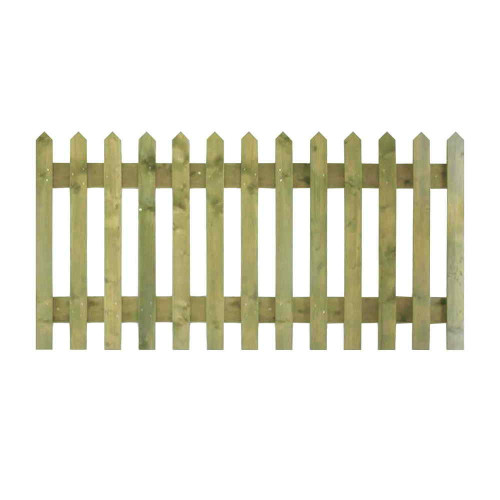
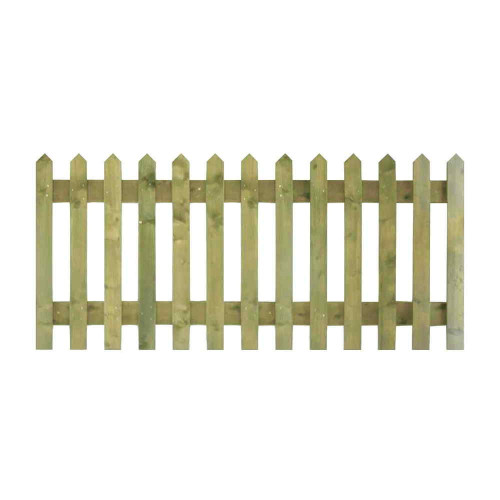
Different pale-top profiles can change the character of the finished boundary. Rounded tops create a softer appearance, while pointed or shaped profiles can provide a stronger traditional detail.
The spacing between pales allows light and airflow through, although the exact dimensions and appearance vary between products.
Round-Top Picket Fence Panels
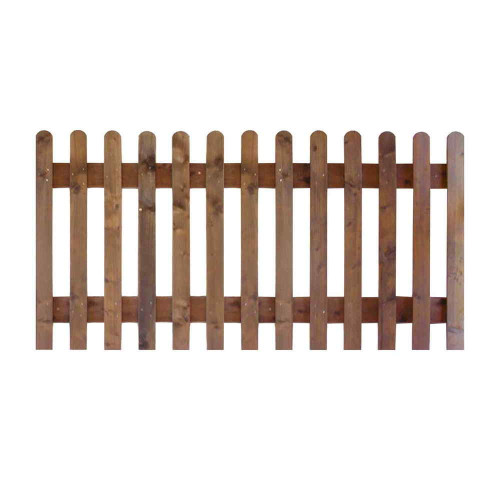
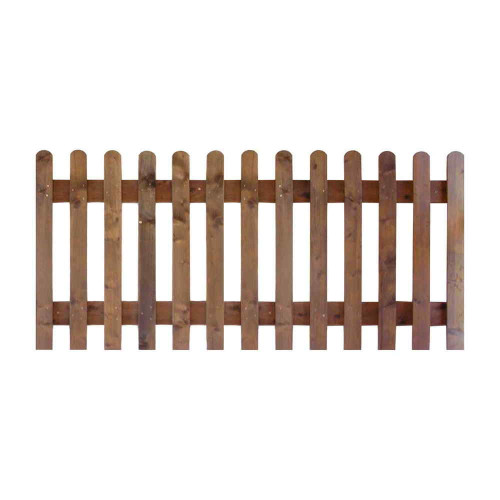
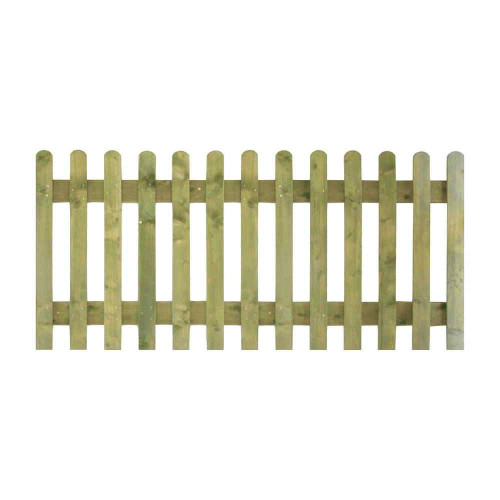
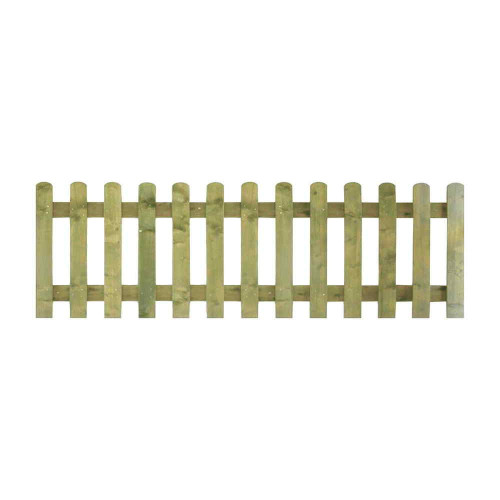
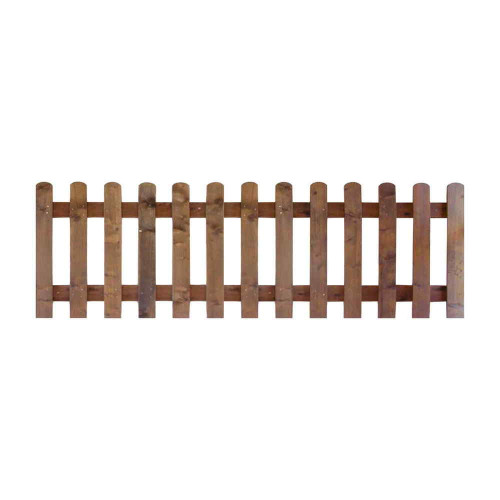
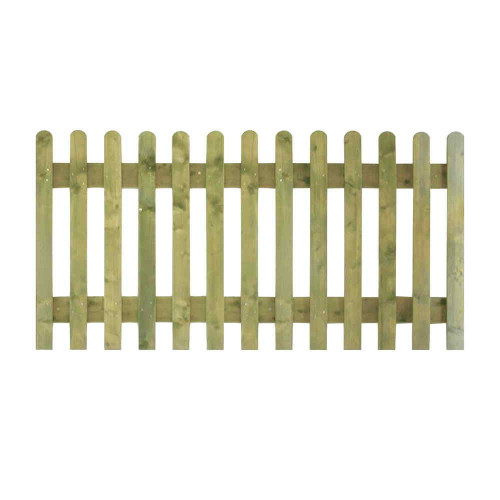
Round-top picket fence panels have smooth curved tops on each vertical pale.
This gives the boundary a softer and more decorative appearance that works well in front gardens, cottage-style landscapes and family outdoor spaces.
The rounded profile can feel less formal than pointed picket fencing and complements lawns, planted borders and garden paths.
Choose a panel height that defines the area without overwhelming the surrounding space.
Picket Fence Panels For Front Gardens
Front gardens often need a clear boundary while remaining visible and welcoming from the road.
Picket fencing is well suited to this requirement because it separates the property without creating a solid visual barrier.
The open construction can help preserve natural light around front windows, paths and planted borders.
Lower picket panels also work well beside driveways and entrances where visibility may be important.
The panel style and treatment colour should complement the house, gate and surrounding landscaping.
Picket Fence Panels For Paths And Driveways
Picket panels can define paths and driveways without making access areas feel narrow or enclosed.
They create a clear edge between lawns, planting and hard landscaping while keeping the wider garden visible.
Where the fence meets a driveway entrance, allow enough space for vehicles, pedestrians and any gate movement.
The posts should be positioned where they will not obstruct access or create awkward narrow points.
Picket Fence Panels For Garden Divisions
Picket fencing is also useful within the garden. It can divide lawns from vegetable plots, separate play areas or create a low boundary around planted sections.
Because the panels remain open, the divided areas still feel connected to the wider garden.
This can be particularly helpful in smaller spaces where a solid panel would make individual zones feel restricted.
Picket panels can also guide movement through the garden by defining paths and entrances.
Picket Fence Panels For Vegetable Gardens
A low picket boundary can define a vegetable patch or growing area without blocking sunlight from reaching the plants.
The open fence separates the cultivated space from lawns, paths and general garden activity.
It can also provide a decorative structure around raised beds and planting rows.
The fence should not be treated as a guaranteed barrier against every animal, as the pale spacing and panel height may still allow access.
Picket Fence Panels For Play Areas
Picket panels can create a visible division around a play area while allowing adults to see through the boundary.
The open design avoids the enclosed appearance of a solid fence and helps the play space remain part of the wider garden.
Panel height, pale spacing, gate fittings and installation should all be considered carefully where young children are present.
Domestic garden fencing should not be treated as a substitute for appropriate supervision or specialist safety barriers.
Picket Fence Panel Heights
Picket fencing is normally installed at lower heights than privacy panels, although different sizes are available for varying levels of boundary definition.
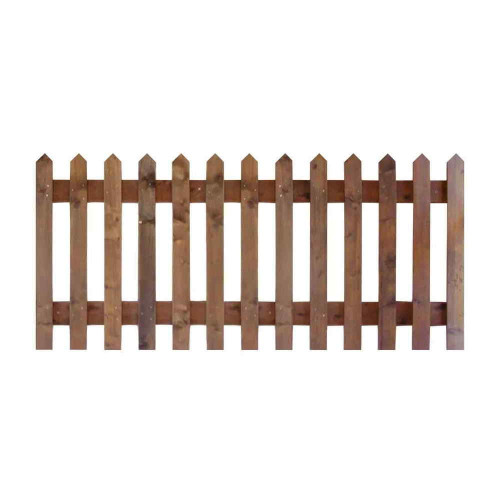
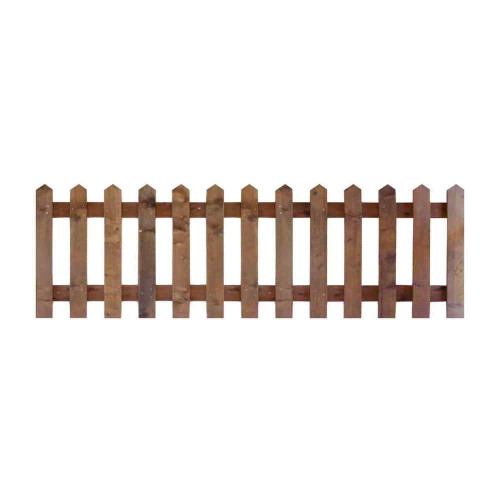
3ft Picket Fence Panels
3ft picket fence panels are a popular option for front gardens, lawns, paths and low internal boundaries.
They clearly mark the space while keeping views open across the garden.
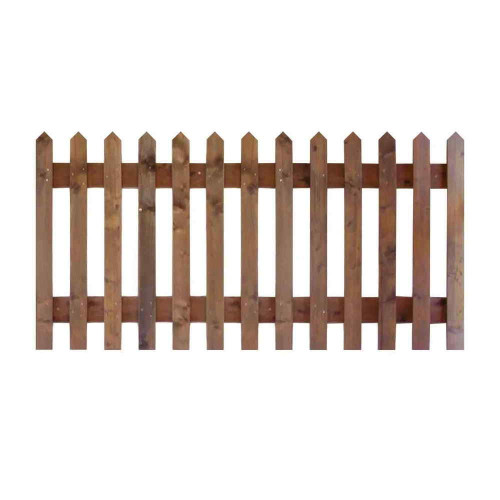
4ft Picket Fence Panels
4ft picket fence panels create a more noticeable boundary while retaining the light and open appearance of spaced pales.
They can be useful where greater separation is required around a path, garden division or property edge.
Standard Picket Fence Panel Widths
Most picket panels are approximately 6ft wide, which is around 1.83m.
This allows them to fit common UK fence bays between suitable timber posts.
Before replacing an existing panel, measure the actual opening rather than assuming the bay is still exactly 6ft wide.
Check the width at both the top and bottom because older posts may have moved or twisted.
Brown Picket Fence Panels
Brown pressure treated picket panels provide a warm timber appearance suited to traditional front gardens and existing brown-treated fencing.
The colour works well with matching wooden posts, gates, sheds and other garden features.
Brown-treated timber will fade and weather naturally after installation.
Variation between individual boards and panels is normal because timber is a natural material.
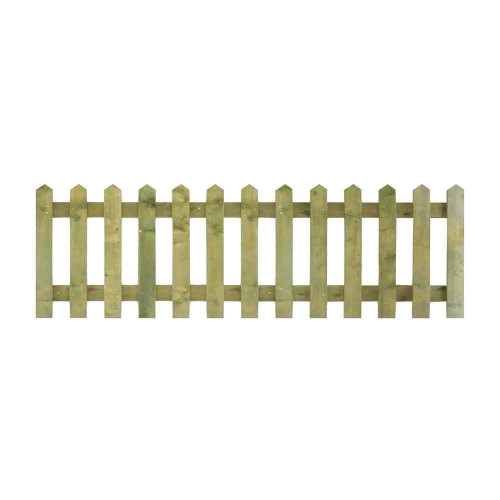
Green And Natural Picket Fence Panels
Green or natural pressure treated picket panels blend easily with lawns, hedges and planted areas.
The fresh treatment colour will soften over time as the timber is exposed to sunlight and rain.
This finish suits new garden boundaries and landscaping projects where a lighter, natural appearance is preferred.
Pressure Treated Picket Fence Panels
Our picket fence panels are pressure treated for outdoor use. The treatment helps protect the timber against rot and fungal decay.
Preservative is forced into the wood during treatment, providing deeper protection than a basic surface coating.
Pressure treatment improves durability but does not remove the need for sound installation.
The panel base should be kept clear of prolonged contact with damp soil and trapped vegetation where possible.
Picket Fence Panels And Matching Gates
A matching picket gate can create practical access while maintaining a consistent appearance across the boundary.
The gate height, pale style and treatment colour should complement the surrounding panels.
Measure the gate opening separately and allow clearance for hinges, the latch and normal movement.
Gate posts may need a larger section or stronger installation than the intermediate posts supporting the panels.
Picket Fence Panels And Wooden Posts
Picket panels are most commonly paired with wooden fence posts.
The all-timber construction creates a consistent natural appearance and provides straightforward fixing points for exterior screws and brackets.
Post size should suit the panel height and site conditions. Lower picket fencing may not require the same post section as full-height privacy panels.
Posts still need to be set securely and aligned carefully to maintain an even top line.
Picket Fence Panels On Sloping Ground
On sloping ground, picket panels may need to be stepped from one bay to the next.
This creates a series of level panel sections following the overall change in ground height.
The open construction can make uneven top lines more noticeable, so post positions and panel levels should be planned before installation begins.
For significant slopes, individual picket pales and rails may provide greater flexibility than complete panels.
Replacing Picket Fence Panels
Individual damaged picket panels can often be replaced if the existing posts remain secure.
Measure the panel width, height and pale-top profile before ordering.
Check the treatment colour and rail positions, particularly where the replacement must align with existing panels.
A new panel may initially look brighter than older weathered timber.
If the posts move or show decay at ground level, they should be repaired or replaced before the new panel is fitted.
Measuring For Picket Fence Panels
Measure the clear distance between the posts and the required panel height.
Check whether the panel will sit between the posts or be fixed across their faces.
Measure every bay in an existing fence run because spacing may vary.
If a gate is included, calculate its opening and clearances separately.
Check exact product dimensions before ordering where the available fitting space is limited.
Installing Picket Fence Panels
Picket panels should be installed level and fixed securely to suitable posts.
Exterior brackets, clips or screws should be compatible with pressure treated timber and the intended load.
Keep the panel raised slightly away from wet ground where possible.
Use a consistent height and spacing throughout the run to create a neat appearance.
Check that the pale tops follow an even line before tightening all fixings.
Caring For Picket Fence Panels
Pressure treated picket panels require limited routine maintenance.
Keep grass, soil and dense planting away from the lower rails and pale ends where possible.
Check posts and fixings after strong winds or accidental impacts.
Cut back climbing or spreading plants if they place excessive weight on the fence.
A compatible exterior timber coating can be applied if you want to refresh or change the colour.
Buy Picket Fence Panels From East Coast Fencing
East Coast Fencing manufactures pressure treated picket fence panels for front gardens, paths, driveways and internal garden boundaries.
The range includes popular panel heights and treatment colours, with matching picket gates available for coordinated entrances.
Whether you are replacing one panel or creating a complete low boundary, compare the available sizes, finishes and top styles above.
East Coast Fencing is backed by more than 20,000 customer reviews across Trustpilot and Google.