Choosing The Right Omega Lattice Fence Panels
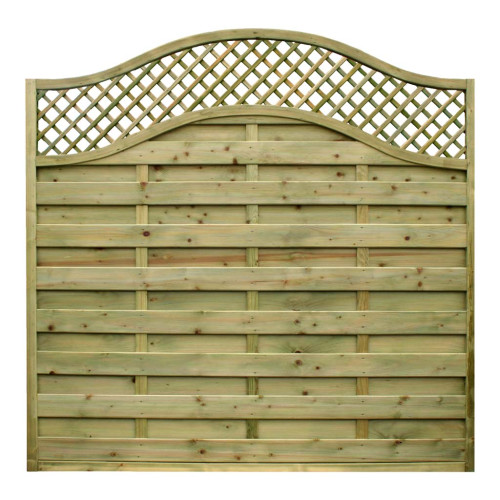
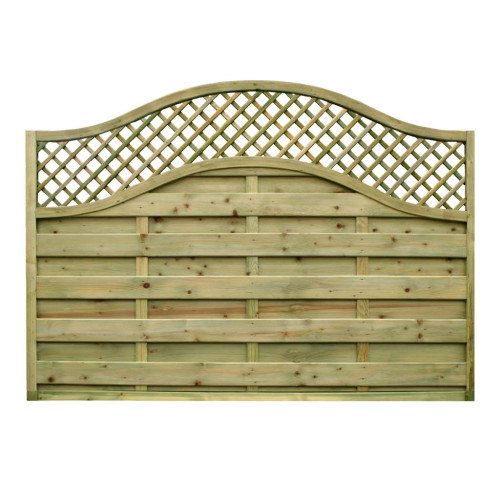
Omega lattice fence panels combine solid garden screening with a decorative curved trellis top. The main body of the panel provides privacy at garden level, while the open lattice section allows more daylight and airflow through the upper part of the boundary.
These panels are well suited to patios, seating areas, planted borders and prominent garden boundaries where appearance matters alongside privacy. The curved upper profile creates a softer finish than a standard rectangular panel and can help a tall fence feel less visually heavy.
East Coast Fencing supplies pressure treated Omega lattice panels in a standard width of approximately 6ft, with 3ft, 4ft, 5ft and 6ft height options available across the range.
Omega lattice designs form part of our wider fence panels collection. The correct height will depend on the required level of privacy, the total finished boundary height and whether the panel will be installed above a gravel board.
Decorative Fence Panels With A Curved Lattice Top
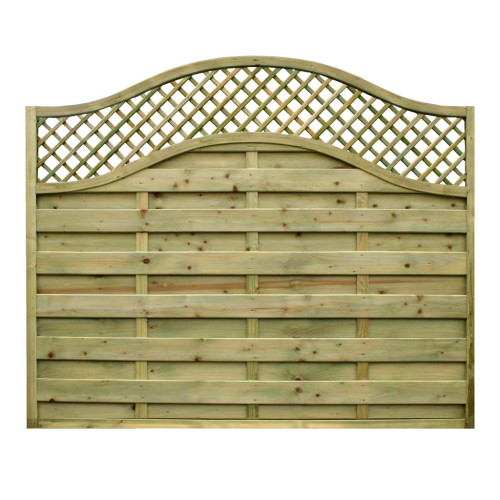
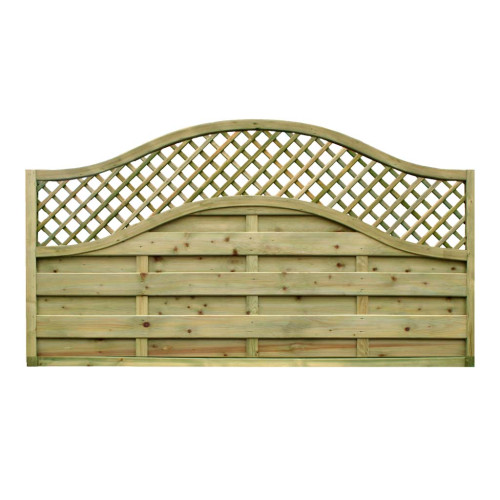
The defining feature of an Omega lattice panel is its curved decorative top. Rather than finishing with a straight horizontal frame, the upper edge rises gently towards the centre of the panel.
This curved profile gives the boundary a more ornamental appearance and can soften the straight lines created by posts, gravel boards and neighbouring panels.
The lattice section introduces further visual detail while keeping the top of the boundary lighter and more open. This makes Omega panels a strong option where a fully solid fence would provide privacy but feel too enclosed.
The curved pattern should be considered across the complete run. Correctly aligned panels create a consistent sequence of raised profiles, while uneven posts or incorrectly seated panels can make the pattern appear irregular.
Omega Lattice Panels For Privacy
Omega lattice fence panels provide useful privacy through the main solid section of the panel. This helps screen patios, seating areas and garden boundaries from neighbouring properties or nearby paths.
The open upper lattice allows some visibility and daylight through the top of the fence. This creates a balance between screening and openness rather than forming a completely solid wall of timber.
Taller Omega panels provide the greatest overall privacy because the solid section extends further up the boundary. Lower panels are more suitable where decorative separation is required without full screening.
Before selecting a height, consider the viewing angle as well as the panel measurement. Privacy while sitting on a patio may require a different height from privacy while standing or looking from an upper window.
Omega Lattice Panels For Patios
Omega lattice panels work particularly well around patios because they provide screening while contributing to the appearance of the seating area.
The solid lower section can help reduce direct views into the space, while the curved lattice prevents the upper boundary from feeling excessively heavy.
The decorative top also provides a suitable backdrop for containers, established planting and outdoor furniture.
Where the patio sits above or below the surrounding ground level, measure privacy from the finished patio surface rather than from the soil beside the fence.
A gravel board may also increase the total visible height, which should be included when planning the final boundary.
Omega Lattice Panels For Seating Areas
Garden seating areas often benefit from a clear sense of separation from neighbouring properties and more open parts of the garden.
Omega lattice fencing can create this separation without making the area feel completely enclosed. The solid body provides screening, while the open top maintains some connection with the wider garden.
The curved panel shape can also make the fence feel more decorative when viewed from a bench, dining set or outdoor sofa.
When positioning furniture near the boundary, leave enough space to inspect the panel, manage planting and carry out future maintenance.
Omega Lattice Panels For Planted Gardens
The curved lattice section works naturally with established planting and softer garden layouts.
The open pattern can help the upper part of the fence blend with shrubs, climbing plants and trees rather than creating a completely solid background.
Plants may be trained through or against the lattice where the panel and supporting structure are suitable. The eventual weight and spread of the mature plant should be considered before planting.
Regular pruning helps prevent stems and foliage from placing excessive strain on the lattice or blocking inspection of the fence.
Using Omega Lattice Panels With Climbing Plants
The lattice top can provide a framework for lighter climbing plants and trailing growth.
Climbers can soften the boundary, introduce colour and increase natural screening as they become established.
Plants should be selected according to the position, available sunlight and strength of the supporting fence. Vigorous or woody climbers can become heavy, particularly after rain or during periods of strong growth.
The panel should not be expected to support unlimited plant weight. Regular training and pruning are important for keeping growth controlled.
Allowing some clearance around the timber can also improve airflow and make it easier for the panel to dry after wet weather.
Omega Lattice Fence Panel Heights
Omega lattice panels are available in several popular heights for low decorative boundaries, moderate screening and full-height garden privacy.
6ft Omega Lattice Fence Panels
6ft Omega lattice fence panels provide the greatest level of screening within the range.
They are suitable for rear gardens, patios and side boundaries where privacy is important but a decorative top is preferred to a completely solid panel.
A 6ft panel installed above a gravel board will create a total boundary taller than 6ft, so the complete system height should be calculated before installation.
5ft Omega Lattice Fence Panels
5ft Omega lattice fence panels provide useful privacy with a slightly lower and lighter finished fence line.
This height can work well around smaller gardens, seating areas and locations where a full 6ft panel would appear too dominant.
4ft Omega Lattice Fence Panels
4ft Omega lattice fence panels create a mid-height decorative boundary.
They provide clearer separation than a low garden fence while retaining more openness than full-height screening.
3ft Omega Lattice Fence Panels
3ft Omega lattice fence panels are suited to low decorative boundaries, paths, patios and internal garden divisions.
They introduce the curved lattice design without significantly restricting views across the garden.
Standard Omega Lattice Panel Widths
Omega lattice fence panels are supplied in a standard width of approximately 6ft, or around 1.83m.
This allows them to fit common UK fence bays using suitable timber or slotted concrete posts.
When replacing an existing panel, measure the actual clear opening between the posts at both the top and bottom.
Posts can lean or move over time, resulting in a bay that no longer matches the original nominal width.
The curved top does not change the panel width, but it does mean that the height varies across the upper edge. Check the individual product dimensions to understand how the stated height has been measured.
Pressure Treated Omega Lattice Panels
Omega lattice fence panels are pressure treated for outdoor use, helping protect the timber against rot and fungal decay.
During pressure treatment, preservative is forced into the timber rather than being applied only to the visible surface.
This makes the panel more suitable for typical UK garden conditions and means it does not require immediate preservative treatment before installation.
Pressure treatment does not eliminate the need for correct fitting and sensible care. The panel should be supported securely and kept away from prolonged contact with wet soil where possible.
Green And Natural Omega Lattice Panels
Omega lattice panels are supplied in a green or natural pressure treated finish.
The treatment initially gives the timber a fresh green tint that blends naturally with lawns, hedges and planted borders.
This colour will gradually soften and weather as the panel is exposed to sunlight and rain.
Variations in grain, knots and shade are expected because timber is a natural material. Panels from separate treatment batches may also show minor colour differences when first installed.
A compatible exterior timber coating may be applied later if you want to refresh or change the appearance.
Omega Lattice Or Double Slatted Fence Panels
Omega lattice and double slatted fence panels both provide decorative alternatives to traditional solid fencing, but their appearance and screening differ.
Omega lattice panels have a solid lower section and a curved open top. They create a softer, more traditional decorative finish and work particularly well with planting.
Double slatted panels use straight horizontal lines across the entire panel and have a more contemporary appearance.
Double slatted fencing provides consistent screening throughout the panel, while Omega lattice allows more light and visibility through the upper section.
The right choice depends on whether you prefer a curved garden feature or a cleaner, more structured modern design.
Omega Lattice Or Hit And Miss Fence Panels
Hit and miss fence panels use alternating boards to provide partial screening and increased airflow.
Omega lattice panels have a more solid main body and therefore provide stronger screening at lower and middle viewing heights.
Hit and miss panels have a straight horizontal appearance and can suit modern or exposed gardens where airflow is particularly important.
Omega panels are generally chosen where decorative shape, privacy and planting compatibility are the main priorities.
Omega Lattice Or Traditional Fence Panels
Traditional closeboard and waney lap panels provide solid screening across their full height.
Closeboard fence panels offer a substantial vertical-board construction, while waney lap panels provide a more economical horizontal overlap design.
Omega lattice panels are more decorative and allow additional light through the top of the boundary.
Choose a traditional solid panel where maximum screening and a simpler appearance are the main requirements. Choose Omega lattice where the boundary is highly visible and decorative detail is more important.
Omega Lattice Panels In Smaller Gardens
A tall, completely solid fence can make a compact garden feel narrow or enclosed.
The open upper lattice of an Omega panel allows more daylight through and creates additional visual depth above the solid lower section.
The curved top can also reduce the appearance of a severe straight boundary line.
Panel height should still be chosen carefully. Installing the tallest available panel may provide privacy but could dominate a small patio or narrow garden.
A 4ft or 5ft panel may offer a better balance where complete full-height screening is not required.
Omega Lattice Panels In Exposed Gardens
The solid lower section of an Omega panel will still catch wind, although the open lattice top allows some air to pass through.
The panel should not be treated as a windproof solution. Tall panels and long runs still place substantial pressure on posts, foundations and fixings.
In exposed gardens, choose appropriate post sections and ensure the posts are installed to a suitable depth for the site conditions.
Concrete posts can provide a rigid support system, while substantial wooden posts maintain a more consistent timber appearance.
The weight of climbing plants should also be controlled because dense growth can reduce airflow through the lattice.
Using Omega Lattice Panels With Wooden Posts
Omega lattice panels can be fitted to wooden fence posts using suitable exterior brackets, clips or screws.
Wooden posts create a coordinated all-timber appearance that works well with the decorative character of the panels.
Post size should be selected according to the panel height, weight and level of exposure.
Careful post alignment is important because leaning or uneven posts can make the curved top pattern appear inconsistent across the fence run.
The panels should be supported from the main frame rather than from the decorative lattice section.
Using Omega Lattice Panels With Concrete Posts
Omega lattice panels may be used with compatible slotted concrete fence posts.
Concrete posts provide a durable framework and are resistant to ground-level decay.
Check the frame thickness and exact panel width against the post slots before ordering.
The panels should be lowered carefully into position without using the lattice top as a lifting point.
Because the top is curved, extra care should be taken when handling the panel around walls, branches and other obstructions.
Using Gravel Boards With Omega Lattice Panels
Gravel boards can be installed beneath Omega lattice panels to keep the timber away from damp soil, rain splash and garden debris.
Concrete gravel boards work with suitable slotted concrete posts, while wooden boards can create a consistent all-timber fence system.
The gravel board contributes to the total visible boundary height. A 6ft panel above a 6-inch or 12-inch board will produce a fence taller than the panel measurement alone.
Plan the post length, panel height and gravel board height as a complete system before ordering.
Replacing Omega Lattice Fence Panels
A damaged Omega lattice panel can often be replaced without renewing the complete fence, provided the posts remain secure and correctly spaced.
Measure the width, frame thickness and height of the existing panel. Check the curve and lattice pattern because decorative designs from different manufacturers may not align.
New pressure treated timber may initially appear brighter than the surrounding weathered fence.
If an exact matching panel is unavailable, replacing adjoining panels may create a more consistent decorative pattern.
Inspect the posts and gravel board before fitting the replacement. Movement in the supporting system may have contributed to the original damage.
Measuring For Omega Lattice Fence Panels
Measure the clear opening between the posts at the top and bottom of every bay.
Confirm the available height from the top of any gravel board to the required highest point of the boundary.
Because the panel has a curved top, check whether the published height refers to the highest central point or another part of the frame.
Measure nearby structures, branches and roof overhangs that could interfere with the raised centre of the panel.
Exact product dimensions should be checked before ordering, particularly when replacing panels in an existing fence system.
Installing Omega Lattice Fence Panels
Omega lattice panels should be installed level and supported evenly from the lower frame.
Do not lift or carry the panel using the curved lattice top, as this section is not intended to support the full panel weight.
When using timber posts, secure the frame with suitable exterior clips, brackets or screws.
When using slotted concrete posts, lower the panel carefully into the slots and check that it sits correctly above the gravel board.
Align adjoining curved tops before permanently fixing the panels. Small differences in post level can become particularly visible across decorative fencing.
Caring For Omega Lattice Fence Panels
Pressure treated Omega lattice panels require limited routine maintenance.
Keep soil, leaves and dense vegetation away from the lower frame where possible.
Inspect the lattice periodically for loose sections, particularly after strong winds or where climbing plants are attached.
Prune plants to prevent excessive weight from building up across the top of the panel.
Check posts, clips and brackets for movement and address loose fixings before they place additional strain on the frame.
A suitable exterior timber coating may be used to refresh the appearance after the timber has weathered.
Buy Omega Lattice Fence Panels From East Coast Fencing
East Coast Fencing supplies pressure treated Omega lattice fence panels for patios, planted gardens, seating areas and decorative boundaries.
The range includes standard 6ft-wide panels in 3ft, 4ft, 5ft and 6ft height options, all combining a solid screened section with a curved lattice top.
Whether you need one replacement panel or decorative fencing for a complete garden boundary, compare the available heights and product specifications above.
East Coast Fencing is backed by more than 20,000 customer reviews across Trustpilot and Google.