Choosing The Right Fence Panels
Fence panels provide privacy, define garden boundaries and create a finished division between different outdoor spaces. They can be used to replace a single damaged panel, renew an older fence run or build a complete new boundary around a garden, patio, path or landscaped area.
Choosing the right garden fence panels starts with deciding what the boundary needs to do. Tall solid panels are normally preferred where privacy and screening are important, while lower or more open designs suit front gardens, paths and areas where maintaining light and visibility matters.
Panel construction, height, pressure treatment finish and exposure to wind should all be considered before ordering. If the panels are being fitted into an existing fence, also check the spacing and condition of the posts, gravel boards and fixings.
The right panel should suit both the practical requirements of the boundary and the surrounding garden. Comparing privacy, height, construction and appearance first makes it easier to narrow the range to the most suitable options.
Types Of Fence Panels
Different fence panel designs provide different levels of privacy, airflow and visual openness. The most suitable construction depends on where the fence will be installed and what you need the finished boundary to achieve.
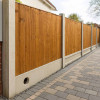
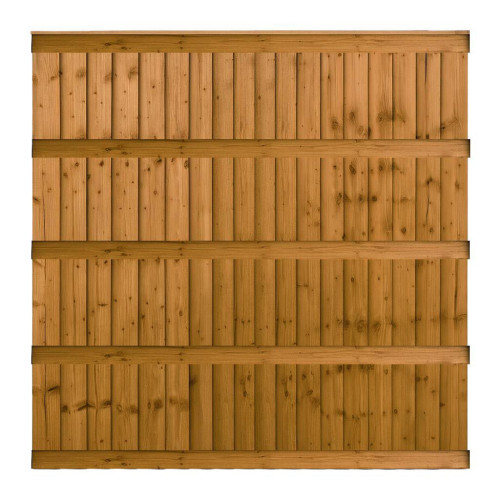
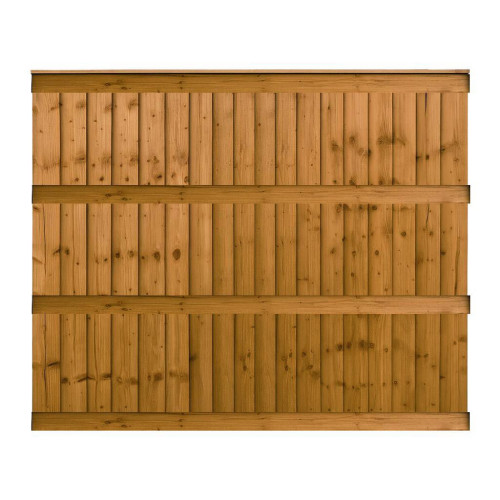
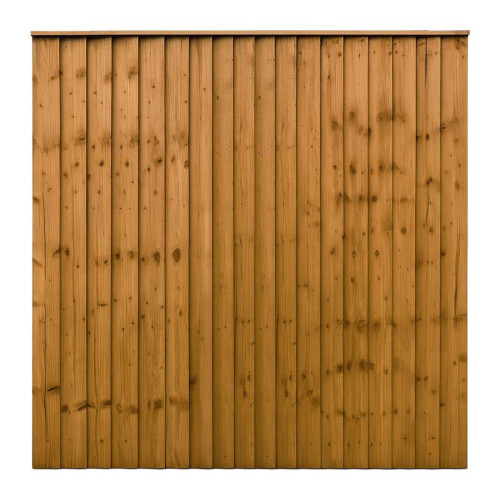
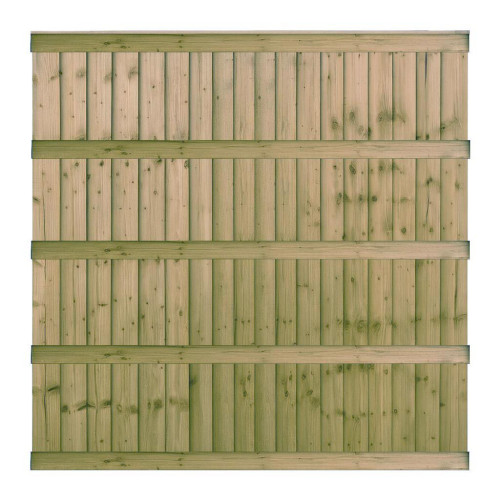
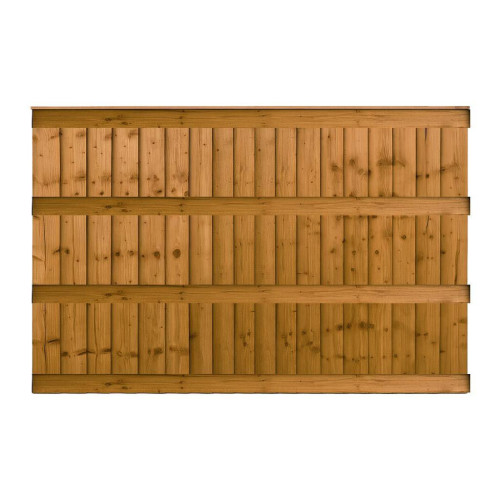
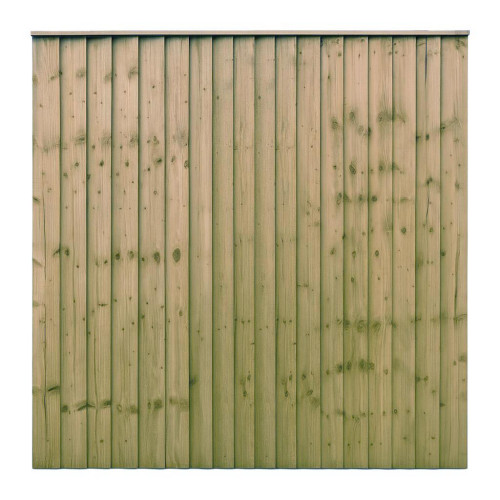
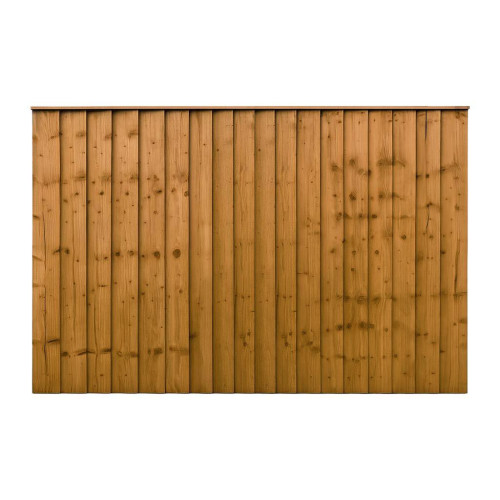
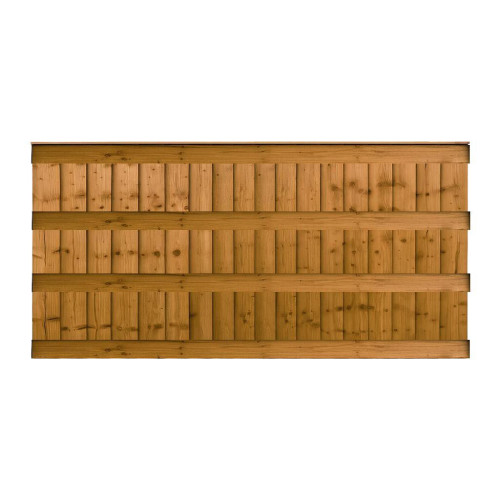
Closeboard fence panels use overlapping vertical boards to create a substantial solid boundary. They are particularly well suited to rear gardens, side boundaries and other areas where privacy is a priority.
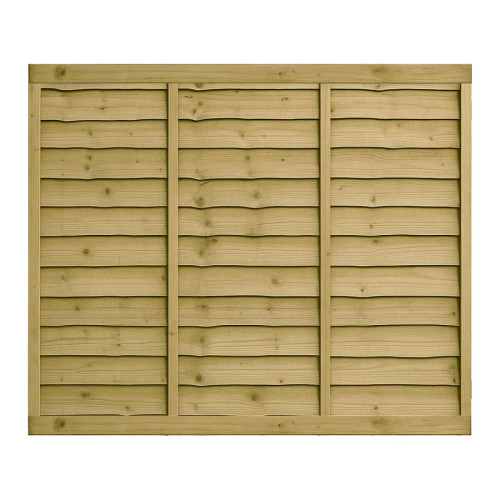
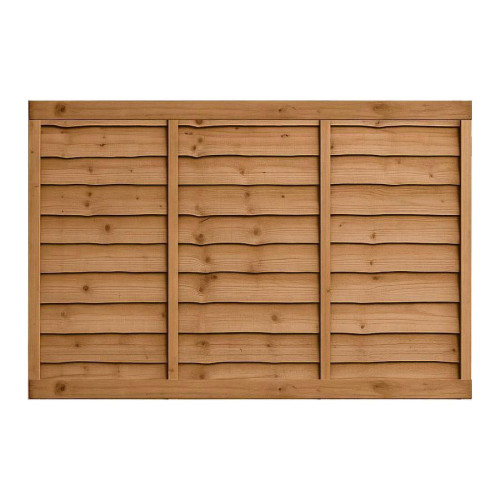
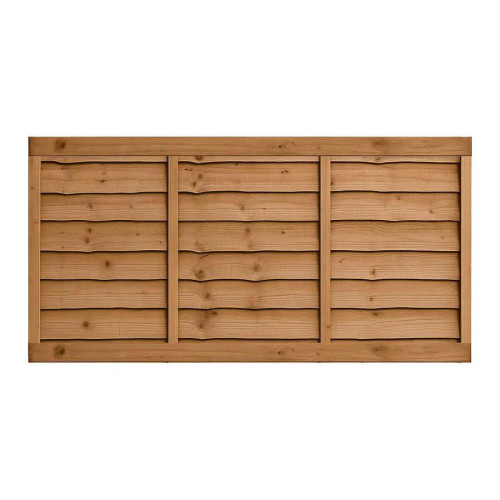
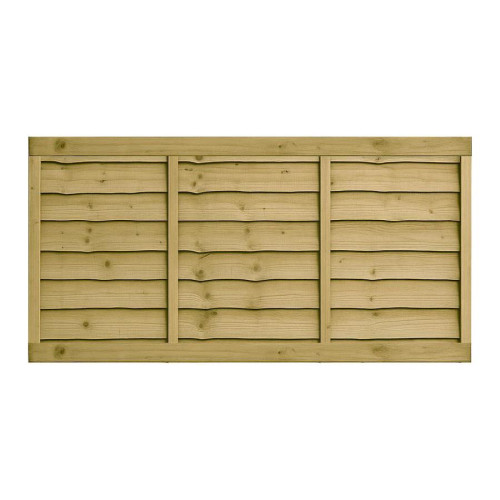
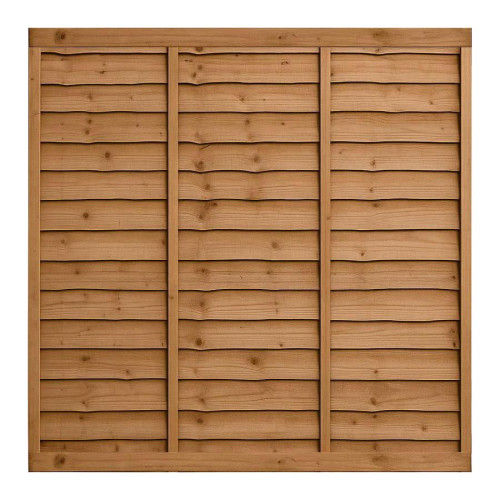
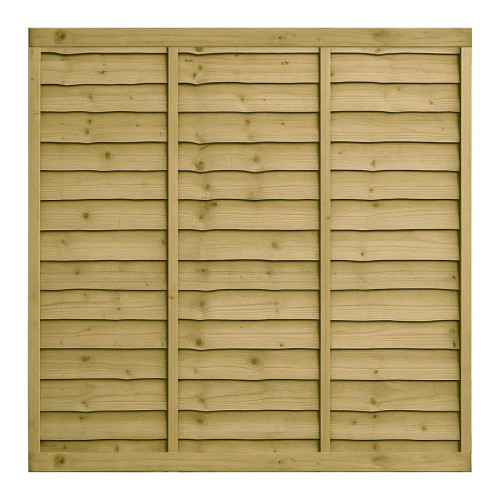
Waney lap fence panels use overlapping horizontal boards to provide traditional garden screening. They are a practical choice for everyday boundaries and straightforward replacement projects.
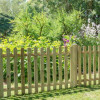
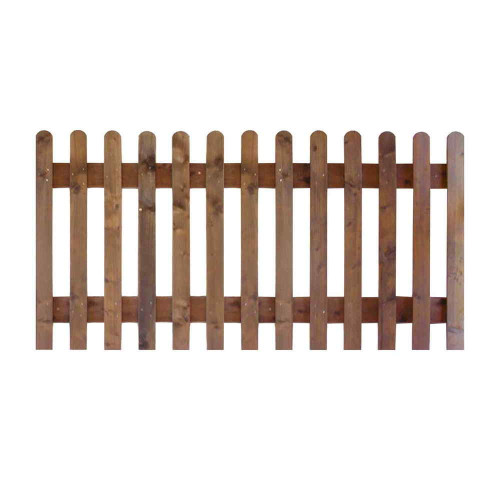
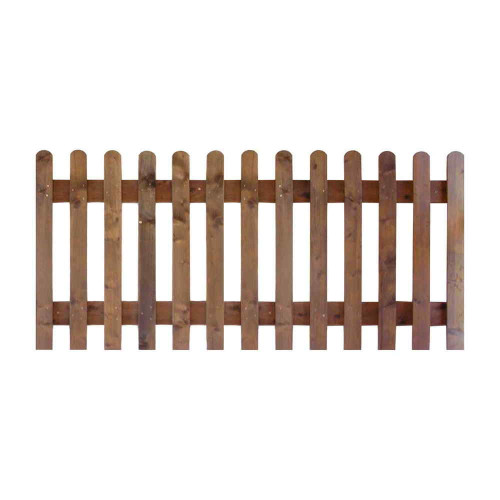
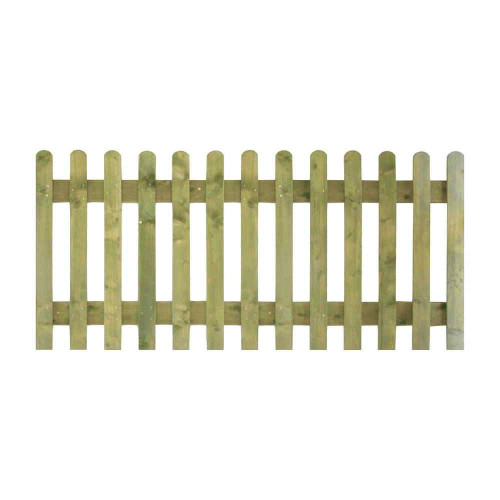
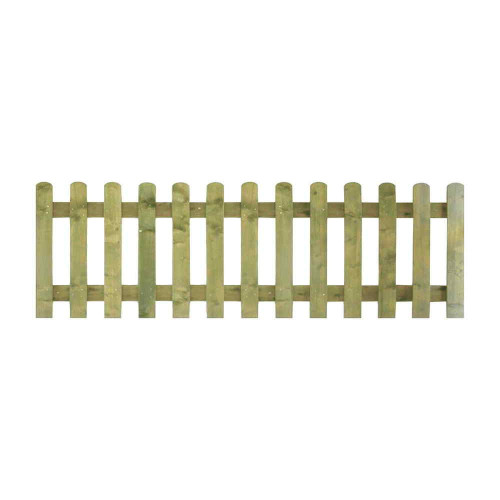
Picket fence panels use spaced vertical pales to create a lower and more open boundary. They work particularly well around front gardens, paths and areas where a clear division is needed without blocking light or views.
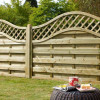
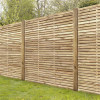
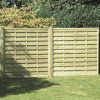
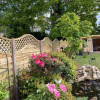
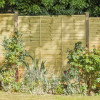
Decorative, lattice, slatted and hit and miss panels provide further choices where the appearance of the boundary, airflow or partial screening is important. Rather than choosing by style alone, consider how much privacy is required and how exposed the fence will be.
Fence Panels For Privacy
Where reducing overlooking is the main requirement, taller solid fence panels normally provide the greatest immediate privacy.
Closeboard panels are particularly effective because their overlapping boards create a dense timber face with very little visibility through the fence. Waney lap panels also provide useful screening and are a familiar option for residential garden boundaries.
6ft fence panels are commonly used around rear gardens, patios and seating areas where a high level of screening is wanted. A 5ft panel can provide useful privacy with a slightly lower finished fence line.
Privacy is influenced by more than panel height alone. Changes in ground level, neighbouring buildings and the position from which the garden is overlooked can all affect how much screening a boundary provides.
Decorative and slatted panels can provide partial screening where maintaining some light or openness is also important. The best choice depends on whether maximum privacy or a balance between screening and appearance is the priority.
Fence Panels For Front Gardens
Front garden fence panels are normally chosen to create a clear boundary without making the property feel unnecessarily enclosed.
Lower panels allow more light and visibility across the garden and work well beside paths, driveways, lawns and planted borders. Picket panels are particularly suited to this type of boundary because the gaps between the pales keep views open while still defining the edge of the property.
Decorative lower panels can also work well where the fence is highly visible from the house or road. The design should complement the property while providing the level of separation required.
Where a fence runs close to a driveway or entrance, consider how the height and construction affect visibility around vehicles and pedestrians.
Fence Panel Construction And Strength
The construction of a fence panel affects its weight, appearance, level of screening and the way it responds to different garden conditions.
Closeboard panels use overlapping vertical boards fixed across supporting rails. This creates a substantial solid face and makes them a strong choice for privacy fencing and replacement boundaries.
Waney lap panels use horizontal boards arranged in overlapping layers. Their lighter construction provides traditional screening and makes them a familiar option for general garden fencing.
Picket, slatted and hit and miss panels introduce spaces into the face of the fence. This allows more air and light through the boundary and creates a less enclosed appearance than a fully solid panel.
The panel itself is only one part of the completed fence. Posts, foundations, gravel boards and fixings also affect how well the boundary is supported, particularly with taller panels or in exposed locations.
Fence Panel Heights
Fence panel height affects privacy, visibility, wind exposure and how dominant the completed boundary feels within the garden. Taller panels provide more screening, while lower panels keep boundaries more open.
6ft Fence Panels
6ft fence panels are commonly used for rear garden privacy and full-height boundaries. They provide substantial screening and are available across several solid, decorative and contemporary panel designs.
Because taller panels present a larger surface to the wind, the supporting posts, foundations and fixings need to be suitable for the location.
5ft Fence Panels
5ft fence panels provide good screening with a slightly lower fence line than a full 6ft panel. They can work well on side boundaries and in gardens where a taller fence would feel too dominant.
4ft Fence Panels
4ft fence panels create a clear boundary while allowing more light and visibility than taller panels. They are suitable for front gardens, paths and lower divisions within the garden.
3ft Fence Panels
3ft fence panels are commonly used for low front boundaries, lawns, planted areas and internal garden divisions. Picket and decorative panel designs are particularly well suited to this type of application.
Standard Fence Panel Widths
Most fence panels used in UK gardens are approximately 6ft wide, which is around 1.83m. This width is commonly used with both timber posts and slotted concrete fence post systems.
Sizes such as 6x6, 6x5 and 6x4 normally describe the approximate panel width followed by its height. A 6x4 panel, for example, is approximately 6ft wide and 4ft high.
When replacing an existing panel, measure the actual opening between the posts rather than assuming the bay is still exactly 6ft wide. Fence posts can move, lean or twist over time, particularly in older installations.
Measure the opening at more than one point if the posts are not completely parallel. The available width can sometimes differ between the top and bottom of the bay.
Pressure Treated Wooden Fence Panels
Every timber fence panel in our range is pressure treated for outdoor use. Pressure treatment helps protect the wood against rot and fungal decay by introducing preservative into the timber rather than relying only on a surface coating.
East Coast Fencing manufactures closeboard, waney lap and picket fence panels in-house. Suitable products are available in brown or green pressure treated finishes, while our decorative fence panels are supplied pressure treated green.
Wooden fence panels suit a wide range of UK gardens because timber works naturally alongside lawns, planting, sheds, garden buildings and other landscaping materials.
Brown treated panels have a warmer initial timber colour, while green treated panels tend to blend naturally with lawns, hedges and planting. Both finishes gradually weather after installation as the timber is exposed to sunlight and rain.
A newly installed replacement panel may initially look brighter or more strongly coloured than older fencing beside it. This is normal where the existing panels have already been exposed to the weather.
Pressure treatment improves protection, but good installation remains important. Timber panels should be kept away from prolonged contact with wet soil and trapped garden debris where possible.
Replacement Fence Panels
Replacing individual fence panels can restore privacy, improve the appearance of a boundary and repair damaged sections without rebuilding the complete fence run.
Before ordering a replacement, identify the existing panel type and measure its height and width. Check the clear opening between the posts rather than relying only on the stated dimensions of the old panel.
Look at the board direction, construction and pressure treatment colour if the new panel needs to sit beside existing fencing. Similar-looking panels can differ in their framing, dimensions and overall appearance.
Some colour difference should also be expected when new pressure treated timber is installed beside older panels that have already weathered.
Inspect the surrounding posts, gravel boards and fixings before fitting the replacement. A new panel will only remain secure if the supporting fence system is still in sound condition.
If several neighbouring panels or posts are damaged, replacing a larger section may produce a more consistent result than repairing individual bays one at a time.
Fence Panels For Windy Gardens
Wind exposure is an important consideration when choosing fence panels for open or exposed gardens.
Tall solid panels provide strong privacy but also present a larger continuous surface to the wind. The panel height, supporting posts, foundations and fixings therefore need to be suitable for the position of the boundary.
Hit and miss fence panels use alternating boards that allow more air to move through the fence than a fully solid design. Slatted panels also introduce gaps and can provide useful screening while creating a more open boundary.
Open panel construction does not remove the need for secure installation. Every fence still depends on appropriate posts, foundations and fixings to remain stable.
If you are replacing panels in an exposed fence run, check the condition of the existing posts before fitting heavier or taller panels. Movement at the posts can affect the entire boundary regardless of the panel design.
Fence Panels With Posts And Gravel Boards
Fence panels form one part of a complete fencing system. Suitable posts, gravel boards and fixings help keep the panels aligned, supported and separated from prolonged contact with damp ground.
Wooden fence posts provide a consistent all-timber appearance and give straightforward fixing points for suitable exterior screws, brackets or panel clips.
Concrete fence posts are commonly used with panels that slide between slotted posts. This type of system can make individual panels easier to remove and replace without dismantling the entire fence run.
Gravel boards sit beneath fence panels and help separate the timber from soil, lawn edges and garden debris. Timber and concrete options are available to suit different fencing systems and finishes.
When replacing an existing panel, check whether a gravel board is already fitted and include its height when considering the overall finished boundary.
Measuring For Fence Panels
Accurate measurements make it easier to order the correct fence panels and avoid fitting problems when the panels arrive.
For replacement fencing, measure the clear opening between every pair of posts. Do not assume that all bays in an older fence run are identical.
Measure both the width and available height, and check whether the panel sits above a gravel board, slides between concrete posts or is attached to the face of timber posts.
If the posts appear to lean or twist, measure the opening at several points. Small differences between the top and bottom of a bay can determine whether a standard panel will fit.
For a complete new fence run, measure the total boundary and note corners, gates, changes in direction and variations in ground level. Sloping gardens may require panels to be stepped from one bay to the next.
Panel dimensions are generally nominal, so check the individual product information where the available fitting space is particularly tight.
Installing And Supporting Fence Panels
Fence panels need suitable posts, secure fixings and careful alignment to create a straight and stable boundary.
Panels used with timber posts are normally attached using suitable exterior screws, brackets or panel clips. Panels fitted into slotted concrete posts can usually be lowered into position above an appropriate gravel board.
Check each panel for level before completing the fixings and maintain a consistent height across the fence run. On sloping ground, panels may need to be stepped to follow changes in ground level.
Taller panels and exposed boundaries place greater loads on the supporting structure. Posts and foundations should therefore be considered as part of the complete fence rather than separately from the panels.
Keeping timber panels slightly above wet ground where possible also reduces prolonged contact with soil, leaves and other damp material.
Caring For Wooden Fence Panels
Pressure treated wooden fence panels require relatively little routine maintenance, but occasional checks can help keep the boundary secure and presentable.
Keep soil, leaves and dense vegetation away from the bottom of the panels where practical. Allowing the timber to dry after wet weather helps prevent persistent damp conditions around the lower boards and rails.
Check posts, brackets and fixings after strong winds and look for panels that have moved out of alignment. Addressing movement early can prevent additional strain on neighbouring sections of the fence.
Plants growing against the boundary should be managed so that their weight does not place unnecessary pressure on the panels. Dense vegetation can also keep timber damp for longer after rainfall.
The original pressure treatment colour will gradually fade outdoors. A compatible exterior timber finish can be applied later if you want to refresh or change the appearance.
Buy Fence Panels From East Coast Fencing
East Coast Fencing supplies pressure treated fence panels for garden privacy, front boundaries, replacement fencing and complete new fence runs.
Our range includes closeboard, waney lap, picket, decorative, double slatted, hit and miss and omega lattice fence panels in popular heights and finishes. Closeboard, waney lap and picket panels are manufactured in-house.
Whether you need one replacement fence panel or enough fencing for a complete garden boundary, compare the available panel types, heights, pressure treatment finishes and levels of screening above to find the right option for the project.
East Coast Fencing is backed by more than 20,000 customer reviews across Trustpilot and Google.