Choosing The Right Closeboard Fence Panels
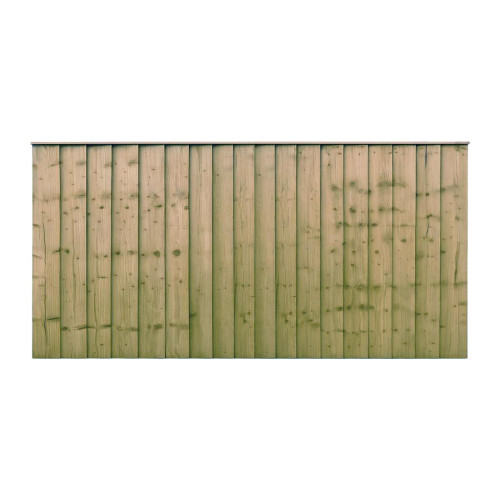
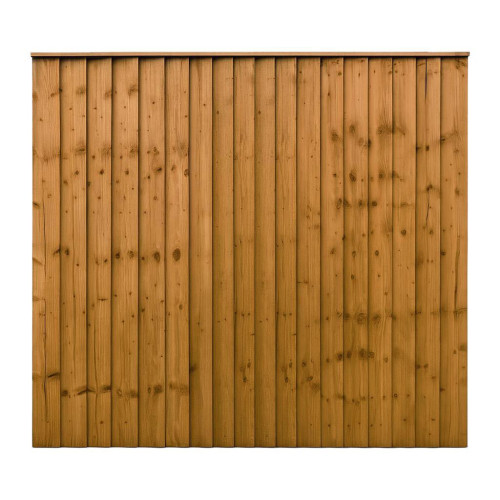
Closeboard fence panels are a strong choice for private garden boundaries, replacement fencing and complete new fence runs. Their overlapping vertical boards create a substantial timber screen suited to rear gardens, side passages, patios and other areas where privacy and a robust appearance are important.
East Coast Fencing manufactures closeboard panels in-house in popular UK garden sizes. The range includes standard and ultra heavy duty options, allowing you to choose a panel construction suited to the position, exposure and demands of the boundary.
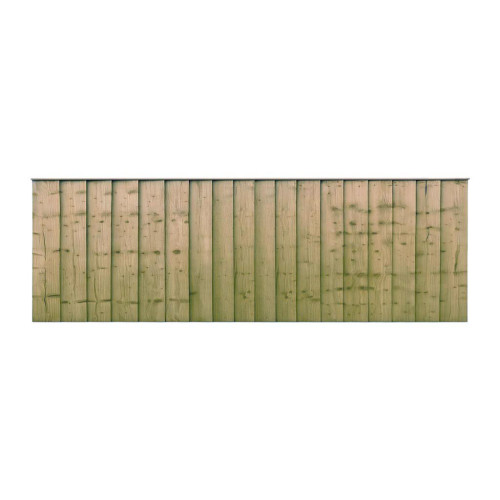
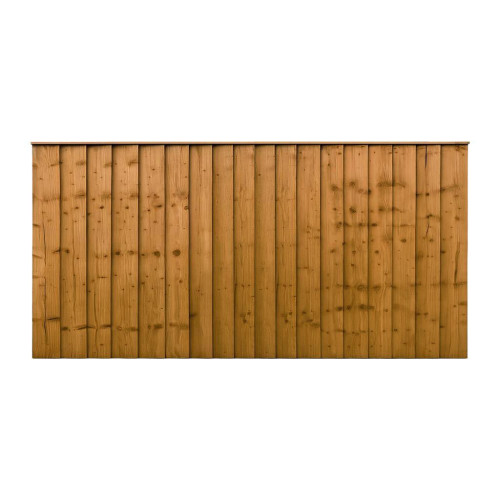
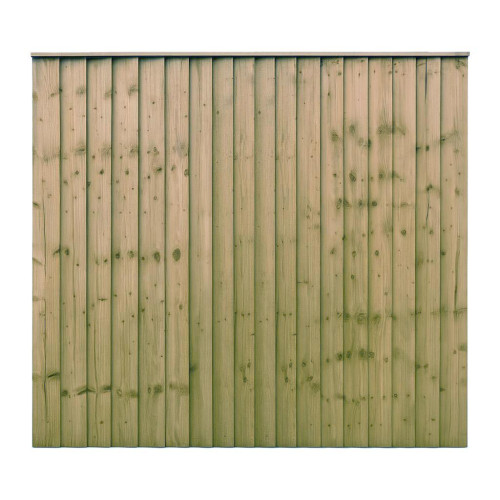
Most closeboard panels are approximately 6ft wide, with several heights available for full privacy fencing, lower boundaries and replacement bays. Brown and green or natural pressure treated finishes are available across suitable products.
Closeboard is one of several styles available within our wider fence panels range. The right option will depend on the required height, level of screening, supporting post system and whether you are replacing an existing panel or creating a completely new fence.
Closeboard Fence Panels For Garden Privacy
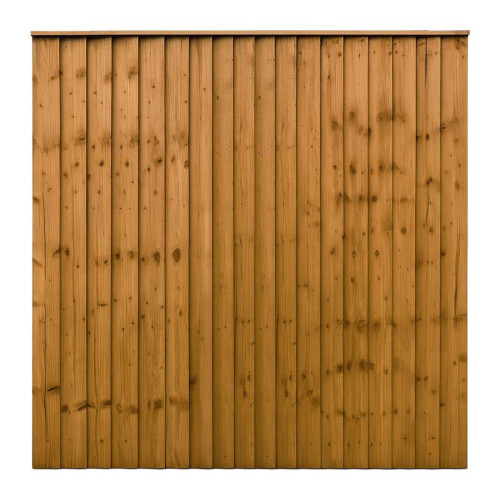
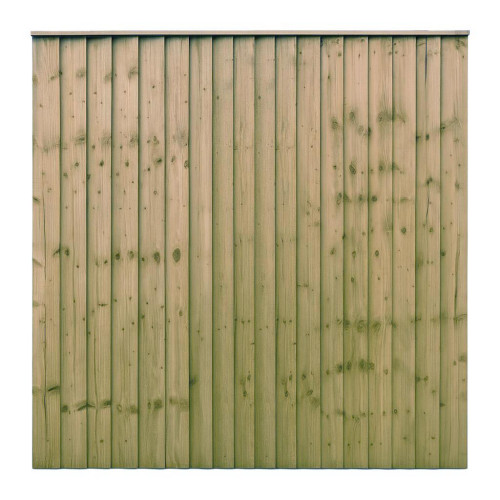
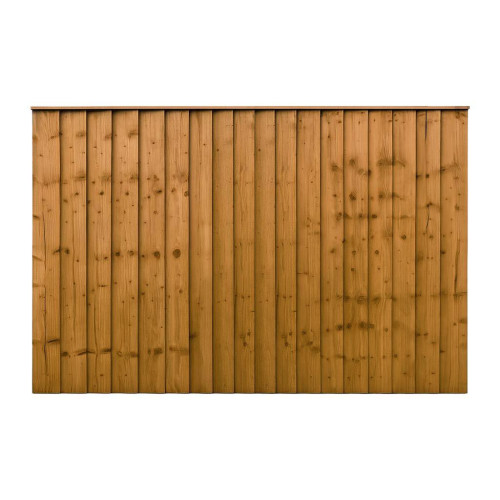
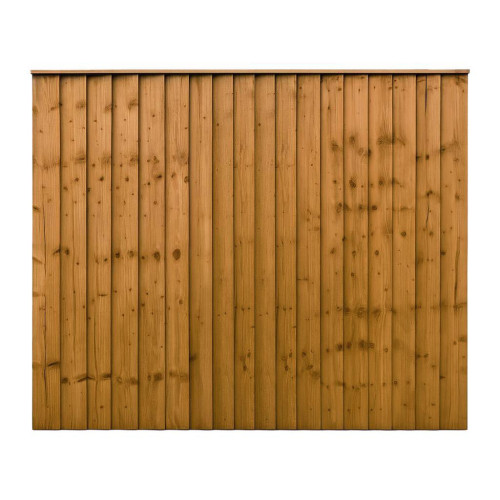
Closeboard fencing is commonly selected where privacy is the main priority. The vertical boards overlap across the width of the panel, producing a dense timber face with very few direct sightlines through the boundary.
This makes closeboard panels particularly suitable for rear gardens, overlooked patios, side returns and seating areas. Taller panels create the greatest level of screening, while lower options can define the boundary without making the garden feel completely enclosed.
The solid construction also gives the fence a substantial appearance. Although domestic timber fencing should not be treated as a specialist security barrier, a well-installed closeboard boundary provides a clear and robust division between neighbouring spaces.
How Closeboard Fence Panels Are Constructed
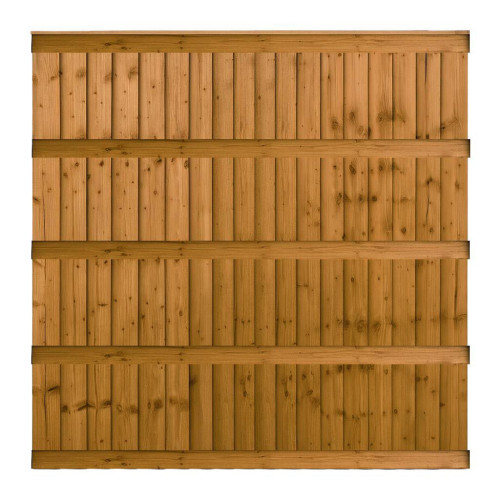
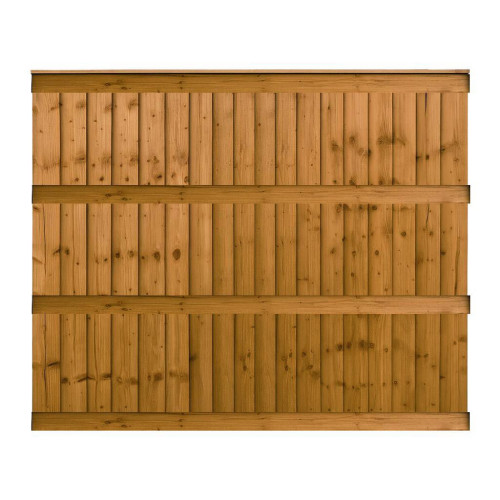
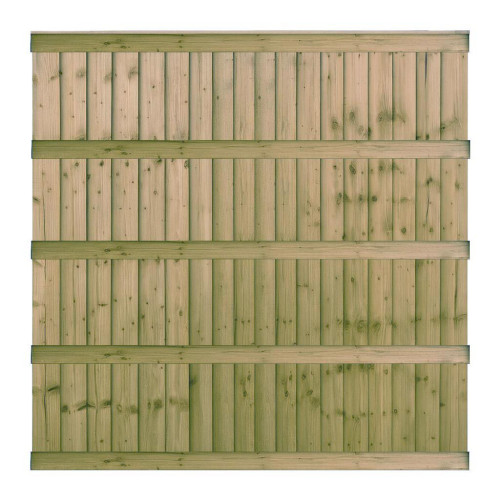
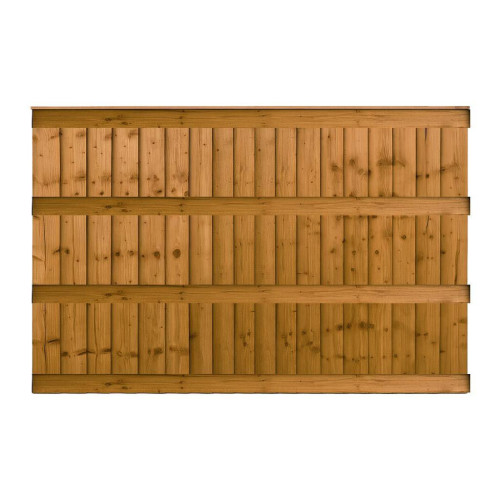
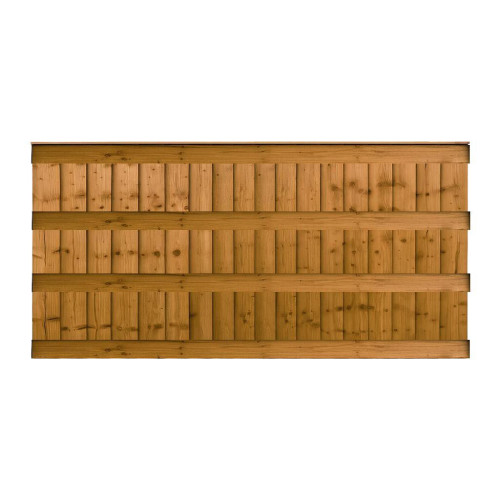
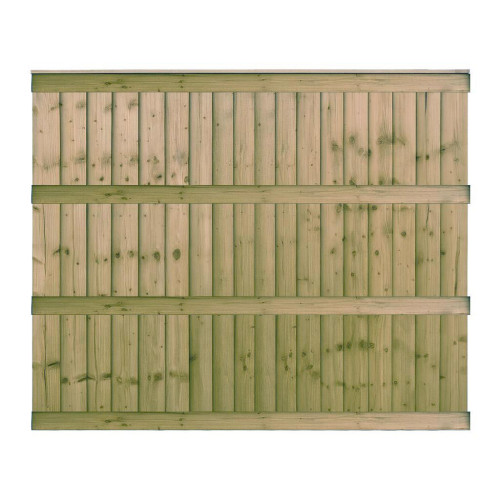
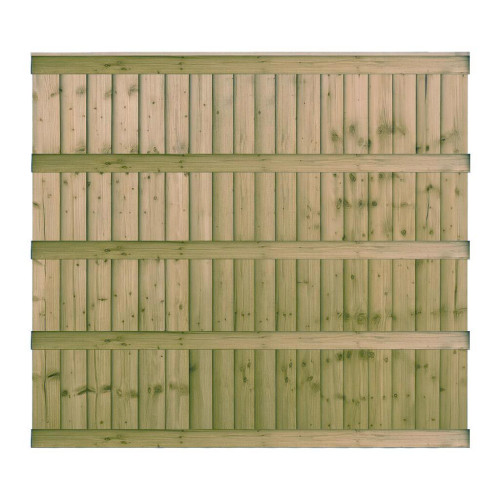
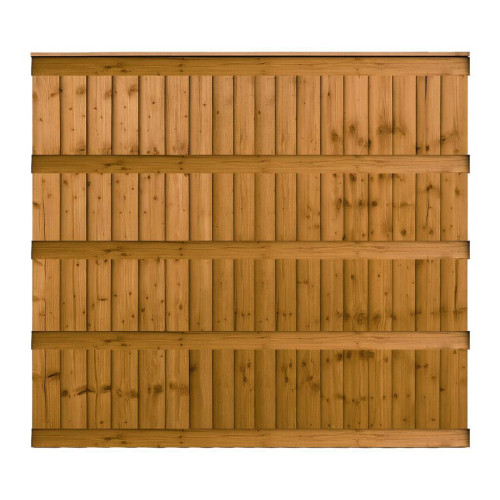
Closeboard fence panels are built using overlapping vertical boards fixed across horizontal supporting rails. The boards are arranged so that each piece overlaps the next, creating a continuous face across the panel.
The rails support the boards across the rear, while the outer framing helps keep the panel square and provides strength during handling and installation. The combined construction produces a heavier and more substantial panel than many lighter overlap designs.
The overlapping arrangement helps reduce views through the fence and encourages rainwater to run down the timber rather than collecting within horizontal board joints.
The exact number of rails, board thickness and frame construction can vary between standard and ultra heavy duty products. Individual product specifications should therefore be checked when comparing panels.
Standard Closeboard Fence Panels
Standard closeboard panels provide a strong and practical option for typical domestic garden boundaries. They are suitable for replacing damaged panels, creating rear garden privacy and installing complete new fence runs.
These panels provide the familiar solid appearance associated with closeboard fencing while remaining manageable for common residential installations.
A standard panel may be the right choice where good privacy and a substantial timber design are required without moving to the heaviest available construction.
When comparing standard and ultra heavy duty products, consider the position of the fence, expected wind exposure, supporting posts and preferred panel weight rather than choosing by price alone.
Ultra Heavy Duty Closeboard Fence Panels
Ultra heavy duty closeboard fence panels are designed for customers who prefer a more substantial panel construction.
They can be suitable for prominent garden boundaries, larger projects and locations where a heavier, more robust-looking panel is preferred.
The additional construction also increases the panel weight. Safe handling should be planned carefully, with enough people available to lift and position the panel without damaging the frame.
A heavier panel still relies on correctly selected posts, suitable foundations and secure installation. Installing an ultra heavy duty panel between weak, leaning or poorly secured posts will not create a stable fence system.
Closeboard Fence Panel Heights
Closeboard panels are available in several popular heights. The right height depends on the required level of privacy, the location of the fence and how enclosed you want the finished garden to feel.
6ft Closeboard Fence Panels
6ft closeboard fence panels are widely used for rear garden privacy and full-height side boundaries. They provide strong screening and are a common choice where neighbouring properties overlook the garden.
A panel described as 6x6 is normally approximately 6ft wide and 6ft high. Exact finished dimensions should still be checked on the individual product page.
5ft Closeboard Fence Panels
5ft closeboard fence panels provide good screening while creating a slightly lower fence line. They may suit smaller gardens or locations where a full 6ft panel would feel too dominant.
4ft Closeboard Fence Panels
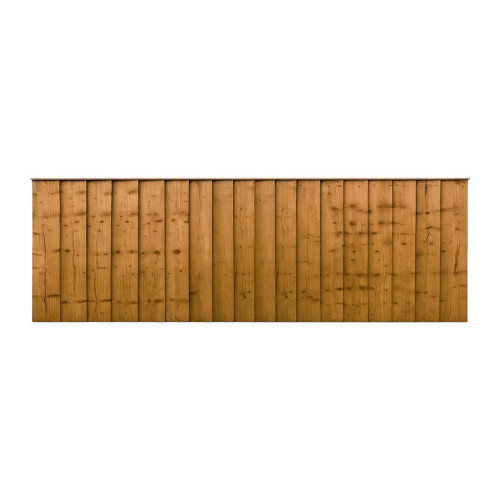
4ft closeboard fence panels create a solid boundary while retaining more light and openness than taller privacy fencing.
They can be used in front gardens, side areas and internal garden divisions where clear separation is required without maximum screening.
3ft Closeboard Fence Panels
3ft closeboard fence panels are suitable for lower boundaries, front gardens and planted areas.
They maintain the solid appearance of closeboard fencing while allowing views across the garden.
Standard Closeboard Fence Panel Widths
Most closeboard fence panels are approximately 6ft wide, which is around 1.83m. This is the common width used across many UK timber and concrete post systems.
Descriptions such as 6x6, 6x5 and 6x4 normally state the approximate width first and the height second.
When replacing an existing panel, measure the actual clear opening between the posts. Fence runs can move over time, and the current gap may no longer match the original nominal size.
Measure at both the top and bottom of the bay. Leaning or twisted posts can create an opening that is wider at one point than another.
Brown Closeboard Fence Panels
Brown pressure treated closeboard panels provide a warm timber colour that works well with traditional gardens, sheds, gates and existing brown-treated fencing.
The treatment creates an attractive colour when the panel is first installed, although the appearance will naturally fade and weather after exposure to sunlight and rain.
Brown panels can be useful when replacing existing brown fencing or when a warmer timber finish is preferred across the garden.
Natural colour variation between panels and individual boards is expected because timber absorbs treatment differently.
Green And Natural Closeboard Fence Panels
Green or natural pressure treated closeboard panels have a lighter appearance that blends well with lawns, hedges and planted boundaries.
The initial green tint comes from the treatment process and will soften as the timber weathers outdoors.
This finish is a popular option for new garden projects where the fencing needs to sit naturally alongside planting and landscaping.
A newly treated panel may initially look different from older fencing that has already weathered for several years.
Pressure Treated Closeboard Fence Panels
All closeboard fence panels in the range are pressure treated for outdoor use. During treatment, preservative is forced into the timber to help protect it against rot and fungal decay.
This provides deeper protection than a simple decorative surface coating and makes the panels more suitable for typical UK garden conditions.
Pressure treatment does not remove the need for correct installation. Panels should be kept away from direct contact with damp soil where possible, and the posts and supporting structure must remain secure.
The treatment colour will weather over time. This is a normal change in appearance and does not mean the timber has lost all preservative protection.
Closeboard Panels For Rear Gardens
Rear gardens often require a combination of privacy, clear boundary definition and an orderly appearance. Closeboard panels are well suited to these requirements because their solid face creates a consistent screen around lawns, patios and seating areas.
Full-height panels can reduce overlooking and make the garden feel more private. Lower panels may be appropriate where maintaining light and views is more important.
The same closeboard design can be used around a complete boundary for a consistent finish. Different heights may also be used where privacy needs vary around the garden.
Ground levels, corners and gate openings should be planned before ordering so the complete fence run aligns correctly.
Closeboard Fence Panels For Side Passages
Closeboard panels are commonly used along side passages because they provide solid screening between neighbouring properties.
Side passages are often narrow, so the height and appearance of the panel can have a strong effect on how enclosed the space feels.
Measure carefully where walls, extensions or outbuildings make the boundary less straightforward than an open garden fence run.
Access should also be considered before installation. Full-size closeboard panels need enough room to be lifted and positioned safely.
Closeboard Fence Panels In Exposed Gardens
Closeboard panels provide excellent privacy, but their solid construction also catches more wind than open fencing styles.
In exposed gardens, the panel specification, post type, post length and foundation must be considered together.
Concrete posts are often used for exposed closeboard runs because they provide a rigid support system and do not rot at ground level.
Substantial wooden posts can also be suitable where an all-timber appearance is preferred and the installation is correctly designed for the location.
No fence panel can eliminate all storm damage risk. Correct installation is particularly important on long, tall or exposed boundaries.
Replacing Closeboard Fence Panels
A damaged closeboard panel can often be replaced without renewing the complete fence run, provided the posts remain secure and correctly spaced.
Before ordering, measure the existing panel and identify whether it is a standard or heavier construction. Check the width, height and treatment colour.
A new panel may look brighter than older weathered fencing. The difference will usually become less noticeable as the new timber is exposed to the weather.
Inspect the posts and base at the same time. If the posts lean, move or show signs of deterioration at ground level, replacing the panel alone will not correct the underlying problem.
Measuring For Closeboard Fence Panels
Measure the clear width between the posts and the available height before ordering.
If the panel will sit above a gravel board, measure from the top of the gravel board to the required finished fence height.
For slotted concrete posts, measure the gap between the slots. For timber posts, confirm whether the panel will sit between the posts or be fixed across their faces.
Measure every bay in an existing run rather than assuming the spacing is identical throughout.
Check exact product dimensions because nominal fence panel sizes can differ slightly from finished measurements.
Installing Closeboard Fence Panels
Closeboard panels can be installed between slotted concrete posts or fixed to wooden posts using suitable exterior clips, brackets or screws.
The panel should be kept level and supported evenly during installation. Its weight should not be left hanging from one fixing point.
Where panels are fitted above gravel boards, the board should be correctly seated and level before the panel is positioned.
Ensure the posts remain vertical and correctly spaced. Small alignment errors can create uneven gaps or prevent the panel from fitting properly.
Closeboard panels can be heavy, particularly in larger and ultra heavy duty specifications, so safe lifting should be planned before work begins.
Caring For Closeboard Fence Panels
Pressure treated closeboard panels require relatively little routine maintenance, but occasional checks can help keep the boundary secure.
Remove soil, wet leaves and dense vegetation from the panel base where possible. Keeping the timber clear of prolonged damp helps it dry after rain.
Check posts and fixings after strong winds. Loose brackets or moving posts should be addressed before they place further strain on the panels.
Cut back climbing plants and shrubs where their weight is pulling on the fence.
A compatible exterior timber coating can be applied if you want to refresh or change the appearance, following the coating manufacturer’s instructions.
Buy Closeboard Fence Panels From East Coast Fencing
East Coast Fencing manufactures pressure treated closeboard fence panels for privacy boundaries, replacement fencing and complete new garden projects.
The range includes standard and ultra heavy duty panels in popular heights, with brown and green or natural treated finishes available across suitable products.
Whether you need one replacement panel or closeboard fencing for a complete boundary, compare the available sizes, construction and treatment colours above.
East Coast Fencing is backed by more than 20,000 customer reviews across Trustpilot and Google.