


Landscaping trends change as the way we use our gardens changes. Outdoor spaces are no longer treated as separate from the home. They are used for relaxing, entertaining, growing food, working, storing tools, supporting wildlife and creating privacy. A good garden now needs to look attractive, but it also needs to work hard.
The strongest landscaping ideas are not short-lived fashions. They are practical responses to real garden needs: easier maintenance, better water management, more privacy, stronger boundaries, useful planting, outdoor living space and a healthier environment for wildlife.
This guide looks at the key landscaping trends shaping modern gardens, from sustainable planting and edible gardens to smart technology, low-maintenance layouts, fencing, screening, multi-use spaces and natural materials. Whether you are redesigning a small front garden, updating a tired patio or planning a full garden makeover, these ideas can help you create a garden that is attractive, practical and built to last.
Sustainable landscaping
Sustainable landscaping is one of the most important shifts in garden design. It is about creating outdoor spaces that need fewer resources, waste less water, support wildlife and work with the local environment rather than against it.
This does not mean every garden has to look wild or unmanaged. A sustainable garden can still be neat, modern and carefully designed. The difference is in the choices: plants that suit the conditions, materials that last, surfaces that drain properly and maintenance routines that avoid unnecessary waste.
Useful sustainable landscaping ideas include:
- Choosing plants that suit the local soil and weather
- Using drought-tolerant planting where appropriate
- Reducing unnecessary lawn areas
- Collecting rainwater for watering
- Using mulch to retain soil moisture
- Composting garden waste
- Choosing long-lasting fencing and landscaping materials
- Creating habitats for birds, insects and hedgehogs
- Avoiding excessive chemical use
Sustainability also applies to hard landscaping. A cheap material that fails quickly may not be the best environmental choice. Durable fence panels, suitable gravel boards, properly installed paths and repairable structures can all reduce waste over time.
Wildlife-friendly gardens
Wildlife-friendly landscaping continues to grow in popularity because it brings life, movement and balance into the garden. Birds, bees, butterflies, hedgehogs, beetles and other wildlife all benefit from thoughtful planting and habitat design.
Wildlife gardening does not mean letting the whole garden become overgrown. It can be as simple as adding nectar-rich flowers, leaving a small log pile, planting a hedge, installing a bird bath or creating a gap for hedgehogs to move between gardens.
Good wildlife-friendly features include:
- Mixed native hedging
- Flowering perennials for pollinators
- Berrying shrubs for birds
- Small ponds or water bowls
- Log piles and leaf mould areas
- Insect habitats
- Climbers on trellis panels
- Hedgehog holes in suitable gravel boards or boundaries
Fencing can still be part of a wildlife-friendly garden. A solid fence gives privacy and structure, while planting, trellis panels and small access points can help soften the boundary and support wildlife.
Low-maintenance garden design
Many homeowners want gardens that look good without taking up every weekend. Low-maintenance landscaping is not about having no plants. It is about choosing the right plants, materials and layout so the garden is easier to manage.
Low-maintenance gardens often include strong edges, simple planting schemes, mulch, gravel, raised beds, evergreen structure and durable fencing. The aim is to reduce regular jobs such as weeding, watering, mowing and constant pruning.
Good low-maintenance choices include:
- Slow-growing shrubs
- Hardy perennials
- Ornamental grasses
- Ground cover plants
- Mulched borders
- Gravel paths with proper edging
- Raised beds for easier access
- Pressure treated fence panels
- Concrete gravel boards in damp areas
- Simple seating areas with easy-clean surfaces
The biggest mistake is covering everything with hard surfaces and assuming that means no maintenance. Paving, decking and gravel still need cleaning and weed control. A well-planted garden can often be easier to care for than a poorly prepared hard landscaped space.
Naturalistic planting
Naturalistic planting uses drifts of perennials, grasses, bulbs and shrubs to create a softer, more relaxed garden. It often looks less formal than traditional bedding schemes, but it still needs planning.
This style works well because it changes through the seasons. Grasses move in the wind, seed heads add winter structure, and flowering perennials provide colour for pollinators.
Plants are often repeated in groups rather than scattered randomly. This gives the garden rhythm and stops it looking messy. Naturalistic planting works particularly well against simple fencing, slatted fence panels, closeboard fencing or dark-painted timber boundaries.
To make naturalistic planting work, choose plants that suit the conditions. Dry sunny borders need different planting from shaded, damp corners. The most successful schemes work with the site rather than forcing unsuitable plants into it.
Edible landscaping
Edible landscaping combines productive plants with attractive design. Instead of hiding vegetables and herbs in a separate plot, edible plants are worked into the wider garden.
This can be as simple as herbs beside a path, fruit trees in a front garden, strawberries in containers or raised beds near the patio. It can also include vegetable beds, trained fruit, edible hedging and companion planting.
Popular edible landscaping ideas include:
- Raised beds for vegetables and herbs
- Fruit trees as focal points
- Herbs in pots by the kitchen door
- Strawberries along bed edges
- Climbing beans on supports
- Blueberries in containers with suitable compost
- Espalier fruit against walls or fencing
- Edible flowers in borders
Raised beds can be built from suitable timber, sleepers or other garden materials. If using timber, choose materials appropriate for soil contact and consider drainage, lining and access. Gravel boards can be useful for low edging, but heavier raised beds need proper support.
Outdoor living spaces
Gardens are increasingly used as outdoor rooms. Patios, seating areas, pergolas, outdoor kitchens, fire pits and dining areas are all popular because they make the garden more useful.
A good outdoor living space should feel connected to the house but still comfortable in its own right. Privacy, shelter, lighting and access are all important.
Fencing and screening play a major role. A seating area can feel exposed without a good boundary. Closeboard fence panels provide privacy. Decorative fence panels can create a more attractive backdrop. Trellis panels with climbers can soften a hard edge. Slatted fence panels can give a modern look without making the area feel too enclosed.
Before adding furniture or features, think about wind direction, shade, views, noise and evening sun. A patio that looks good on paper may be uncomfortable if it sits in a windy or overlooked corner.
Multi-functional gardens
Many gardens now need to do several jobs at once. A single space may need to include children’s play, pets, storage, planting, entertaining, food growing and a quiet place to sit.
The key is zoning. Different areas should have clear purposes without making the garden feel chopped up. Paths, planting, low fencing, trellis panels, raised beds and changes in surface can all help define spaces.
For example, a garden might include:
- A patio for seating
- A lawn or play space
- A shed or storage area
- Raised beds for growing food
- A screened bin area
- A wildlife corner
- A private seating nook
- A secure fence line for pets
Good boundaries help multi-functional gardens work. A secure garden gate, strong fence panels and suitable screening can make the space feel safer, tidier and more usable.
Privacy screening
Privacy remains one of the main landscaping priorities. Overlooked gardens can feel uncomfortable, especially around patios, hot tubs, dining areas and home offices.
There are several ways to improve privacy without making the garden feel closed in. Full-height fence panels give immediate screening. Trellis panels and climbers add height more softly. Slatted screens provide partial privacy with airflow. Planting can block specific views while keeping light in the garden.
Common privacy ideas include:
- Closeboard fence panels for full boundary privacy
- Fence topper trellis for extra height where suitable
- Slatted panels around seating areas
- Climbing plants on trellis
- Small trees positioned to block upper windows
- Evergreen shrubs near patios
- Decorative screens for bins or utility areas
Before increasing boundary height, check planning rules and consider neighbours. Extra height can also increase wind load, so posts must be strong enough.
Modern slatted fencing
Slatted fencing continues to be popular in contemporary garden design. It gives a clean, horizontal or vertical line and works well with patios, rendered walls, garden rooms and modern planting.
Horizontal slatted fence panels can make a small garden feel wider. Vertical slats can add height and rhythm. Double slatted fence panels can improve privacy while still allowing airflow.
Slatted fencing works particularly well with ornamental grasses, evergreen shrubs, architectural planting and gravel. It can also be used as a feature screen rather than around the whole boundary.
In exposed gardens, slatted fencing still needs strong posts and good fixings. The gaps help with airflow, but they do not remove the need for proper installation.
Traditional fencing with better detailing
Traditional timber fencing is still widely used, but the details are becoming more important. Homeowners want boundaries that look finished rather than purely functional.
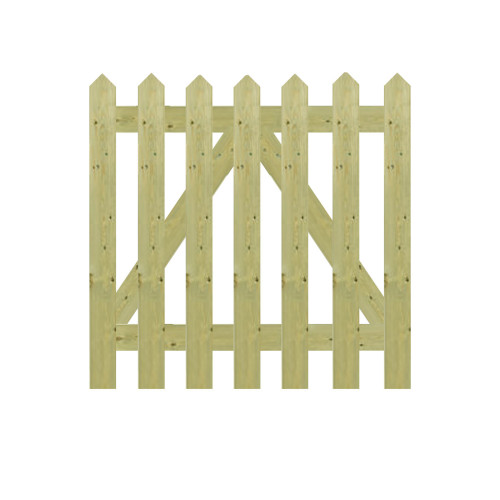
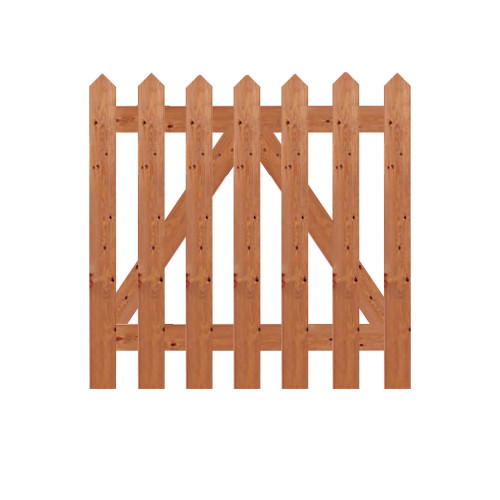
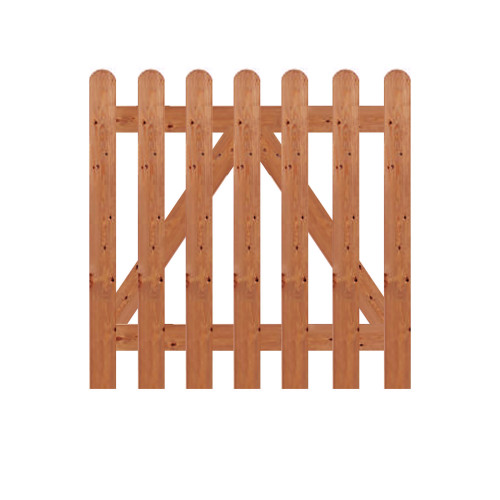
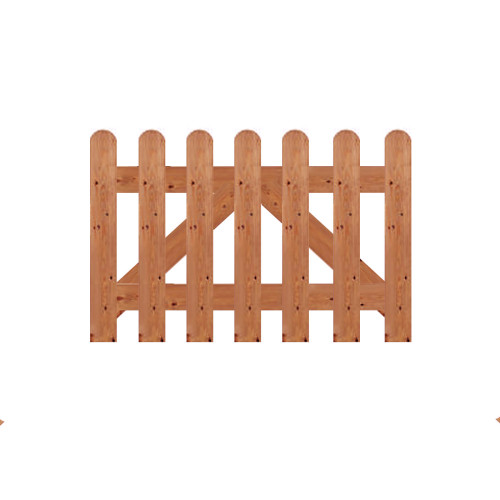
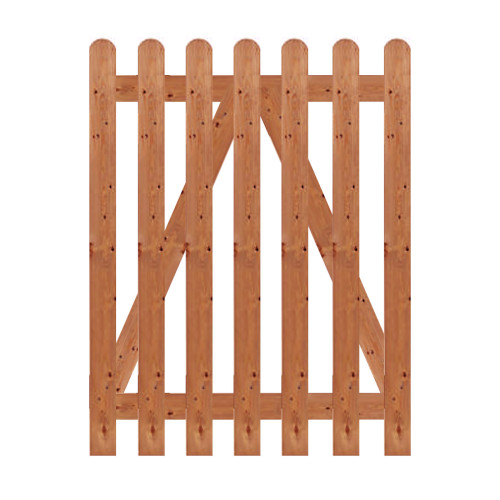
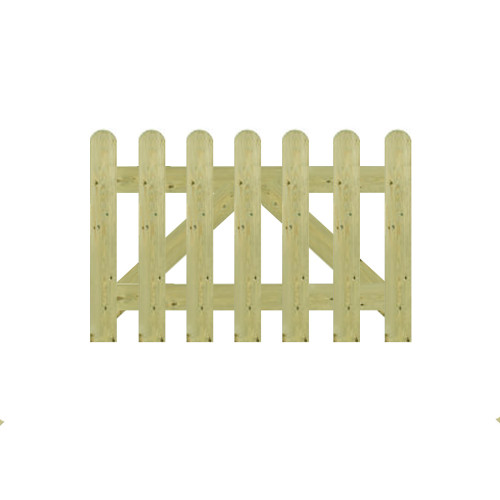
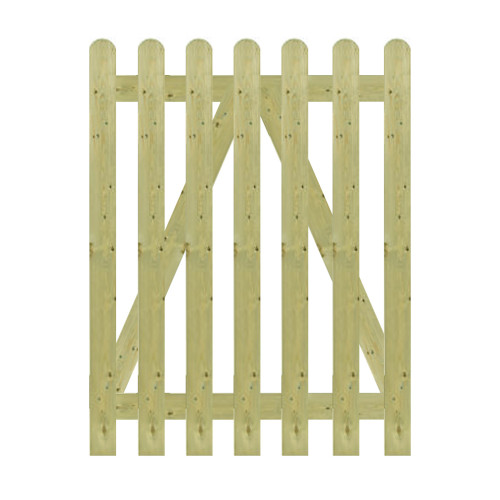
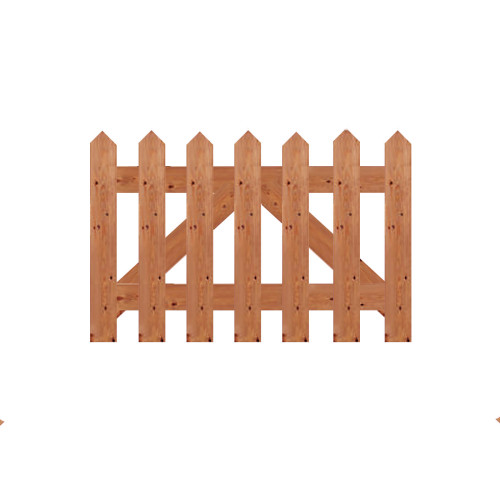
Closeboard fence panels remain a strong choice for privacy. Lap panels are useful for budget-friendly boundary replacement. Decorative fence panels can improve feature areas. Picket fence panels are still popular in front gardens.
The finished result can be improved with:
- Matching garden gates
- Fence capping
- Gravel boards
- Post caps
- Consistent timber treatment
- Trellis panels above selected sections
- Planting at the base of the fence
Simple details can make standard fencing look much smarter. A tidy fence line with sound posts, straight panels and a clean base often transforms the garden.
Garden rooms and workspaces
Garden rooms, studios and outdoor workspaces remain popular, especially for people working from home or needing extra space. These buildings can be used as offices, gyms, hobby rooms, storage areas or quiet retreats.
Landscaping around the building matters. A garden room can look awkward if it is simply placed at the end of the garden with no connection to the rest of the space.
Useful design ideas include:
- A clear path from the house
- Planting around the base
- Screening for privacy
- Matching fencing or trellis nearby
- Lighting for access
- Gravel or paving around the entrance
- A small seating area outside
Think carefully about boundaries. If the garden room is close to neighbours, fencing and planting can help improve privacy and reduce the feeling of being overlooked.
Smart garden technology
Technology is becoming more common in garden design, especially for irrigation, lighting and security. Used well, it can save time and make the garden easier to manage.
Smart garden features may include:
- Automated irrigation systems
- Smart outdoor lighting
- Motion sensors
- Robotic lawn mowers
- Weather-based watering controls
- Outdoor cameras
- Smart plugs for garden equipment
Technology should support the design rather than dominate it. For example, a watering system can help establish new planting, but the plants should still be chosen for the conditions. Lighting can improve safety, but too much lighting can feel harsh and affect wildlife.
Plan cables, sensors and access before installing patios, decking or fencing. Retrofitting technology later can be more disruptive.
Water-wise gardens
Water management is becoming a major part of landscaping. Some gardens suffer from dry spells, while others struggle with heavy rain and poor drainage. A good design should handle both where possible.
Water-wise landscaping includes plants that need less watering, soil improvement, mulch, rainwater harvesting and permeable surfaces. It also includes thinking about where rainwater goes after it falls.
Useful ideas include:
- Water butts connected to downpipes
- Mulched borders
- Drought-tolerant plants in sunny areas
- Rain gardens in damp areas
- Permeable gravel paths
- Reducing large areas of non-permeable paving
- Improving soil with organic matter
Good water management can make plants healthier and reduce maintenance. It can also help protect patios, lawns, sheds and fence bases from standing water.
Rain gardens and better drainage
A rain garden is a planted area designed to collect and absorb rainwater. It can be useful where water runs off roofs, patios or paths. Instead of sending all water straight into drains, a rain garden slows and filters it through soil and planting.
Rain gardens need suitable plants and careful positioning. They should not direct water towards the house, neighbouring property or structures. The soil and drainage must be understood before building one.
Even if you do not create a formal rain garden, improving drainage is a useful landscaping trend. Waterlogged lawns, flooded patios and damp fence lines are common problems. Gravel boards, raised beds, better soil structure and careful levels can all help manage moisture.
Gravel gardens
Gravel gardens are popular because they can look smart and need less watering when planted correctly. They are particularly suitable for sunny, free-draining spaces.
A gravel garden should not simply be a sheet of stones with a few plants. The best examples use well-chosen drought-tolerant plants, good soil preparation and clear edging.
Suitable plants may include lavender, rosemary, thyme, salvias, ornamental grasses, sedums and other plants that tolerate drier conditions. The exact choice depends on the garden’s soil, light and exposure.
Edging is important. Gravel boards, brick, metal edging, stone or timber can help keep gravel in place and separate it from lawns or borders.
Natural materials
Natural materials continue to be popular because they age well and sit comfortably in the garden. Timber, stone, gravel, clay pavers, woven materials and planting all help create a softer outdoor space.
Timber is especially versatile. It can be used for fence panels, garden gates, trellis panels, raised beds, sleepers, pergolas, edging, decking and screens. Treated timber is practical for many outdoor projects when specified correctly.
The key is to choose materials that suit the level of exposure. Timber close to the ground needs protection. Fence panels benefit from gravel boards. Posts need to be suitable for ground contact. Paths and patios need proper bases.
Mixed materials
Modern landscaping often combines materials rather than relying on one surface throughout. A garden might include timber fencing, gravel paths, paved seating, planted borders and a small lawn.
Mixed materials make a garden more interesting, but they need control. Too many materials can make the space look cluttered. Use a limited palette and repeat materials where possible.
For example, timber fence panels, matching garden gates, gravel paths and a few raised beds can create a consistent look. Adding one strong paving material for the patio may be enough.
Outdoor storage that looks intentional
Storage is a practical part of landscaping. Bins, bikes, tools, logs, compost and children’s toys all need somewhere to go. If storage is not planned, it quickly makes the garden look untidy.
Good storage ideas include:
- Screened bin areas
- Small sheds
- Bike stores
- Log stores
- Storage benches
- Potting areas
- Compost bays
- Trellis screens around utility areas
Fencing and screening can help hide practical areas. Decorative fence panels, slatted panels or trellis panels can make storage zones feel integrated rather than temporary.
Front garden improvements
Front gardens are receiving more attention. A well-designed front garden improves kerb appeal and makes the property feel cared for. It can also help with drainage, bin storage, privacy and wildlife.
Popular front garden ideas include low picket fence panels, neat hedging, gravel areas, small trees, pots by the door, improved paths, low-maintenance planting and screened bin storage.
A front garden should be welcoming and practical. Avoid overfilling it with plants or hard landscaping. A clean path, tidy boundary, working gate and a few well-chosen plants often make the biggest difference.
Outdoor lighting
Garden lighting is increasingly used for both function and atmosphere. It can make paths safer, highlight planting, improve security and make seating areas usable in the evening.
The best lighting is subtle. Harsh lights can spoil the garden and disturb wildlife. Low-level path lights, warm lighting around seating areas and carefully placed wall lights are usually better than bright floodlighting.
Lighting can be used near steps, gates, sheds, garden rooms, patios and paths. Plan lighting early if cables need to be hidden behind fencing, under paths or around structures.
Climate-resilient planting
Gardens increasingly need to cope with changing weather patterns, including dry spells, heavy rain, heat and sudden cold. Climate-resilient planting means choosing plants that can handle the conditions in your garden with less intervention.
This may include drought-tolerant plants in sunny areas, moisture-loving plants in damp corners and wind-tolerant shrubs in exposed gardens. Soil improvement and mulching also help plants cope with stress.
Do not choose plants based only on appearance. A plant that struggles in your garden will cost more in watering, feeding and replacement. The right plant in the right place is still one of the strongest landscaping principles.
Raised beds and accessible gardening
Raised beds remain popular because they make gardening easier and more organised. They can improve access, define growing spaces and help manage poor soil.
Raised beds can be used for vegetables, herbs, flowers or mixed planting. They work well in small gardens, patios and front gardens where clear structure is needed.
Materials matter. Timber sleepers, treated timber and suitable boards can all be used, but the structure must be strong enough to hold wet soil. Gravel boards can help with smaller edging projects, but deeper beds need proper support.
Allow space around the beds for access. A raised bed that is too wide becomes difficult to maintain.
Outdoor cooking and dining
Outdoor cooking areas are becoming more common, from simple barbecue corners to permanent outdoor kitchens. The best designs are practical rather than excessive.
Think about smoke, shelter, seating, surfaces, storage and access from the house. Keep cooking areas away from fence panels, trellis, sheds, dry planting and overhanging trees. Heat and sparks can damage timber and create fire risk.
A dining area should have a stable surface, comfortable access and enough privacy. Screening with fence panels, trellis or planting can make outdoor dining feel more relaxed.
Fire pits and seating areas
Fire pits and outdoor heaters are popular, but they need careful placement. Safety should come before appearance.
Keep fire features away from wooden fence panels, garden gates, sheds, decking, trellis panels, hedges and dry planting. Use suitable surfaces and follow product guidance.
A fire pit seating area can look good with gravel, stone, simple planting and low-level lighting. It should be far enough from boundaries to avoid smoke nuisance and fire risk.
Better boundaries
Boundaries are becoming a bigger part of garden design. A poor fence or overgrown hedge can make even a well-planted garden feel unfinished.
Good boundary design considers privacy, wind, maintenance, appearance and wildlife. Options include timber fence panels, trellis panels, hedging, low walls, picket fencing, decorative fence panels and slatted screens.
The strongest boundary projects often combine structure and planting. A fence provides immediate definition, while shrubs, climbers and hedges add softness over time.
Landscaping for pets
Pet-friendly gardens are increasingly important. Dog owners often need secure fencing, safe gates, durable surfaces and planting that can cope with wear.
A pet-friendly garden may include:
- Secure fence panels and posts
- Gravel boards to reduce gaps under fencing
- A strong garden gate with reliable latch
- Durable paths or lawn alternatives in high-wear areas
- Shaded resting spots
- Planting kept away from digging zones
- Avoidance of plants known to be harmful to pets
For dogs, check the base of the fence line carefully. Gaps under panels or gates are often the weak point.
Landscaping for smaller gardens
Small gardens need careful design. Every feature has to justify its place. The trend is towards simpler layouts, vertical planting, built-in seating, slim borders, smart storage and lighter boundaries.
Useful ideas for small gardens include:
- Slatted fence panels to reduce a boxed-in feeling
- Trellis panels for climbers
- Raised beds along edges
- Foldaway furniture
- Storage benches
- Mirrored or repeated planting
- Clear paths and uncluttered surfaces
In small gardens, fencing usually works better than deep hedging because it takes up less space. Planting can then be added in controlled areas.
Common landscaping mistakes
Landscaping trends are useful for inspiration, but not every idea suits every garden. Common mistakes include:
- Choosing plants that do not suit the soil or sunlight
- Installing too much paving without considering drainage
- Using weak fencing in exposed areas
- Adding trellis to posts that are not strong enough
- Buying fashionable materials that do not suit the house
- Forgetting storage and bins
- Creating seating areas with no privacy
- Planting too close to fence panels
- Ignoring maintenance requirements
- Using too many different materials
- Forgetting access for repairs and cleaning
A good garden should look attractive, but it also needs to be practical. The best trends are the ones that solve real problems.
Landscaping checklist
Before starting a garden redesign, use this checklist:
- Decide how the garden needs to be used
- Check sun, shade, soil and drainage
- Measure the space properly
- Plan privacy and boundary improvements
- Choose plants that suit the conditions
- Allow for storage, bins and access
- Think about wildlife and water use
- Choose materials that will last
- Plan paths and seating before planting
- Use gravel boards where fence panels need ground protection
- Check gates, posts and fixings
- Keep maintenance realistic
- Do the work in stages if the budget is limited
Frequently asked questions
What are the main landscaping trends?
The main trends include sustainable planting, wildlife-friendly gardens, low-maintenance layouts, edible landscaping, outdoor living spaces, smart technology, water-wise planting, modern fencing and better use of small spaces.
How can I make my garden more sustainable?
Choose plants that suit the conditions, reduce unnecessary watering, compost garden waste, use mulch, collect rainwater, improve soil health and create habitats for wildlife. Long-lasting fencing and landscaping materials also help reduce waste.
What is the best low-maintenance garden design?
A low-maintenance garden usually has simple planting, clear edges, mulch, durable surfaces, easy access and plants that suit the site. Avoid plants that need constant pruning, watering or replacing.
Are lawns going out of fashion?
Lawns are still useful, especially for children, pets and open space. However, many people are reducing lawn size and replacing difficult areas with planting, gravel, paths or wildlife-friendly spaces.
What fencing is best for modern landscaping?
Slatted fence panels are popular in modern gardens because they create clean lines and a contemporary look. Closeboard fence panels remain a strong choice for privacy, while decorative panels work well in feature areas.
How can I make my garden more private?
Use fence panels, trellis panels, climbers, hedging, shrubs or small trees to block key views. For immediate privacy, solid fencing is usually the quickest option. For a softer look, combine fencing with planting.
What is edible landscaping?
Edible landscaping uses food-producing plants as part of the garden design. Herbs, fruit trees, raised beds, strawberries, edible flowers and trained fruit can all be attractive as well as productive.
Are smart garden systems worth it?
Smart systems can be useful for watering, lighting and security, especially in larger or busy households. They work best when they support good design rather than replacing sensible plant choice and maintenance.
How do I landscape a small garden?
Keep the layout simple, use vertical space, choose slim borders, add storage, use clear paths and avoid too many materials. Fencing with trellis or climbers can give privacy without taking up as much space as hedging.
What should I prioritise in a garden makeover?
Prioritise drainage, boundaries, access, privacy, soil improvement and the main seating or use area. Decorative details can come later. A garden with good structure is easier to improve over time.
Final thoughts
The best landscaping trends are practical, not just fashionable. Sustainable planting, better water management, wildlife support, useful outdoor living spaces and stronger boundaries all help create gardens that are attractive and easier to live with.
Start by looking at what your garden needs. Privacy, storage, drainage, seating, planting and fencing all affect how well the space works. Then choose ideas that suit your budget, maintenance level and garden conditions.
A successful garden does not need every trend at once. A few thoughtful improvements, such as better fence panels, a defined seating area, improved planting, raised beds, gravel paths or a wildlife-friendly corner, can make a major difference. The aim is to create an outdoor space that looks good, works properly and continues to improve over time.