


Permeable paving is a practical way to create a driveway, path or patio that can handle rain more naturally. Instead of sending water straight across the surface, a permeable system allows water to pass through the paving and into the layers below.
Done properly, it can reduce surface water run-off, help prevent puddling and make hard landscaping feel more in keeping with the garden. The key is choosing the right system, preparing the base correctly and giving the water somewhere safe to go.
Quick answer: Permeable paving allows rainwater to drain through the surface and into a prepared sub-base or the ground below. Common options include permeable block paving, resin-bound aggregate on a permeable base, gravel grids, reinforced grass and porous asphalt. The whole build-up needs to work together, including the surface, bedding layer, sub-base, edging and drainage route.
What Is Permeable Paving?
Permeable paving is a hard surface that lets rainwater pass through it rather than running straight off the top. The water then filters into the ground or into a free-draining sub-base that temporarily stores it before it soaks away.
This is different from standard impermeable paving, where water runs across the surface to a drain or low point. With permeable paving, the surface, bedding layer and sub-base all need to be designed to let water move through properly.
It is commonly used for driveways, paths, parking areas, garden terraces and front gardens where surface water management matters.
Why Permeable Paving Matters
Permeable paving can help manage rainwater on your own plot. This is especially useful in front gardens and driveways, where large hard surfaces can increase run-off if they are not planned properly.
In many situations, the aim is to keep water within the garden rather than directing it towards the road, drains, neighbouring land or the house. Local rules can vary, so it is worth checking guidance before starting a large driveway or front garden project.
If your property is listed, in a conservation area, in a flood-sensitive location or affected by local restrictions, check with the local planning authority before committing to materials.
Permeable Paving Systems At A Glance
| System | How It Drains | Typical Look | Common Uses | Maintenance |
|---|---|---|---|---|
| Permeable concrete block paving | Through wide joints and open sub-base | Block paving pattern | Driveways, paths and patios | Sweep and top up joint grit where needed |
| Resin-bound aggregate | Through the resin and aggregate surface | Smooth, modern aggregate finish | Driveways, paths and terraces | Keep clean and avoid blocked pores |
| Gravel grids | Through gravel-filled cells | Natural gravel finish | Drives, parking areas and paths | Top up gravel occasionally |
| Reinforced grass grids | Through grass and soil-filled cells | Green, lawn-like surface | Occasional parking and overflow areas | Mow and maintain like lawn |
| Porous asphalt or concrete | Through the surface matrix | Simple, uniform finish | Larger drives and access areas | Periodic cleaning to reduce clogging |
Planning Rules And Permeable Driveways
Planning rules are often more important for front gardens and driveways than for rear garden paths or patios. The key issue is where the water goes.
If a new hard surface is permeable, or if water drains to a permeable area within your property, it is generally easier to justify. If water runs onto the road, into public drains or towards neighbouring property, you may need to change the design or seek permission.
Because local interpretation can vary, check with your local planning authority if the project involves a large front garden, poor drainage, a listed property, a conservation area or any local restriction.
Choosing The Right Permeable Surface
The best option depends on how the area will be used. A driveway needs a stronger build-up than a garden path. A decorative terrace needs a different finish to an overflow parking area.
For driveways, permeable block paving and gravel grids are common choices. Resin-bound aggregate can give a cleaner, more modern finish, but it must be laid over a genuinely permeable base. Reinforced grass can work well for occasional use, but it needs enough light, drainage and maintenance to stay healthy.
Think about the wider garden too. Good edging, tidy boundaries and suitable screening all help the finished area look planned rather than added as an afterthought. Railway sleepers, gravel boards, fence panels and trellis panels can all help frame the space.
Typical Permeable Paving Build-Ups
A permeable surface only works if the layers underneath are also suitable. Standard sharp sand or fines-heavy sub-base can clog the system, so permeable paving normally needs clean, open-graded materials.
| System | Surface Layer | Bedding Layer | Sub-base | Key Point |
|---|---|---|---|---|
| Permeable block paving | Blocks with permeable joints | Small clean grit | Open-graded clean stone | Avoid sand and fines that block drainage |
| Resin-bound aggregate | Resin-bound stone | Suitable open base or binder course | Open-graded reservoir layer | Do not lay over an impermeable base if drainage is required |
| Gravel grids | Angular gravel in grid cells | Fine angular chippings | Open-graded clean stone | Use angular gravel, not rounded pea shingle |
| Reinforced grass | Grass or soil-filled grid | Free-draining rootzone | Open-graded stone below | Allow the grass to establish before regular use |
| Porous asphalt | Porous asphalt layer | Engineered binder layer if required | Open-graded reservoir layer | Needs periodic cleaning to keep pores open |
Sub-base Depth Guide
The right depth depends on the soil, the size of the area, vehicle loads and how much water needs to be stored before it soaks away. The figures below are broad starting points only.
| Use Case | Typical Surface | Bedding Depth | Reservoir Sub-base Depth | Notes |
|---|---|---|---|---|
| Garden path or patio | Blocks, resin or gravel grids | Around 15mm to 30mm | Around 100mm to 150mm | Adjust for drainage and soil conditions |
| Domestic driveway | Blocks, resin or gravel grids | Around 20mm to 40mm | Around 150mm to 250mm | Poor ground may need a deeper build-up |
| Occasional van access | Permeable blocks or porous asphalt | Around 30mm to 50mm | Around 200mm to 300mm | Get advice where loads are heavier or frequent |
Edge Restraint Is Important
Permeable paving still needs strong edging. Without it, blocks can creep, resin edges can break down and gravel can spread into borders or paths.
Sleepers, kerbs and firm edging boards can all help hold the surface in place. For a more natural garden look, railway sleepers are often used for edging, raised beds and steps around permeable areas.
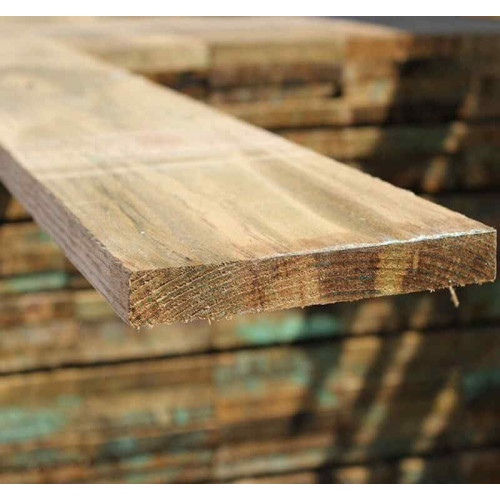
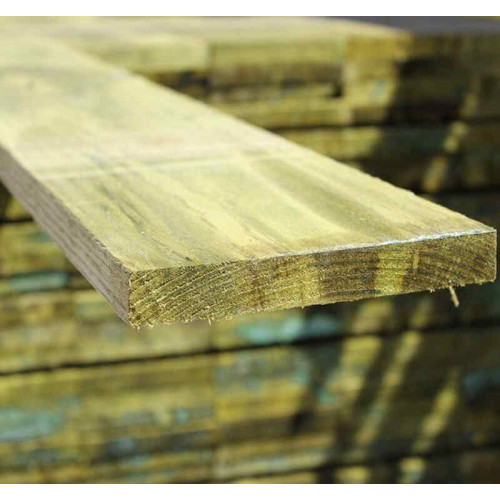
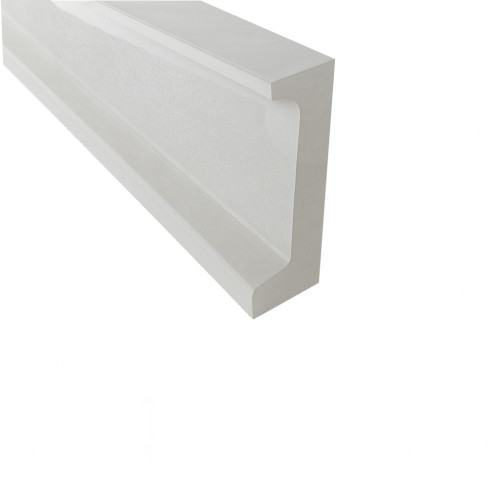
If the surface runs beside a fence, think about splashback and damp at the base. Gravel boards help lift fence panels away from moisture and grit. Concrete gravel boards are useful where the lower fence line is regularly exposed to water and debris.
Installing Permeable Block Paving
Permeable concrete block paving is a common choice for domestic driveways because it can handle regular use when installed properly.
- Assess the site: Check levels, drainage, access and any underground services.
- Excavate: Dig to the correct depth for the surface, bedding and sub-base.
- Lay geotextile if needed: A suitable membrane can separate the subgrade from the clean stone layer.
- Install the sub-base: Use clean, open-graded stone and compact it in layers.
- Add the bedding layer: Use suitable small clean grit rather than sharp sand.
- Lay the blocks: Keep the pattern neat and make clean cuts at edges.
- Fill the joints: Brush clean jointing grit into the gaps.
- Compact and top up: Compact with a suitable plate and refill joints where needed.
Installing Resin-Bound Aggregate On A Permeable Base
Resin-bound surfaces can look smart and modern, but the base matters. If resin-bound aggregate is laid over an impermeable base, the system may not drain properly.
- Set levels: Make sure the finished surface will sit below thresholds and drain correctly.
- Prepare the base: Use a suitable open-graded base or compatible permeable binder course.
- Install firm edging: Restraint is needed to keep edges neat and prevent breakdown.
- Use suitable materials: Aggregate must be clean and dry, and the resin must suit the application.
- Lay to the correct depth: Follow the product guidance for domestic paths or driveways.
- Protect while curing: Keep traffic, leaves and dirt off the surface until it has cured.
Installing A Gravel Grid Driveway
Gravel grids are a practical option where you want the look of gravel without as much movement under wheels or feet. The grid holds the gravel in place and helps spread load.
- Set out the area: Mark the driveway or path and check levels.
- Excavate and prepare: Remove soft spots, turf and loose material.
- Lay a geotextile: Use a suitable separator where needed.
- Add the sub-base: Use clean open-graded stone and compact it properly.
- Install edging: Use sleepers, kerbs or another firm restraint.
- Lay the grids: Fit them together on a level bedding layer.
- Fill with gravel: Use clean angular gravel that locks into the grid.
- Level and tidy: Brush off excess and top up any low areas.
Drainage And Overflow
Even permeable surfaces need a plan for heavy rain. In a downpour, the surface and sub-base may receive water faster than the ground can absorb it.
That is why a safe overflow route matters. Water should be directed to a soakaway, rain garden, lower planted area or another suitable place within your property. It should not be sent onto neighbouring land, the pavement or the road.
If your soil drains slowly, or if the site is steep, clay-heavy or flood-sensitive, get advice before choosing the system.
Planning Around Boundaries And Fencing
Hard landscaping can make old fencing look tired. If you are improving a driveway or terrace, it is worth checking nearby posts, panels and gates before the paving goes down.
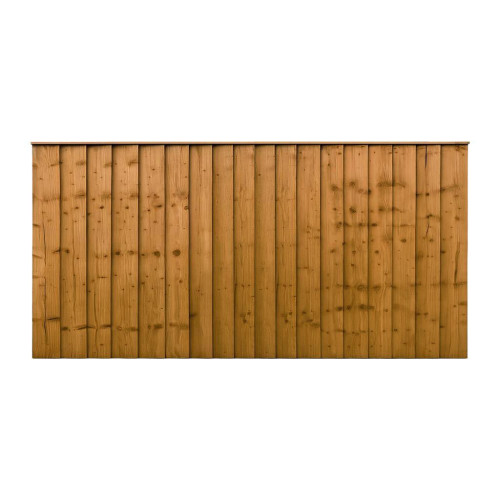
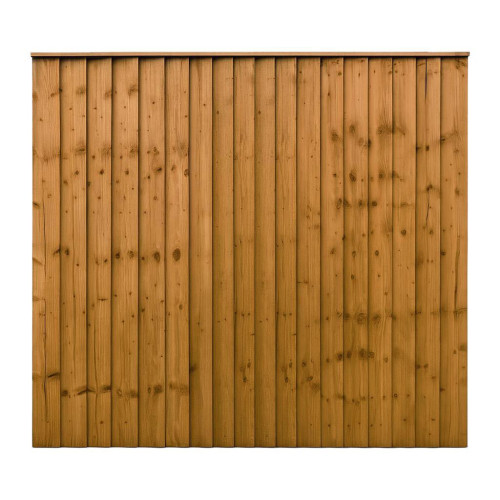
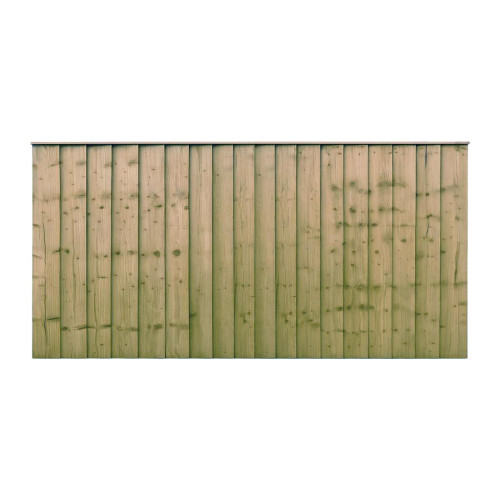
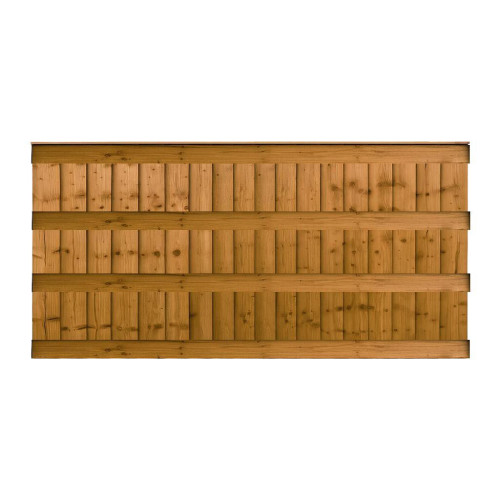
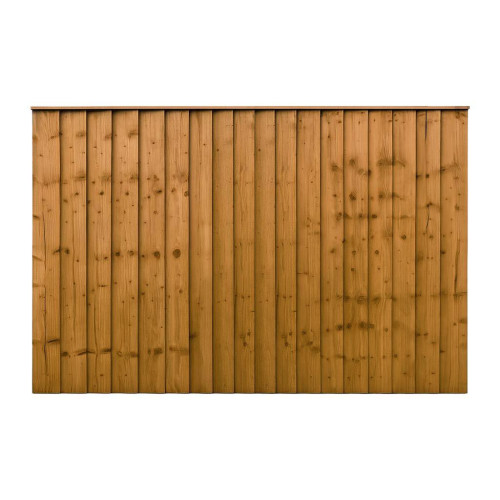
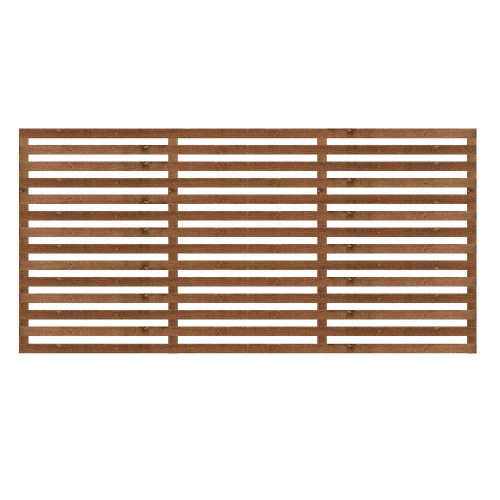
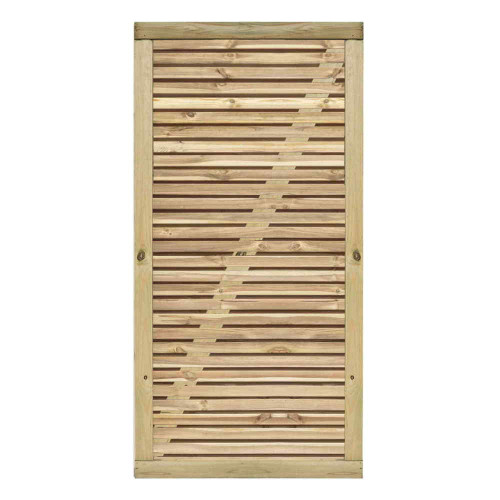
For privacy, closeboard fence panels give a solid traditional boundary. For a lighter, more modern look, double slatted fence panels or hit and miss fence panels can allow more airflow.
Where you want planting or softer screening, trellis panels, fence topper trellis, privacy square trellis, horizontal slatted trellis or diamond trellis can help soften the edge of the paved area.
Permeable Paving Cost Guide
Costs vary with access, ground conditions, system type, excavation depth, drainage and edging. The figures below are broad guide prices for straightforward domestic projects with a suitable base.
| System | Guide Installed Cost Per m² | Maintenance | Notes |
|---|---|---|---|
| Permeable block paving | £80 to £140 | Low to moderate | Joint grit may need topping up over time |
| Resin-bound on permeable base | £100 to £160 | Low | Base specification is critical |
| Gravel grids | £60 to £110 | Low | Gravel may need occasional topping up |
| Reinforced grass | £55 to £100 | Moderate | Needs lawn care and establishment time |
| Porous asphalt | £80 to £130 | Low to moderate | May need cleaning to keep pores open |
Common Permeable Paving Mistakes
| Mistake | Why It Causes Problems | Better Approach |
|---|---|---|
| Using sand or fines-heavy materials | They can clog the drainage voids | Use clean, open-graded aggregates |
| No overflow plan | Heavy rain may have nowhere safe to go | Direct overflow to a soakaway or planted area on your land |
| Weak edging | Blocks, resin edges or gravel can move over time | Use firm edging such as sleepers, kerbs or boards |
| Dirty jointing grit | Dust can reduce permeability | Use clean, dry grit and top up joints when needed |
| Unprotected fence bases | Water and grit can shorten the life of lower timber | Use gravel boards near hard surfaces |
Maintaining Permeable Paving
Permeable paving only works well if water can still pass through it. Leaves, soil, moss and dust can gradually reduce permeability if they are left to build up.
Brush or blow leaves away regularly. Keep soil and mulch from washing onto the surface from borders. For permeable block paving and porous asphalt, occasional vacuum sweeping may help lift fine material from the surface.
For block paving, check the joint grit from time to time and top it up where traffic has removed it. For gravel grids, rake and top up the gravel if any cells become exposed.
Troubleshooting Permeable Surfaces
| Issue | Likely Cause | What To Do |
|---|---|---|
| Water ponding after rain | Surface clogging or poor sub-base drainage | Clean the surface and check where water is meant to drain |
| Soft spots | Settlement or poor compaction | Lift the local area and reinstate the base properly |
| Weeds in joints | Wind-blown seeds or dirt build-up | Remove early and keep the surface clean |
| Loose gravel at edges | Weak or missing edge restraint | Improve the edging and top up the surface |
| Joint grit washing out | Traffic, cleaning or poor infill | Refill with clean suitable grit |
Privacy And Boundaries Around Drives And Paths
Driveways and paths often sit close to boundaries, so it is worth thinking about privacy, access and sightlines. A very solid front boundary may not be suitable near a road, while a very open boundary may leave the garden feeling exposed.
For front gardens, lower options such as picket fence panels can define the boundary without making the space feel closed in. For rear or side areas, stronger privacy options such as closeboard panels may be more suitable.
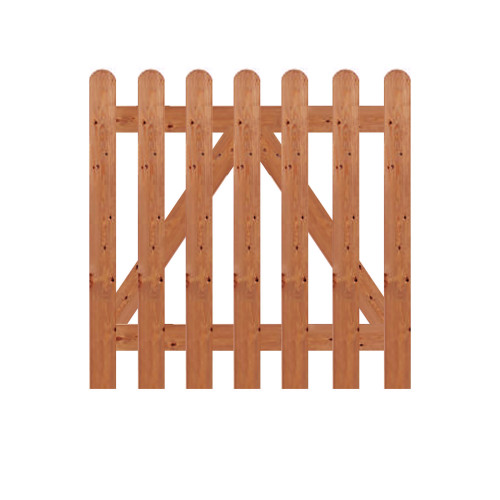
If you need regular access, plan the entrance at the same time. Suitable garden gates, gate posts and garden gate furniture will make the area more practical day to day.
Useful Categories For Permeable Paving Projects
- Railway sleepers for edging, raised beds and steps.
- Fence panels for privacy and boundary upgrades.
- Trellis panels for lighter screening and planting support.
- Fence posts for secure boundaries and screening.
- Gravel boards to protect lower fence panels near hard surfaces.
- Garden gates for access and a finished entrance.
- Screws, fixings and fasteners, ironmongery and cement products for installation and finishing work.
Pre-Start Checklist
- Measure the area: Mark the size, levels and thresholds.
- Check drainage: Work out where water will soak away or overflow safely.
- Choose the system: Pick block paving, resin-bound, gravel grids, reinforced grass or another suitable surface.
- Specify the base: Use clean, open-graded aggregates suitable for a permeable build-up.
- Plan edging: Use sleepers, kerbs or strong boards to stop movement.
- Protect boundaries: Add gravel boards where hard surfaces meet fencing.
- Check permissions: Confirm local rules if the work affects a front garden, listed property, conservation area or flood-sensitive site.
FAQs
Is gravel classed as permeable paving?
Loose gravel can be permeable if it is laid over a suitable free-draining base. Gravel grids can make the surface more stable for driveways and parking areas.
Do I need planning permission for a permeable driveway?
Not always. Permeable driveways are often easier from a planning point of view because water is managed on site. Check local guidance, especially for front gardens, conservation areas and listed properties.
Can resin-bound paving be permeable?
Yes, but only if the resin-bound surface is laid over a suitable permeable base. If it is laid over an impermeable base, water may not drain as intended.
What is the best permeable paving for a driveway?
Permeable block paving and gravel grids are common domestic driveway options. Resin-bound aggregate can also work well where the base is designed properly.
Does permeable paving need maintenance?
Yes, but it is usually simple. Keep the surface clear of leaves, soil and moss, and top up joint grit or gravel where needed.
Final Thoughts
Permeable paving works best when it is treated as a complete drainage system, not just a surface finish. The paving, bedding, sub-base, edging and overflow route all need to work together.
Choose a system that suits the site, use clean free-draining materials and plan where the water will go in heavy rain. Once the surface is sorted, finish the surrounding area with suitable edging, fencing, trellis, gravel boards and gates so the whole project looks tidy and performs properly.