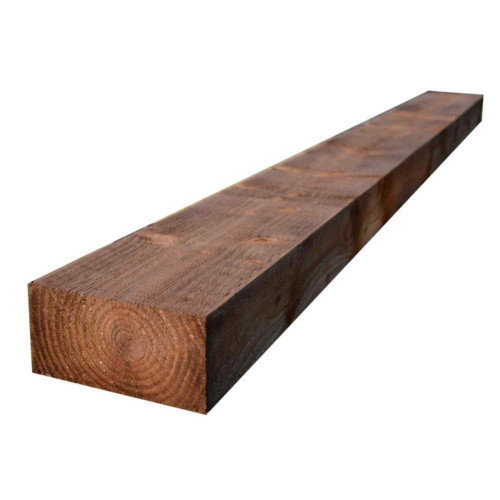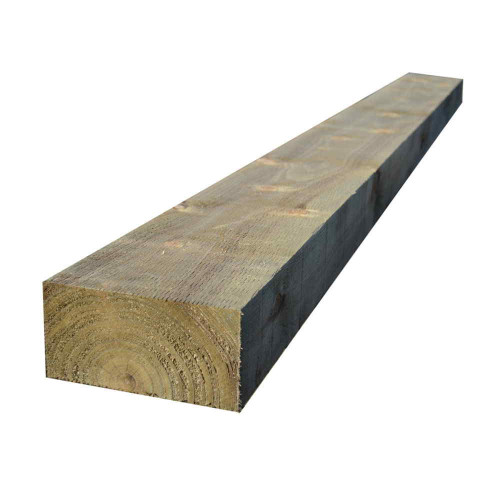




A railway sleeper retaining wall is a practical way to level a sloping garden, create raised beds or form a stronger edge for paths, patios and seating areas. Sleepers give a solid, natural look and can be easier to work with than brick or stone for many garden projects.
The important points are simple. The wall needs a firm base, suitable support, proper drainage and strong outdoor fixings. If water builds up behind the wall, or if the first course is not level, the wall is much more likely to move over time.
Quick answer: To build a sleeper retaining wall, set out the line, excavate a level trench, add and compact a suitable base, install sleepers with secure posts or fixings, then add drainage stone and a geotextile layer behind the wall. For walls above around 1 metre, poor ground, vehicle loads or steep banks, get professional advice before building.
Why Use Sleepers For A Retaining Wall?
Railway sleepers are a popular choice for garden retaining walls because they are strong, easy to handle compared with masonry, and suit a wide range of garden styles.
They work well for raised beds, terraces, steps, lawn edges and informal retaining structures. The thick timber gives a solid finish while still looking softer than concrete or brick.
Sleepers are best suited to lower garden walls where the ground pressure is manageable. For higher retaining walls, steep slopes, poor soil or areas close to driveways and buildings, the design needs more care.
Sleeper Retaining Walls At A Glance
| Wall Type | Best For | Main Benefit | What To Watch |
|---|---|---|---|
| Horizontal stacked sleepers | Straight runs, raised beds and terraces | Clean, strong garden edge | Needs secure posts, staggered joints and drainage |
| Vertical sleeper wall | Curves, tight spaces and informal edges | Can follow garden shapes more easily | Each sleeper needs setting firmly and evenly |
| Tiered sleeper walls | Sloping gardens and larger level changes | Reduces pressure compared with one tall wall | Needs enough space between levels |
| Sleeper raised beds | Vegetable beds, borders and low retaining edges | Strong, practical and decorative | Drainage and timber protection still matter |
Planning The Wall
Start with a simple plan. Mark the wall length, height, position, corners and any steps or returns. Work out where the retained soil will sit and where water will drain.
For lower walls, many practical DIYers can build a sleeper retaining wall with care. Once the wall becomes taller, or starts retaining a lot of soil, the forces behind it increase quickly. If the wall is above around 1 metre, close to a building, beside a driveway or supporting a steep bank, get professional advice before starting.
Also check for drains, cables and pipes before digging. If the wall is close to a boundary, speak to your neighbour and make sure the whole structure stays within your land.
Key Rules Before You Start
- Keep the first course level: Any error at the bottom shows through the whole wall.
- Drain behind the wall: Water pressure is one of the main causes of retaining wall failure.
- Use strong fixings: Sleepers need proper outdoor screws, bolts or brackets.
- Support the wall properly: Posts, returns, tie-backs or a tiered design may be needed.
- Do not guess with tall walls: Higher retaining walls need proper design.
Materials You May Need
The exact materials depend on the wall height, ground conditions and build method. For many garden sleeper walls, the main items are sleepers, posts, concrete, fixings, drainage stone and geotextile membrane.
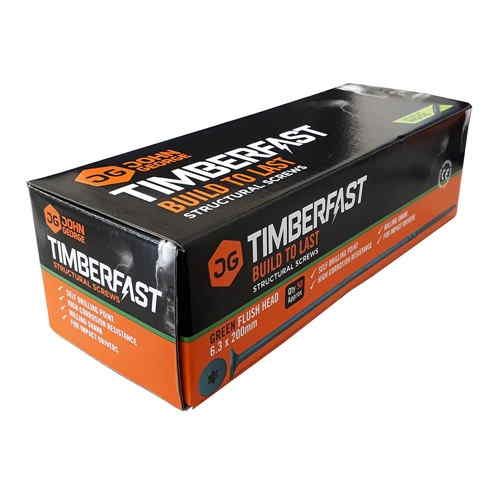
Use suitable screws, fixings and fasteners for outdoor structural work. Standard indoor screws are not suitable for retaining walls because they can rust and fail.
For posts, wooden fence posts give a matching timber look, while concrete fence posts may suit areas where durability is the main concern. Posts should be set securely with suitable cement products.
Useful Materials For Sleeper Wall Projects
| Material | Used For | Why It Matters | Useful Category |
|---|---|---|---|
| Railway sleepers | Main wall structure | Creates a strong timber face | Railway sleepers |
| Fence posts | Wall support and restraint | Helps stop the wall moving forward | Fence posts |
| Cement products | Setting posts and haunching | Keeps support posts firm | Cement products |
| Outdoor fixings | Joining sleepers and fixing to posts | Prevents movement and rust issues | Screws, fixings and fasteners |
| Ironmongery | Brackets, straps and extra bracing | Adds support in corners and hidden faces | Ironmongery |
| Gravel boards | Edging, splash protection and garden detailing | Helps protect nearby timber from wet ground | Gravel boards |
Horizontal Sleeper Retaining Walls
A horizontal sleeper wall is built by laying sleepers flat in courses. The sleepers are stacked, fixed together and restrained by posts or returns. This is one of the most common methods for raised beds, garden terraces and straight retaining runs.
The first course is the most important. It needs to sit level on a firm, compacted base. If it starts out uneven, each layer above will exaggerate the problem.
Best Uses
- Straight garden retaining walls
- Raised beds and vegetable beds
- Terraces and seating areas
- Low to medium height garden edges
How To Build A Horizontal Sleeper Retaining Wall
- Set out the line: Mark the wall position with string and pegs. Check the line is straight or follows the planned curve.
- Excavate the trench: Dig out enough depth for a compacted sub-base and the first sleeper course.
- Lay the base: Add and compact a suitable granular base so the first sleeper sits firm and level.
- Place the first course: Set the first sleepers carefully. Check level along the length and across the width.
- Install posts: Set support posts behind or in front of the wall, depending on the design. Keep them plumb and secure them with concrete.
- Add the next course: Stagger joints where possible and fix the sleepers to the course below with suitable structural fixings.
- Fix to posts: Screw or bolt the sleepers securely to the support posts.
- Build up in layers: Keep checking level, line and face as each course is added.
- Add drainage: Place clean drainage stone behind the wall and separate it from soil with geotextile membrane.
- Backfill carefully: Backfill in layers, avoiding heavy compaction directly against the wall face.
- Finish the top: Fit capping or a tidy top board if wanted, and keep soil away from sitting on exposed timber edges.
Vertical Sleeper Retaining Walls
A vertical sleeper wall, sometimes called a soldier wall, is built by standing sleepers upright in a trench. The base of each sleeper is set firmly, then the back of the wall is drained and backfilled.
This method can work well for curves, tight spaces and shorter retaining edges. It gives a different look to stacked sleepers and can create a clean vertical face.
Best Uses
- Curved garden edges
- Short retaining walls
- Informal landscaping
- Areas where horizontal courses would be awkward
How To Build A Vertical Sleeper Wall
- Dig the trench: Excavate along the wall line to a suitable depth for the sleeper bases and a compacted granular layer.
- Add the base layer: Compact a stable base so the sleepers sit evenly.
- Stand the sleepers: Place the sleepers upright and tight together, checking the front face and top line as you go.
- Set the bases: Concrete or haunch the lower section as needed for support.
- Add restraint if needed: Use tie-backs, stakes or posts where the wall needs extra support.
- Install drainage: Add clean stone behind the wall and use geotextile to separate it from the soil.
- Backfill in layers: Build up the retained soil carefully and avoid pushing the wall out of line.
- Trim and finish: Cut the tops to a consistent height if needed and treat any cut ends.
Drainage Behind A Sleeper Retaining Wall
Drainage is not optional. Retaining walls fail when water builds up behind them and pushes against the structure. Sleeper walls need a free-draining zone behind the timber so water can move away.
A practical approach is to use clean drainage stone behind the wall, separated from the soil with geotextile membrane. For longer walls, or areas where water naturally collects, a perforated drainage pipe at the base can help move water to a safe outlet.
Water should not be directed towards neighbouring land, the house or an area where it will cause another problem. Plan the outlet before building the wall.
Drainage And Support Guide
| Wall Height | Typical Base Depth | Post Spacing | Drainage Zone | Extra Advice |
|---|---|---|---|---|
| Up to 450mm | Around 150mm | Around 1.2m to 1.5m | Around 150mm | Suitable for low beds and edging |
| 450mm to 900mm | Around 150mm to 200mm | Around 1.2m | Around 200mm to 300mm | Perforated pipe is often sensible |
| 900mm to 1.2m | Around 200mm or more | Around 1.0m to 1.2m | Around 300mm | Consider professional advice before building |
| Note | These are broad guide figures for light garden use. Poor soil, steep banks, waterlogged ground and nearby loads can all change the design. | |||
Post Support And Fixings
Posts help stop the wall moving forward under ground pressure. For horizontal sleeper walls, posts are usually placed behind the wall or on the front face depending on the look and design.
Post spacing depends on the wall height, soil and load behind the wall. As a practical guide, closer spacing gives better restraint. Taller walls usually need stronger posts, deeper holes and more careful design.
Use galvanised, stainless or exterior-coated fixings suitable for outdoor structural work. Long structural screws, coach screws, bolts and suitable brackets can all be used depending on the build method.
Example Material Guide For A 3.6m Wall
These quantities are only a rough guide. Always measure your own wall and allow extra for cuts, corners, damage and site conditions.
| Wall Style | Approx. Wall Height | Sleepers | Posts | Concrete Bags | Structural Fixings |
|---|---|---|---|---|---|
| Horizontal | Around 600mm | 6 to 8 | 3 to 4 | 6 to 8 | 50 to 80 |
| Horizontal | Around 900mm | 9 to 12 | 4 to 5 | 8 to 12 | 80 to 120 |
| Vertical | Around 900mm | 18 to 20 | 0 to 2 | 8 to 12 | 20 to 40 |
Corners, Returns And Curves
Corners and returns add strength when built properly. On horizontal walls, overlap the sleepers at corners where possible, alternating the direction between courses. This helps tie the wall together.
For curves, vertical sleeper walls are often easier because each sleeper can follow the line gradually. Keep the visible face tight and consistent, and make sure each sleeper is properly supported at the base.
Returns can also help a retaining wall resist movement. A short wall returning into the bank at each end can make the whole structure feel more secure than a single unsupported straight run.
Using Sleepers For Terracing
If the garden has a large level change, several smaller sleeper walls are often better than one tall wall. Terracing reduces the pressure on each wall and creates more usable planting or seating areas.
Leave enough space between tiers for drainage, planting and access. Avoid placing one wall directly on top of another without proper design, as the lower wall may end up carrying more load than expected.
Terraced sleeper walls work well with gravel paths, steps, raised beds and planting. They can also soften the feel of a steep or awkward garden.
Protecting Timber From Moisture
Sleepers are used outdoors, but they will last longer if they are not kept in constant wet contact. Good drainage is the main protection, but detailing also helps.
- Use a granular base: This helps water move away from the lowest course.
- Protect cut ends: Treat cut faces before fitting where possible.
- Keep soil away from exposed faces: Do not pack wet soil tight against visible timber.
- Use geotextile behind the wall: This keeps soil fines from clogging the drainage stone.
- Keep airflow where possible: Avoid dense planting pressed hard against the timber.
If a sleeper wall sits close to fencing or paths, gravel boards can be useful for edging, splashback control and protecting nearby timber from damp ground.
Common Sleeper Retaining Wall Mistakes
| Mistake | Why It Causes Problems | Better Approach |
|---|---|---|
| Skipping drainage | Water pressure can push the wall forward | Use clean stone, geotextile and a safe outlet |
| Starting with an uneven first course | The wall becomes harder to correct as it gets higher | Take time setting the first course level |
| Using weak fixings | Sleepers can separate or move under pressure | Use suitable structural outdoor fixings |
| Building too high without advice | Ground pressure increases quickly with height | Terrace the garden or get professional guidance |
| No returns or restraint | A straight run can be more likely to move | Use posts, returns, tie-backs or a designed structure |
| Trapping timber in wet soil | Can shorten the life of the sleepers | Use drainage stone, membranes and treated cut ends |
Adding Trellis, Fencing Or Gates Nearby
A sleeper retaining wall often forms part of a larger garden layout. You may want screening, planting support, a gate or a fence above or behind the wall.
Be careful about adding extra load directly to a retaining wall. A fence can catch wind, and that force needs proper support. In many cases, it is better to install separate fence posts behind or beside the wall rather than fixing a fence straight into the sleepers.
For privacy or planting, trellis panels can work well behind a sleeper wall. For access between levels or garden areas, choose suitable garden gates, gate posts and garden gate furniture so the gate is supported independently.
Maintenance For Sleeper Retaining Walls
A sleeper wall should be checked regularly, especially after heavy rain or winter weather. Small issues are easier to fix before they turn into movement or rot.
- Check for movement: Look for bulging, leaning or gaps opening between sleepers.
- Clear drainage outlets: Make sure water can still escape from behind the wall.
- Remove soil build-up: Keep wet soil and mulch away from exposed timber faces.
- Check fixings: Tighten or replace any loose, rusty or failing fixings.
- Maintain the finish: Reapply a suitable exterior stain or oil if you want to slow weathering.
When To Get Professional Advice
Get advice before building if the wall is high, the garden is steep, the ground is poor, the wall is near a building, or there will be a heavy load behind it. This includes driveways, parked vehicles, large patios, sheds or significant soil pressure.
You should also be careful where water already collects on the site. A retaining wall can make drainage problems worse if it is not planned properly.
If the wall will affect a boundary, access, neighbouring land or a shared drainage route, sort the agreement before work starts.
Sleeper Wall Checklist
| Step | What To Check | Why It Matters |
|---|---|---|
| 1 | Wall height and load behind it | Higher walls need stronger design |
| 2 | Ground conditions | Wet or unstable ground affects support |
| 3 | Drainage route | Water must be able to escape safely |
| 4 | Post spacing and support | Keeps the wall restrained against soil pressure |
| 5 | Fixings | Outdoor structural fixings are needed for strength |
| 6 | Cut ends and timber protection | Helps reduce moisture damage over time |
Useful Categories For Sleeper Wall Projects
- Railway sleepers for retaining walls, raised beds, steps and edging.
- Fence posts for support posts and nearby screening.
- Wooden fence posts for a matching timber finish.
- Concrete fence posts for durable support in damp or exposed areas.
- Cement products for setting posts and haunching.
- Screws, fixings and fasteners for joining sleepers and fixing posts.
- Ironmongery for brackets, straps and extra support.
- Gravel boards for edging and splash protection near paths or fencing.
- Trellis panels for planting support and softer screening.
- Garden gates for access between garden areas.
FAQs
Can I build a sleeper retaining wall myself?
For lower garden walls, many practical DIYers can build one with careful preparation. Taller walls, poor ground, steep slopes or loads behind the wall should be checked by a professional.
Do sleeper retaining walls need drainage?
Yes. Drainage is essential. Use clean drainage stone behind the wall and consider a perforated pipe for longer or wetter sites.
How high can a sleeper retaining wall be?
Lower walls are more suitable for DIY. Once a wall approaches or exceeds around 1 metre, or if it supports a lot of soil, professional advice is sensible.
Should sleepers be horizontal or vertical?
Horizontal sleepers suit straight retaining walls, raised beds and terraces. Vertical sleepers can work well for curves, short walls and informal landscaping.
How do I stop sleepers rotting?
Use treated sleepers, protect cut ends, keep water draining away and avoid trapping wet soil against exposed timber faces.
Can I put a fence on top of a sleeper retaining wall?
It may be possible, but the wind load needs proper support. In many cases, separate fence posts behind the wall are safer than fixing panels directly into the sleepers.
Final Thoughts
A sleeper retaining wall can transform a sloping or awkward garden into a more usable space. It can create terraces, raised beds, neat path edges and seating areas while keeping a natural timber look.
The success of the wall comes down to the basics. Build on a firm base, keep the first course level, use suitable posts and fixings, and make sure water can drain away from behind the wall. For higher walls, difficult ground or heavy loads, get the design checked before starting.