





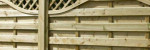

Making your garden more private does not have to mean putting up the tallest fence you can find. In many UK gardens, the best privacy comes from a careful mix of fence panels, trellis, screening, planting and layout. Done well, it can make your outdoor space feel calmer and more usable without creating tension with neighbours.
Privacy is one of the most common reasons people improve their garden boundary. Overlooking windows, low fences, open side returns, new extensions, raised patios and nearby footpaths can all make a garden feel exposed. The challenge is to solve the problem in a way that looks good, follows planning rules and does not make the neighbour feel boxed in or ignored.
This guide explains how to make your garden more private without annoying the neighbours, including fence height, trellis, slatted panels, planting, screens, pergolas, seating layouts, boundary etiquette and common mistakes to avoid.
Start by working out where privacy is actually needed
Before replacing a whole fence, identify the exact areas where privacy is missing. Many homeowners assume they need a full-height fence around the entire garden, but the real issue may only be one seating area, one window, one side path or one overlooked corner.
Walk around the garden and look from the places you actually use:
- Patio seating areas
- Dining spaces
- Hot tub areas
- Children’s play areas
- Back doors and bifold doors
- Garden offices
- Side passages
- Bin storage areas
- Raised decking
Targeted privacy is often cheaper, more attractive and less likely to cause neighbour complaints than making every boundary taller.
Check the rules before adding height
Fence height is one of the quickest ways to cause a dispute if it is handled badly. In many domestic garden situations, a fence can be up to 2 metres high without planning permission, but this is not a universal rule for every location. If the fence is next to a highway used by vehicles, including the footpath of such a highway, the usual limit is often 1 metre. Listed buildings, conservation areas, Article 4 directions, planning conditions and estate rules can also change what is allowed.
The finished height normally includes everything that forms part of the boundary structure. This can include:
- Fence panels
- Gravel boards
- Trellis panels
- Fence topper trellis
- Post caps
- Capping rails
- Raised bases
If you already have a 2 metre fence, adding trellis on top may take it above the usual permitted height. If in doubt, check with your local planning authority before spending money.
Speak to your neighbour before making a big change
You may not legally need your neighbour’s approval for every change made on your side of the boundary, but speaking to them first is usually sensible. A short conversation can prevent confusion, especially if the new screen will affect light, outlook or the appearance from their garden.
Tell them:
- What you are planning
- Where it will be installed
- How tall it will be
- Whether it affects their fence
- Whether you need access to their side
- When the work will happen
Most neighbours are more reasonable when they are told in advance rather than surprised by new fencing, screening or tall planting.
Do not attach anything to your neighbour’s fence without permission
If the fence belongs to your neighbour, you should not drill into it, paint it, attach trellis, hang planters, fix screening or train climbing plants onto it without permission. The side facing your garden may still be their property.
If you want privacy along a boundary where the fence is not yours, use independent posts or freestanding screening on your own side. This keeps the solution under your control and avoids damage to your neighbour’s fence.
Use taller fence panels where they are appropriate
For many gardens, the simplest privacy improvement is replacing low or broken fencing with taller fence panels. A 6ft fence panel is a common choice for rear garden privacy, provided the finished height is acceptable for the location.
Good options for privacy include:
- Closeboard fence panels
- Lap fence panels
- Feather edge fencing
- Hit and miss fence panels
- Slatted fence panels with tighter spacing
- Decorative fence panels with solid lower sections
Closeboard fence panels are one of the strongest choices for full privacy. Lap panels are usually more budget-friendly. Slatted fence panels can look more modern, but they may provide partial privacy rather than complete screening.
Choose closeboard panels for solid privacy
Closeboard fence panels are a reliable option when privacy is the main goal. The vertical overlapping boards create a solid screen, making them suitable for rear garden boundaries and overlooked seating areas.
They are particularly useful where you want:
- Full-height privacy
- A strong timber boundary
- A traditional garden appearance
- A more substantial feel than basic panels
- Good compatibility with concrete posts and gravel boards
Closeboard panels are heavier than basic lap panels, so they need suitable posts and secure installation. In exposed gardens, post strength is especially important.
Use slatted panels for privacy without a boxed-in feel
Slatted fence panels can improve privacy while keeping the garden feeling lighter. They are popular in modern gardens because they create clean horizontal lines and allow some light through.
Slatted fencing works well for:
- Patio screening
- Garden seating areas
- Modern boundaries
- Bin stores
- Garden room approaches
- Partial privacy between zones
The level of privacy depends on the gap between the slats and the viewing angle. If complete privacy is needed, choose the design carefully.
Use hit and miss panels in windy gardens
If your garden is exposed, a solid privacy fence can catch a lot of wind. Hit and miss fence panels allow some air to pass through while still providing screening.
They can be a good compromise where you want privacy but do not want a completely solid barrier. They also look presentable from both sides, which can help on shared boundaries where appearance matters to both neighbours.
They are not always as private as closeboard panels from every angle, but they can be more suitable in breezy locations.
Add trellis for softer privacy
Trellis can add privacy without making the garden feel as enclosed as a solid fence extension. It is especially useful when paired with climbing plants.
Popular trellis options include:
- Fence topper trellis
- Square trellis panels
- Diamond trellis panels
- Privacy trellis panels
- Slatted trellis panels
- Fan trellis for walls and corners
Trellis is a good choice where you want filtered screening, climbing plants or a lighter boundary. However, it still adds height and wind load, so it must be supported properly.
Use fence topper trellis carefully
Fence topper trellis is one of the most common ways to increase privacy. It sits on top of existing fence panels and can be used to screen upper-level views.
Before adding it, check:
- The existing fence is strong enough
- The posts can handle extra wind load
- The finished height is allowed
- The boundary belongs to you
- The trellis will not shade the neighbour excessively
- Climbing plants will not become too heavy
Adding trellis to a weak fence can shorten the life of the whole boundary. If posts are already leaning, repair or replace them first.
Use planting to create natural privacy
Plants are often the most neighbour-friendly way to add privacy. They soften hard boundaries, support wildlife and make screening feel more natural.
Good planting options include:
- Evergreen shrubs
- Bamboo in suitable contained forms
- Climbing roses
- Clematis
- Honeysuckle
- Jasmine
- Pleached trees where suitable
- Ornamental grasses
- Small trees in large planters
Choose plants carefully. Fast-growing does not always mean good. Some plants become too large, invasive or difficult to manage.
Be careful with bamboo
Bamboo is often suggested for privacy because it grows quickly and looks dense. It can work well in the right situation, but it needs careful selection and management.
Some bamboo spreads aggressively if planted directly into the ground. If it escapes into a neighbour’s garden, it can cause serious frustration. Clump-forming bamboo in large containers is often easier to control than running bamboo planted in open soil.
If using bamboo, choose the variety carefully and maintain it properly.
Use climbers without damaging the fence
Climbing plants can make a fence feel softer and more private, but they can also add weight, trap moisture and make maintenance harder. Do not let heavy climbers take over weak fence panels.
For safer planting:
- Use trellis or wires on your own side
- Keep climbers trimmed
- Avoid letting plants force panels apart
- Do not grow plants on a neighbour’s fence without permission
- Check posts and panels regularly
- Keep the base clear for airflow
Climbers can be very effective, but they should be treated as part of the fence load.
Create privacy around the seating area instead of the boundary
Sometimes the best solution is not to change the boundary at all. Screening the seating area can provide privacy exactly where it is needed.
Options include:
- Freestanding timber screens
- Slatted garden screens
- Planters with trellis
- Pergolas with side screening
- Outdoor curtains
- Large containers with shrubs
- Decorative panels around a patio
This approach can be more neighbour-friendly because it avoids raising the whole boundary. It can also make the seating area feel more intentional and sheltered.
Use a pergola for overhead and side privacy
A pergola can provide structure and privacy without feeling like a high wall. It works especially well over dining areas, outdoor sofas and hot tub spaces.
Privacy can be added with:
- Slatted side panels
- Trellis panels
- Climbing plants
- Retractable screens
- Lightweight outdoor fabric
- Planters around the posts
Check planning rules if the pergola is large, close to a boundary or forms part of a raised platform. Also consider shade and outlook for neighbours.
Use raised planters for instant screening
Raised planters can add privacy quickly, especially when combined with trellis or tall planting. They work well on patios, along low walls and beside seating areas.
Raised planters are useful because they:
- Create height without replacing the whole fence
- Can be moved or adjusted in some cases
- Soften hard boundaries
- Support climbers and shrubs
- Improve privacy at eye level
Make sure planters are stable, well-drained and suitable for the mature size of the plants.
Use screening panels for awkward gaps
Many privacy problems come from small gaps rather than entire boundaries. A side gate, low return fence, bin area or opening between structures may be the weak point.
Screening panels can solve these awkward areas without major work.
Useful options include:
- Slatted screening panels
- Trellis panels
- Decorative fence panels
- Low fence panels
- Timber battens
- Side gate upgrades
Small improvements can make a garden feel much more private without changing the whole boundary.
Think about sightlines, not just height
Privacy is about blocking views, not simply adding height everywhere. A screen only needs to interrupt the sightline between the viewer and the area you want to protect.
For example, a screen beside a patio may be more effective than a taller rear fence. A small tree in the right place may block an upper window better than adding another foot of fencing.
Look from the neighbour’s likely viewpoint where possible, but stay respectful and do not intrude. Then place screening where it will actually work.
Use darker fence colours to make boundaries less obvious
Fence colour can affect how private a garden feels. Darker colours such as black, charcoal, deep brown or dark green often make boundaries visually recede, especially when paired with planting.
A dark fence behind greenery can make the garden feel deeper and more enclosed without physically increasing the height.
Painting or staining a fence can be useful if:
- The garden feels exposed
- The fence looks patchy
- You want planting to stand out
- You want a more modern look
- You want different fence styles to feel consistent
If the fence belongs to your neighbour, ask permission before painting it.
Use garden layout to improve privacy
Garden layout can make a big difference. Moving a seating area slightly can reduce overlooking without adding any fence height.
Consider:
- Moving seating closer to the house
- Turning benches away from exposed boundaries
- Using planters behind chairs
- Creating a screened corner
- Placing dining areas under a pergola
- Using sheds or garden rooms as visual blockers
- Adding low planting to guide views
Sometimes privacy is improved by changing how the space is used, not by building a bigger barrier.
Make side passages more private
Side passages are often overlooked from neighbouring windows or visible from the street. A simple gate or screen can make them feel more secure and private.
Options include:
- A taller side gate where allowed
- Feather edge gates
- Closeboard side gates
- Slatted side screens
- Fence panels between house and boundary
- Trellis with climbers
Make sure any gate is secure, easy to operate and does not block required access.
Improve privacy around bins and storage
Privacy is not only about people looking into seating areas. Screening bins, tools and garden storage can make the whole garden feel tidier.
Good options include:
- Low fence panels
- Slatted bin screens
- Hit and miss panels
- Trellis with evergreen climbers
- Small timber enclosures
- Side return fencing
Keep practical access in mind. A screen that makes bins difficult to move will become annoying quickly.
Do not block too much light
Privacy should not make the garden gloomy. Tall solid fencing and dense evergreen planting can reduce light, especially in small gardens.
To keep privacy without over-darkening the garden, consider:
- Trellis instead of solid panels at the top
- Slatted panels for filtered light
- Planting with open structure
- Targeted screens rather than full boundary height
- Lighter colours in shaded areas
- Keeping tall planting away from the darkest corners
A private garden should still feel comfortable, bright and usable.
Keep maintenance in mind
Some privacy solutions look good at first but become a problem if they are hard to maintain. Dense climbers, tall hedges and bamboo can quickly become too much work.
Before choosing a solution, ask:
- Will it need regular trimming?
- Can I access both sides?
- Will it damage the fence?
- Will leaves collect at the base?
- Will it block gutters or drains?
- Will it annoy the neighbour in a few years?
- Can I repair the fence behind it?
Low-maintenance privacy is usually better than a quick fix that becomes overgrown.
Be careful with fast-growing hedges
Hedges can create excellent privacy, but they need space and maintenance. Leylandii and other fast-growing conifers can quickly become too tall, too wide and difficult to manage.
If you want a hedge, choose a species that suits the garden size and your maintenance routine. Keep it trimmed before it becomes a neighbour issue.
A mixed screen of shrubs and trellis is often more manageable than a single fast-growing hedge along a tight boundary.
Use pleached trees carefully
Pleached trees can provide high-level privacy, especially where upper windows overlook a garden. They can look elegant and structured, but they are not the right choice for every site.
Consider:
- Mature height and spread
- Root space
- Pruning needs
- Impact on light
- Distance from boundaries
- Neighbour outlook
- Cost
Pleached trees are effective but should be planned carefully rather than bought on impulse.
Use temporary privacy while plants grow
Planting takes time to establish. If you need privacy now but want a natural screen long term, combine temporary and permanent solutions.
Options include:
- Trellis with young climbers
- Planters with seasonal screening
- Freestanding slatted screens
- Reed or brushwood screening as a short-term measure
- Large container shrubs
Temporary screening should still be secured properly and kept tidy. Loose screening can look poor and fail in wind.
Avoid making the neighbour feel shut in
Even if your privacy solution is allowed, it can still cause resentment if it feels aggressive. A tall blank wall of fencing directly beside a neighbour’s small patio may not be the best approach.
Neighbour-friendly privacy usually means:
- Using targeted screening
- Avoiding unnecessary height
- Choosing attractive materials
- Maintaining both sides where possible
- Managing plants properly
- Discussing major changes in advance
- Avoiding sudden loss of light
The best privacy improvements solve your problem without creating a new one next door.
Best privacy ideas for small gardens
Small gardens need careful privacy planning because tall fences and dense planting can make them feel cramped.
Good options include:
- Slatted panels
- Dark fence colours with planting
- Corner seating screens
- Trellis with light climbers
- Planters with compact shrubs
- Pergola screens over seating areas
- Mirrored or layered planting effects used carefully
In a small garden, screen the view you dislike rather than enclosing every side heavily.
Best privacy ideas for overlooked gardens
If your garden is overlooked from upstairs windows, standard fencing may not solve the issue. You may need higher-level screening in specific locations.
Options include:
- Pergolas over seating areas
- Pleached trees
- Tall planters near patios
- Slatted screens at seating height
- Shade sails where suitable
- Climbing plants over a frame
- Strategic small trees
Focus on screening the area where you sit, eat or relax, rather than trying to block every upper window view across the whole garden.
Best privacy ideas for new-build gardens
New-build gardens often feel exposed because planting is young, fences may be low, and neighbouring houses can be close together.
Useful upgrades include:
- Replacing weak panels with stronger fence panels where allowed
- Adding trellis within permitted height
- Planting evergreen shrubs
- Using slatted screens around patios
- Adding a pergola to the main seating area
- Painting the fence a darker colour
- Creating layered planting along boundaries
Check any estate covenants or management rules before changing front boundaries or visible fencing.
Best privacy ideas for rental properties
If you rent, check with the landlord before changing fences, drilling into posts or planting permanent hedges.
Temporary privacy options may include:
- Freestanding planters
- Container shrubs
- Portable screens
- Lightweight trellis in planters
- Outdoor curtains on freestanding frames
- Potted bamboo in contained planters
Choose options that can be removed without damaging the property.
Common mistakes when trying to make a garden private
Privacy projects often go wrong when people focus only on height and ignore rules, structure or neighbour relations.
Common mistakes include:
- Adding trellis above the allowed height
- Attaching screening to a neighbour’s fence without permission
- Using weak posts for extra height
- Choosing solid panels in a very windy garden
- Planting invasive bamboo
- Letting hedges grow too tall
- Blocking too much light
- Ignoring sightlines
- Screening the whole garden when only one area needs privacy
- Using cheap temporary screening that falls apart
- Forgetting future maintenance
- Not speaking to neighbours before major changes
A good privacy solution should be legal, stable, attractive and manageable.
Garden privacy checklist
Use this checklist before buying materials:
- Identify the exact privacy problem
- Check who owns the boundary fence
- Check fence height rules
- Check whether trellis counts towards total height
- Speak to neighbours where appropriate
- Choose between fencing, trellis, screening or planting
- Check wind exposure
- Use strong posts for any added height
- Keep plants manageable
- Avoid attaching anything to a neighbour’s fence without consent
- Think about light and outlook
- Plan maintenance access
- Choose materials that suit the garden style
Frequently asked questions
What is the quickest way to make a garden more private?
The quickest options are usually taller fence panels where allowed, freestanding screens, trellis panels, large planters or targeted screening around a seating area. The best choice depends on where the overlooking comes from.
Can I add trellis to the top of my fence?
You may be able to add trellis if the fence belongs to you, the posts are strong enough and the finished height complies with planning rules. Do not add trellis to a neighbour’s fence without permission.
Does trellis count towards fence height?
Yes. Trellis normally counts as part of the overall height of the fence or boundary structure.
How high can a garden fence be for privacy?
In many rear garden situations, the usual permitted height is up to 2 metres, but there are exceptions. Boundaries next to a highway used by vehicles are often limited to 1 metre without planning permission. Check locally if unsure.
What are the best fence panels for privacy?
Closeboard fence panels are one of the best timber options for full privacy. Lap panels can also provide privacy at a lower cost. Slatted panels provide a more modern look but may offer partial privacy depending on the gaps.
How can I make my garden private without a high fence?
Use targeted screens, trellis, pergolas, planters, climbers, shrubs, small trees and layout changes. Screening the seating area is often more effective than raising every boundary.
Can I put up a screen in front of my neighbour’s fence?
In many cases, yes, if the screen is fully on your land, independent, safe and within height rules. Do not attach it to the neighbour’s fence without consent.
What plants are best for garden privacy?
Evergreen shrubs, climbers, pleached trees, ornamental grasses and container shrubs can all work. The best plant depends on garden size, light, soil and maintenance.
Will privacy planting annoy neighbours?
It can if it becomes too tall, spreads into their garden, blocks light or is not maintained. Choose manageable plants and keep them trimmed.
How do I avoid neighbour disputes over privacy screens?
Check ownership, follow height rules, avoid attaching to their property, speak to them before major changes and choose solutions that do not block unnecessary light or outlook.
Final thoughts
The best way to make a garden more private is not always to build the highest possible fence. Better results often come from targeted screening, carefully chosen fence panels, trellis, planting and thoughtful garden layout.
Closeboard fence panels can provide solid privacy, slatted panels can create a modern screen, trellis can soften boundaries, and planting can make the garden feel more natural. For overlooked seating areas, pergolas, raised planters and freestanding screens may solve the problem more effectively than changing the whole fence line.
Good privacy design should also be neighbour-friendly. Check the rules, respect boundary ownership, avoid unnecessary height and keep plants under control. A private garden should feel comfortable and sheltered, not like a source of dispute.