



Post spacing is one of the most important parts of building a strong fence. If the posts are too far apart, panels can move, rails can sag and fixings can work loose in the wind. If the posts are too close together, the fence may cost more than it needs to without giving much extra benefit.
For most standard UK fence panels, the spacing is simple. The clear gap between posts should match the panel width. For common 6ft wide panels, that means a clear gap of 1.83m between the inside faces of the posts.
Quick answer: For standard 1.83m wide fence panels, set posts with a 1.83m clear gap between the inside faces. If you are marking post centres, add the post width. With 100mm posts, that gives around 1.93m centre to centre. For windy sites, taller fences or built-on-site fencing, spacing may need to be reduced.
Clear Gap Vs Centre-To-Centre Spacing
There are two common ways to measure fence post spacing. Both are useful, but it is important not to mix them up.
- Clear gap: The distance between the inside faces of two posts. For panels, this should match the panel width.
- Centre-to-centre: The distance from the centre of one post to the centre of the next post. This equals the clear gap plus one post width.
For example, if the panel is 1.83m wide and you are using 100mm posts, the centre-to-centre spacing is around 1.93m. If you are using 125mm posts, it is around 1.955m.
If you are unsure, use the clear gap. It is the safest measurement when fitting fence panels, especially with slotted concrete posts.
Fence Post Spacing At A Glance
| Fence Type | Typical Height | Usual Clear Gap | Centres With 100mm Posts | Windy Or Exposed Sites |
|---|---|---|---|---|
| Standard fence panels | 0.9m to 1.8m | 1.83m | Around 1.93m | Consider reducing to around 1.75m to 1.8m |
| Built-on-site closeboard fencing | 1.2m to 2.0m | Often based on rail length | Around 2.4m to 2.5m centres in sheltered areas | Reduce rail span to around 2.1m to 2.25m |
| Slatted fencing | 1.2m to 1.8m | Around 1.8m | Around 1.9m | Reduce to around 1.6m to 1.75m |
| Hit and miss fencing | 1.5m to 1.8m | Around 1.8m | Around 1.9m | Reduce to around 1.6m to 1.75m |
| Picket fencing | 0.9m to 1.2m | Around 1.5m to 1.8m | Around 1.6m to 1.9m | Reduce to around 1.2m to 1.5m |
Standard Fence Panel Spacing
Most UK fence panels are made to fit a 1.83m bay. This applies to many common panel styles, including closeboard panels, waney lap panels, decorative panels and many slatted styles.
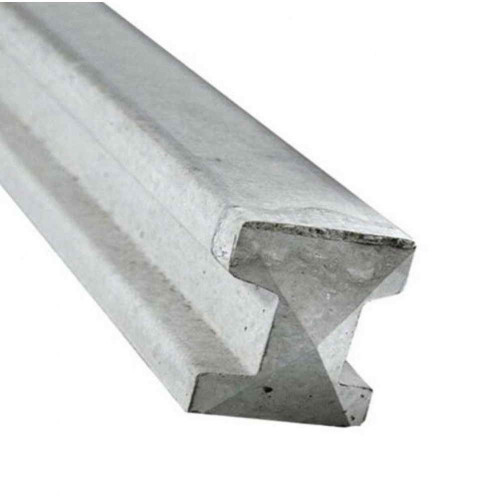
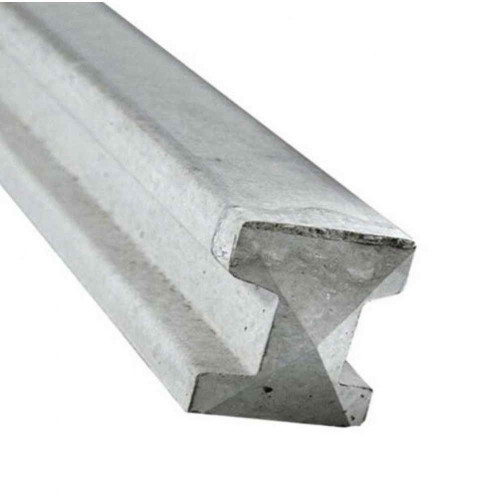
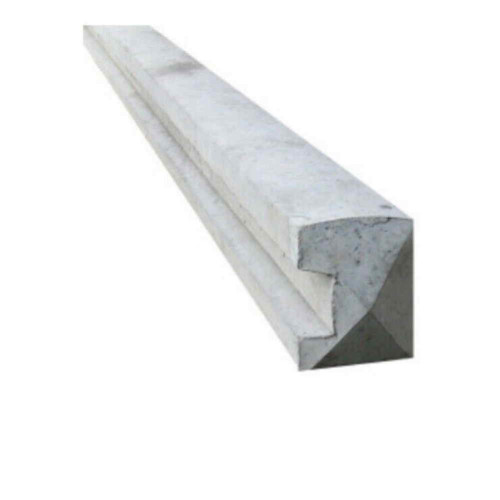
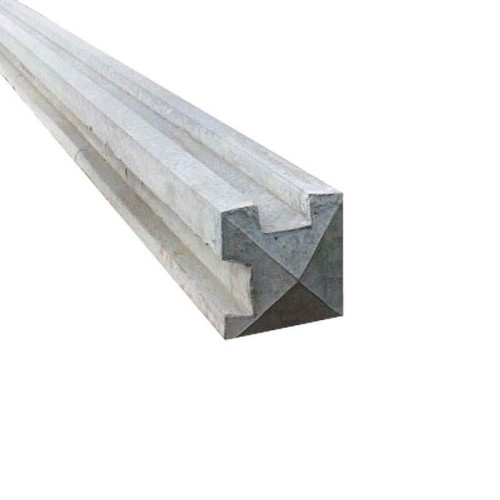
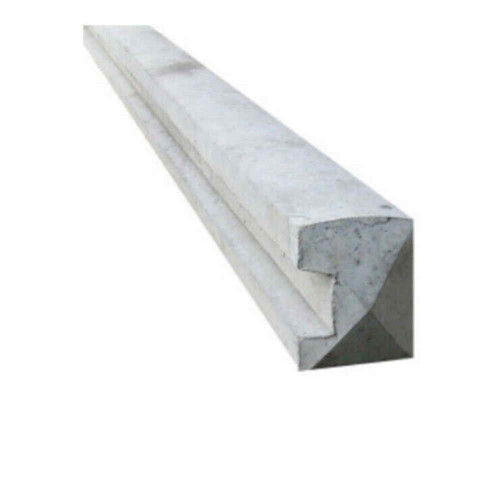
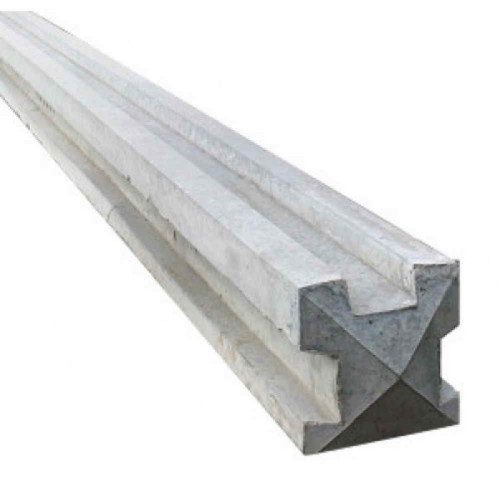
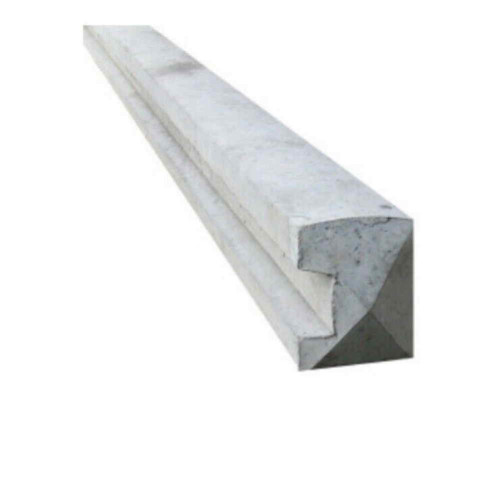
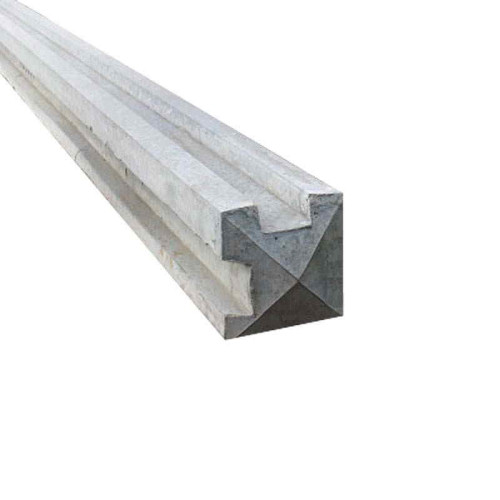
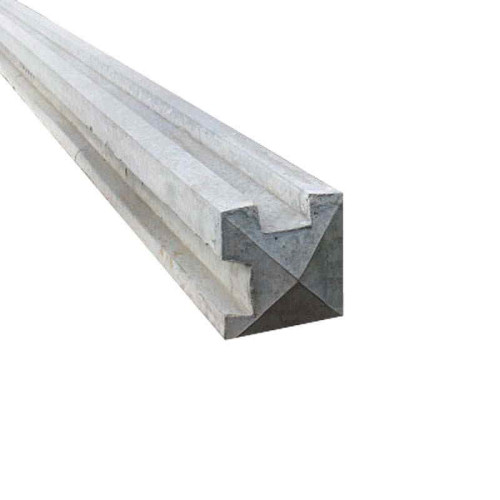
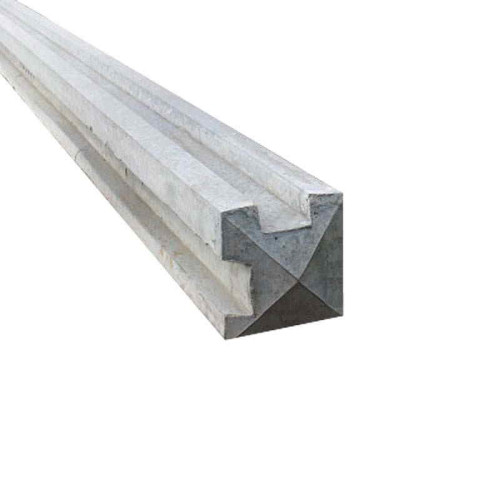
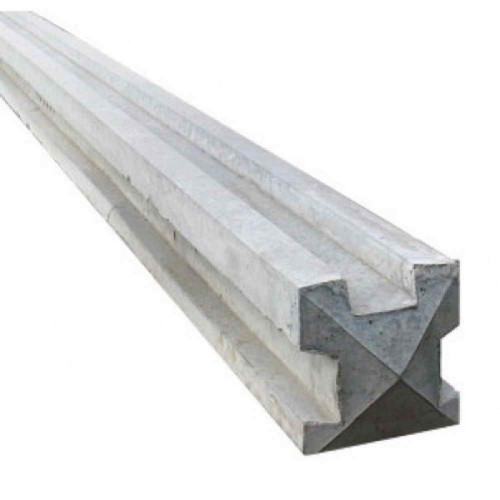
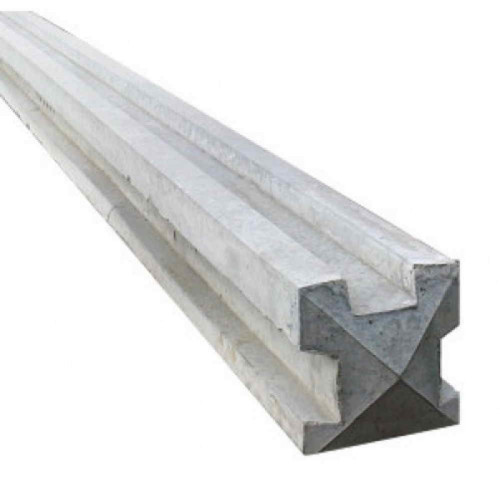
For slotted concrete posts, the panel and gravel board slide into the post slots, so the clear gap needs to be accurate. If the posts are too close, the panel will not fit. If they are too far apart, the panel may rattle or sit poorly.
For timber posts, you usually have a little more flexibility because the panel is fixed to the post face. Even so, it is still best to keep the clear gap correct so the fence line stays neat and consistent.
Does Post Material Change The Spacing?
The post material does not usually change the standard bay width. Both timber and concrete posts can be used with standard 1.83m panels.
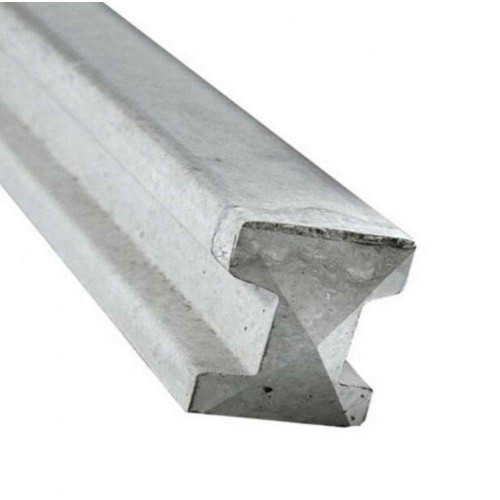
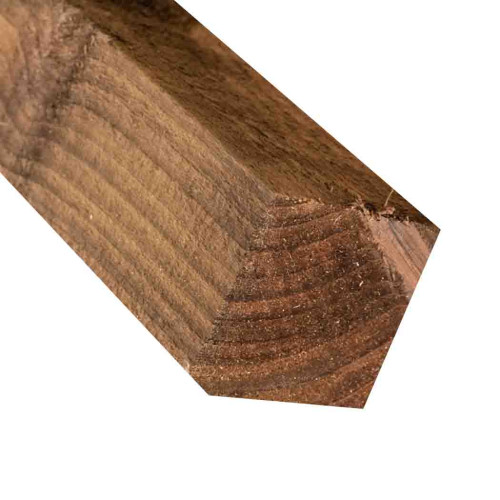
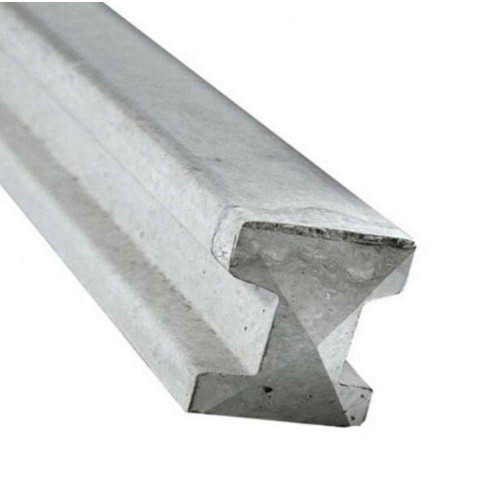
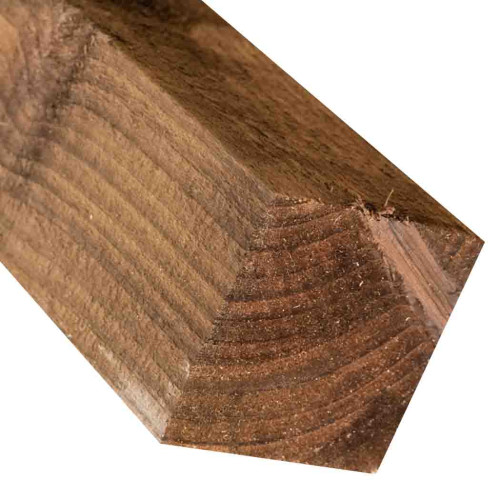
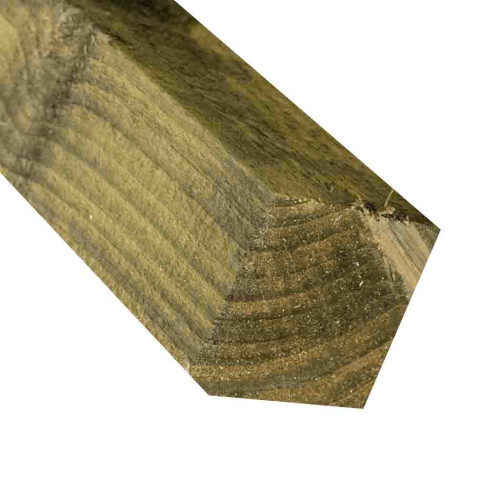
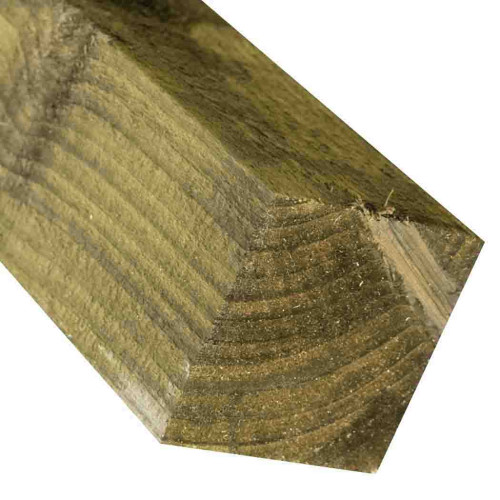
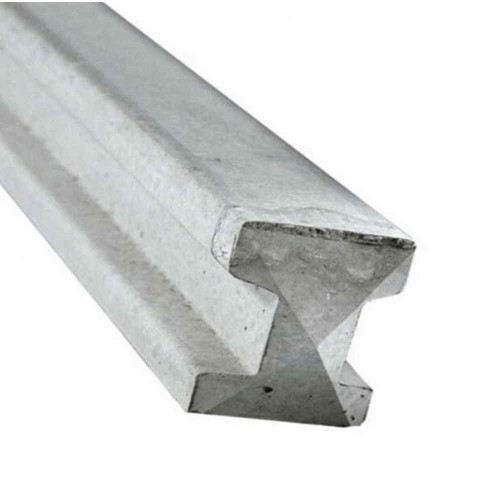
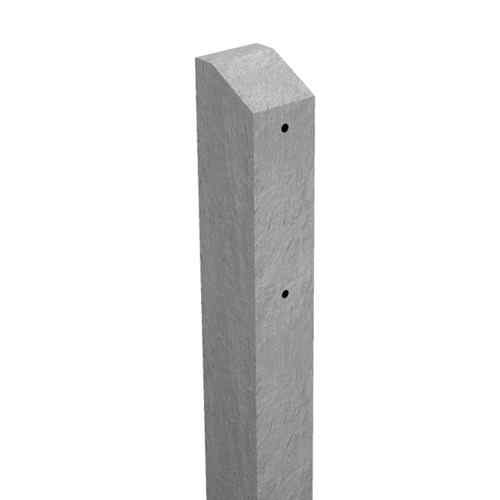
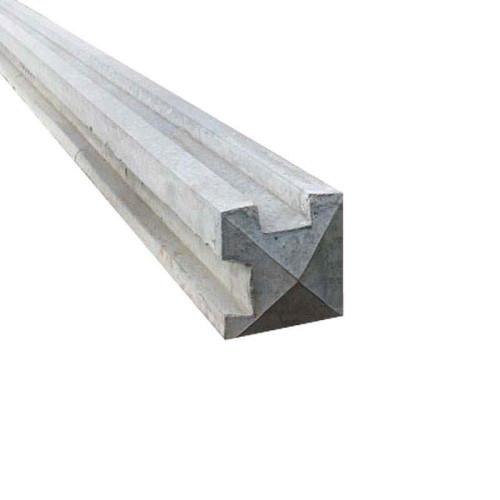
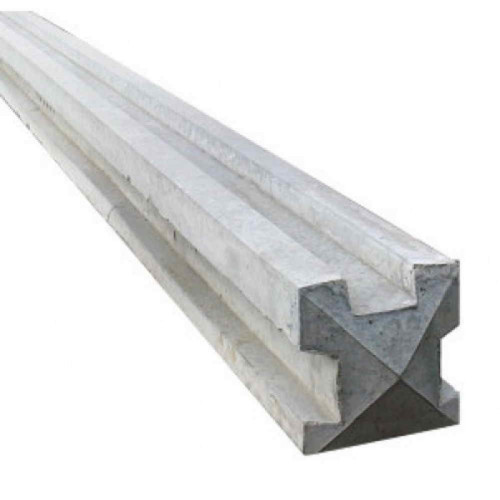
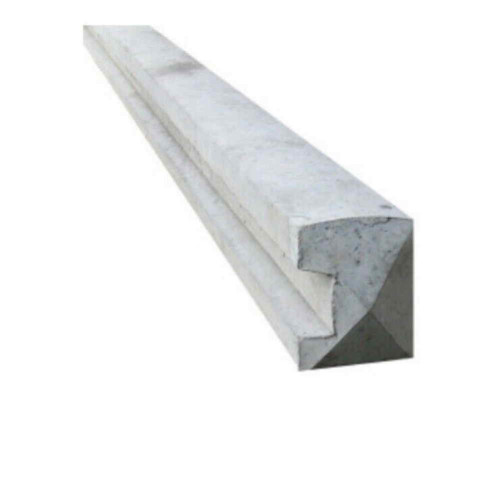
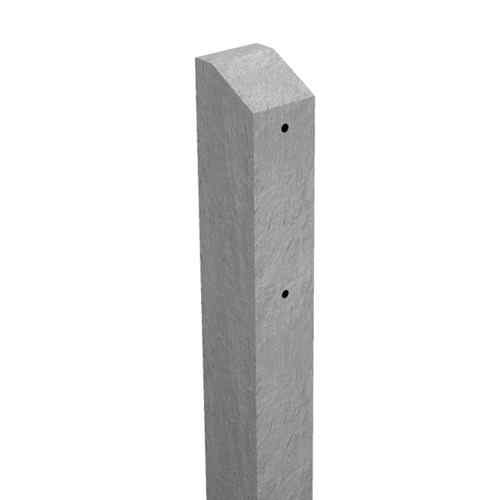
The choice affects durability, appearance and installation method rather than the panel width itself. Wooden fence posts give a traditional timber finish and are easy to cut and fix into. Concrete fence posts are more durable and work well with slotted panels and gravel boards.
If you are using larger posts, remember to adjust centre-to-centre spacing. The clear gap stays the same, but the centre measurement changes with post width.
Post Width And Centre Spacing
| Panel Width | Post Width | Clear Gap | Centre-To-Centre Spacing |
|---|---|---|---|
| 1.83m | 75mm | 1.83m | Around 1.905m |
| 1.83m | 100mm | 1.83m | Around 1.93m |
| 1.83m | 125mm | 1.83m | Around 1.955m |
| 1.8m | 100mm | 1.8m | Around 1.9m |
Fence Height And Post Depth
Post spacing is only part of the job. A fence also needs the right post section and enough post in the ground.
As a general guide, taller fences need stronger posts and deeper holes. For many 1.8m garden fences, posts are often set around 600mm to 750mm into the ground, depending on the post length, soil and exposure.
Soft ground, exposed positions and heavier panels may need deeper holes, larger post sections or stronger support. Suitable cement products help keep posts firm once they are set.
Post Size, Depth And Spacing Guide
| Fence Height | Typical Post Section | Typical Buried Depth | Panel Bay Clear Gap | Centres With 100mm Posts |
|---|---|---|---|---|
| 0.9m | 75mm to 100mm | Around 450mm to 500mm | 1.83m | Around 1.93m |
| 1.2m to 1.5m | Around 100mm | Around 550mm to 600mm | 1.83m | Around 1.93m |
| 1.8m | 100mm to 125mm | Around 600mm to 750mm | 1.83m | Around 1.93m to 1.955m |
| 2.0m plus | 125mm or larger | Around 750mm to 900mm | Often reduced to 1.6m to 1.8m | Around 1.7m to 1.9m |
Spacing For Windy Or Exposed Gardens
Wind makes a big difference to fencing. A sheltered back garden can often use standard spacing without issue. An open boundary, coastal garden, hilltop or long exposed run may need a stronger setup.
In exposed areas, reducing the bay width can reduce strain on panels, rails, posts and fixings. It is also worth using stronger posts, heavier panels and suitable outdoor screws, fixings and fasteners.
Wind Exposure Spacing Guide
| Exposure Level | Panel Bay Clear Gap | Built-On-Site Closeboard Rail Span | Practical Advice |
|---|---|---|---|
| Sheltered garden | 1.83m | Around 2.4m | Standard spacing is usually suitable |
| Moderately exposed | Around 1.75m to 1.8m | Around 2.1m to 2.25m | Use stronger posts and fixings |
| Highly exposed | Around 1.6m to 1.7m | Around 1.8m to 2.0m | Consider concrete posts or a stronger fence design |
Spacing For Closeboard Fencing Built On Site
Closeboard fencing built on site is different from using pre-made fence panels. Instead of working to a panel width, the spacing is usually based on rail length and fence height.
In sheltered gardens, closeboard rails often span around 2.4m between posts. In windy areas or taller fences, it is better to reduce the span. Shorter rail spans help reduce sagging and give the fence more support.
Built-on-site closeboard fencing is useful for uneven ground, awkward corners and non-standard runs because you can cut rails and feather edge boards to suit the layout. Categories such as cant rails, square rails and feather edge boards are useful for this type of build.
Spacing For Slatted And Hit And Miss Fencing
Slatted and hit and miss fencing can allow more airflow than solid panels, but the posts and fixings still need to be strong enough. The rails or boards can still move if the span is too wide.
For many slatted or hit and miss panels, a clear gap of around 1.8m is common. On exposed sites, reducing the bay to around 1.6m to 1.75m can make the fence more stable.
Double slatted fence panels and hit and miss fence panels are often chosen where airflow matters, but post spacing and foundation depth still need proper planning.
Spacing For Picket Fencing
Picket fencing is usually lower than privacy fencing, so it can often use slightly shorter posts and shallower foundations. Post spacing is commonly around 1.5m to 1.8m, depending on the panel or rail setup.
If the fence is likely to be leaned on, climbed by children or pushed by dogs, shorter spacing can help make it stronger. For exposed front gardens, shorter bays can also make the run feel more secure.
For front boundaries, picket fence panels can give a neat finish while keeping the space more open.
Do Gravel Boards Change Post Spacing?
No, gravel boards do not usually change the post spacing. They sit below the panel and help protect the timber from ground moisture and splashback.
For standard panel fencing, the gravel board normally fits into the same bay as the panel. This means the clear gap between posts remains the same.
Gravel boards are still worth planning from the start because they affect the overall fence height and the post length you need. Concrete gravel boards are a durable option, while wooden gravel boards give a more traditional timber finish.
Post Spacing On Slopes
On sloping ground, the same basic spacing rules apply, but the layout needs more care.
For a stepped fence, each panel stays level and the fence drops down in steps. Keep the clear gap consistent, but adjust post height to suit each bay.
For a raked fence, the fence follows the slope. This can work with some panel types and built-on-site fencing, but not every panel is suitable. With slotted concrete posts, there may be limited tolerance for raking, so check before setting posts permanently.
On steep slopes, shorter bays can look neater and reduce awkward gaps. Gravel boards can also help tidy up uneven ground below the panels.
Corners, Returns And Odd Bays
Not every fence run divides neatly into full 1.83m bays. If the run length leaves a small leftover section, it is usually better to plan one shorter bay than to let small errors spread across the whole run.
Use shorter bays near corners, returns or gates where they look natural. Another option is to use a built-on-site closeboard section to absorb the awkward distance, then return to standard panels for the rest of the run.
Do not force panels into bays that are too narrow or too wide. It usually leads to poor fixing, gaps or a fence line that looks uneven.
Gate Bays Need Different Spacing
Gate openings should be planned separately from normal fence bays. The clear gap needs to suit the gate width, hinges, latch and any clearance needed for movement.
Use proper gate posts rather than relying on ordinary fence posts for heavy gates. A gate puts twisting force on the post every time it opens and closes.
Choose suitable garden gates and garden gate furniture at the planning stage so the opening can be marked accurately before digging.
How To Set Out Fence Posts Accurately
- Mark the fence line: Use string between the start and end points so the run stays straight.
- Measure the total run: Work out how many full bays will fit and where any shorter bay should go.
- Choose your measurement method: Use either clear gaps or centres, and stick to one method.
- Set the first post: Make sure it is plumb, secure and correctly positioned.
- Dry fit the first bay: Use a panel, gravel board or spacer to check the gap before setting the next post.
- Check every few bays: Small errors can build up, so remeasure regularly.
- Plan gates and corners separately: Do not let gate openings disturb the rest of the spacing.
Worked Examples For Standard Panel Runs
The examples below assume standard 1.83m panels and one post at each end of the run. Actual site measurements may need a shorter bay or adjustment around gates and corners.
| Run Length | Standard Panels | Posts Needed | Gravel Boards | Notes |
|---|---|---|---|---|
| 9.15m | 5 | 6 | 5 | Five full 1.83m bays |
| 11.0m | 6 | 7 | 6 | May need trimming or a small adjustment |
| 13.5m | 7 | 8 | 7 | Plan the leftover length carefully |
| 18.3m | 10 | 11 | 10 | Ten full 1.83m bays |
Fixings And Hardware
The wider or taller the bay, the harder the fixings work. Use outdoor-grade fixings that are suitable for the post, panel and rail type.
For timber posts, panels are usually fixed with exterior screws or brackets. For concrete slotted posts, standard panels normally sit in the slot and do not need screwing to the post.
Use suitable screws, fixings and fasteners and outdoor ironmongery where brackets, rails or gates are being fitted.
Typical Fixing Guide
| Connection | Typical Fixing | Practical Note |
|---|---|---|
| Panel to timber post | Exterior screws or panel brackets | Use enough fixing points to stop panel movement |
| Rail to timber post | Coach screws, bolts or structural screws | Use washers where needed for better bearing |
| Bracket to post | Galvanised or exterior-rated fixings | Choose fixings suitable for outdoor use |
| Panel in concrete post | Usually no fixings needed | Panels and boards sit in the post slots |
| Gate to gate post | Suitable hinges and bolts | Match hardware to gate size and weight |
Concrete Quantities For Fence Posts
Concrete quantities depend on hole size, soil type and post size. A taller fence, larger post or loose ground will usually need a larger hole and more concrete.
As a broad guide, many 1.5m to 1.8m garden fences use holes around 250mm to 300mm wide and around 600mm to 750mm deep. Always check the site conditions before digging and setting posts.
| Hole Width | Hole Depth | Typical Fence Height | Approx. 20kg Bags | Notes |
|---|---|---|---|---|
| Around 250mm | Around 600mm | 1.2m to 1.5m | Around 2 | For firm ground and lighter fencing |
| Around 300mm | Around 700mm | Around 1.8m | Around 2 to 3 | Common for standard garden fencing |
| 300mm plus | Around 750mm to 900mm | 2.0m plus or exposed sites | Around 3 to 4 | Useful for soft ground or heavier posts |
Working Over Concrete Or Hardstanding
If you cannot dig a post hole, fence post supports may be an option. Bolt-down supports can work on strong, stable concrete, while drive-in supports are used in some soil conditions.
These supports are usually best for lighter fencing, lower screens or non-critical areas. For taller fences, heavy panels or exposed boundaries, dug-in and concreted posts are normally stronger.
Fence post spikes and supports can be useful, but the base or ground must be suitable for the load.
Common Fence Post Spacing Mistakes
| Mistake | Why It Causes Problems | Better Approach |
|---|---|---|
| Using centre measurements as clear gaps | Posts end up too close together for the panel | Decide on one measuring method before marking out |
| Not measuring the actual panel | Panel sizes can vary slightly | Measure the first panel before setting the second post |
| Letting small errors build up | The final bay becomes awkward or too narrow | Check spacing every few bays from a fixed start point |
| Using standard spacing on exposed sites | Wind can put too much strain on panels and posts | Reduce spacing and upgrade posts where needed |
| Ignoring post depth | A correctly spaced fence can still lean if posts are shallow | Use suitable post length, hole depth and concrete |
| Forgetting gravel boards | Panels can sit too close to damp ground | Plan gravel boards and overall height from the start |
Choosing Timber Or Concrete Posts
Both timber and concrete posts can be used for standard fence panel spacing. The right choice depends on the look you want, the ground conditions and how long you want the fence to last.
Concrete posts are a strong option for long runs, wet ground and exposed areas. Timber posts are easier to handle and give a warmer, traditional finish.
If you use timber posts, keeping panels lifted away from wet ground with gravel boards can help reduce moisture problems. If you want a lower-maintenance base, concrete posts and concrete gravel boards are often a practical pairing.
Useful Categories For Fence Spacing Projects
- Fence posts for standard garden fence runs.
- Wooden fence posts for a traditional timber finish.
- Concrete fence posts for durable slotted fencing systems.
- Fence panels for standard 1.83m garden bays.
- Gravel boards to protect the base of the fence.
- Cement products for setting posts securely.
- Screws, fixings and fasteners for outdoor timber and panel work.
- Ironmongery for brackets, supports and gate hardware.
- Garden gates and gate posts for openings in the fence line.
- Cant rails, square rails and feather edge boards for closeboard fencing built on site.
Simple Shopping Guide For A 10-Bay Fence
For a straightforward 10-bay fence using standard 1.83m panels, you will usually need 10 panels and 11 posts. If you are using gravel boards, you will need one gravel board per bay.
| Item | Typical Quantity | Useful Category |
|---|---|---|
| Fence panels | 10 | Fence panels |
| Fence posts | 11 | Fence posts |
| Gravel boards | 10 | Gravel boards |
| Post concrete or postmix | Depends on hole size and ground | Cement products |
| Outdoor fixings | Depends on post and panel type | Screws, fixings and fasteners |
FAQs
How far apart should fence posts be for standard panels?
For standard 1.83m panels, the clear gap between the inside faces of the posts should be 1.83m. With 100mm posts, this is around 1.93m centre to centre.
Should I measure fence post spacing from the centre or the inside face?
Either method can work, but clear gap is usually safest for panels. The clear gap should match the panel width. If using centre measurements, remember to add the post width.
Do concrete fence posts need different spacing?
No. Concrete posts still need the correct clear gap for the panel or gravel board. Standard 1.83m panels need a 1.83m clear gap.
How far apart should closeboard fence posts be?
For closeboard fencing built on site, posts are often spaced around 2.4m apart in sheltered gardens. In exposed areas or taller runs, reduce the rail span to around 2.1m to 2.25m, or less where needed.
How deep should fence posts be?
For many 1.8m fences, posts are set around 600mm to 750mm into the ground. Taller fences, soft ground and exposed sites may need deeper holes or larger posts.
Can I use shorter spacing for a stronger fence?
Yes, shorter spacing can help in windy or high-use areas. It should be combined with suitable post size, enough buried depth, strong fixings and good-quality panels.
Final Thoughts
For most UK garden fences using standard 1.83m panels, the key measurement is a 1.83m clear gap between posts. If you are marking centres with 100mm posts, use around 1.93m centre to centre.
From there, adjust the design to suit the site. Windy gardens, taller fences, gates, slopes and built-on-site closeboard runs may need shorter spans, stronger posts and deeper foundations. Get the spacing, post depth and fixings right at the start, and the finished fence will be straighter, stronger and easier to maintain.