20,000+ Reviews between Trustpilot & Google
Free delivery when you spend £99+
Over 125,000 orders delivered

7FT Concrete Intermediate Fence Post (2.1M)

7FT Concrete Intermediate Fence Post (2.1M)
£27.99
EX VAT: £23.33
Product Information
MaterialConcrete
Width100MM
Depth100MM
Length7FT (2.1M)
TypeConcrete Fence Post
ColourLight Grey

Postcode Checker

Enter your postcode to check whether we deliver to your area, plus any minimum order and delivery charge.
Your delivery information will appear here.

Concrete products are heavy, non-postable goods. We do not offer a collection service for returned concrete items. If you cancel after delivery, you must arrange and pay for the return yourself.

Free Delivery
Free delivery on orders over £99 in our standard areas.
5 Star Rated
20,000+ reviews between Google & TrustPilot.
Secure Shopping
Secure shopping with trusted checkout & payment systems.
Pay Your Way
Credit & debit card payments, plus Google Pay and Apple Pay.

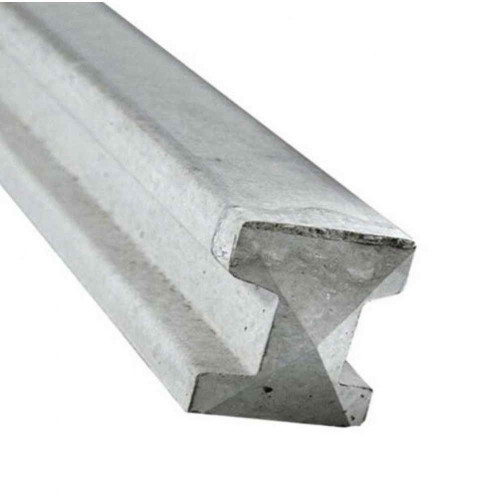
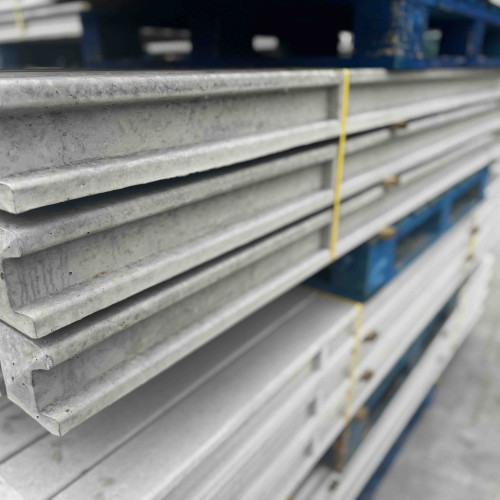
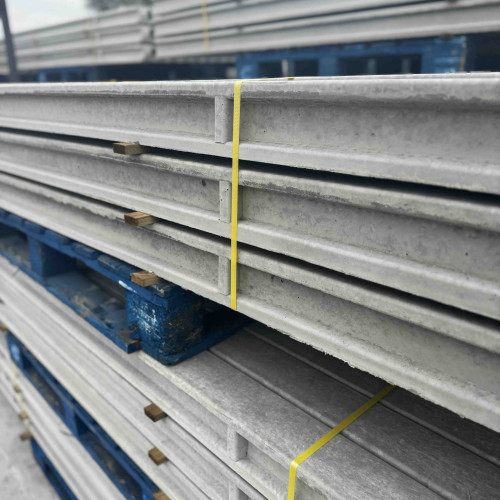
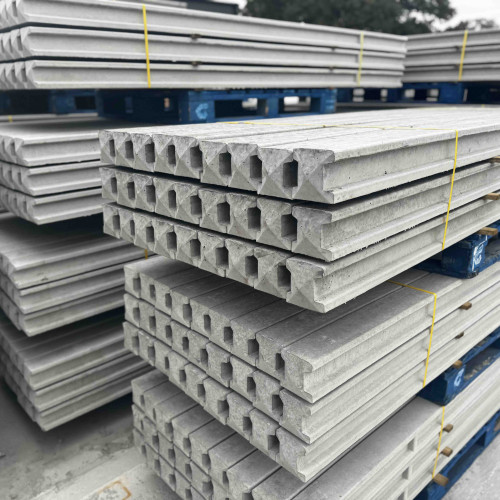
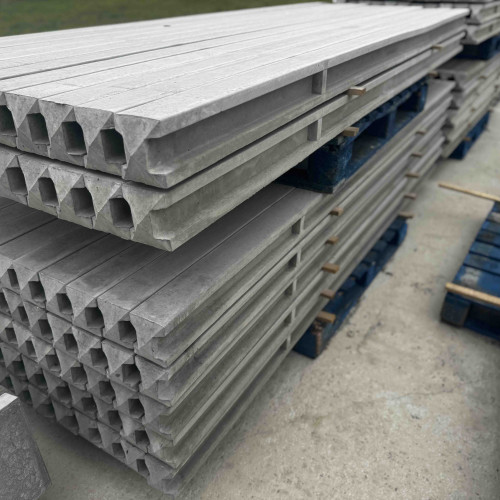
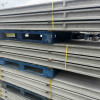
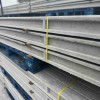
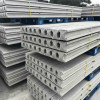
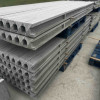
The 7ft (2.1m) concrete intermediate fence post is the straight-run post in a slotted panel-fencing system. Its 100 x 100mm profile accepts fencing from opposite sides, allowing one bay to continue directly into the next while the post keeps the run aligned.

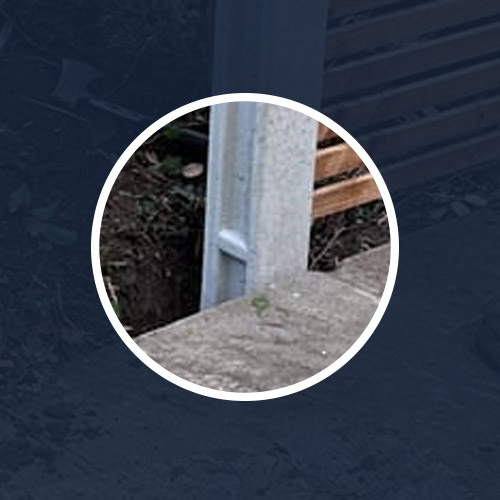
Inside the slot is a shoulder positioned around 600mm from the bottom. This is designed to support a concrete gravel board, helping create a consistent base and keeping the timber panel above away from direct ground contact. That support detail is useful when compatible concrete gravel boards form the base of the fence, because the board can sit at a consistent level beneath the panel.

At 7ft, this intermediate post sits in the middle of the size range and is useful where a 6ft post leaves too little installation allowance but an 8ft post would be unnecessary. On stepped boundaries, the 2.1m length can also provide useful flexibility as ground levels change from bay to bay. Choose an intermediate post only for a straight section of the boundary. Where the fence changes direction, ends, or splits into three runs, use the corresponding corner, end or 3-way post so the slots face the correct directions.

The internal gravel-board support is useful when building a concrete-post system because it helps establish a repeatable base height. Check the gravel board sits correctly before dropping the fence panel into the slot above it. Set the straight run from a string line and measure centres from the actual panel or gravel-board width so small spacing errors do not accumulate over several bays. Keep the post plumb while the setting material cures. The fence post length calculator can help compare post lengths before digging, and an appropriate cement product should be used for the chosen ground-fixing method. On a stepped fence, mark the intended top of each bay before setting this post so the 2.1m length is used deliberately rather than trimmed or buried without need.

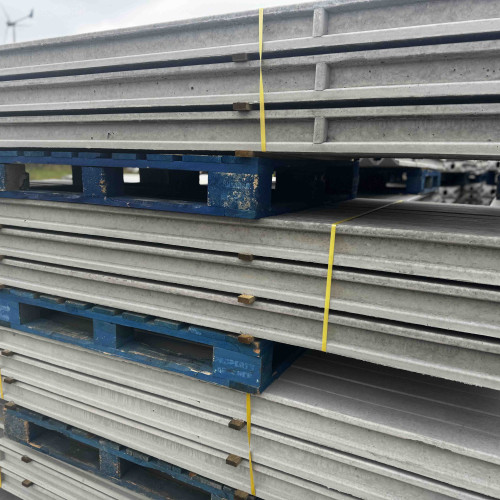
This 2.1m post is made from wet-cast concrete with internal steel reinforcement. It is vibration finished, leaving three smooth sides out of four, and the exposed end has a pyramid finish. Using concrete at the base of the fence removes the ground-line decay issue associated with a buried timber post.

Use the concrete fence posts range to compare this 7ft version with the 6ft and 8ft alternatives. A mid-range post is most useful when it fits the site conditions closely, rather than being chosen simply because it sits between two more familiar sizes.

Guides & Help

5 November 2024 0 719
Concrete fence posts are strong, durable and a good choice for long-lasting fencing. They do not rot like timber posts, and they are often used with slot-in fence panels and gravel boards.Sometimes,..
21 August 2025 0 544
Post spacing is one of the most important parts of building a strong fence. If the posts are too far apart, panels can move, rails can sag and fixings can work loose in the wind. If the posts are too ..
5 August 2026 0 204
Quick answer: Choose fence posts by matching the material, length and section to the fence height, panel weight, ground conditions and wind exposure. Pressure-treated wooden posts provide a natural..
7 May 2024 0 198
Quick answer: To install fence posts, confirm the boundary, check for underground services, mark a straight fence line and calculate the exact post spacing from the panels or rails being used. Dig ..
22 December 2023 0 186
Yes, concrete fence posts can be painted. Many homeowners choose to paint them so they blend in better with timber fence panels, garden gates, trellis panels or the wider garden design. Concrete posts..
12 November 2023 0 128
Quick answer: Choose timber fence posts when natural appearance, easier handling and flexible fixing are the priorities. Choose concrete fence posts when resistance to ground-level rot, low routine..
31 July 2026 0 86
Quick answer: Post mix is usually the more practical choice for setting standard garden fence posts. It is supplied ready blended, requires no separate mixing and sets quickly, making it well suite..
28 August 2026 0 53
Quick answer: Concrete fence posts can physically be cut with specialist equipment, but reinforced concrete fence posts should not normally be shortened on site. Current East Coast Fencing concrete..
28 August 2026 0 48
Quick answer: Concrete fence posts usually lean because the post foundation or surrounding ground has moved, not because the concrete itself has bent. Common causes include inadequate foundations, ..
28 August 2026 0 46
Quick answer: Concrete fence posts can crack because of impact, ground or foundation movement, excessive loading, poor handling or damage around the panel slots. A fine surface line does not automa..