

A well-kept garden can make a home feel more attractive, practical and cared for. It can improve first impressions, make outdoor space easier to use and help buyers picture themselves living there. However, some garden features can have the opposite effect. They may make the property feel harder to maintain, more expensive to change or less suitable for everyday family life.
Not every buyer wants the same garden. Some want a lawn for children and pets. Some want privacy. Some want low-maintenance paving. Others want planting, storage, side access, a secure gate or a smart patio for entertaining. The problem comes when a garden is too personal, too difficult to maintain, poorly laid out or visibly neglected.
This guide looks at garden features that can devalue a home, why they can put buyers off, and what to do instead. It also covers fencing, gates, paving, artificial grass, water features, overgrown planting, poor privacy and other outdoor issues that can affect how a property is viewed.
Do garden features really affect property value?
Garden features can affect buyer appeal. They may not always change the formal valuation directly, but they can influence how quickly a home sells, how many buyers are interested and whether buyers see the garden as an asset or a problem.
A garden can help a property if it feels:
- Clean and well maintained
- Private enough for normal use
- Safe for children and pets
- Easy to look after
- Practical for seating, storage and access
- In proportion to the house
- Neutral enough for different buyers
- Secure with suitable fencing and gates
A garden can work against a property if it feels expensive to fix, unsafe, neglected, too niche or difficult to maintain.
1. Broken or neglected garden fencing
Damaged fencing is one of the most obvious garden features that can reduce buyer confidence. A leaning fence, rotten posts or missing panels can make the whole garden look tired, even if the house itself is well presented.
Fencing affects privacy, security and the general condition of the boundary. Buyers often notice it quickly because it frames the entire garden.
Why it can put buyers off
Poor fencing suggests future cost. If a buyer sees broken fence panels, unstable posts or gaps along the boundary, they may assume the garden has not been maintained properly.
Damaged fencing can create concerns about:
- Privacy
- Security
- Pet safety
- Child safety
- Boundary condition
- Storm damage
- Immediate repair costs
- Neighbour disputes
A buyer may not know how much the repair will cost, so they may overestimate the problem.
What to do instead
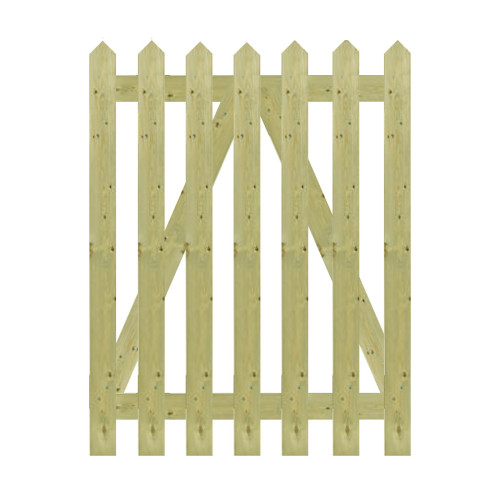
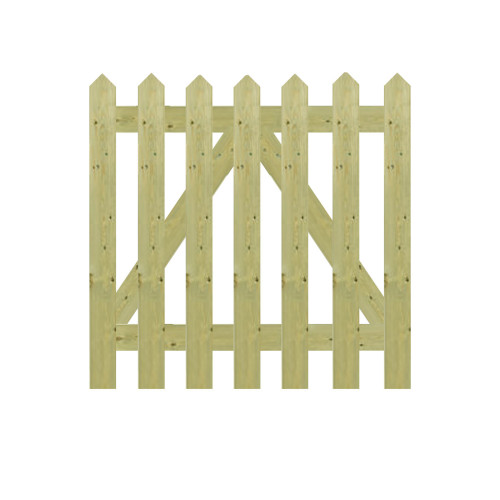
Replace broken panels, repair leaning posts and make sure gates open and close properly. You do not necessarily need the most expensive fencing, but it should look tidy, secure and suitable for the garden.
Useful improvements include:
- Replacing damaged fence panels
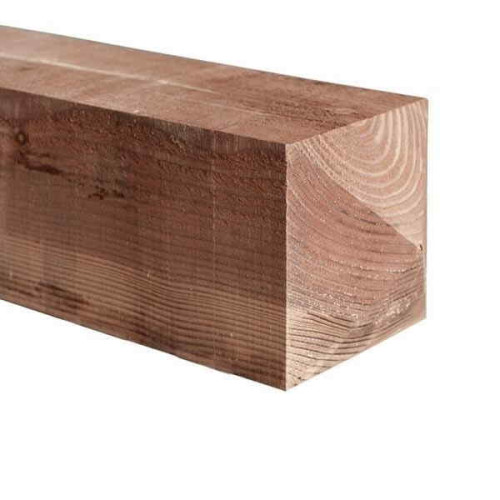
- Repairing or replacing rotten fence posts
- Adding gravel boards where panels touch the ground
- Fixing loose trellis
- Removing broken rails
- Repainting or staining tired timber
- Making the fence line consistent
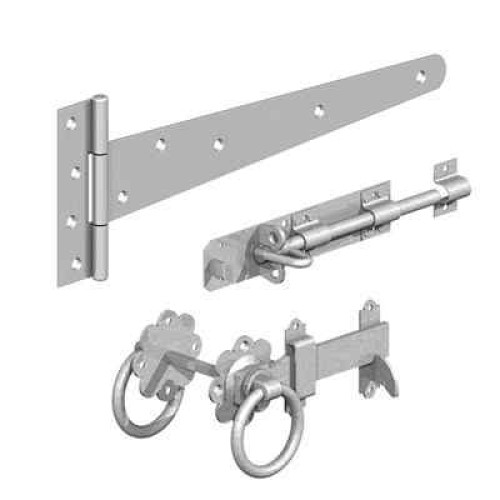
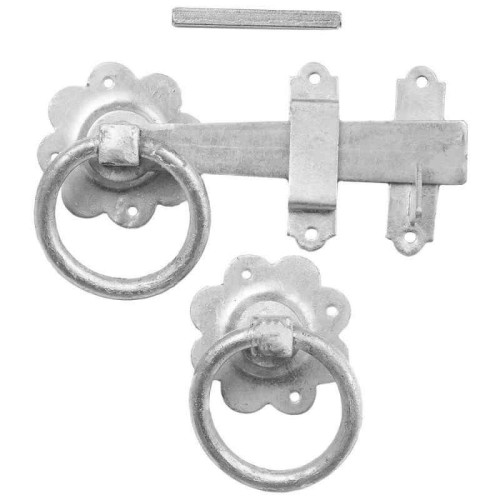
- Checking side gates and latches
A sound, neutral timber fence can make the garden feel more private and easier to sell.
2. Overly personalised landscaping
A garden should suit the person living there, but a very personalised design can make it harder for buyers to imagine using the space. Strong themes, unusual layouts, bold decorative features and highly specific planting may not appeal to everyone.
Examples include:
- Large statues
- Novelty ornaments
- Highly themed garden sections
- Unusual painted fences
- Very bright paving or decking colours
- Specialist plant collections
- Complex layouts with little flexible space
- Decorative structures that dominate the garden
Why it can put buyers off
Buyers may see personalised features as work to undo. Even if the garden is well maintained, a style that feels too specific can reduce broad appeal.
The issue is not personality itself. The issue is whether the garden feels adaptable. A buyer wants to see how the space could work for them.
What to do instead
Before selling, simplify the garden. Remove excessive ornaments, repaint very bold fence colours if needed and create a cleaner layout.
A more buyer-friendly garden usually includes:
- Neutral fence colours
- Simple planting
- Clear lawn or patio space
- Usable seating areas
- Tidy boundaries
- Defined beds
- Good access
- Space for future personalisation
The aim is not to make the garden plain. It is to make it easy for buyers to understand and use.
3. Excessive hard landscaping
Patios, paths, paving, decking and retaining walls can all add structure to a garden. The problem is too much hard landscaping. A garden that is almost entirely paved can feel harsh, hot, poorly drained or lacking in character.
Hard landscaping can be useful, but it needs balance.
Why it can put buyers off
Too much hard landscaping may make buyers worry about drainage, heat, cost of removal or lack of green space. Families may want lawn for children and pets. Gardeners may want borders. Some buyers may simply find the space too stark.
Excessive hard landscaping can create concerns about:
- Drainage
- Surface water
- Slip risk
- Cracked paving
- Cost of removal
- Loss of planting space
- Limited family use
- A garden that feels more like a yard
What to do instead
Keep hard landscaping functional, but soften it with planting and clear design. A patio for seating is useful. A path to the gate or shed is practical. Paving around bins can help. But a garden usually benefits from some greenery.
Consider adding:
- Planting beds
- Raised beds using sleepers
- Gravel borders
- Climbers on trellis
- Small lawn areas
- Pots and planters
- Soft screening
- Timber edging
Good hard landscaping should support the garden, not dominate it.
4. High-maintenance gardens
A beautiful but high-maintenance garden can be a concern for buyers. Some people enjoy gardening, but many want an outdoor space that looks good without constant work.
High-maintenance features can include:
- Large formal lawns
- Complex flower beds
- Fast-growing hedges
- Delicate planting schemes
- Topiary
- Large ponds
- Extensive decking
- Many separate levels
- Uncontrolled climbers
Why it can put buyers off
Buyers may worry that the garden will take too much time, money or skill to maintain. Even keen gardeners may hesitate if the space looks demanding.
A garden can feel high-maintenance if it needs constant:
- Pruning
- Weeding
- Mowing
- Watering
- Jet washing
- Repainting
- Plant replacement
- Pond cleaning
- Decking treatment
What to do instead
A low-maintenance garden is usually more appealing to a wider range of buyers. This does not mean removing all planting. It means choosing a layout that is easy to manage.
Lower-maintenance improvements include:
- Simple borders
- Hardy shrubs
- Mulched beds
- Gravel paths
- Pressure treated timber edging
- Raised beds
- Easy-access lawn shapes
- Secure fence panels
- Simple paving layouts
- Climbers kept under control
A garden should feel manageable, not like a second job.
5. Unsafe or neglected water features
Water features can be attractive, but they are divisive. A well-designed small fountain may add interest. A neglected pond, large pool or unsafe water feature may put buyers off quickly.
Water features may include:
- Ponds
- Fountains
- Waterfalls
- Streams
- Hot tubs
- Swimming pools
- Reflecting pools
Why it can put buyers off
Some buyers see water features as a maintenance burden. Families with young children may see them as a safety concern. Others may worry about pumps, leaks, algae, wildlife, electricity, cleaning and removal costs.
Concerns can include:
- Child safety
- Pet safety
- Algae and stagnant water
- Ongoing maintenance
- Leaking liners
- Electrical components
- Mosquitoes in stagnant water
- Cost of removal
- Loss of usable garden space
What to do instead
If you have a water feature, keep it clean, safe and proportionate. Make sure pumps work, edges are tidy and surrounding paving is not slippery.
If a water feature is neglected, consider removing it or simplifying it before selling. A clean planting area, gravel bed or small patio may appeal to more buyers than a pond that looks like a future problem.
6. Poor privacy
Lack of privacy can make a garden feel uncomfortable. Buyers want to imagine relaxing, eating, entertaining or letting children play outside without feeling overlooked.
Poor privacy may be caused by:
- Low fences
- Broken fence panels
- Overlooking neighbours
- Gaps in hedges
- Open side access
- Clear views from upper windows
- Missing trellis or screening
Why it can put buyers off
A garden that feels exposed can reduce the appeal of the whole property. Even a large garden can feel less useful if everyone can see into it.
Privacy is especially important for:
- Patios
- Hot tub areas
- Family gardens
- Town gardens
- New-build gardens
- Terraced homes
- Gardens with close neighbours
What to do instead
Add privacy carefully and legally. In many cases, a good fence, trellis, planting or screening can make the garden feel much more comfortable.
Useful privacy improvements include:
- Replacing low or broken fence panels
- Adding trellis where appropriate
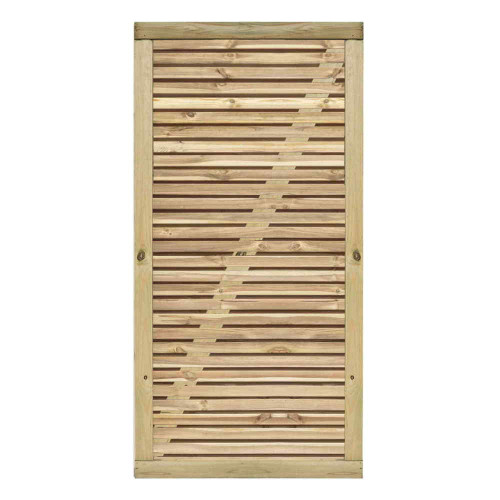
- Using slatted screens around seating areas
- Planting climbers
- Using raised beds to support screening plants
- Creating a more private patio corner
- Installing a secure side gate
Do not assume higher is always better. Privacy should feel natural and proportionate.
7. Artificial grass in poor condition
Artificial grass can divide opinion. Some buyers like it because it reduces mowing and stays green. Others dislike it because it can look unnatural, become hot, trap odours or feel less environmentally friendly than real grass and planting.
The biggest issue is poor-quality or badly installed artificial grass.
Why it can put buyers off
Artificial grass may be viewed negatively if it is:
- Flattened
- Wrinkled
- Badly joined
- Smelly from pets
- Laid over poor drainage
- Too bright or plastic-looking
- Coming loose at the edges
- Full of weeds around the perimeter
- Covering the whole garden with no planting
Buyers may see it as something they will need to remove.
What to do instead
If the artificial lawn is in good condition, clean it and tidy the edges. Add planting and natural materials nearby to soften the appearance.
If it is in poor condition, consider whether replacing it with real turf, gravel, paving, raised beds or mixed planting would improve buyer appeal.
A garden with some natural planting usually feels more balanced than one covered entirely in artificial turf.
8. Rotten decking
Decking can be attractive and practical, but rotten or slippery decking is a serious problem. Timber decking needs maintenance, and neglected boards can become unsafe.
Why it can put buyers off
Rotten decking suggests hidden repair costs. Buyers may worry about what is underneath, especially if the decking is raised or covers a large area.
Problems include:
- Soft boards
- Loose fixings
- Slippery algae
- Rotten subframe
- Poor ventilation
- Wobbly handrails
- Trip hazards
- Hidden pests
What to do instead
Clean, repair or replace unsafe decking. If the decking is small and structurally sound, a clean and fresh treatment may be enough. If it is rotten, removal may be better than leaving buyers to worry.
Alternatives include:
- Paving
- Gravel seating areas
- Composite decking where suitable
- Sleepers and gravel
- Raised beds
- Simple lawn reinstatement
9. Overgrown trees and hedges
Trees and hedges can add privacy, shade and character. However, when they become too large, they can make a garden feel dark, small and difficult to manage.
Why it can put buyers off
Overgrown trees and hedges may raise concerns about light, roots, leaf fall, maintenance and neighbour disputes.
Common concerns include:
- Blocked light
- Root damage
- Leaves blocking drains
- Branches overhanging boundaries
- High trimming costs
- Reduced lawn health
- Damp shaded paving
- Moss on paths
- Pressure on fences
What to do instead
Cut back overgrowth before selling, but avoid harsh work that damages the shape of the garden. Use professional tree care where needed, especially for large trees or protected trees.
A well-managed hedge or tree can be an asset. An uncontrolled one can feel like a liability.
10. Poor drainage and standing water
Drainage problems are one of the biggest garden concerns for buyers. Standing water can make lawns unusable, paving slippery and timber fencing more vulnerable to decay.
Why it can put buyers off
Buyers may worry that poor drainage is expensive to fix. Persistent puddles may suggest deeper problems with levels, soil, sub-base or surface water management.
Signs of poor drainage include:
- Puddles after rain
- Waterlogged lawn
- Green algae on paving
- Rotting fence bases
- Muddy paths
- Sunken paving
- Water running towards the house
- Damp smells
What to do instead
Improve drainage where practical before selling. Clear blocked drains, remove soil build-up, repair sunken paving and make sure water is not being directed towards the house or fence posts.
Simple improvements may include:
- Clearing drainage channels
- Levelling sunken paving
- Adding gravel to wet areas
- Improving lawn aeration
- Using raised beds
- Keeping soil below damp-proof course level
- Keeping soil away from timber fence panels
For serious drainage issues, get professional advice.
11. Poorly planned garden buildings
Garden buildings can add useful space, but badly placed or poorly maintained structures can reduce garden appeal.
This includes:
- Sheds
- Summerhouses
- Garden offices
- Workshops
- Greenhouses
- Storage units
- Animal housing
Why it can put buyers off
A garden building can feel like a problem if it is too large, blocks light, takes over the garden or is in poor condition.
Common issues include:
- Rotten timber
- Leaking roofs
- Broken windows
- Poor access
- Overshadowing
- Loss of lawn space
- Untidy storage
- Questionable electrics
- No clear planning or building information where relevant
What to do instead
Keep garden buildings clean, tidy and clearly useful. Repair visible damage, clear clutter and make the structure feel like an asset.
If a shed is rotten and unused, removing it may improve the garden more than trying to hide it.
12. Badly maintained patios and paving
A patio can add value to daily life, but stained, uneven or slippery paving can make the garden feel neglected.
Why it can put buyers off
Buyers may worry about trip hazards, drainage and the cost of replacement.
Problems include:
- Loose slabs
- Sunken block paving
- Oil stains
- Weeds in joints
- Broken edges
- Slippery algae
- Standing water
- Failed pointing
What to do instead
Clean and repair paving before selling. Remove weeds, re-sand block paving, clean algae and fix obvious trip hazards.
A clean, usable patio can help buyers picture outdoor seating, dining and entertaining.
13. No usable seating area
A garden without a clear seating area can feel less practical. Buyers often want somewhere to sit, even in a small garden.
Why it can put buyers off
If the garden has no patio, deck, gravel area or level space for furniture, buyers may feel they need to spend money immediately.
This is especially noticeable in:
- Small gardens
- New-build gardens
- Sloping gardens
- Gardens with only lawn
- Gardens with awkward access
What to do instead
Create a simple, level, low-maintenance seating area. It does not need to be elaborate. A clean patio, gravel area, small deck or paved corner can be enough.
Make sure the seating area has:
- Reasonable privacy
- Good access from the house
- A stable surface
- Space for chairs or a small table
- Clear edges
- A tidy view of the garden
14. Insecure or awkward side access
Side access is often overlooked, but it matters. Buyers notice whether bins, bikes, tools and garden waste can move easily between the front and back of the property.
Why it can put buyers off
Awkward or insecure side access can create practical concerns. A broken side gate or narrow cluttered passage makes the garden feel less useful.
Issues include:
- Broken gates
- Weak latches
- Missing locks
- Overgrown passageways
- Uneven paving
- Poor lighting
- Bins blocking access
- Rotten gate posts
What to do instead
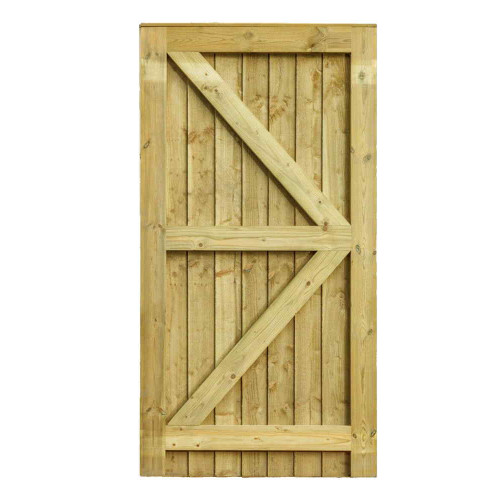
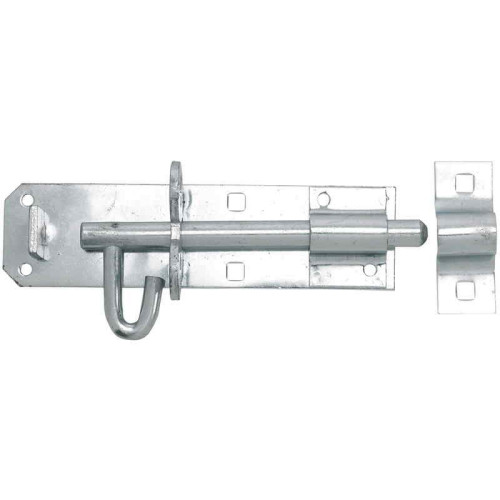
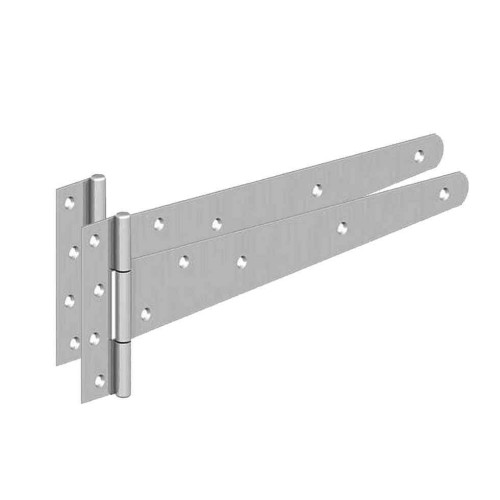
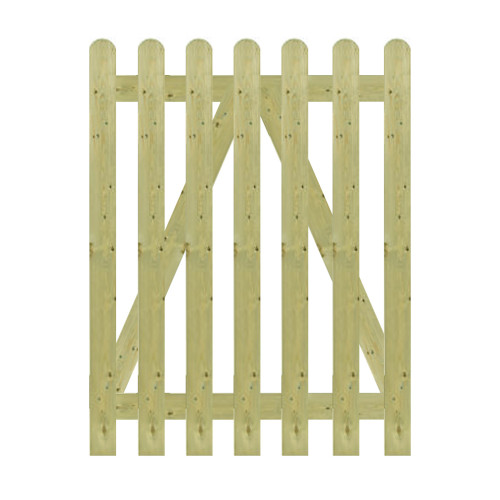
Fit or repair a secure side gate, clear the route and make sure paving is safe. A neat side passage can make the whole property feel better maintained.
Useful upgrades include:
- New side gate
- Strong gate posts
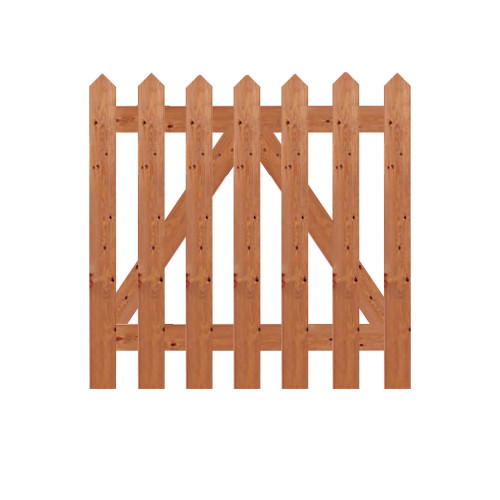
- Reliable latch
- Gate lock
- Clear paving
- Bin screen
- Outdoor lighting where suitable
15. Too little storage
Outdoor storage is practical. Without it, gardens can look cluttered with tools, toys, bikes, furniture cushions and bins.
Why it can put buyers off
A cluttered garden feels smaller and less organised. Buyers may notice the lack of storage even if they do not consciously name it.
Common clutter includes:
- Bins
- Garden tools
- Children’s toys
- Pet equipment
- Plant pots
- Compost bags
- Barbecue equipment
- Old fence panels
What to do instead
Add simple, tidy storage where appropriate. This could be a shed, small storage box, bin screen or screened storage corner.
Make sure storage does not dominate the garden. It should make the space feel tidier, not smaller.
16. Visible bins with no screening
Bins are necessary, but they are rarely attractive. If bins dominate the front garden, side path or patio, they can reduce kerb appeal.
Why it can put buyers off
Visible bins make an entrance feel untidy. They can also create smells, stains and blocked access.
What to do instead
Use a simple bin store, fence screen, trellis screen or slatted panel to make the area look more intentional.
A good bin area should be:
- Easy to access
- Well ventilated
- On a clean surface
- Screened from the main view
- Not blocking side access
- Simple to maintain
17. Poor lighting
Garden lighting is not essential, but poor or broken lighting can make a garden feel unsafe or unfinished. This is especially true near gates, steps, side paths and patios.
Why it can put buyers off
Buyers may worry about safety, security and evening use. Broken fittings can also suggest poor maintenance.
Problem areas include:
- Side gates
- Steps
- Patios
- Bin areas
- Driveways
- Dark paths
- Garden offices
What to do instead
Keep lighting simple and functional. Repair broken fittings and consider modest lighting for access routes. Do not overdo decorative lighting, as too many fittings can feel excessive.
18. Uncontrolled climbing plants
Climbers can soften fences and walls, but they can also cause problems if left unmanaged. Heavy climbers can pull at trellis, trap moisture and hide damage.
Why it can put buyers off
Buyers may worry about what is hidden underneath. Dense ivy or other vigorous climbers can conceal rotten fencing, cracked walls or blocked gutters.
Potential concerns include:
- Hidden fence damage
- Excess moisture
- Overloaded trellis
- Pests
- Blocked light
- Maintenance burden
- Damage to old masonry
What to do instead
Keep climbers trained and controlled. Use strong trellis panels or wires where suitable, and avoid allowing heavy growth to overwhelm fences, gates or sheds.
Good climber management includes:
- Regular pruning
- Strong supports
- Keeping growth off roofs and gutters
- Checking fence panels behind plants
- Removing dead stems
- Keeping gate hardware clear
19. Poor front garden presentation
The front garden creates the first impression. Even small issues can affect how buyers feel before they step inside.
Why it can put buyers off
A messy front garden suggests poor maintenance. Buyers may carry that impression into the house viewing.
Common issues include:
- Weeds in paving
- Broken front fence panels
- Damaged picket fencing
- Overgrown hedges
- Visible bins
- Cracked paths
- Dead plants
- Loose gates
- Untidy gravel
What to do instead
Keep the front garden simple, clean and welcoming. A neat path, tidy boundary, secure gate and low-maintenance planting can improve kerb appeal quickly.
20. Garden features that block light
Structures, trees and tall screening can be useful, but they can also make a garden and nearby rooms feel dark.
Why it can put buyers off
Light is a major selling point. A garden that feels shaded and gloomy may be less appealing, especially if it also makes the house darker.
Features that can block light include:
- Very high fences
- Dense hedges
- Large sheds
- Oversized pergolas
- Overgrown trees
- Large evergreen screens
- Heavy climbers
What to do instead
Balance privacy with light. Use trellis, slatted screening, selective pruning and lighter fence colours where appropriate.
A garden should feel private without feeling boxed in.
How to make a garden more appealing before selling
You do not need a full garden redesign to improve buyer appeal. Often, the most effective work is simple maintenance.
Before listing a property, consider:
- Repairing broken fence panels
- Replacing rotten posts
- Painting or staining tired fencing
- Cleaning patios and paths
- Removing weeds
- Cutting back overgrown plants
- Mowing and edging the lawn
- Cleaning garden furniture
- Screening bins
- Clearing side access
- Fixing gates and latches
- Removing excessive ornaments
- Adding simple planting
The aim is to make the garden look usable, clean and easy to maintain.
Best garden improvements for broad buyer appeal
The safest garden improvements are usually practical, neutral and low maintenance.
Good options include:
- New or repaired fence panels
- Secure side gate
- Clean patio
- Defined seating area
- Fresh lawn edges
- Simple raised beds
- Low-maintenance planting
- Gravel around awkward corners
- Screened bin storage
- Good drainage
- Safe paving
- Fresh exterior timber stain
Buyers respond well to gardens that are easy to understand and easy to use.
Garden improvements that can be risky before selling
Some improvements may not return their cost if you are selling soon. They may also divide buyers.
Be cautious with:
- Expensive bespoke landscaping
- Large ponds
- Hot tubs
- Highly coloured artificial grass
- Unusual paving patterns
- Very bold fence colours
- Large garden buildings
- Complex planting schemes
- Overly elaborate lighting
- Specialist play equipment
If selling is the priority, choose broad appeal over personal taste.
Garden devaluation checklist
Walk around the garden and ask whether a buyer would see each feature as useful or as work to fix.
Check for:
- Broken fence panels
- Leaning fence posts
- Loose gates
- Poor privacy
- Overgrown hedges
- Slippery paving
- Weeds in joints
- Rotten decking
- Unsafe ponds
- Poor drainage
- Bad artificial grass
- Too much hard landscaping
- Too little seating space
- Visible bins
- Cluttered side access
- Too many personal ornaments
- Large structures blocking light
Fix the obvious problems first. Buyers notice visible neglect more than minor design details.
Frequently asked questions
Can a bad garden devalue a house?
A bad garden can reduce buyer appeal and may lead buyers to offer less if they expect repair or landscaping costs. It is especially noticeable when fencing, paving, drainage or privacy are poor.
What garden features put buyers off?
Broken fencing, poor privacy, unsafe water features, rotten decking, high-maintenance planting, overgrown trees, bad artificial grass and uneven paving can all put buyers off.
Does broken fencing reduce property appeal?
Yes. Damaged fencing can make a garden look neglected and raise concerns about privacy, security, pets and future repair costs.
Is artificial grass bad for property value?
Artificial grass divides opinion. Good-quality, well-installed artificial grass may suit some buyers, but poor-quality or smelly artificial turf can be a negative.
Do ponds put buyers off?
They can. Some buyers like ponds, but others see them as a safety risk or maintenance burden, especially families with young children.
Is decking a good feature when selling?
Decking can be positive if it is clean, safe and well maintained. Rotten, slippery or badly built decking is a clear negative.
Does paving add value to a garden?
Paving can add practical value if it creates a usable seating area or path. Excessive, cracked or poorly drained paving can reduce appeal.
Should I replace fence panels before selling?
If panels are broken, rotten or missing, replacing them can improve garden presentation. A tidy, secure boundary is usually worth addressing before viewings.
What is the best garden style for selling a house?
A simple, tidy, low-maintenance garden with privacy, usable seating, secure fencing and clean paths usually has the broadest buyer appeal.
Should I spend a lot on landscaping before selling?
Usually, focus on maintenance and obvious repairs first. Expensive bespoke landscaping may not appeal to every buyer or recover its cost.
Final thoughts
The garden features most likely to devalue a home are the ones that make the space feel unsafe, difficult to maintain, expensive to repair or too personal. Broken fencing, poor privacy, excessive hard landscaping, high-maintenance planting, unsafe ponds, rotten decking, poor drainage and bad artificial grass can all reduce buyer confidence.
The best approach is to make the garden clean, secure, practical and easy to imagine using. Repair fence panels, fix gates, clear weeds, clean paving, cut back overgrowth and remove unnecessary clutter. These simple changes often do more for buyer appeal than an expensive redesign.
A good garden does not need to be elaborate. It needs to feel cared for, usable and adaptable. Strong boundaries, tidy paving, manageable planting and a clear seating area will usually make a better impression than a garden full of features that buyers see as future work.