


Laying turf is one of the quickest ways to create a new lawn. Unlike grass seed, which can take weeks to germinate and months to establish fully, turf gives an immediate green surface. With good preparation and careful aftercare, it can transform a bare garden, tired lawn or newly landscaped area into a usable outdoor space.
Successful turfing is not just a matter of rolling grass onto soil. The quality of the finished lawn depends heavily on ground preparation, soil condition, drainage, levels, timing, watering and aftercare. Poor preparation can lead to bumps, sinking, yellowing turf, weak rooting, drainage problems and moss later on.
This guide explains how to lay turf in a UK garden, including when to lay it, how to prepare the ground, how to calculate costs, what tools are needed, how to water new turf and how to avoid the common mistakes that stop a new lawn establishing properly.
What is turf?
Turf is grass that has been grown professionally, cut with a thin layer of soil and roots, then rolled for transport and laying. Once laid on prepared soil, the roots grow down into the ground beneath and establish as a lawn.
Turf is used for:
- New lawns
- Replacing tired or patchy grass
- Repairing damaged garden areas
- Landscaping new-build gardens
- Finishing patios, paths and borders
- Creating family and pet-friendly outdoor spaces
- Improving kerb appeal before selling a property
It is faster than seeding, but it normally costs more and needs careful watering after installation.
Turf versus grass seed
Turf and seed can both create a lawn, but they suit different projects.
Turf gives fast results and is useful where you want an instant lawn. It is often better for gardens where the finished appearance matters quickly or where the soil might otherwise wash away before seed establishes.
Grass seed is cheaper and allows more choice of seed mix, but it takes longer and is more vulnerable to birds, weeds, dry weather and foot traffic while establishing.
Choose turf if you want speed and a finished look. Choose seed if budget is more important and you can wait for the lawn to establish.
Benefits of laying turf
Turf is popular because it offers several practical advantages.
- It gives an instant green lawn
- It can reduce soil erosion on bare ground
- It establishes faster than seed when cared for properly
- It can be laid through much of the year in suitable conditions
- It helps finish a landscaping project neatly
- It is useful around patios, paths, sheds and garden buildings
- It can improve the appearance of a property quickly
- It gives children and pets a clearer garden surface once established
The main disadvantage is that turf is more expensive than seed and needs prompt laying after delivery.
When is the best time to lay turf in the UK?
The best time to lay turf in the UK is usually spring or autumn. These seasons often provide mild temperatures and more reliable rainfall, which helps turf root into the soil.
Autumn is often ideal because the soil is still warm after summer, but the weather is cooler and less stressful for new turf. Spring is also suitable once the ground is workable and grass growth has resumed.
Turf can sometimes be laid in other seasons, but avoid extreme conditions.
Can you lay turf in summer?
You can lay turf in summer, but it needs more watering and care. Hot, dry weather can stress turf quickly, especially before roots have grown into the soil below.
If laying turf in summer:
- Lay it as soon as it is delivered
- Water the soil before laying if it is dry
- Water immediately after laying
- Keep the turf moist while it roots
- Avoid laying during extreme heat where possible
- Do not let rolls sit in the sun
Summer turfing can work, but it is less forgiving than spring or autumn.
Can you lay turf in winter?
Turf can sometimes be laid in winter if the ground is not frozen, waterlogged or covered in snow. However, rooting will be slower because grass growth is reduced in cold conditions.
Winter turfing may be suitable for some landscaping projects, but avoid working soil when it is saturated or frozen. Walking on wet soil can cause compaction and poor levels.
If turf is laid in winter, it may sit in place for longer before rooting properly. Keep traffic off it until it establishes.
How much does turf cost in the UK?
Turf costs vary depending on quality, supplier, delivery, quantity and location. As a broad current guide, budget turf may start from around a few pounds per square metre, while better-quality or specialist turf costs more.
Supply-only turf is only one part of the budget. You may also need topsoil, compost, skip hire, waste removal, turf cutter hire, levelling work, soil improver, tools and delivery.
Professional turf laying costs more because it includes labour and, in many cases, ground preparation. The preparation often takes longer than the actual laying.
Typical turfing cost factors
The cost of turfing a garden depends on more than the price of the turf rolls.
Main cost factors include:
- Size of the lawn area
- Quality of turf chosen
- Whether the old lawn must be removed
- Whether weeds need clearing
- How much levelling is required
- Whether new topsoil is needed
- Access to the garden
- Waste disposal
- Drainage problems
- Labour rates in your area
- Whether the job is DIY or professional
A flat, clear garden with good soil is much cheaper to turf than a compacted, uneven garden needing clearance, topsoil and drainage improvements.
DIY turf laying costs
DIY turf laying can reduce labour costs, but it still needs a budget. You may need to pay for turf, delivery, topsoil, soil improver, tools and waste disposal.
DIY costs may include:
- Turf rolls
- Topsoil
- Compost or soil improver
- Pre-turf fertiliser
- Turf cutter hire if removing an old lawn
- Rotavator hire if needed
- Rake, spade and wheelbarrow
- Sharp knife or edging tool
- Boards for working across the turf
- Skip or waste collection
DIY is best suited to manageable areas where you have the time, strength and access to prepare the ground properly.
Professional turf laying costs
Professional turf laying usually costs more, but it can be worthwhile where the lawn area is large, uneven, compacted or difficult to access.
A professional quote may include:
- Old lawn removal
- Weed clearance
- Ground cultivation
- Levelling
- Topsoil supply
- Turf supply
- Laying labour
- Waste disposal
- Basic aftercare advice
Always ask what is included. A low quote may cover laying only, while a higher quote may include full preparation and disposal.
How to measure for turf
To calculate how much turf you need, measure the length and width of the lawn area in metres, then multiply them together.
For a rectangular lawn:
- Length x width = square metres
For example, a lawn 10 metres long and 5 metres wide is 50 square metres.
For irregular shapes, divide the area into smaller rectangles or squares, calculate each one and add them together. Allow a little extra for cutting, curves and waste.
How much extra turf should you order?
It is sensible to order slightly more turf than the exact measured area. This allows for trimming, damaged edges, curves and small mistakes.
For simple square or rectangular lawns, around 5% extra may be enough. For irregular lawns with many curves, borders, stepping stones or obstacles, allow more.
Do not order too much extra because turf has a short usable life once delivered.
Order turf for the right delivery day
Turf should be laid as soon as possible after delivery. Ideally, lay it on the day it arrives. If that is not possible, it should usually be laid within 24 hours, especially in warm weather.
Rolled turf can heat up, dry out and deteriorate quickly. Do not order turf before the ground is ready.
Prepare the site first, then arrange delivery when you are ready to lay.
Tools and materials needed
For a typical turfing project, you may need:
- Turf rolls
- Topsoil if required
- Soil improver or compost if needed
- Pre-turf fertiliser where suitable
- Spade
- Garden fork
- Rake
- Wheelbarrow
- String line and pegs
- Long straight edge or landscaping rake
- Sharp knife
- Watering hose or sprinkler
- Boards for working across newly laid turf
- Garden roller if appropriate
For larger jobs, a turf cutter, rotavator or professional landscaping equipment may be useful.
Step 1: Clear the area
Start by clearing the lawn area completely. Remove old grass, weeds, stones, roots, rubble, builders’ waste and other debris.
This stage is especially important in new-build gardens, where the soil may contain compacted subsoil, rubble or poor-quality fill.
Do not lay turf over weeds or old lawn without proper preparation. The surface may look acceptable at first, but problems can appear later.
Step 2: Remove the old lawn
If replacing an existing lawn, remove the old turf. For small areas, this can be done with a spade. For larger areas, a turf cutter can make the job faster and neater.
Old turf and weeds should be removed from the site or composted only if suitable. Avoid burying large amounts of old turf beneath the new lawn, as it can rot unevenly and create sinkage.
If the old lawn had persistent weeds, deal with them before laying new turf.
Step 3: Deal with weeds
Perennial weeds should be removed before turf is laid. Dandelions, docks, couch grass, bindweed and other deep-rooted weeds can grow back through weak areas if left in place.
Remove roots carefully. If weedkiller has been used, follow the product instructions and waiting times before laying turf.
A weed-free base gives the new lawn a better start.
Step 4: Improve the soil
Turf roots need good soil contact to establish. If the soil is poor, compacted, sandy, heavy clay or low in organic matter, improvement may be needed.
Soil improvement may involve:
- Adding screened topsoil
- Adding compost or soil conditioner
- Breaking up compacted soil
- Removing rubble and stones
- Improving drainage
- Correcting low spots
- Levelling uneven areas
Do not lay turf onto compacted, lifeless ground and expect it to thrive.
Step 5: Check drainage
Drainage should be checked before turf is laid. A new lawn on poorly drained ground may become waterlogged, muddy and mossy.
Signs of drainage issues include:
- Standing water after rain
- Sticky clay soil
- Persistent moss in the old lawn
- Water running from patios onto the lawn
- Soft boggy areas
- Compacted subsoil
Minor drainage problems may be improved by aeration, soil cultivation and top dressing. Serious drainage issues should be addressed before turfing.
Step 6: Cultivate the soil
Break up the soil to create a suitable rooting layer. This can be done with a fork, spade or rotavator, depending on the area and soil condition.
Remove large stones, roots and clods as you work. The aim is a fine, crumbly tilth that turf roots can grow into.
Avoid working soil when it is very wet. Wet soil can smear, compact and set hard.
Step 7: Level the ground
Levelling is one of the most important turf preparation steps. A poor base will show through the finished lawn.
Use a rake to create an even surface. Fill low spots and reduce high spots. For larger areas, use a string line or long straight edge to check levels.
The lawn does not have to be perfectly flat. A slight fall can help drainage, but avoid dips where water can collect.
Step 8: Firm the soil
After levelling, the soil should be firm but not compacted. Walk over the area using small steps, pressing the soil down evenly. This is often called heeling in.
After firming, rake lightly again to remove footprints and create a fine surface.
If the soil is too loose, turf may sink later. If it is too compacted, roots may struggle to establish.
Step 9: Apply pre-turf fertiliser
A pre-turf fertiliser can help new turf root into the soil. Use a product designed for new lawns and apply it according to the instructions.
Do not over-apply fertiliser. Too much can damage young roots or create uneven growth.
Rake the fertiliser lightly into the surface before laying turf if the product guidance recommends it.
Step 10: Start laying from a straight edge
Begin laying turf along a straight edge, such as a path, patio, fence line or string line. This gives you a clean starting point and helps keep rows straight.
If there is no straight edge, use a tight string line as a guide.
Lay the turf with the green side up and the soil side against the prepared ground. Butt the edges closely together without overlapping.
Step 11: Stagger the joints
Lay turf in a brickwork pattern, with joints staggered between rows. This helps avoid long continuous seams and creates a stronger, neater lawn.
Push edges together gently so there are no gaps. Do not stretch turf rolls, as they may shrink back later.
Work from boards placed on the turf rather than walking directly on newly laid rolls.
Step 12: Trim edges carefully
Use a sharp knife, half-moon edging tool or long blade to trim turf around paths, borders, posts, patios and curves.
Do not leave tiny slivers of turf at edges where possible, as these can dry out quickly. Adjust the layout to avoid weak narrow strips.
Firm edges gently so they make good contact with the soil.
Step 13: Water immediately
Water new turf as soon as it is laid. The water must soak through the turf and into the soil beneath. Light surface sprinkling is not enough.
Check by lifting a corner carefully. The soil beneath should be moist.
Watering is the most important aftercare task. Turf that dries out before rooting may shrink, yellow or fail.
How often should you water new turf?
New turf should be kept consistently moist while it establishes. In dry weather, this may mean watering daily or even more often during hot spells. In cooler damp weather, less watering may be needed.
The goal is to keep the turf and the soil below moist but not waterlogged.
Pay special attention to:
- Edges
- Corners
- Sunny areas
- Slopes
- Thin strips
- Areas near patios or paving
- Areas under trees
Edges dry faster than the middle of the lawn.
How long does turf take to root?
Turf often begins rooting within a couple of weeks in suitable conditions, but full establishment takes longer. Rooting speed depends on temperature, moisture, soil preparation and turf quality.
You can test rooting by gently lifting a corner. If it resists lifting, roots are beginning to establish.
Do not rush heavy use. A lawn may look finished before it is ready for regular foot traffic.
When can you walk on new turf?
Keep off new turf as much as possible for the first few weeks. Walking on it too soon can create dips, disturb rooting and damage the surface.
Use boards if you need access for watering or adjustments. Once the turf has rooted and the ground feels firm, light use can gradually resume.
Heavy use, children’s play, pets and garden furniture should wait until the lawn is established.
When should you mow new turf?
The first mow should happen when the turf has rooted and the grass has grown enough to cut. Do not mow loose turf that can lift under the mower.
For the first cut:
- Make sure the mower blades are sharp
- Set the mower high
- Remove only the tips of the grass
- Avoid cutting more than one third of the height
- Do not mow when the ground is wet and soft
- Remove clippings if they clump heavily
Gradually reduce the mowing height over later cuts if needed.
Feeding new turf
If a pre-turf fertiliser was used, do not feed again too soon unless product guidance recommends it. Overfeeding young turf can cause problems.
Once the lawn is established, use a seasonal lawn feed suited to the time of year. Spring and summer feeds encourage growth and colour, while autumn feeds are designed to prepare the lawn for colder weather.
Apply feed evenly and follow the instructions carefully.
Top dressing new turf
New turf does not usually need top dressing immediately if the ground was prepared properly. However, light top dressing can be useful later to correct minor unevenness, improve soil structure or support overseeding.
Do not smother new grass with heavy layers of soil. Top dressing should be applied lightly and brushed into the lawn.
Dealing with gaps between turf rolls
Small gaps can appear if turf dries out and shrinks. This is often caused by delayed laying, poor watering or laying in hot weather.
To reduce gaps:
- Lay turf promptly after delivery
- Butt rolls tightly without overlapping
- Water immediately and deeply
- Keep edges moist
- Avoid stretching turf while laying
Minor gaps may fill in over time. Larger gaps can be filled with a mix of topsoil and grass seed.
Why new turf turns yellow
Yellowing turf is usually caused by stress. The most common cause is lack of water, especially in warm or windy weather.
Other causes include:
- Turf left rolled up too long
- Poor soil contact
- Compacted soil
- Too little watering
- Too much water and poor drainage
- Hot weather stress
- Dog urine
- Fertiliser scorch
- Low-quality or damaged turf
If turf starts yellowing, check soil moisture and contact with the ground first.
New turf and pets
Pets should be kept off new turf while it establishes. Dogs running, digging or urinating on new turf can damage it before the roots are secure.
If you have pets:
- Restrict access for the first few weeks
- Water any urine patches promptly
- Repair lifted edges quickly
- Avoid letting dogs dig at seams
- Wait before placing toys or kennels on the lawn
For dog-heavy gardens, choose a hard-wearing turf and prepare the base well.
New turf and children
A newly laid lawn should not be used as a play surface until it has rooted. Children running or playing ball games too soon can create dents and loosen rolls.
Once the turf resists lifting and the ground is firm, gradually reintroduce use.
If the lawn will be used heavily by children, choose turf suited to family gardens and avoid cutting it too short.
Laying turf near fence panels and borders
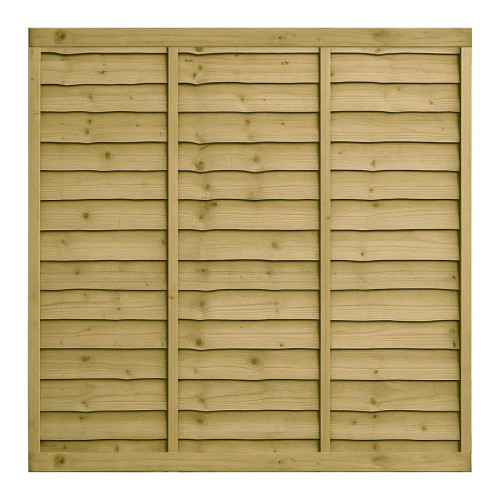
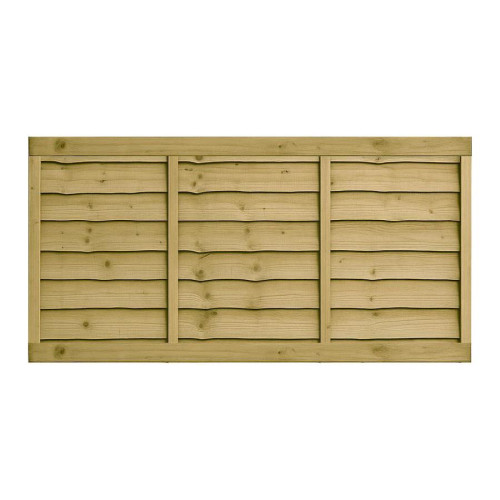
Fence lines and borders need careful preparation. Soil levels should not be raised against timber fence panels, wooden gravel boards or wooden fence posts, as this can trap moisture and encourage rot.
When laying turf near fencing:
- Keep soil below timber panel bases where possible
- Use gravel boards to protect fence panels
- Do not bury the bottom of panels in topsoil
- Leave a neat mowing edge if useful
- Clear soil from fence posts after levelling
- Keep turf edges watered during establishment
A clean edge along a fence makes the lawn easier to maintain and protects the timber.
Laying turf around trees
Turf can struggle under trees because of shade, dry soil and root competition. Before laying turf around trees, consider whether grass is the right surface.
If you do lay turf near trees:
- Avoid damaging tree roots during preparation
- Use shade-tolerant turf if available
- Water carefully during establishment
- Accept that grass may be thinner under dense shade
- Avoid raising soil levels around the tree trunk
In deep shade, planting, bark mulch or woodland-style ground cover may be more suitable than turf.
Laying turf on clay soil
Clay soil can be fertile, but it often drains slowly and compacts easily. Turf laid on badly compacted clay may struggle, especially in wet weather.
For clay soil:
- Avoid working it when very wet
- Break up compacted areas
- Improve structure with suitable organic matter
- Check drainage before turfing
- Create a level but not water-trapping surface
- Avoid walking on wet new turf
If drainage is poor, deal with it before laying turf.
Laying turf on sandy soil
Sandy soil drains quickly and may dry out fast. Turf on sandy soil can establish well, but it may need more careful watering and organic matter.
For sandy soil:
- Add suitable topsoil or soil improver if needed
- Water consistently during establishment
- Feed appropriately once established
- Avoid letting turf edges dry out
- Choose turf suited to the intended use
Sandy lawns can be good in wet weather but may need more attention during dry spells.
Laying turf on slopes
Turf can be laid on slopes, but it needs care because rolls may move and water may run off before soaking in.
For slopes:
- Prepare a firm, even base
- Lay turf across the slope where practical
- Secure rolls if needed
- Water gently to avoid washing soil away
- Avoid walking on the slope while turf establishes
- Check edges and joints regularly
Steep slopes may need specialist preparation or an alternative surface.
Common mistakes when laying turf
Many turfing problems come from rushing preparation or aftercare.
Common mistakes include:
- Ordering turf before the ground is ready
- Leaving turf rolled up too long
- Laying turf on compacted soil
- Failing to remove weeds
- Ignoring drainage problems
- Not levelling properly
- Walking directly on newly laid turf
- Leaving gaps between rolls
- Stretching turf while laying
- Not watering deeply enough
- Letting edges dry out
- Mowing before turf has rooted
- Using the lawn too soon
Good turfing is mostly preparation and aftercare. The laying itself is only one stage.
New turf aftercare checklist
Use this checklist after laying turf:
- Water immediately after laying
- Keep the turf moist while rooting
- Check soil moisture beneath the turf
- Keep off the lawn where possible
- Use boards if access is needed
- Do not mow until the turf has rooted
- Set mower blades high for the first cut
- Repair lifted edges quickly
- Keep pets and children off until established
- Watch for yellowing or dry patches
- Do not place furniture on new turf too soon
- Continue sensible watering until fully established
Should you lay turf yourself or hire a professional?
DIY turfing can work well for small or medium lawns where access is good and the ground is not too difficult. It can save money, but it is physically demanding and time-sensitive.
Consider hiring a professional if:
- The area is large
- The ground is very uneven
- Drainage is poor
- Old turf and waste must be removed
- Access is difficult
- You need levels to match patios or paths
- The garden is part of a larger landscaping project
- You do not have time to lay turf immediately after delivery
A professional finish depends heavily on preparation, so compare quotes carefully and ask what is included.
Questions to ask before accepting a turfing quote
If hiring a landscaper, ask clear questions before agreeing to the work.
- Is turf supply included?
- What type of turf will be used?
- Is old lawn removal included?
- Is waste disposal included?
- Will new topsoil be supplied?
- Will the ground be levelled and firmed?
- Will pre-turf fertiliser be used?
- How will drainage issues be handled?
- How soon can the lawn be used?
- What aftercare is required?
A good quote should make preparation, supply, laying and aftercare responsibilities clear.
How to make a new lawn last
A newly turfed lawn needs ongoing maintenance after establishment. Once rooted, treat it as a living surface, not a finished product that can be ignored.
Long-term lawn care includes:
- Regular mowing at the right height
- Seasonal feeding
- Watering during dry spells where needed
- Aeration for compacted soil
- Scarifying if thatch builds up
- Overseeding thin patches
- Managing moss and weeds
- Keeping edges neat
- Improving drainage where needed
The first few weeks are important, but the first year also matters. Avoid heavy wear while the lawn is still developing strong roots.
Frequently asked questions
How soon should turf be laid after delivery?
Turf should usually be laid as soon as possible, ideally on the day it is delivered. In warm weather, rolled turf can deteriorate quickly if left stacked.
Can I lay turf over an old lawn?
It is not recommended. Old grass, weeds and uneven ground can cause poor rooting, bumps and drainage problems. Remove the old lawn and prepare the soil properly.
How long before I can walk on new turf?
Keep off new turf as much as possible for the first few weeks. Wait until it has rooted and feels stable before regular use.
How often should I water new turf?
Water immediately after laying and keep the turf consistently moist while it roots. In warm or dry weather, this may mean daily watering. Check that moisture reaches the soil beneath.
When should I mow new turf for the first time?
Mow only once the turf has rooted and the grass has grown enough to cut. Use sharp blades, set the mower high and remove only the tips.
Why is my new turf turning yellow?
Yellowing is often caused by lack of water, poor soil contact, delayed laying, heat stress or drainage problems. Check moisture beneath the turf first.
Can turf be laid in winter?
It can be laid in mild winter conditions if the ground is not frozen or waterlogged, but rooting will be slower. Avoid laying turf on saturated or frozen soil.
Can turf be laid in summer?
Yes, but it needs careful watering and should be laid immediately after delivery. Avoid laying during extreme heat if possible.
How much does turf cost per square metre?
Supply-only turf commonly starts from a few pounds per square metre, with premium turf costing more. Professional supply and lay costs vary widely depending on ground preparation, access, waste disposal and location.
Do I need topsoil before laying turf?
Only if the existing soil is poor, shallow, compacted or uneven. Turf needs a good rooting layer, so topsoil may be needed on new-build plots, heavily compacted ground or areas with poor soil quality.
Final thoughts
Laying turf is a fast and effective way to create a new lawn, but the finished result depends on preparation. Clear the site properly, improve the soil, correct drainage issues, level and firm the ground, then lay fresh turf promptly after delivery.
Aftercare is just as important as installation. Water deeply, keep off the lawn while it roots, mow gently for the first cut and avoid heavy use until the turf is established.
Costs vary depending on turf quality, garden size, ground preparation and whether you choose DIY or professional installation. The cheapest job is not always the best value if the base is poor. A well-prepared, properly laid lawn will establish more reliably, look better and be easier to maintain for years to come.