

A smart front garden can make a home feel more welcoming without needing a large budget. You do not need expensive landscaping, mature plants or a complete redesign to make a strong improvement. Often, the best results come from clearing clutter, improving the soil, choosing reliable plants, defining the edges and making the entrance look cared for.
Front gardens work hard. They are seen every day by you, visitors and passers-by. They may need to provide parking, bin storage, access to the front door, privacy, drainage, planting and a clear boundary. The challenge is to make the space attractive without spending money on features that do not add much value.
This guide explains how to create a good-looking front garden on a budget, including planning, low-cost planting, paths, edging, fencing, gravel, containers, soil improvement, maintenance and simple ideas that can improve kerb appeal quickly.
Start with a clear plan
The cheapest way to improve a front garden is to plan before buying anything. Many gardens become expensive because plants, pots, paving and decorative items are bought randomly, then do not work together.
Start by looking at what you already have. Note the size of the space, where the sun falls, where people walk, where bins are stored, and which areas look tired. Check whether existing plants are worth keeping, moving or cutting back.
Think about what the front garden needs to do. Does it need to provide privacy? Does it need a clear path to the door? Do you need space for bins or bikes? Is there an old fence, broken gate or untidy boundary that affects the whole appearance?
A simple sketch is enough. Mark the front door, path, lawn, planting areas, driveway, fence panels, garden gate, walls and any existing shrubs or trees. Then decide which areas need attention first.
Set a realistic budget
A budget helps you avoid overspending on attractive but unnecessary items. Split the budget into essentials and extras.
Essentials may include soil improvement, path repairs, edging, fence repairs, a working gate, mulch and a few reliable plants. Extras may include decorative pots, lights, ornaments, premium paving or large feature plants.
If the budget is tight, focus on jobs that make the biggest visual difference. A tidy boundary, clean path, weed-free beds and healthy planting will usually improve the garden more than expensive decorations.
You do not need to complete everything at once. A front garden can be improved in stages over several months or seasons.
Clear and tidy before spending money
Before buying new plants or materials, clear the garden properly. Remove weeds, broken pots, dead plants, unused furniture, old compost bags and anything that makes the space look neglected.
Cut back overgrown shrubs. Trim plants that block paths, windows or the front door. Sweep paths and clean the entrance area. Remove leaves and soil from around drains and doorsteps.
This stage costs very little but can make a major difference. A tidy front garden often looks better immediately, even before new planting is added.
Keep the design simple
Simple designs usually work best for small and budget front gardens. Too many materials, colours and plant types can make the space feel cluttered. A few repeated plants and clear edges often look smarter than a large mix of unrelated items.
Choose one or two main materials. For example, gravel with timber edging, or lawn with a narrow planted border. Choose a limited plant palette and repeat plants in groups. This gives the garden rhythm and makes it easier to maintain.
A simple design is also cheaper because you are not buying lots of different materials. It is easier to repair, easier to weed and easier to improve gradually.
Improve the front boundary
The front boundary is one of the first things people notice. A broken fence, leaning gate or untidy edge can make the whole garden look neglected, even if the planting is attractive.
You do not always need to replace everything. Sometimes a small repair, new gate latch, fresh treatment or a trimmed hedge is enough. If the boundary is damaged beyond repair, replacing a short run of fencing can have a big visual impact.
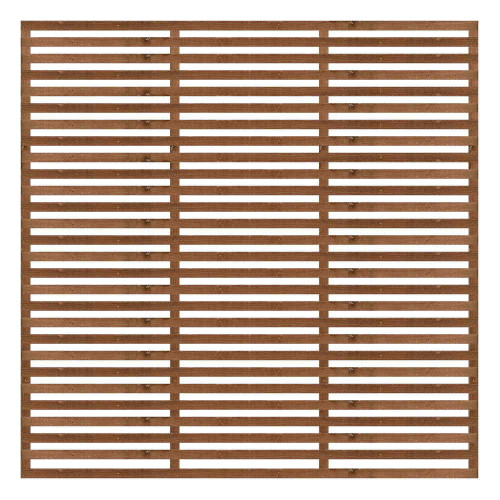
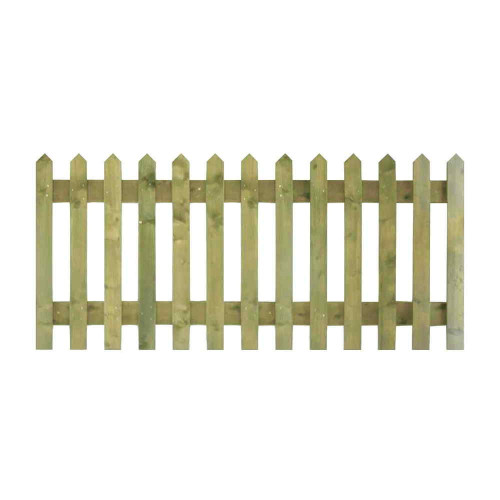
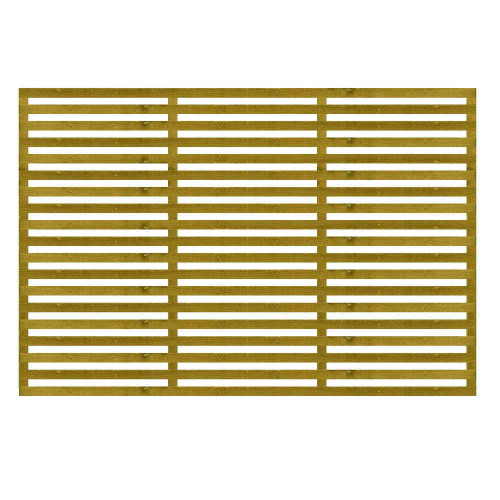
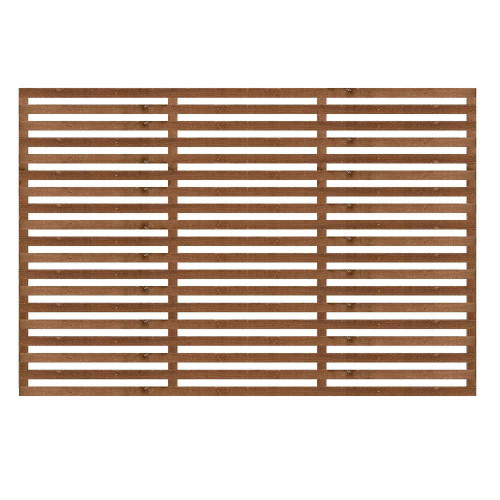
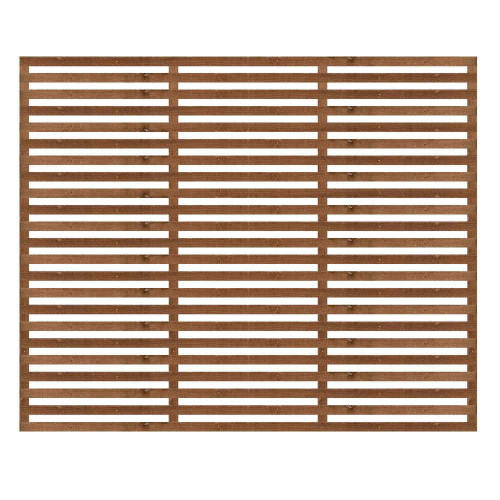
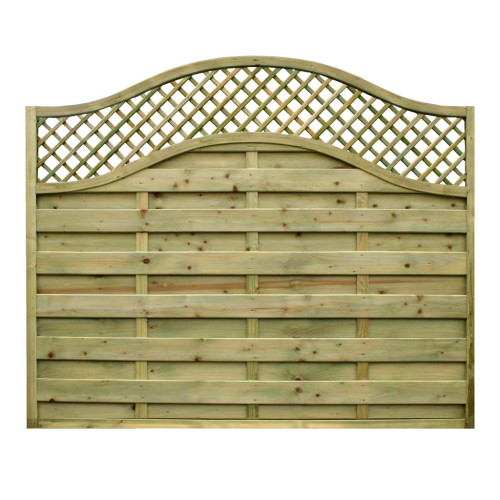
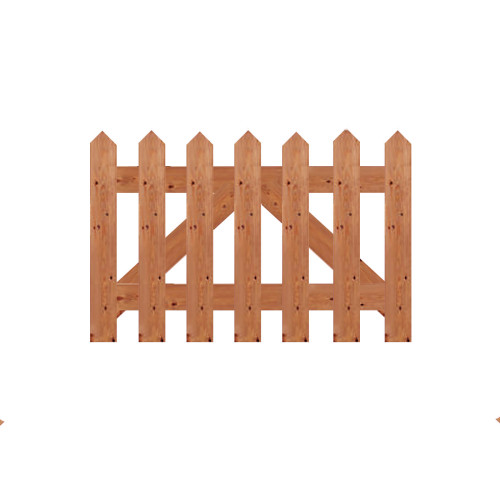
Low picket fence panels can suit front gardens where you want a neat, traditional look without blocking the house. Decorative fence panels can create a smarter appearance where privacy is needed. Trellis panels can be used with climbing plants to soften the boundary without making the garden feel enclosed.
If the front garden has a timber fence, keep the base clear of soil and wet leaves. Gravel boards can help protect fence panels and create a cleaner finish at ground level.
Refresh the garden gate
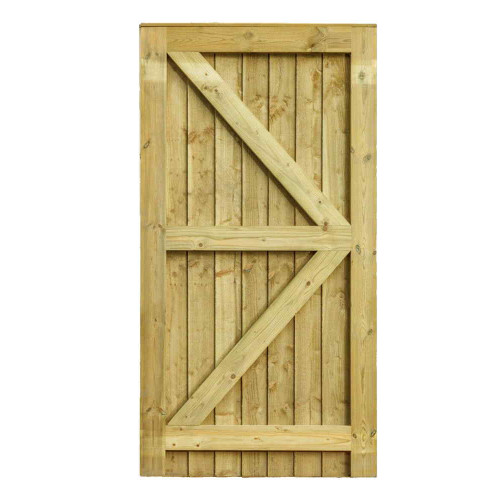
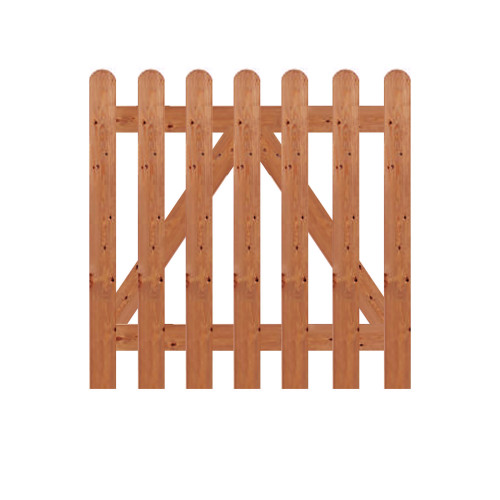
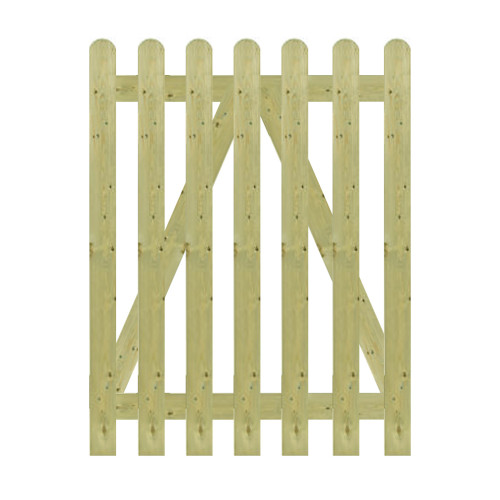
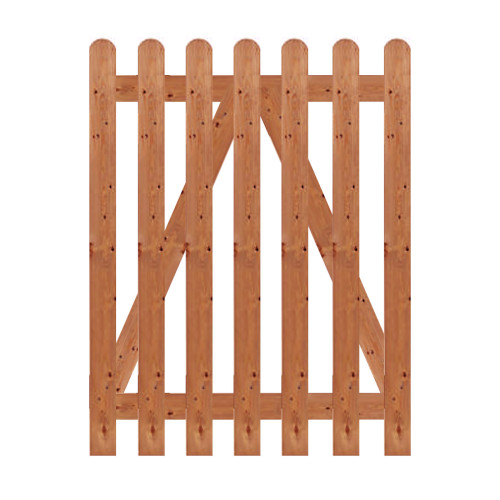
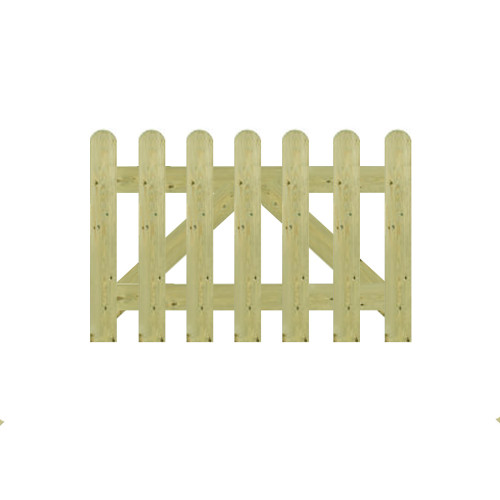
A tired garden gate can make the entrance look poor. If the gate is sound, cleaning, sanding and treating it can make a big difference. Replacing rusty hinges, a broken latch or missing screws is usually inexpensive.
If the gate is rotten, sagging or too damaged to repair, a replacement may be worth prioritising. A simple wooden garden gate can improve both appearance and function.
Check the gate posts as well. A new gate will not work properly if the posts are weak or leaning. Use suitable gate furniture and make sure the gate opens smoothly without dragging along the path.
Use gravel for a low-cost surface
Gravel is often one of the most budget-friendly ways to tidy a front garden surface. It can be used for paths, decorative areas, bin storage spaces or low-maintenance planting zones.
Good preparation is important. Remove weeds, level the area and use a suitable weed control membrane where appropriate. Add edging to keep the gravel in place. Without edging, gravel will spread into lawns, borders and paths.
Gravel works well with drought-tolerant planting, small shrubs, grasses and pots. It can make a front garden look cleaner and more deliberate without the cost of full paving.
Check drainage before covering large areas. Front gardens should not send rainwater towards the house or onto pavements. If you are changing a driveway or large hard surface, make sure drainage rules are considered.
Create a clear path to the front door
A clear route to the front door makes the garden feel organised. If the existing path is sound but dirty, clean it before replacing it. A pressure wash or stiff brush can revive old paving, though care is needed on delicate surfaces.
If the path edges are untidy, add simple edging. Timber edging, bricks, gravel boards or stone can help define the route. A neat edge often improves the appearance of a path more than people expect.
For a very low-cost path, gravel, bark or stepping stones may be suitable depending on use. A main front path should be safe, stable and easy to walk on in wet weather. Avoid loose surfaces that scatter too easily or become slippery.
Use edging to make the garden look finished
Edging is a small detail that can make a front garden look much neater. It separates lawn, gravel, soil and paths. It also reduces maintenance because materials stay where they should.
Budget edging options include timber boards, bricks, reclaimed paving, stones, metal edging or wooden gravel boards. The best choice depends on the style of the house and the materials already used in the garden.
Edges should be installed neatly and securely. Uneven edging can look worse than no edging at all. Use a string line for straight sections and a hosepipe to mark curved sections before cutting or digging.
Keep or improve the lawn if it is worth saving
A small lawn can make a front garden look fresh, but only if it is healthy and easy to maintain. If the lawn is mostly weeds, moss or bare patches, it may need repair.
Improving an existing lawn is usually cheaper than replacing it. Rake out moss, remove weeds, aerate compacted areas, top-dress where needed and overseed bare patches. Water new seed until it establishes.
If the lawn is tiny, shaded or constantly worn by foot traffic, it may be better to replace it with gravel, planting or a path. A poor lawn can make the whole garden look tired.
Choose low-cost plants that work hard
Plants are where many people overspend. Large mature plants give instant impact, but they are expensive. Smaller plants, seeds and divisions from existing plants are cheaper and often establish well with patience.
For budget planting, choose reliable plants that suit the conditions. Do not buy plants only because they are in flower at the garden centre. Check whether they like sun or shade, dry or moist soil, and how large they will become.
Good value plants often include hardy perennials, small shrubs, herbs, bulbs, ornamental grasses and self-seeding annuals. These can provide colour and structure without needing to be replaced every season.
Use perennials for long-term value
Perennials come back year after year, making them good value. Many can also be divided after a few years, giving you more plants for free.
Useful perennials for front gardens may include hardy geraniums, lavender, salvias, heucheras, geums, sedums, nepeta, hostas for shade, and ornamental grasses. Choose plants that suit your soil and light levels.
Plant in groups rather than single plants dotted around the garden. Three or five of the same plant can look more effective than one of everything.
Add structure with small shrubs
Shrubs give a front garden shape throughout the year. They are especially useful in winter when many flowers have died back.
Small evergreen shrubs can frame a path, soften a boundary or add structure near the entrance. Choose compact varieties so they do not outgrow the space or block windows.
A few well-placed shrubs can reduce the need for lots of bedding plants. This saves money over time and makes the garden easier to maintain.
Grow from seed to save money
Seeds are one of the cheapest ways to add colour. They take longer than buying established plants, but the savings can be significant.
Easy annuals can be useful for filling gaps while shrubs and perennials grow. Options may include marigolds, calendula, cosmos, nasturtiums, cornflowers, poppies and sunflowers, depending on the conditions.
Sow in small batches and follow the seed packet instructions. Do not sow more than you can look after. Seedlings still need watering, thinning and protection from slugs.
Use bulbs for affordable seasonal colour
Spring bulbs are good value because they provide colour early in the year, often before many perennials have started growing. Daffodils, crocus, alliums, muscari and tulips can all work well in front gardens.
Plant bulbs in groups for the best effect. A handful of bulbs scattered thinly can look weak, while a cluster creates more impact.
Bulbs can be planted in borders, grass, gravel gardens and containers. They are useful near paths and entrances where early colour is appreciated.
Use containers carefully
Containers are useful in front gardens because they add colour and structure without digging up the whole space. They work well by the front door, beside a gate or along a path.
However, pots can become expensive if you buy too many. A few larger containers often look better than lots of small mismatched pots. Larger pots also hold moisture better and give roots more space.
You can save money by reusing existing pots, painting tired containers or using simple terracotta and plastic pots grouped neatly. Make sure every container has drainage holes.
Upcycle without making the garden look cluttered
Reusing materials can save money, but it needs restraint. Old bricks, stones, timber, pots and paving slabs can all be useful. The aim is to make the garden look considered, not like a storage area.
Good upcycling ideas include using old bricks for edging, reclaimed slabs for stepping stones, timber offcuts for small plant supports, or a cleaned container as a planter.
Avoid using too many quirky items in a small front garden. One or two personal touches can work well. Too many can make the space look untidy.
Improve the soil before buying more plants
Healthy soil is one of the best investments in a budget garden. Plants struggle in compacted, poor or dry soil, no matter how attractive they looked when bought.
Add garden compost, well-rotted organic matter or soil improver before planting. This helps improve soil structure, drainage and moisture retention.
Mulch after planting to reduce weeds and help soil hold moisture. Composted bark, garden compost or leaf mould can all work well. Keep mulch away from plant stems and away from timber fence bases.
Make your own compost
Compost can be expensive if bought regularly. Making your own compost from garden waste and suitable kitchen scraps can save money over time.
A simple compost bin does not need to be complicated. It needs airflow, a mix of green and brown materials, and occasional turning. Grass clippings, plant trimmings, leaves, cardboard and vegetable peelings can all contribute when used sensibly.
Place compost bins where they are practical but not too visible from the street. Screening with trellis panels or planting can help keep the front garden looking tidy if composting is done near the front of the property.
Use mulch for a cleaner look
Mulch is one of the simplest ways to improve a front garden. It makes borders look neater, helps suppress weeds and keeps moisture in the soil.
Bark mulch can create a tidy finish around shrubs and perennials. Gravel mulch can suit Mediterranean-style planting and drought-tolerant gardens. Homemade compost can improve soil while giving a natural finish.
Apply mulch after weeding and watering. Do not pile it against plant stems, house walls, fence panels or wooden gravel boards.
Hide bins without spending too much
Bins are a common problem in front gardens. They are useful but unattractive. A full built-in bin store can be expensive, but there are cheaper ways to screen them.
Trellis panels, simple slatted screens, planting or a short run of decorative fence panels can help hide bins from the main view. Make sure the bins remain easy to move on collection day.
Gravel can create a clean standing area beneath bins. Edging helps keep the gravel contained and makes the storage area look intentional.
Add privacy without blocking the whole garden
Front gardens often need a balance between privacy and openness. A very tall solid fence at the front can feel unfriendly and may not be suitable in some locations. Lower fencing, trellis, planting or a mixed boundary may work better.
Picket fence panels can create a neat front boundary while keeping the space open. Trellis panels with climbers can soften views without forming a heavy barrier. Low shrubs can screen windows or seating areas while still allowing light through.
Before changing front boundary height, check any relevant planning rules, especially near roads and pavements.
Paint or treat tired timber
If existing timber fencing, gates or edging are sound but weathered, treating or painting them can make the front garden look refreshed at low cost.
Clean the timber first and let it dry. Repair loose boards or fixings before applying treatment. Use an exterior product suitable for the timber.
A consistent colour across fence panels, garden gates and timber edging can make the garden feel more organised. Darker colours can make boundaries recede and help planting stand out.
Use lighting sparingly
Lighting can improve a front garden, but it does not need to be expensive or excessive. A simple light by the front door, low-level path lighting or a small solar light near the entrance may be enough.
Use lighting for safety first. Steps, uneven paths and entrances should be easy to see. Decorative lighting should be subtle.
Solar lights are cheap and easy to install, but quality varies. A few well-placed lights usually look better than many scattered ones.
Create a focal point
A focal point gives the front garden something to centre on. It does not need to be expensive. A neat container by the door, a small tree, a clipped shrub, a bird bath, a bench or an attractive gate can all work.
The focal point should suit the size of the garden. In a small front garden, one strong feature is usually enough.
Avoid placing too many decorative items near the entrance. The garden should guide the eye to the front door, not distract from it.
Choose low-maintenance planting
A front garden needs to look good even when you are busy. Low-maintenance planting is usually a better choice than plants that need constant watering, deadheading, staking or replacing.
Reliable shrubs, hardy perennials, grasses, herbs and ground cover plants can all reduce maintenance. Plants that suit the conditions will need less care than plants forced into the wrong spot.
If the garden is hot and dry, choose drought-tolerant plants. If it is shaded, choose shade-tolerant plants. Working with the conditions saves money and effort.
Use ground cover to reduce weeds
Ground cover plants can help cover bare soil and reduce weeds. They are useful under shrubs, along path edges and in small beds where open soil would otherwise need frequent weeding.
Good ground cover depends on the site. Some plants prefer shade, while others need sun. Choose carefully and avoid overly vigorous plants that may take over.
Ground cover takes time to establish, so mulch can help while plants fill out.
Make the entrance feel welcoming
The front door area is often the most important part of the front garden. A clean path, working gate, healthy pots and trimmed planting can make the entrance feel cared for.
Simple improvements include sweeping the doorstep, cleaning the path, painting the gate, adding two matching pots, replacing a broken door number or trimming plants that crowd the entrance.
You do not need to redesign the whole garden to improve kerb appeal. Sometimes the entrance area gives the strongest return for the least money.
Think about drainage
Budget garden improvements should not create drainage problems. Avoid covering large areas with non-permeable surfaces without thinking about where rainwater will go.
Gravel, planting beds and permeable surfaces can help water soak into the ground. Paving and concrete may need proper falls and drainage.
Keep air bricks, drains and damp proof courses clear. Do not pile soil, mulch or gravel too high against the house.
Make use of vertical space
Small front gardens often have limited ground space. Vertical planting can add greenery without taking up much room.
Trellis panels, wall-mounted planters, climbing plants and narrow upright shrubs can all help. A climber by a doorway or trained along a trellis can soften hard surfaces and add seasonal interest.
Make sure climbers are suitable for the space and are kept under control. Avoid vigorous plants that may damage walls, gutters or weak fencing.
Budget-friendly front garden ideas
Here are practical ideas that can improve a front garden without major cost:
- Weed and mulch existing beds
- Clean the path and doorstep
- Paint or treat a tired gate
- Replace broken fence panels or loose boards
- Add gravel to a messy bin storage area
- Use edging to define borders
- Plant small shrubs instead of large mature plants
- Grow annual flowers from seed
- Add spring bulbs for low-cost colour
- Group existing pots for more impact
- Use trellis to screen bins or soften a wall
- Overseed a tired lawn
- Divide existing perennials to create new plants
- Use reclaimed bricks or slabs for edging
- Add one strong container by the front door
What to avoid in a budget front garden
Trying to save money in the wrong places can create more work later. Avoid cheap materials that will fail quickly, plants that do not suit the conditions and layouts that make maintenance difficult.
Common mistakes include:
- Buying plants without checking their mature size
- Using too many different materials
- Choosing plants that need more care than you can give
- Ignoring soil quality
- Covering drainage points
- Installing weak fencing in exposed areas
- Using indoor fixings on outdoor timber
- Letting bins dominate the main view
- Planting shrubs too close to paths, windows or gates
- Adding too many ornaments
A front garden should be easy to keep tidy. If the design needs constant work to look acceptable, it may not be the right design.
Front garden checklist
Use this checklist before starting your budget front garden project:
- Measure the space and sketch a simple layout
- Decide what the garden needs to do
- Set a clear budget
- Clear weeds, rubbish and dead plants first
- Check the path, boundary, gate and bin area
- Improve soil before planting
- Choose plants that suit sun, shade and soil conditions
- Use perennials, bulbs and small shrubs for long-term value
- Add edging to define beds and paths
- Use gravel or mulch to tidy bare areas
- Repair or refresh fence panels and gates where needed
- Keep the entrance clear and welcoming
- Plan maintenance before adding new features
Frequently asked questions
How can I make my front garden look better cheaply?
Start by clearing weeds, cutting back overgrown plants, cleaning paths, repairing the gate or fence and adding mulch to beds. These low-cost jobs often make the biggest immediate difference.
What is the cheapest way to cover a front garden?
Gravel is often a cost-effective surface if installed properly with edging and weed control. Planting beds with mulch can also be affordable and attractive.
What plants are best for a low-cost front garden?
Hardy perennials, small shrubs, bulbs, herbs, ornamental grasses and annuals grown from seed can all offer good value. Choose plants that suit your garden’s light and soil conditions.
How can I make a small front garden look bigger?
Keep the design simple, use a limited number of materials, avoid clutter, create a clear path and use lower planting near the front. A tidy boundary and repeated planting can also make the space feel larger.
What is a low-maintenance front garden?
A low-maintenance front garden uses reliable plants, clear edges, mulch, simple surfaces and easy access. It avoids fussy bedding schemes, difficult lawns and plants that need constant pruning or watering.
Can I use fence panels in a front garden?
Yes, but the style and height should suit the location. Picket fence panels, decorative fence panels and trellis panels can work well in front gardens. Check any relevant height rules, especially near roads or pavements.
How do I hide bins in a front garden cheaply?
Use a simple screen made from trellis panels, slatted fencing, planting or a short decorative fence section. Make sure the bins remain easy to move and the area is easy to clean.
Is gravel good for front gardens?
Gravel can be good for front gardens because it is affordable, permeable and tidy when installed with proper edging. It needs good preparation to prevent weeds and spreading.
How can I improve my front garden without removing everything?
Keep what works and improve around it. Prune existing shrubs, divide perennials, repair boundaries, add mulch, clean paths and fill gaps with a few well-chosen plants.
What should I prioritise first?
Prioritise the entrance, boundary and main view from the street. A clean path, tidy gate, repaired fencing and healthy planting near the front door usually give the best early improvement.
Final thoughts
Creating a better front garden on a budget is not about buying the cheapest materials or filling the space with as many plants as possible. It is about making careful choices that improve the garden’s appearance, function and maintenance.
Start with the basics. Clear the space, repair what is broken, improve the soil and create neat edges. Then add reliable plants, mulch, containers, gravel or simple screening where they will make the most difference.
A smart front garden does not need to be complicated. With a clear plan, a tidy boundary, suitable planting and a welcoming entrance, even a small budget can make the front of the house look more attractive and cared for.