

Choosing the right fencing material has a big effect on how your garden looks, how private it feels and how much maintenance it will need. A fence is not just a boundary. It can protect the garden, frame planting, support climbing plants, screen bins, improve security and make the whole outdoor space feel more finished.
There is no single best fencing material for every property. The right choice depends on your budget, garden style, exposure to wind, need for privacy, maintenance preferences and how long you want the fence to last. A sheltered back garden may suit timber fence panels perfectly, while an exposed boundary may need stronger posts, gravel boards or a more wind-friendly design.
This guide compares the most common fencing materials and systems, including timber fencing, composite fencing, metal fencing, vinyl or plastic fencing, concrete posts and gravel boards. It also explains how to choose the best option for privacy, security, low maintenance, windy gardens and overall value.
Start with what the fence needs to do
Before comparing materials, decide what you need the fence to achieve. A decorative front garden fence has very different requirements from a full-height rear garden privacy fence.
Ask yourself a few practical questions:
- Do you need full privacy or just a clear boundary?
- Is the garden exposed to strong wind?
- Do you want a natural timber look or a modern finish?
- How much maintenance are you willing to do?
- Is the fence near damp soil, planting or a lawn?
- Will you need a matching garden gate?
- Are you replacing panels between existing posts?
- Do you want to add trellis or climbing plants?
- Is the budget for a short-term fix or a long-term boundary?
The answers will help narrow the choice. A fence that looks good but does not suit the site may become expensive later.
Timber fencing
Timber fencing is one of the most common choices for UK gardens. It is familiar, practical and available in many styles, from closeboard fence panels and lap fence panels to picket fencing, slatted panels and decorative designs.
Wooden fencing works well because it suits most gardens. It blends naturally with lawns, borders, patios, trees and shrubs. It can also be painted, stained or left to weather, depending on the look you want.
Timber fence panels are often the most straightforward option for homeowners because they can be fitted between wooden fence posts or concrete fence posts. If a panel is damaged, it can often be replaced without rebuilding the whole fence line.
Advantages of timber fencing
- Natural appearance that suits most gardens
- Wide range of styles and heights
- Good choice for privacy fencing
- Can be painted, stained or treated
- Often more affordable than composite or metal systems
- Works well with trellis panels, gravel boards and garden gates
- Individual parts can often be repaired or replaced
Disadvantages of timber fencing
- Needs maintenance over time
- Can rot if kept in contact with damp soil
- Can move, warp or split as weather conditions change
- May be damaged by strong winds if poorly installed
- Lower-quality panels may not last as long
Timber fencing is a strong all-round choice, but the quality of the panel, post and installation matters. Treated timber, suitable fixings and gravel boards can all help improve its lifespan.
Closeboard fencing
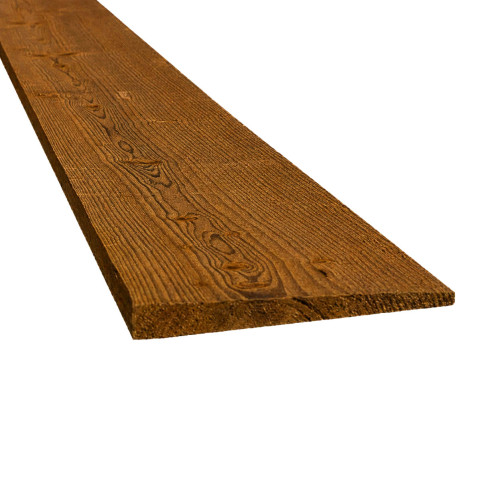
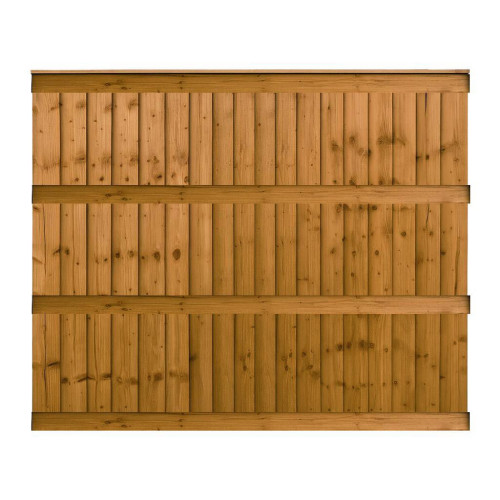
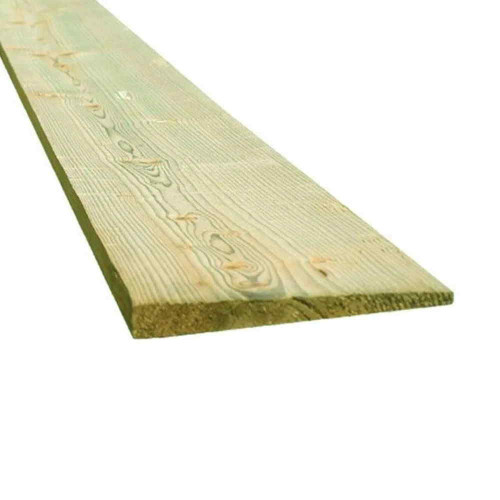
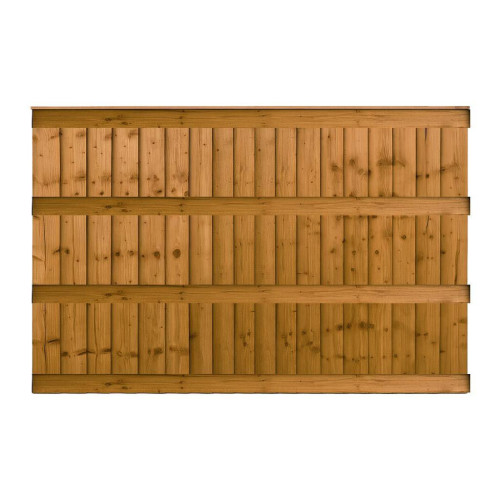
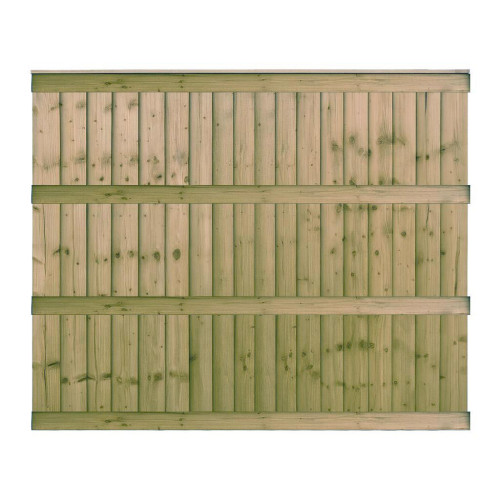
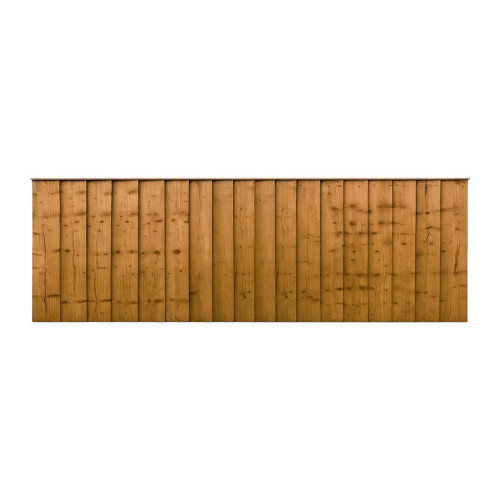
Closeboard fencing, also known as feather edge fencing, is one of the strongest timber fencing options. It is made from overlapping vertical feather edge boards, creating a solid and private boundary.
Closeboard fence panels are popular for rear gardens because they offer good privacy and a traditional appearance. Traditional closeboard fencing can also be built on site from posts, rails and individual boards, which can be useful on slopes or awkward boundaries.
Best for
- Privacy
- Rear garden boundaries
- Strong traditional fencing
- Replacing tired or weak panels
- Gardens where a solid screen is needed
Things to consider
Closeboard fencing is solid, so it catches more wind than open styles. In exposed gardens, it needs strong posts and secure installation. Concrete fence posts and concrete gravel boards can be worth considering where durability is important.
Closeboard fencing also benefits from capping and gravel boards. Capping helps protect the top edge, while gravel boards keep the bottom of the panel away from damp ground.
Lap fence panels
Lap fence panels, including waney lap fence panels, are a common budget-friendly fencing option. They are made from overlapping horizontal timber boards fixed into a frame.
They are often chosen for straightforward garden boundaries where cost is an important factor. They provide privacy and a traditional look, but they are usually lighter than closeboard panels.
Advantages of lap fence panels
- Cost-effective
- Widely available
- Traditional garden appearance
- Good for simple boundary replacement
- Can be used with wooden or concrete posts
Disadvantages of lap fence panels
- Usually less robust than closeboard fencing
- May not perform as well in exposed locations
- Can be more vulnerable to damage if low quality
- May need replacing sooner than heavier-duty panels
Lap panels can be a sensible choice for sheltered gardens and budget projects. For windy or high-wear locations, a stronger fence panel may be better value over time.
Slatted fence panels
Slatted fence panels are popular in modern garden design. They use horizontal or vertical battens with gaps between them, creating a lighter and more contemporary appearance.
Slatted fencing can help divide spaces, screen patios and create a stylish backdrop for planting. Double slatted fence panels offer more screening than single slatted designs while still allowing some air through.
Advantages of slatted fencing
- Modern appearance
- Allows some airflow
- Can make small gardens feel less enclosed
- Works well around patios and seating areas
- Good backdrop for ornamental grasses and contemporary planting
Disadvantages of slatted fencing
- May provide less privacy than solid panels
- Long horizontal boards need good support
- Can be more expensive than basic lap panels
- Gaps may not suit every boundary
Slatted fencing is a good choice where appearance and airflow matter. If privacy is the main aim, check the spacing and consider double slatted designs.
Hit and miss fencing
Hit and miss fence panels are built with boards fixed alternately on each side. This allows air to pass through while still providing screening. They are often chosen for windy gardens because they reduce pressure compared with a fully solid panel.
They also look presentable from both sides, which can be useful on shared boundaries.
Advantages of hit and miss fencing
- Good airflow
- Useful in windy gardens
- Attractive from both sides
- Provides partial privacy
- Strong and practical appearance
Disadvantages of hit and miss fencing
- Less private than closeboard fencing
- Usually more expensive than basic lap panels
- Still needs strong posts in exposed locations
Hit and miss fencing is a useful compromise when you need screening but do not want a fully solid wind barrier.
Picket fencing
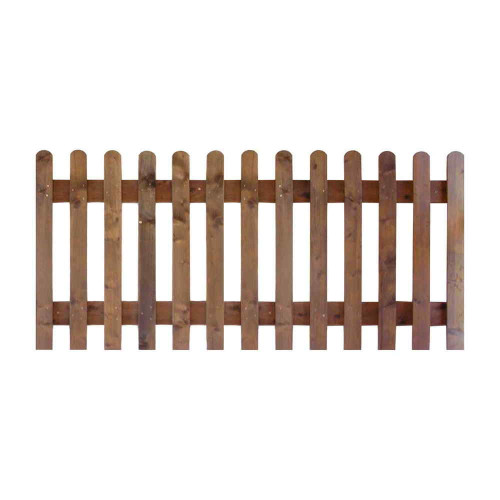
Picket fence panels are most often used in front gardens, cottage-style gardens and areas where a low, decorative boundary is wanted. They create a clear edge without blocking light or views.
Wooden picket fencing is not usually chosen for privacy, but it can improve the appearance of a front garden and make the boundary feel more finished.
Advantages of picket fencing
- Traditional and decorative
- Good for front gardens
- Allows light and airflow
- Less imposing than tall fencing
- Works well with planting
Disadvantages of picket fencing
- Offers little privacy
- Lower security than tall fencing
- Needs timber maintenance over time
Picket fencing is best where the aim is to define a boundary rather than screen the garden completely.
Trellis fencing
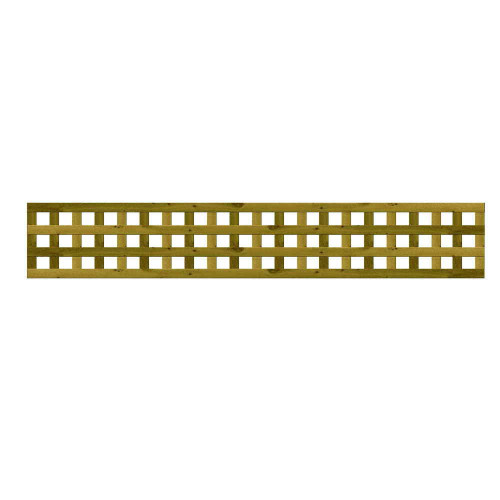
Trellis panels are used for screening, decoration and climbing plant support. They can be fitted as standalone panels, used as fence toppers or added to walls and existing boundaries.
Trellis is useful where you want height without a completely solid fence. It can soften a boundary and support climbers such as clematis, jasmine, honeysuckle or climbing roses.
Advantages of trellis panels
- Good for climbing plants
- Allows light and air through
- Can add height without a heavy look
- Useful for screening patios or bins
- Available in traditional, square, diamond and privacy styles
Disadvantages of trellis panels
- Not as private as solid fencing unless planted
- Can become heavy when covered with mature climbers
- Needs strong support in windy gardens
- May not suit high-security boundaries
Trellis works best as a supporting or decorative feature. If it is being added above fence panels, make sure the posts can handle the extra height and wind load.
Composite fencing
Composite fencing is made from a mix of materials, often including wood fibres and plastic. It is designed to offer a timber-like look with lower maintenance than traditional wood.
It can be a good option for homeowners who want a neat modern fence and do not want regular painting or staining. Composite fencing is often used in contemporary gardens and around patios or outdoor living areas.
Advantages of composite fencing
- Lower maintenance than timber
- Resistant to rot and insect damage
- Consistent appearance
- Can suit modern garden designs
- Does not need regular staining in the same way as timber
Disadvantages of composite fencing
- Higher initial cost than many timber panels
- Fewer traditional styles available
- Can expand and contract with temperature
- May look less natural than real timber
- Repairs may involve replacing system parts
Composite fencing can be a good long-term choice if low maintenance is a priority. Check the quality of the system, the post type and the installation requirements before buying.
Metal fencing
Metal fencing is usually chosen for security, durability or a decorative boundary that does not block views. Common options include steel railings, aluminium fencing and wrought iron-style designs.
Metal fencing can work well in front gardens, driveways, commercial properties and areas where a strong boundary is needed without full privacy.
Advantages of metal fencing
- Strong and durable
- Good for security
- Allows visibility and airflow
- Can suit traditional or modern properties
- Useful for front boundaries and driveways
Disadvantages of metal fencing
- Usually offers little privacy
- Can be expensive
- Some metals need maintenance to prevent rust
- May feel too hard or formal for some gardens
Metal fencing is not the best option if full privacy is needed, unless combined with planting or screening. It is often strongest where security and boundary definition matter more than screening.
Aluminium fencing
Aluminium fencing is lightweight, corrosion-resistant and often used where a clean, modern boundary is wanted. It can be useful in coastal areas because aluminium does not rust in the same way as iron or untreated steel.
Advantages of aluminium fencing
- Resistant to corrosion
- Low maintenance
- Lightweight
- Modern appearance
- Suitable for open boundary designs
Disadvantages of aluminium fencing
- Less private than timber panels
- May not offer the same impact strength as heavier metal systems
- Can be more expensive than standard timber fencing
Aluminium fencing is worth considering where rust resistance and low maintenance are important, especially for open front boundaries or decorative fencing.
Steel and wrought iron-style fencing
Traditional wrought iron fencing is associated with strength and decorative detail. Modern versions are often made from steel with protective coatings. These fences can look elegant and secure, especially around front gardens and driveways.
Advantages of steel or wrought iron-style fencing
- Strong and secure
- Decorative appearance
- Long-lasting when properly protected
- Good for entrances, front boundaries and period properties
Disadvantages of steel or wrought iron-style fencing
- Can be expensive
- Needs protection against rust
- Offers limited privacy
- Repairs may require specialist work
In coastal or exposed locations, metal coatings and fixings need particular care. Salt air can accelerate corrosion if the material is not suitable.
Chain link fencing
Chain link fencing is practical, affordable and commonly used for large areas, commercial boundaries, allotments, sports spaces and utility areas. It is not usually chosen for decorative garden design, but it can be effective where function matters most.
Advantages of chain link fencing
- Cost-effective for large areas
- Allows airflow and visibility
- Quick to install in many settings
- Practical for utility boundaries
- Can be combined with planting for screening
Disadvantages of chain link fencing
- Limited privacy
- Industrial appearance
- Not always suitable for residential garden style
- May need tensioning and repairs over time
Chain link is a functional material rather than a decorative one. It can be useful in the right setting but is not usually the first choice for a private domestic garden boundary.
Vinyl or plastic fencing
Vinyl or plastic fencing is often promoted as a low-maintenance alternative to timber. It does not rot like wood and does not need staining in the same way.
It can work in some gardens, but quality, strength and appearance vary. Lightweight plastic fencing may not cope well with exposed conditions, so check the product carefully.
Advantages of vinyl or plastic fencing
- Low maintenance
- Does not rot
- Easy to clean
- Resistant to insect damage
- Available in several styles
Disadvantages of vinyl or plastic fencing
- May not look as natural as timber
- Can be damaged by impact
- Lower-quality products may discolour or become brittle
- Repairs may require replacing whole sections
- May not suit all traditional gardens
Vinyl fencing can be suitable if low maintenance matters more than a natural timber finish. For exposed sites, strength and installation quality need careful attention.
Concrete fencing components
Concrete is not usually used for full garden fence panels in the same way as timber, but concrete posts and concrete gravel boards are common in UK fencing. They are often used with timber fence panels to create a stronger and more durable system.
Concrete fence posts
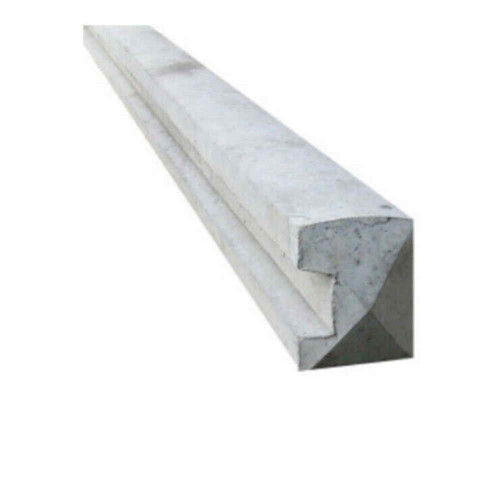
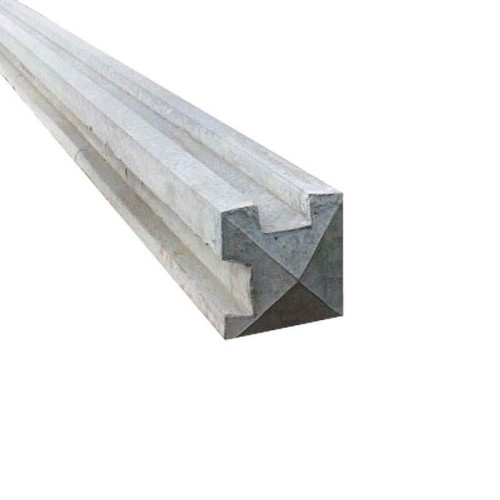
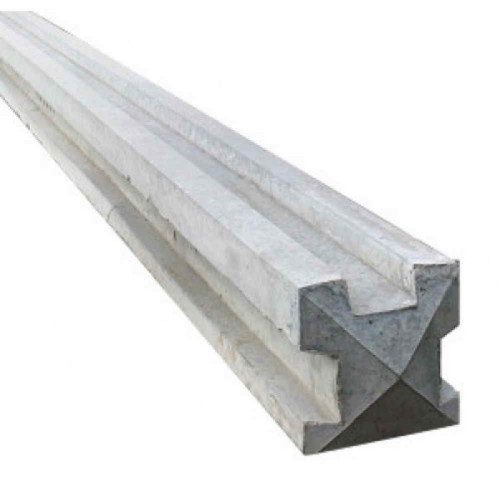
Concrete fence posts are durable, strong and resistant to rot. Slotted concrete posts allow fence panels and gravel boards to be fitted between them. If a panel is damaged later, it may be possible to replace the panel without replacing the posts.
Concrete gravel boards
Concrete gravel boards sit at the base of the fence and protect timber panels from damp soil. They are especially useful in wet gardens, along flower beds or where long-term durability matters.
Advantages of concrete components
- Very durable
- Resistant to rot
- Strong support for fence panels
- Useful in exposed gardens
- Can make future panel replacement easier
Disadvantages of concrete components
- Heavy to handle and install
- More difficult for DIY work
- Different appearance from all-timber fencing
- May cost more initially than timber posts
Concrete posts and gravel boards are a practical upgrade for many garden fences, especially where strength and lifespan are more important than an all-timber appearance.
Timber posts or concrete posts?
Fence posts are one of the most important parts of the fence. A good panel will not perform well if the posts are weak, shallow or rotten.
Wooden fence posts are easier to handle, cut and fix into. They give a natural appearance and suit most timber fence styles. They are often chosen for DIY projects and gardens where an all-timber look is preferred.
Concrete fence posts are heavier and more difficult to install, but they are durable and resistant to rot. They are often a strong choice for exposed boundaries, long fence runs and gardens where future panel replacement is expected.
If using timber posts, choose treated posts suitable for ground contact and keep the base as dry as possible. If using concrete posts, plan handling and installation carefully because they are heavy.
Do gravel boards matter?
Gravel boards are worth considering for most garden fences. They sit under the fence panel and help protect it from damp ground, soil, mulch, leaves and grass cuttings.
This is especially useful with timber panels. Even treated timber can deteriorate faster if it is in constant contact with wet soil. A gravel board creates a sacrificial or protective base layer.
Concrete gravel boards provide the best durability. Wooden gravel boards offer a more natural appearance but need more maintenance. Either option can help make the fence line look neater and last longer.
Best fencing material for privacy
For privacy, solid timber fencing is usually the most practical choice. Closeboard fence panels are one of the strongest options because the overlapping boards create a dense screen.
Lap fence panels also provide privacy at a lower cost, though they are usually less robust. Double slatted panels can offer partial privacy with a more modern look. Trellis can add screening when planted, but it is not usually private on its own.
If privacy is the priority, avoid open metal fencing, chain link and picket fencing unless they are combined with hedging or planting.
Best fencing material for security
Security depends on height, strength, visibility, gate quality and installation. A strong fence with a weak gate is not secure.
Closeboard fencing can provide good privacy and a solid barrier. Metal railings can offer strength and visibility, which may be useful for front boundaries. Concrete posts can improve the strength of panel fencing.
Garden gates should have strong gate posts, suitable hinges, latches and locks. Gate furniture matters just as much as the fence material.
Best fencing material for windy gardens
Windy gardens need careful fence choice. Solid panels give privacy, but they catch more wind. Open or semi-open designs reduce pressure.
Good options for windy gardens may include hit and miss fence panels, slatted fence panels, picket fencing for low boundaries and well-supported trellis in suitable positions.
If you need solid panels in a windy garden, use strong posts, suitable post depth, good fixings and consider concrete posts. Avoid adding extra height or heavy climbers to a fence that is already exposed.
Best fencing material for low maintenance
Low-maintenance options include composite, vinyl, aluminium and timber systems using concrete posts and gravel boards. However, no fence is completely maintenance-free.
Timber needs more regular checks and treatment, but it is easy to repair and widely available. Composite and vinyl reduce painting and staining, but may be harder to repair if system parts are damaged. Aluminium resists corrosion well, but it does not provide much privacy unless designed with screening.
For many gardens, a practical low-maintenance compromise is timber fence panels fitted with concrete posts and concrete gravel boards.
Best fencing material for front gardens
Front gardens often need a fence that looks welcoming rather than overly enclosed. Picket fence panels, metal railings, low decorative fence panels and trellis with planting can all work well.
Full-height solid fencing may not be suitable for some front gardens, especially near roads or pavements. Always consider visibility, planning rules and the style of the house.
A low timber fence with a matching garden gate can improve kerb appeal without making the front of the property feel closed off.
Best fencing material for coastal gardens
Coastal gardens need fencing that can cope with salt air, wind and moisture. Materials and fixings must be chosen carefully.
Hit and miss panels or slatted panels can help reduce wind pressure. Closeboard fence panels can work where privacy is needed, but they need strong posts. Concrete fence posts and concrete gravel boards are often useful near the coast because they resist rot and provide strong support.
Metal components should be corrosion-resistant and suitable for salty air. Poor-quality fixings can fail quickly in coastal conditions.
Best fencing material for sloping gardens
For sloping gardens, the installation method matters as much as the material. Standard fence panels are often stepped. Traditional closeboard fencing built from individual components can be more flexible because it can follow the slope more closely.
Gravel boards can help manage gaps at the base. On steep slopes, careful planning is needed to maintain privacy and avoid awkward lines.
Comparing fencing materials by cost
Costs vary depending on quality, height, style, installation and location. As a general guide, standard timber lap panels are often among the more affordable options. Closeboard fence panels cost more but are usually stronger. Decorative panels, slatted panels, composite fencing and metal fencing tend to cost more.
Do not judge cost only by the panel price. Posts, gravel boards, fixings, post mix, gate furniture and labour all affect the final cost. A cheaper panel fitted to weak posts may cost more in the long run if it fails early.
Think in terms of value rather than lowest purchase price. A durable fence that suits the site is usually better value than a cheap fence that needs frequent repairs.
Comparing fencing materials by appearance
Appearance is personal, but some materials suit certain garden styles better than others.
Timber is the most versatile and suits both traditional and modern gardens. Closeboard panels create a solid, classic backdrop. Slatted panels suit contemporary designs. Picket fencing works well in cottage-style and front gardens. Trellis softens boundaries with planting.
Metal fencing can look elegant or formal, especially at the front of a property. Composite fencing gives a cleaner modern finish. Concrete posts and gravel boards are more practical in appearance, but they can be balanced with attractive timber panels and planting.
Comparing fencing materials by maintenance
Maintenance is a major factor when choosing fencing. Timber needs the most regular attention, especially in damp or exposed areas. It may need cleaning, treatment, repair and checks for rot or loose fixings.
Composite and vinyl need less surface treatment, but they should still be cleaned and inspected. Metal fencing may need checks for rust or coating damage. Concrete posts and gravel boards need little maintenance but should be checked for cracks or movement.
If you do not want regular maintenance, avoid delicate timber designs in exposed areas and consider more durable support components.
Choosing fence materials for the whole system
A fence is not just the panel. It is a system made from panels, posts, gravel boards, fixings, gates and sometimes trellis. The system must suit the site.
For example, a strong closeboard fence panel fitted to shallow timber posts may still fail in strong wind. A low-cost lap panel may last longer if it is lifted off the ground with a gravel board and fitted securely between sound posts.
When choosing materials, consider:
- Fence panel type
- Post material
- Gravel board material
- Fixings and clips
- Gate posts and gate furniture
- Exposure to wind
- Ground conditions
- Maintenance access
- Overall finished height
The best fence is the one where all these parts work together.
Common mistakes when choosing fencing materials
Many fencing problems start with choosing the wrong material for the location. Common mistakes include:
- Choosing panels based only on price
- Ignoring wind exposure
- Using timber panels directly against damp soil
- Forgetting gravel boards where they are needed
- Using weak posts for tall fencing
- Adding trellis to posts that are not strong enough
- Choosing open fencing when privacy is required
- Choosing solid fencing in a very exposed garden without strong support
- Ignoring gate weight and gate post strength
- Using poor-quality fixings outside
- Not checking planning height limits
- Forgetting future maintenance access
A fence should be chosen for the real conditions of the garden, not just for how it looks in a photograph.
Fencing material comparison checklist
Before choosing fencing materials, work through this checklist:
- Decide whether privacy, security, appearance or budget is most important
- Check whether the garden is sheltered or exposed
- Measure the boundary accurately
- Choose a panel style that suits the site
- Decide between wooden posts and concrete posts
- Consider gravel boards to protect the base
- Choose fixings suitable for outdoor use
- Plan any garden gates before ordering materials
- Think about whether trellis or planting will be added
- Check total finished height
- Consider long-term maintenance
- Choose a material that matches the house and garden style
Frequently asked questions
What is the best fencing material for gardens?
For most UK gardens, treated timber fence panels are a practical and versatile choice. Closeboard fence panels are good for privacy and strength, while lap panels are often more budget-friendly. The best option depends on the site, budget and maintenance expectations.
What fencing lasts the longest?
Longevity depends on material quality, installation and maintenance. Concrete posts and concrete gravel boards can last a long time and help support timber panels. Composite and metal systems can also last well if they are good quality and installed correctly.
Is timber fencing better than composite fencing?
Timber is natural, versatile and widely available. Composite is usually lower maintenance but more expensive and may look less natural. Timber is often easier to repair, while composite can suit modern low-maintenance gardens.
What is the best fence for privacy?
Closeboard fence panels are one of the best choices for privacy because the overlapping boards create a solid screen. Lap panels also provide privacy at a lower cost, while double slatted panels can offer partial privacy with a modern appearance.
What is the best fence for windy areas?
Hit and miss fence panels and slatted fence panels are often useful in windy gardens because they allow some airflow. If using solid panels, strong posts and secure installation are essential.
Are concrete fence posts better than wooden posts?
Concrete posts are more durable and resistant to rot, but they are heavier and have a different appearance. Wooden posts are easier to handle and give a natural timber look, but they need more maintenance.
Do I need gravel boards?
Gravel boards are not always essential, but they are often recommended. They keep fence panels away from damp soil and garden debris, helping to protect the bottom of the fence.
What is the cheapest fencing material?
Standard timber lap panels are often among the cheapest garden fencing options. Chain link can be cost-effective for large functional areas, but it is not usually chosen for domestic privacy.
What fencing is best for front gardens?
Picket fence panels, low decorative fence panels and metal railings often work well in front gardens. They define the boundary without making the property feel too enclosed.
Can I mix fencing materials?
Yes. Many gardens use timber panels with concrete posts and concrete gravel boards. Trellis can be added to timber fencing, and metal gates can be combined with walls or planting. The key is to make the materials look intentional and ensure they work structurally.
Final thoughts
Choosing the right fencing material is about balancing appearance, privacy, strength, maintenance and budget. Timber fencing remains one of the most practical choices for many gardens because it is versatile, attractive and available in many styles. Closeboard fence panels are strong and private, lap panels are cost-effective, slatted panels look modern, and picket fencing works well for front gardens.
Composite, vinyl and metal fencing can also be useful where low maintenance, durability or a specific style is important. Concrete posts and gravel boards are worth considering with many panel types because they add strength and protect the fence from ground moisture.
The best fence is not just the best-looking panel. It is the right combination of panels, posts, gravel boards, fixings and gates for the conditions in your garden. Choose carefully, install properly and maintain it sensibly, and your fence will do its job well for years.