


Cracks, loose bricks, bulging sections and crumbling mortar should not be ignored. On a garden wall, boundary wall or brick gate pier, these are often signs that water, movement, age or frost damage is starting to affect the brickwork.
Some small repairs can be handled by a careful DIYer, especially minor repointing or replacing a few damaged bricks. Larger cracks, leaning walls, bulging sections and unstable piers should be checked by a suitable professional before work starts.
Quick answer: To repair a damaged brick wall, first identify the cause. Small mortar failures can often be repointed. Spalled or cracked bricks may need replacing. Wider or stepped cracks may need crack stitching or professional inspection. Bulging, leaning or unstable walls should be treated as structural issues and assessed before repair.
How To Assess A Damaged Brick Wall
Start by looking closely at the type of damage. A small hairline crack is very different from a stepped crack running through several courses of brickwork.
Take clear photos and note where the damage appears. Check whether it is near a corner, gate pier, tree root, drain, retaining area or section of wall that stays damp for long periods.
Pay particular attention to:
- Crack width: Very fine cracks may be cosmetic, while wider or growing cracks may suggest movement.
- Crack pattern: Stepped cracks along mortar joints often need more attention than small surface cracks.
- Bulging or leaning: A wall that is out of line may have lost strength and should be checked carefully.
- Spalled bricks: Flaking faces often happen when bricks become saturated and are then exposed to frost.
- Mortar condition: Powdery or missing mortar usually means repointing is needed.
- Damp signs: Green growth, white salts or soft brickwork can point to water getting into the wall.
When To Get Professional Help
Get professional advice if the wall is leaning, bulging, supporting a structure, retaining soil, or if cracks are wide, stepped or getting worse.
You should also be cautious with brick piers that support gates. A gate puts repeated strain on the pier every time it opens and closes, so damaged brickwork around hinges needs proper attention.
If the wall is listed, in a conservation area or part of a shared boundary, check whether any permissions or agreements are needed before repair work starts.
Common Brick Wall Problems At A Glance
| Problem | Likely Cause | Typical Repair | When To Get Help |
|---|---|---|---|
| Crumbling mortar | Weathering, age or moisture | Repointing | If large areas are loose or unstable |
| Spalled brick faces | Frost damage or trapped moisture | Replace affected bricks | If damage is widespread |
| Stepped cracks | Movement or settlement | Crack stitching or rebuild, depending on cause | If cracks are wide or active |
| Bulging wall | Water ingress, poor bonding or pressure behind wall | Partial rebuild may be needed | Always if unstable or leaning |
| Loose gate pier | Gate movement, weak mortar or poor footing | Rebuild or strengthen pier | If supporting a gate |
Tools And Materials You May Need
The tools you need depend on the repair. Repointing a few joints needs far less kit than rebuilding a damaged section.
- Bolster chisel, club hammer or mortar rake
- Brick trowel, pointing trowel and jointing tool
- Bucket, mixing tub or small mixer
- Soft brush and stiff hand brush
- Spirit level, line and tape measure
- Replacement bricks that match the existing wall where possible
- Suitable sand, cement or lime-based mortar materials
- Helical bars and compatible resin or grout for crack stitching, where specified
- Protective sheets, dust control and suitable PPE
For general outdoor repairs, suitable cement products can help with mortar and bedding work. If the wall connects to fencing, it is worth planning nearby fence posts, gravel boards and fixings at the same time.
Safety Before You Start
Brickwork repair can create dust, sharp edges and loose masonry. Wear eye protection, gloves and a suitable dust mask when cutting, raking or grinding mortar.
Do not work on tall walls from an unstable ladder. If the repair is above comfortable working height, a proper platform or scaffold may be needed.
If a wall is leaning, bulging or at risk of falling, do not start knocking out bricks or mortar until it has been made safe.
Preparing The Wall For Repair
Good preparation makes the repair stronger and neater. Clear loose debris, vegetation and old failed mortar from the area before adding new material.
Work in suitable weather where possible. Very cold, very hot or very wet conditions can all affect mortar. Avoid repairs during frost, heavy rain or strong direct sun.
Before applying mortar, lightly dampen the surrounding brickwork. This helps stop the dry bricks pulling moisture out of the new mortar too quickly.
Repair 1: Repointing Mortar Joints
Repointing means removing failed mortar and replacing it with fresh mortar. It is one of the most common repairs for older garden and boundary walls.
- Rake out the old mortar: Remove loose or damaged mortar to a suitable depth, usually back to sound material.
- Clean the joints: Brush out dust and debris so the new mortar can bond properly.
- Dampen the wall: Lightly wet the joints before applying mortar.
- Mix the mortar: Match the strength and appearance of the existing wall as closely as possible.
- Pack the joints: Press mortar firmly into the horizontal and vertical joints.
- Tool the finish: Shape the joint to match the surrounding brickwork once the mortar has started to firm up.
- Clean carefully: Brush off loose smears before the mortar fully sets.
- Protect while curing: Cover the area from rain, frost, strong sun or drying wind where needed.
Repair 2: Replacing Damaged Bricks
Bricks with deep cracks, heavy spalling or crumbling faces may need replacing. Try to match the size, colour and texture of the existing brickwork as closely as possible.
- Mark the damaged bricks: Identify which bricks need removing.
- Cut out the mortar: Carefully remove the mortar around the brick without damaging surrounding bricks.
- Remove the brick: Break it out carefully if it will not come out whole.
- Clean the opening: Remove old mortar, dust and loose material.
- Dampen the area: This helps the new mortar bond.
- Bed the replacement brick: Apply mortar to the base and sides, then set the brick in place.
- Point the joints: Fill and finish the joints to match the rest of the wall.
- Protect the repair: Let the new mortar cure properly before exposing it to harsh weather.
Repair 3: Stitching Cracks
Crack stitching is used where a crack needs reinforcement across the brickwork. It usually involves cutting slots into the bed joints, installing helical bars and covering them with compatible grout or mortar.
This can be effective for some cracked walls, but it should not be used as a guesswork fix. The cause of the movement needs to be understood first. If the ground is still moving, drainage is poor or the wall is under pressure, the crack may return.
For wider, active or structural cracks, get suitable professional advice before stitching.
Repair 4: Rebuilding A Bulged Section
A bulging wall usually means the brickwork has moved out of line. This may happen because of water ingress, weak mortar, poor bonding, frost damage or pressure from soil behind the wall.
Small local areas may be rebuilt by carefully dismantling the affected section and relaying sound bricks. Larger bulges need proper assessment, especially if the wall is retaining soil or sits near a public path.
Where soil is pushing against a wall, consider changing the landscaping so the wall is not taking unnecessary pressure. Railway sleepers can sometimes be used to create separate raised beds or edging, helping to keep soil away from vulnerable brickwork.
Repair 5: Brick Gate Piers
Brick piers often fail because they carry the repeated movement of a gate. Hinges, latches and wind can all put stress through the brickwork.
If a pier is cracked, loose or leaning, remove the gate before repair if it is safe to do so. The pier may need partial rebuilding, stronger fixings or a different gate support arrangement.
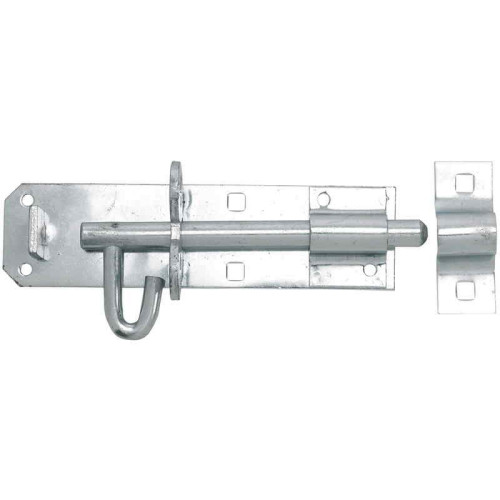
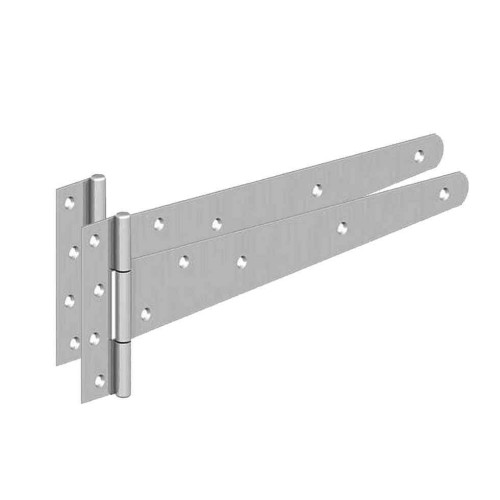
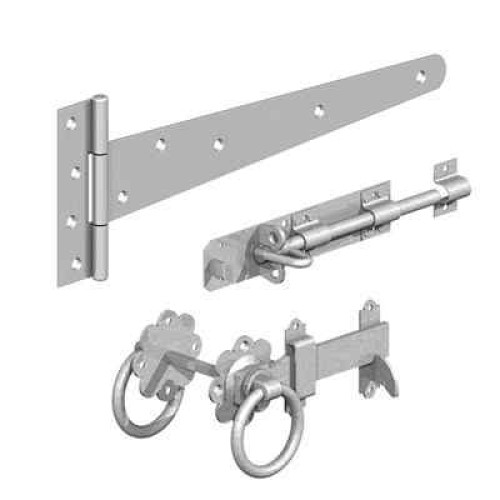
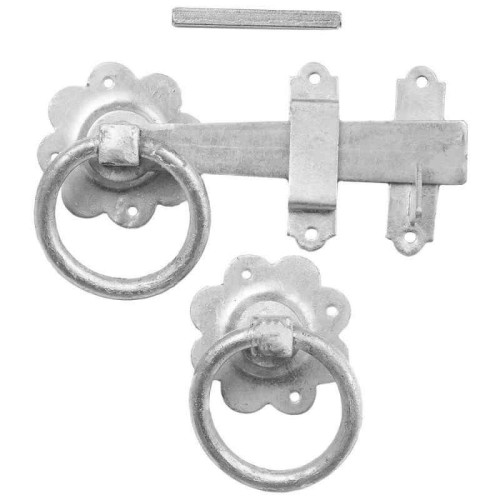
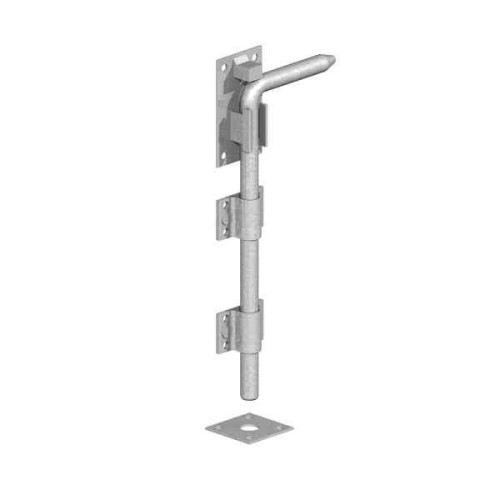
When replacing or upgrading a gate, plan the full setup. Suitable garden gates, gate posts and garden gate furniture help reduce strain on surrounding brickwork.
Brick Wall Repair Cost Guide
Costs depend on the wall height, access, location, brick type, extent of damage and whether scaffold or waste removal is needed. The figures below are broad guide prices and can vary.
| Item | Typical Range Ex VAT | Notes |
|---|---|---|
| Bricklayer day rate | £250 to £400 per day | May be higher for difficult access or some locations |
| General labourer | £150 to £220 per day | Often used for mixing, raking out and clean-up |
| Mortar materials | £20 to £45 per small repair | Depends on mix and repair size |
| Replacement facing bricks | £1.00 to £1.70 each | Reclaimed or special bricks may cost more |
| Crack stitching materials | £40 to £80 per metre | Depends on bar system and specification |
| Small scaffold setup | £500 to £1,000 | Depends on height, access and hire duration |
| Waste removal or skip | £180 to £280 | Varies by area and waste type |
| Coping stones or wall capping | £20 to £60 per metre | Helps protect the wall from rainwater |
Typical Brick Wall Repair Costs
| Repair Type | Materials | Labour | Likely Total Ex VAT | Typical Duration |
|---|---|---|---|---|
| Repointing 5m² of wall | £30 to £70 | £350 to £700 | £380 to £770 | 1 to 2 days |
| Replace 10 damaged bricks | £20 to £45 | £250 to £500 | £270 to £545 | Half to 1 day |
| Crack stitching 2m run | £80 to £160 | £300 to £600 | £380 to £760 | Half to 1 day |
| Rebuild 1m² bulged section | £40 to £90 | £400 to £750 | £440 to £840 | 1 to 2 days |
| Rebuild or straighten a brick pier | £60 to £140 | £400 to £800 | £460 to £940 | 1 to 2 days |
| Small scaffold setup | N/A | £500 to £1,000 | £500 to £1,000 | Whole job |
| Waste removal | N/A | £200 to £280 | £200 to £280 | Whole job |
How Long Do Brick Wall Repairs Take?
A small repointing patch may take half a day to a full day, plus time for the mortar to cure. Replacing a handful of bricks can often be completed in less than a day if access is simple.
Crack stitching, local rebuilds and pier repairs usually take longer, especially where matching materials, scaffold or extra safety work is needed.
Mortar needs protection while it cures. Do not rush the process by exposing fresh work to frost, heavy rain or strong drying sun too soon.
DIY Or Hire A Professional?
DIY can be suitable for small, non-structural repairs below head height. This includes minor repointing, tidying a few weathered joints or replacing one or two damaged bricks where the wall is otherwise stable.
Hire a professional for leaning walls, bulging sections, wide cracks, high walls, retaining walls, gate piers or any repair where the wall may be unsafe.
Professional work is also usually the better choice where the wall forms a shared boundary and access, safety or finish quality may affect a neighbour.
Repair Sequence For A Tidy Job
- Diagnose the problem: Photograph cracks, measure them and look for likely causes such as damp, movement or impact.
- Choose the repair method: Decide whether the wall needs repointing, brick replacement, stitching or rebuilding.
- Set up safely: Protect paving, plants, fences and nearby features.
- Remove failed material: Rake out loose mortar or remove damaged bricks carefully.
- Clean and dampen: Remove dust and lightly dampen the area before applying mortar.
- Carry out the repair: Repoint, replace bricks, stitch cracks or rebuild as required.
- Match the finish: Tool the joints to match the existing wall as closely as possible.
- Protect the fresh work: Cover from harsh weather while the mortar cures.
- Deal with the cause: Improve drainage, repair copings or reduce soil pressure where needed.
Preventing Future Brick Wall Damage
Most brick wall problems get worse when water is allowed to sit in the wall. Keeping water away from the top, face and base of the wall is one of the best ways to protect it.
- Keep copings sound: Repair open joints and damaged capping so rainwater sheds properly.
- Reduce splashback: Keep soil and wet planting away from the base where possible.
- Manage drainage: Do not let water pool against the wall.
- Avoid trapping moisture: Do not cover old brickwork with hard, non-breathable coatings without proper advice.
- Check annually: Look over the wall after winter and repair small mortar failures early.
Where a brick wall runs near fencing or a planted edge, gravel boards or separate edging can help reduce splashback and keep soil away from vulnerable areas. For raised beds or garden borders, railway sleepers can help create a separate structure instead of building soil directly against brickwork.
Using Fencing Near A Brick Wall
If fencing connects to or runs beside a brick wall, avoid putting unnecessary strain into old brickwork. Heavy gates, leaning fence posts or poorly fixed panels can add movement and damage over time.
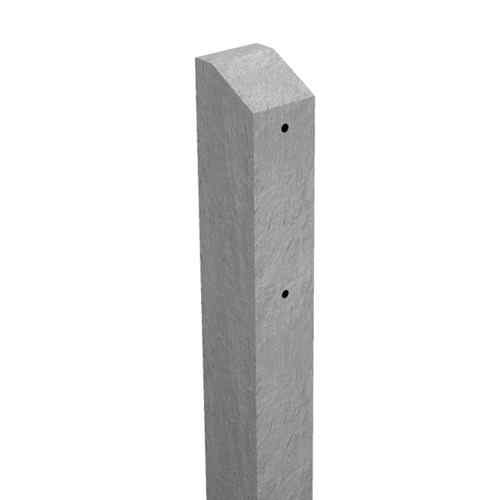
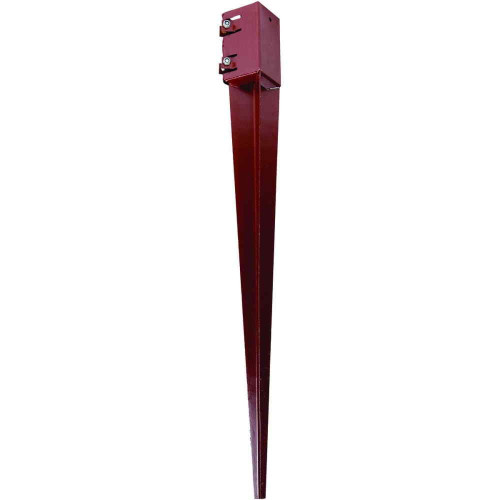
For a new boundary, it is often better to use independent fence posts rather than relying on a weak wall for support. Concrete fence posts are useful for stronger, longer-lasting runs, while wooden fence posts give a more traditional timber finish.
If the repair involves a gate, choose suitable garden gates, gate posts and ironmongery so the brickwork is not carrying more load than it should.
Brick Wall Repair Checklist
| Step | What To Check | Why It Matters |
|---|---|---|
| 1 | Crack width and pattern | Helps identify whether movement may be involved |
| 2 | Wall alignment | Leaning or bulging walls may be unsafe |
| 3 | Mortar condition | Weak joints often need repointing |
| 4 | Damaged bricks | Spalled or fractured bricks may need replacement |
| 5 | Water sources | Leaks, failed copings or poor drainage can cause repeat damage |
| 6 | Access and safety | Tall or unstable walls need proper working access |
FAQs
Can I repair a cracked brick wall myself?
You may be able to repair small, non-structural cracks or repoint minor mortar failures. Wide, stepped, active or structural cracks should be checked by a professional first.
What causes bricks to crumble?
Bricks often crumble when they stay wet and then suffer frost damage. Old age, soft brick, poor drainage and overly hard mortar can also contribute.
Can repointing stop a wall from cracking?
Repointing can repair failed joints, but it will not stop movement if the wall or ground is still moving. The cause of the crack needs to be understood.
How do I match old mortar?
Match the colour, texture and strength as closely as possible. Older walls may need a softer, more breathable mortar rather than a strong modern cement mix.
Is a bulging brick wall dangerous?
It can be. A bulge means the wall has moved out of line, and it may be unstable. Get it checked before attempting repair.
Final Thoughts
Brick wall repair starts with understanding the cause. Small areas of failed mortar can often be repointed, and individual damaged bricks can be replaced. Wider cracks, bulging walls and damaged gate piers need more care and may need professional attention.
Once the repair is complete, focus on prevention. Keep water away from the wall, maintain copings, manage soil levels and avoid putting fence or gate loads into weak brickwork. Good drainage, suitable materials and careful maintenance will help the repair last longer.