


Quick answer: Yes, fence topper trellis can be used with concrete-post fencing, but the support arrangement needs more planning than it does with wooden posts. Slotted concrete posts are designed primarily to hold compatible fence panels and gravel boards, and current concrete posts contain steel reinforcement. Avoid casually drilling into them. The simplest installation is where the posts already provide suitable support above the fence panel. If they finish flush with the panel, a separate timber support arrangement or different post setup may be required.
Fence topper trellis is often added to an existing boundary because the main Fence Panels are still perfectly usable.
With Wooden Fence Posts, the installation can be relatively straightforward because suitable exterior fixings can be driven directly into substantial timber.
Concrete Fence Posts are different.
They are reinforced precast components with slots designed around the panel-and-gravel-board system. Adding timber above them is possible in suitable situations, but the trellis still needs a dependable structural support rather than simply resting on the Fence Panel.
The first thing to inspect is therefore not the trellis. It is the existing posts.
Can Fence Topper Trellis Be Used With Concrete Posts?
Yes, provided the completed arrangement is properly supported.
Concrete posts do not prevent the use of trellis. The difficulty is creating secure fixing points for the timber topper.
Before proceeding, check:
- The condition of every Concrete Fence Post
- How far the posts extend above the Fence Panels
- The condition of the panel slots
- Whether the posts are upright
- Whether any foundations move
- The height of trellis being added
- The expected weight of future climbing plants
If the existing fence is already unstable, adding another section above it is the wrong starting point.
Why Is Trellis Easier To Fit To Wooden Posts?
Wooden posts provide a large timber fixing surface.
Suitable exterior screws can normally be installed into the post without needing a separate masonry fixing system.
Concrete posts are fundamentally different.
Current East Coast Fencing Concrete Fence Posts are wet-cast concrete components containing internal steel reinforcement.
This means you should not approach them as though they are simply blocks of concrete that can be drilled anywhere convenient.
Why Should You Avoid Drilling Concrete Fence Posts Casually?
Drilling can damage both the outer concrete and the reinforcement inside the post.
Potential problems include:
- Chipping around the hole
- Cracking towards the edge
- Damaging the relatively narrow slot area
- Hitting steel reinforcement
- Creating several weak points close together
The risk increases if the post is already:
- Cracked
- Chipped
- Leaning
- Damaged around a slot
If the trellis installation depends on making several large holes through reinforced concrete posts, reconsider the support arrangement before starting.
What Is The Best Situation For Adding Trellis To Concrete Posts?
The easiest arrangement is where the Concrete Fence Posts already extend sufficiently above the main Fence Panel and the intended support system is compatible with the topper.
This gives space above the panel for the trellis to sit between or alongside proper supports.
The important distinction is that the trellis should be supported by a structural arrangement connected to the posts or other suitable supports.
It should not simply sit on the upper edge of the Fence Panel.
What If The Concrete Posts Finish Flush With The Fence Panel?
This is where the job becomes more complicated.
If the concrete posts finish at approximately the same height as the Fence Panel, there is no useful post section extending above the fence to support the topper.
Possible approaches can include:
- Creating a separate timber supporting frame
- Using independent posts for the trellis
- Replacing the existing posts with a more suitable arrangement during a larger fence rebuild
The correct method depends on the existing fence and the amount of topper being added.
Do not assume the upper rail or frame of the Fence Panel can take over the structural job of the missing post extension.
Can You Fix Fence Topper Trellis Directly To The Fence Panel?
That should not be the default approach.
A conventional Fence Panel is designed to form the main panel within the fence bay.
Its upper frame is not automatically intended to support another framed panel above it.
Fixing a trellis only to the panel can increase stress on:
- The panel frame
- Panel joints
- Boards or slats
- The points where the panel sits within the concrete slots
Where possible, transfer the load back to suitable structural supports.
Why Does Fence Topper Height Matter?
The deeper the topper, the more additional exposed area you are adding above the fence.
Common topper heights include approximately:
- 300mm
- 450mm
- 600mm
A 300mm topper is a relatively shallow decorative addition.
A 600mm topper is twice as deep and becomes a substantial part of the complete fence.
| Topper Height | Effect On Fence | Support Importance |
|---|---|---|
| 300mm | Modest extra height | Still requires proper support |
| 450mm | Noticeable upper section | Post condition becomes more important |
| 600mm | Substantial screening or planting area | Requires particularly careful support planning |
Open trellis allows more air through than a solid extension, but it still adds wind loading.
Does The Trellis Pattern Affect The Installation?
Yes.
Different topper styles have different amounts and arrangements of timber.
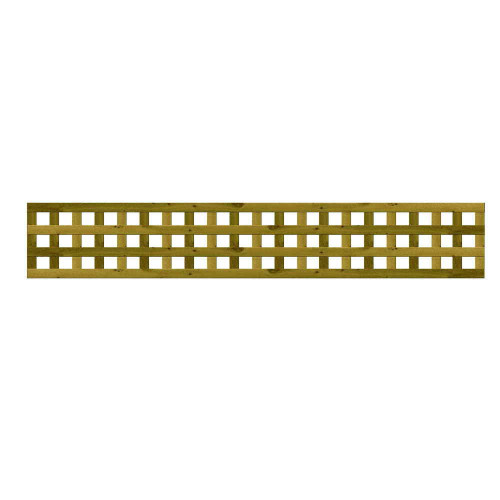
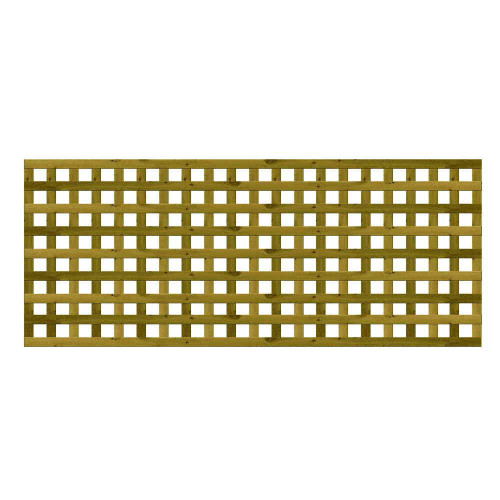
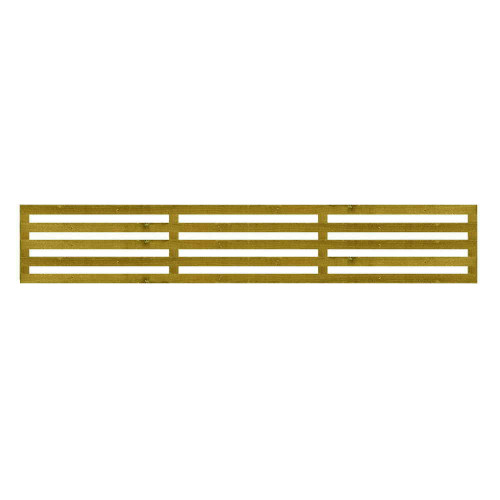
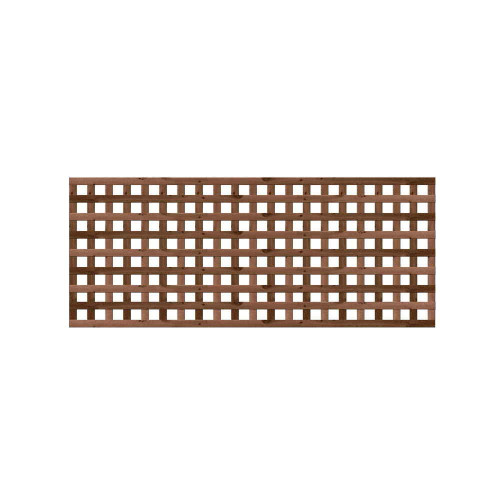
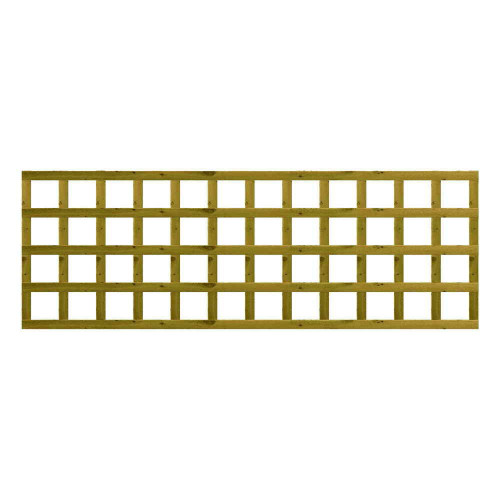
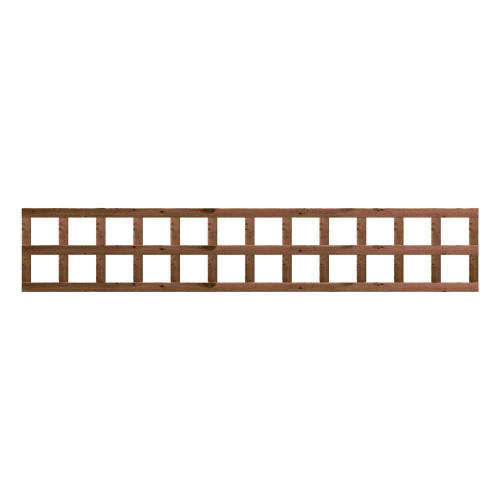
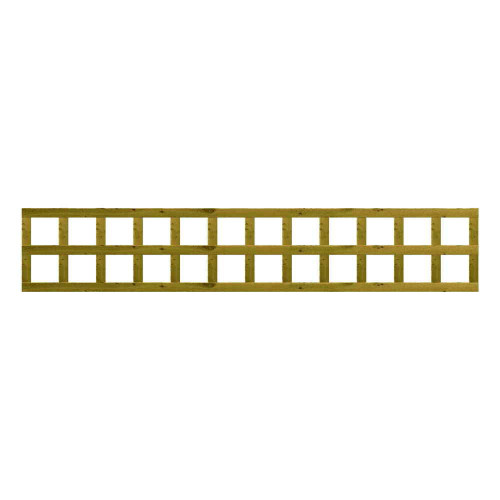
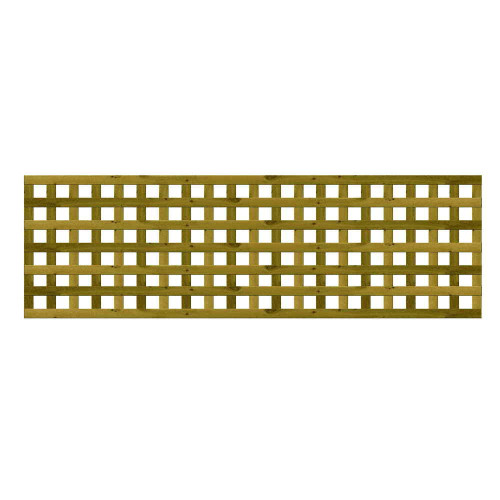
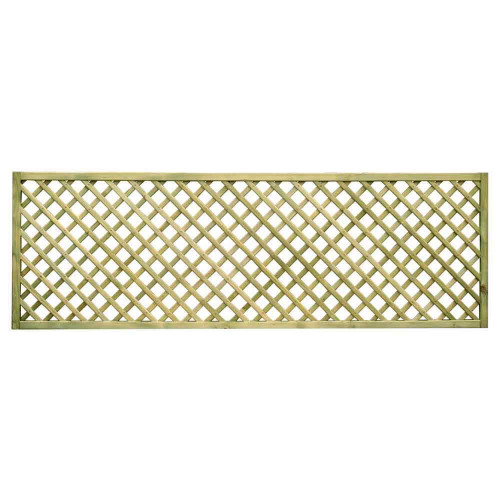
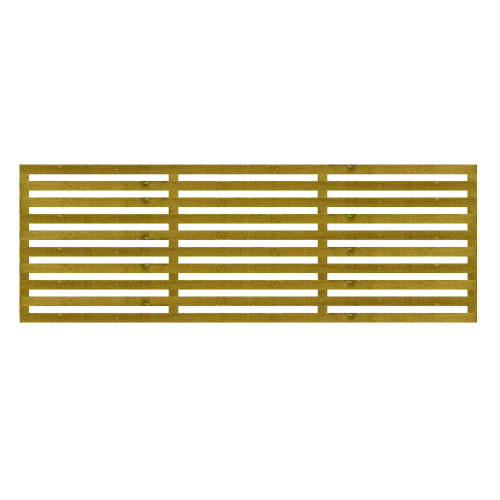
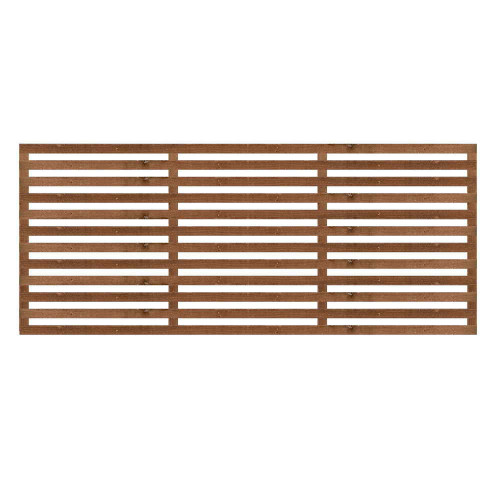
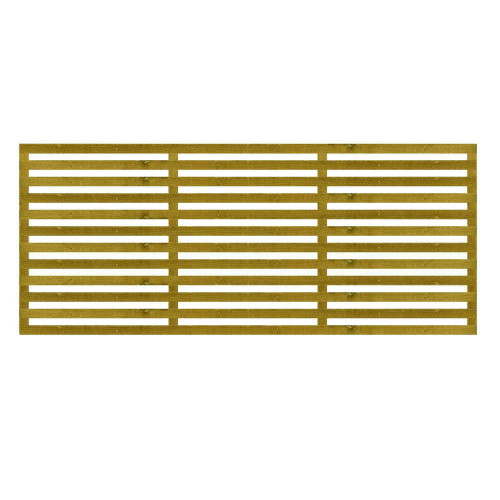
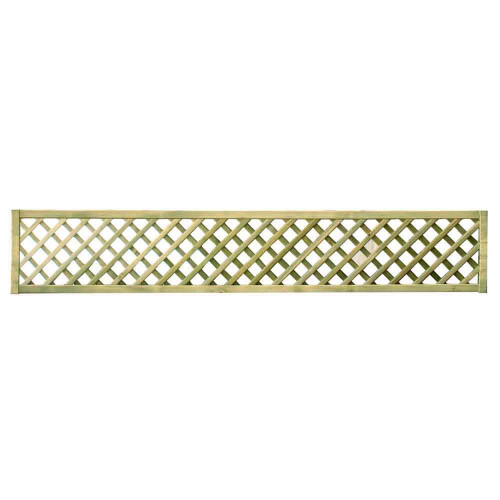
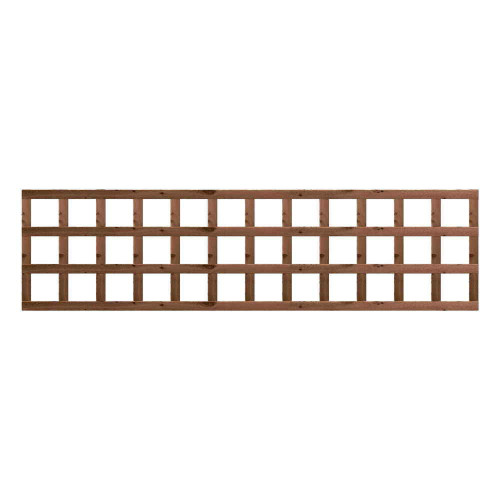
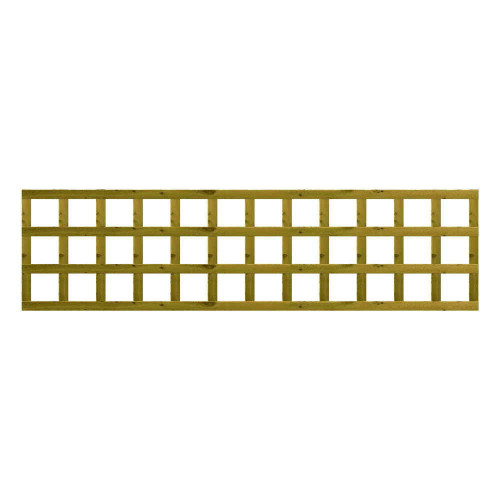
Current East Coast Fencing options include Traditional Square Trellis, Privacy Square Trellis and Horizontal Slatted Trellis.
Traditional Square Trellis
Current Traditional Square Trellis uses approximately 100mm openings.
It is relatively open, making it particularly useful for climbing plants and where maintaining light and airflow matters.
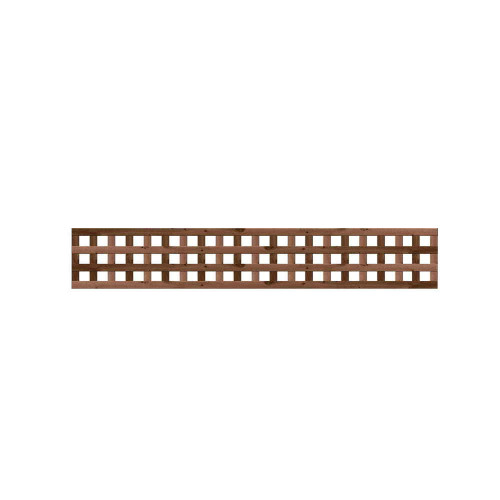
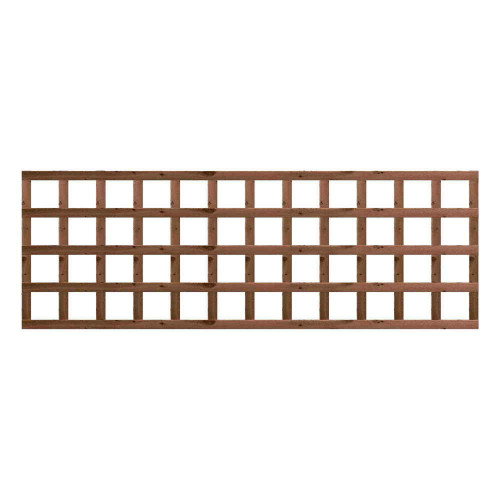
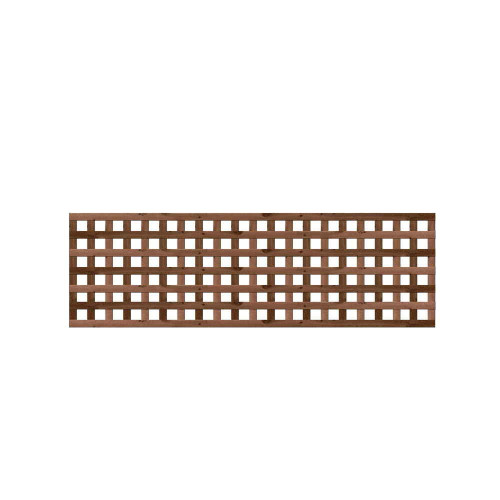
Privacy Square Trellis
Current Privacy Square Trellis uses closer approximately 50mm openings.
It provides greater filtered screening than the traditional pattern, although it remains an open timber structure.
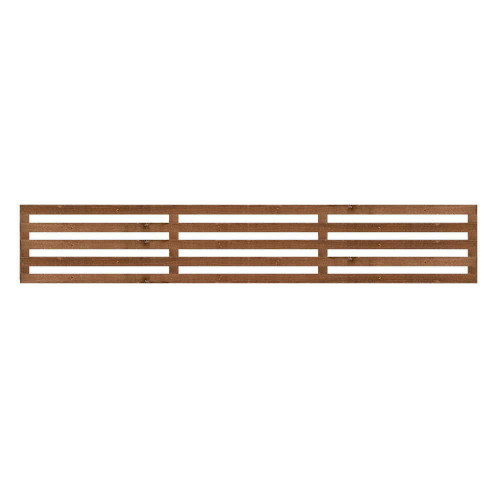
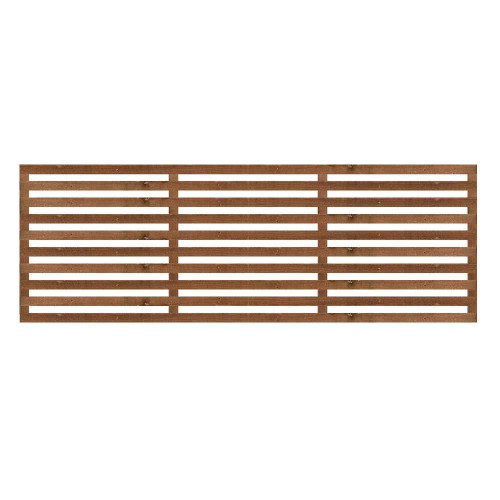
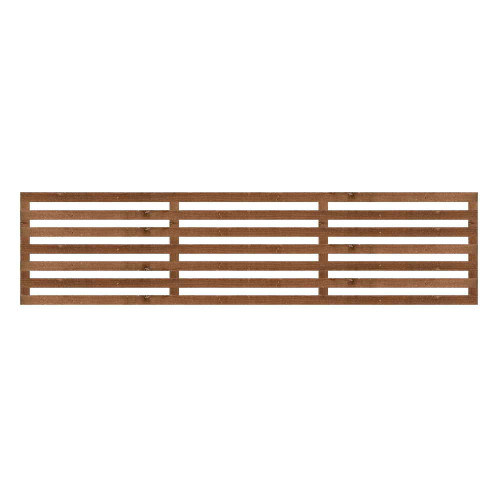
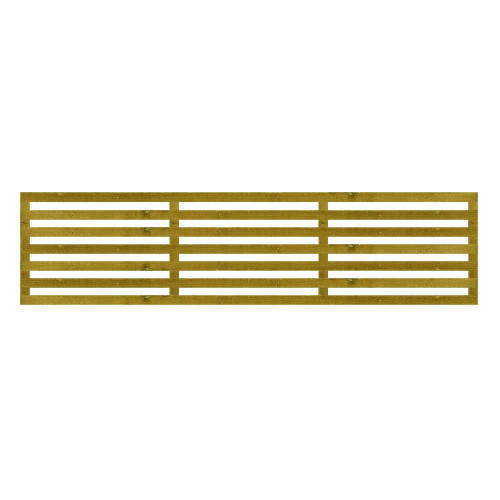
Horizontal Slatted Trellis
Horizontal Slatted Trellis creates repeated horizontal lines and a more contemporary appearance.
It is useful where filtered screening and appearance are important without creating another completely solid section.
Whichever pattern is chosen, the surrounding supports still need to carry it securely.
Does Privacy Trellis Put More Load On The Fence?
The closer timber pattern means there is more material interrupting airflow than with very open Traditional Square Trellis.
However, it is not useful to rank trellis products using a simple statement that one is always safe in wind and another is not.
Actual loading also depends on:
- Topper height
- Fence height
- Post condition
- Garden exposure
- Plant growth
A shallow privacy topper on sound supports may be a much less demanding installation than a tall open trellis completely covered by mature plants.
Why Do Climbing Plants Matter With Concrete-Post Fencing?
A bare trellis can change considerably once plants establish.
Climbers add:
- Weight
- Wet foliage
- Additional wind resistance
The difference is especially noticeable with dense mature planting.
Before installing the trellis, consider what the finished planted structure may look like several seasons later.
The support system should be suitable for that finished condition rather than only the lightweight bare panel being fitted today.
Should Plants Be Allowed To Load The Fence Panel?
Heavy plant growth is better supported by the trellis and structural supports rather than being allowed to pull heavily against thin boards or decorative parts of the Fence Panel.
Keep vigorous growth controlled.
Regular pruning also makes it easier to inspect:
- Concrete Fence Posts
- Trellis fixings
- Fence Panels
- Gravel Boards
Dense planting can hide movement and cracking until the problem has become much larger.
How Do You Check Existing Concrete Posts Before Adding Trellis?
Inspect the whole fence run.
Do not check only the one post where the first topper will be installed.
- Check that each post is upright: Use a spirit level rather than relying only on sight.
- Check for movement: A concrete post should not noticeably rock in normal use.
- Inspect for cracks: Pay attention to wide cracks and damage around the slots.
- Look for exposed reinforcement: Visible steel indicates significant concrete damage.
- Check the post tops: Make sure the available support height is consistent across the run.
- Inspect the panels: Trellis should not be added to a fence where the main panels are already failing.
Can You Add Trellis To A Leaning Concrete-Post Fence?
Repair the leaning fence first.
A leaning Concrete Fence Post normally indicates movement in the post foundation or surrounding ground.
Adding topper trellis increases the exposed area above the fence and can place more leverage on an installation that is already moving.
Possible underlying problems include:
- Weak foundations
- Waterlogged ground
- Ground movement
- Wind loading
- Nearby excavation
Adding trellis does not correct any of them.
Can You Add Trellis To A Cracked Concrete Post?
A minor superficial mark does not automatically mean a post has failed.
More serious warning signs include:
- A wide crack
- A crack that changes when the fence moves
- Loose sections of concrete
- Exposed reinforcement
- A damaged panel slot
If the post is structurally questionable, repair or replace the fencing support before adding another component above it.
Can Trellis Sit Inside The Concrete Post Slots?
That depends on the trellis dimensions and the actual post-slot arrangement.
Do not assume a timber trellis panel will fit simply because the Fence Panel below fits the same posts.
Check:
- Trellis frame thickness
- Post-slot dimensions
- Available post height
- Width between the slots
If the trellis is not designed for that particular arrangement, do not force its frame into a concrete slot.
Why Should You Measure Between Existing Concrete Posts?
Existing bays are not always identical.
Concrete posts can move slightly over time.
Measure the available trellis width at the height where the topper will sit.
This matters because many current topper-suitable products are approximately 1.83m wide, but an existing bay may no longer provide exactly that clear span.
If the opening is narrower than the trellis, timber toppers can sometimes be carefully shortened and reframed.
Do not try to gain space by grinding or altering the Concrete Fence Posts.
Can Fence Topper Trellis Be Cut To Fit Concrete-Post Bays?
Timber trellis can usually be adapted more easily than the concrete fencing around it.
If shortening is necessary:
- Measure the finished opening carefully
- Plan where the trellis pattern will be cut
- Reframe the cut edge
- Protect freshly exposed pressure-treated timber where required
Do not simply saw through the panel and leave unsupported lattice or slat ends.
The shortened topper still needs to behave like a complete framed panel.
Can Trellis Be Added Above Concrete Gravel Boards?
Yes, but remember that every component contributes to the complete fence height.
A typical slotted concrete system may include:
- A Concrete Gravel Board
- A timber Fence Panel
- A Fence Topper Trellis
Add all three heights when calculating the completed boundary.
For example, a 150mm Gravel Board beneath a 1.5m panel with a 300mm trellis topper produces approximately:
150mm + 1500mm + 300mm = 1950mm.
The fact that the upper 300mm is open trellis does not make that section disappear from the physical height of the fence.
Can You Use A Shorter Fence Panel To Make Room For Trellis?
Yes, and this can produce a well-balanced new fence.
Rather than installing the tallest available solid Fence Panel and then adding trellis afterwards, you can plan the solid and open sections together.
For example:
- 1.5m Fence Panel + 300mm trellis = approximately 1.8m
- 1.35m Fence Panel + 450mm trellis = approximately 1.8m
- 1.2m Fence Panel + 600mm trellis = approximately 1.8m
If a Gravel Board is used, include that separately.
This approach lets you decide how much of the boundary should provide solid privacy and how much should remain open.
Can You Add Trellis Only To Part Of A Concrete-Post Fence?
Yes.
There is no practical requirement for topper trellis to run along every fence bay.
Targeted trellis can make sense where additional height is only required:
- Behind a patio
- Around a seating area
- Beside an overlooked window
- Behind a particular planting bed
This reduces the amount of extra material and exposed area added to the fence.
The transition between topped and untopped sections should still be planned so it looks deliberate.
Can You Put Trellis Above A Concrete End Post?
Potentially, provided there is a suitable support arrangement at the end of the trellis run.
Current Concrete Fence Post systems include dedicated end posts where a boundary finishes.
The trellis needs support at that endpoint just as the Fence Panel does.
Do not leave the final section of topper cantilevering beyond its last proper support.
What About Concrete Corner Posts?
A corner needs additional planning because two fence runs change direction at the same post.
Current corner posts use slots on adjacent faces.
If trellis is being installed along both runs, decide how the two topper panels will meet before fixing either one.
Check:
- Topper height on both sides
- Finished top lines
- Supporting timber arrangement
- Whether both trellis frames have proper end support
Small alignment differences are particularly noticeable at a corner.
Can A Three-Way Concrete Post Support Trellis?
A three-way post creates a junction between three fence runs.
Adding trellis around that type of junction is possible only where the support arrangement has been properly planned.
Do not assume three timber topper panels can simply meet above the concrete because the lower Fence Panels do.
The upper structure needs its own secure and tidy junction.
Should Trellis Be Level Above Concrete-Post Fencing?
Individual topper sections generally look best when installed level.
This is particularly important because a straight trellis frame makes small errors easy to see.
On level ground, maintain a consistent top line across the run.
On sloping ground, the fence can normally step from bay to bay.
How Do You Add Topper Trellis On A Sloping Fence?
If the existing Fence Panels step down the slope, the trellis can normally follow those same steps.
Each rectangular topper remains level within its bay.
The height then changes at the Concrete Fence Post.
This preserves:
- The rectangular trellis frame
- The lattice or slatted pattern
- A clean junction at each post
Avoid cutting square trellis diagonally simply to follow the ground unless the complete framing arrangement has been designed for that shape.
What Fixings Should Be Used For The Timber Trellis?
Use exterior-grade fixings suited to the timber and whichever supporting frame is actually being used.
Where the trellis is secured to timber supports:
- Fix through substantial framed sections
- Avoid relying on thin lattice strips
- Pre-drill near vulnerable edges where appropriate
- Avoid overtightening screws
The exact fixing specification depends on the trellis frame, support dimensions and installation arrangement.
Do not choose the screw before deciding what structural component it is actually fixing into.
Should The Trellis Be Supported Along The Bottom?
Support along the lower edge can help create a more stable framed arrangement where the installation is designed for it.
However, that support should not simply be assumed to be the Fence Panel's upper edge.
A separate timber rail or framework connected back to proper supports may be more appropriate.
The goal is for the Fence Panel and topper to remain separate components within one secure fence system.
Can You Replace The Fence Panel Later Without Removing The Trellis?
This depends on how the topper has been installed.
One advantage of slotted concrete fencing is that Fence Panels can often be lifted out and replaced while the Concrete Fence Posts remain in place.
A poorly designed trellis frame can remove that advantage by blocking vertical panel removal.
Before installing the topper, consider future maintenance.
Ask whether the Fence Panel could still be:
- Lifted
- Repaired
- Replaced
without dismantling a large section of the upper structure.
Why Future Panel Replacement Is Worth Planning
Concrete posts often remain usable after a timber Fence Panel eventually needs replacing.
If the trellis is independently and sensibly supported, you may be able to deal with the lower panel without rebuilding the complete boundary.
If every topper fixing depends on the old panel frame, changing that panel becomes considerably more complicated.
A little extra planning during installation can therefore make later maintenance much easier.
Should You Add Trellis Or Replace The Fence?
Adding topper trellis makes good sense when:
- The Concrete Fence Posts are sound
- The existing Fence Panels remain usable
- You only need additional height or partial screening
- A suitable support arrangement can be created
Replacement may be more sensible where:
- Several posts are leaning
- Posts are badly cracked
- The Fence Panels are already near the end of their useful life
- The existing post heights make a secure topper arrangement impractical
- You want a substantially different finished fence height
Do not spend time creating an elaborate topper frame around a fence that is likely to require replacement shortly afterwards.
Common Mistakes When Adding Trellis To Concrete Fence Posts
- Assuming reinforced concrete posts can be drilled anywhere
- Fixing the complete topper only to the Fence Panel
- Ignoring posts that finish flush with the panels
- Adding 600mm trellis to weak existing supports without assessment
- Forgetting that climbing plants increase future load
- Installing trellis on leaning Concrete Fence Posts
- Ignoring cracks or exposed reinforcement
- Assuming every existing bay remains exactly 1.83m wide
- Forcing an oversized trellis frame between posts
- Blocking future Fence Panel removal unnecessarily
- Forgetting Gravel Board height when calculating the finished fence
- Using thin lattice battens as the main structural fixing point
FAQs
Can Trellis Be Fitted To Concrete Fence Posts?
Yes, but the supporting arrangement requires more planning than with timber posts. Avoid assuming the reinforced concrete should simply be drilled wherever a fixing is needed.
Can You Screw Trellis Directly Into Concrete Posts?
Concrete posts are reinforced components, so drilling needs considerable care. A separate supporting frame may be more appropriate than making unnecessary holes in the posts.
What If My Concrete Posts Finish At The Same Height As The Panels?
There may be no suitable post section available to support the trellis. A separate support arrangement, independent trellis posts or a different fence configuration may be required.
Can Trellis Rest Directly On Top Of A Fence Panel?
Do not rely on the Fence Panel as the sole structural support. The topper should be supported by suitable posts or another properly supported frame.
Can I Add 600mm Trellis To Concrete-Post Fencing?
Potentially, provided the complete support arrangement is suitable. A 600mm topper adds significantly more exposed area than a 300mm version, so post condition and wind exposure become particularly important.
Can Trellis Be Added Above A Concrete Gravel Board?
Yes. The Gravel Board is simply another part of the complete fence. Include its height along with the Fence Panel and trellis when calculating the finished boundary.
Can I Keep My Existing Fence Panels?
Yes, if they remain structurally sound and the trellis can be supported independently enough that the lower fencing continues to work properly.
Can Climbing Plants Grow On Fence Topper Trellis Above Concrete Posts?
Yes. Trellis provides useful plant support, but mature growth adds weight and wind resistance. Make sure the support arrangement is suitable for the planted screen rather than only the bare trellis.
Make The Posts Carry The Topper, Not The Fence Panel
Concrete-post fencing can work well with Fence Topper Trellis, but the upper timber needs proper support.
Start by checking the existing Concrete Fence Posts. Make sure they are upright, stable and free from serious cracking or exposed reinforcement.
Then look at their height.
If suitable support already extends above the Fence Panels, adding trellis can be relatively straightforward with the right compatible arrangement. If the posts finish flush with the panels, do not simply transfer the extra load into the panel frame.
Plan a separate supporting structure or reconsider the fence configuration.
Also think ahead. A 300mm bare trellis is one thing. A 600mm privacy trellis covered by mature climbing plants creates a much more substantial upper screen.
The finished fence should be designed around that future condition, not just around how light the topper feels while it is being carried into the garden.