



Quick answer: Post mix is usually the more practical choice for setting standard garden fence posts. It is supplied ready blended, requires no separate mixing and sets quickly, making it well suited to fence panels, gravel boards and many garden gates. Traditional concrete can still be useful for unusually large foundations or specialist structures. Whichever option you use, dig a suitable hole, support the post upright and follow the instructions supplied with the product.
Strong fence posts are essential to a reliable garden fence. Even good-quality fence panels can lean, rattle or fail in windy weather if the posts are poorly supported.
Both traditional concrete and post mix can secure fence posts in the ground. The main difference is how they are prepared and used. Post mix is designed specifically for straightforward post installation, while ordinary concrete usually needs to be measured, mixed and placed manually.
For most domestic fencing jobs, post mix is the simpler and more convenient option. This guide explains how the two products compare, when post mix is suitable and what to check before installing timber or concrete fence posts.
Should Fence Posts Be Set In Concrete Or Post Mix?
Standard garden fence posts can usually be set effectively with post mix. It is a ready-blended cement product intended for securing posts, so there is no need to measure separate quantities of cement, sand and aggregate.
Post mix is particularly useful when installing a run of fence panels because each post can be positioned, checked and secured one at a time. Its quick-setting nature reduces the time the post needs to be supported before work can continue.
Traditional concrete remains a valid option. It may suit larger foundations, non-standard structures or jobs where the installer wants greater control over the mix and working time. For everyday fencing, however, this extra preparation is often unnecessary.
Concrete And Post Mix At A Glance
| Feature | Post Mix | Traditional Concrete |
|---|---|---|
| Preparation | Ready blended | Usually requires measuring and mixing |
| Installation speed | Quick and convenient | Generally slower to prepare |
| Working time | Short, so the post must be positioned first | Usually allows more time for adjustment |
| Typical use | Garden fencing and standard post installation | Large bases and specialist construction |
| Equipment required | Minimal mixing equipment | Mixing tray, mixer or suitable tools may be needed |
| Consistency | Pre-proportioned by the manufacturer | Depends on accurate site mixing |
| Best choice for most DIY fencing | Usually yes | Possible, but often less convenient |
What Is Post Mix?
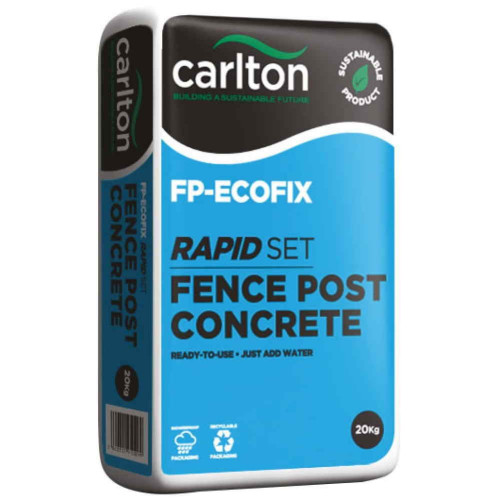
Post mix is a pre-blended cement product made for setting posts into the ground. The dry ingredients are supplied together in a bag, removing the need to calculate a separate concrete mix on site.
Installation methods vary between products, but many post mixes are placed into a prepared hole around a correctly positioned post and activated with the required amount of clean water. The exact sequence and water quantity should always follow the instructions printed on the bag.
Post mix is sometimes referred to by general terms such as rapid-set post concrete. Brand names may also be used in everyday conversation, but the basic purpose is the same: securing posts quickly without traditional concrete mixing.
Why Is Post Mix Well Suited To Fence Posts?
Fence installation involves repeated post foundations along a straight line. Every post needs to be upright, correctly spaced and held at the right height before the fence panels or gravel boards are fitted.
Post mix suits this type of work because it allows the installer to deal with one foundation at a time. Once a post has been aligned and supported, the mix can be added and allowed to set before moving along the fence line.
Its main practical advantages include:
- No need to measure separate concrete ingredients
- Less mixing equipment to clean afterwards
- Consistent pre-blended proportions
- Rapid setting for efficient installation
- Convenient bags that can be carried along the fence line
- Suitable for both timber and concrete fence posts when used correctly
These benefits make post mix a sensible choice for homeowners, landscapers and fencing installers working on standard garden boundaries.
Is Post Mix As Strong As Concrete?
Post mix and traditional concrete are both cement-based products, but they are intended to make different types of work easier. A suitable post mix can provide a firm foundation for ordinary garden fence posts when the hole, ground and installation are appropriate.
The strength of a completed fence does not depend on the setting product alone. It is also affected by:
- The depth and width of the post hole
- The height and section of the fence post
- The type and weight of the fence panels
- Whether gravel boards or trellis are included
- The condition of the surrounding ground
- The site's exposure to wind
- Drainage around the post foundation
- Whether the product was installed according to its instructions
A deep, correctly formed post-mix foundation will generally be more reliable than a shallow or badly prepared foundation made with ordinary concrete.
When Should You Choose Post Mix?
Post mix is normally the practical choice for straightforward domestic fencing. It is particularly useful where the work involves several individual posts and the installer wants to progress efficiently along the boundary.
Typical uses include:
- Timber fence posts supporting standard fence panels
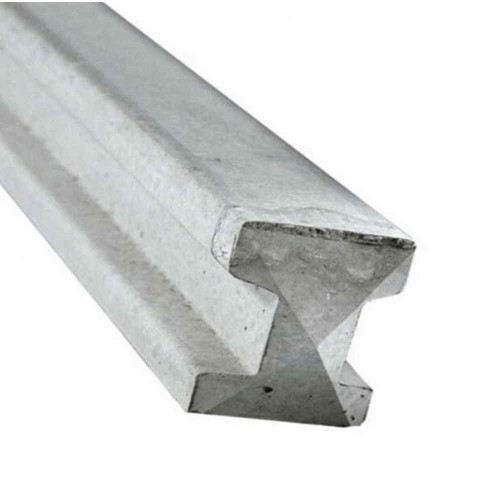
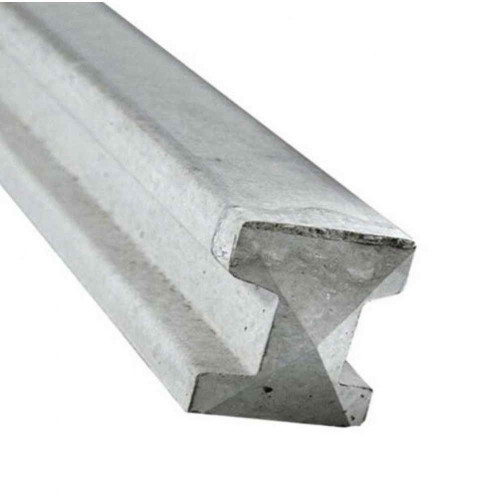
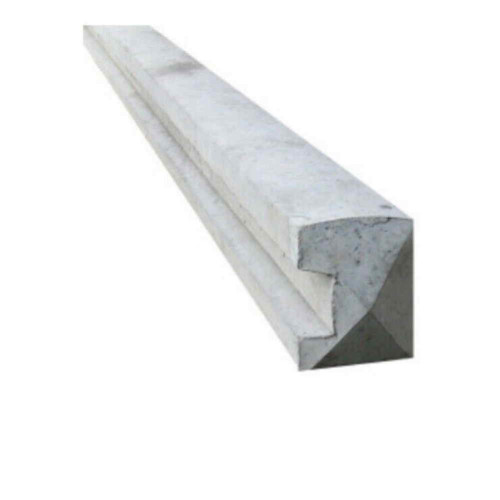
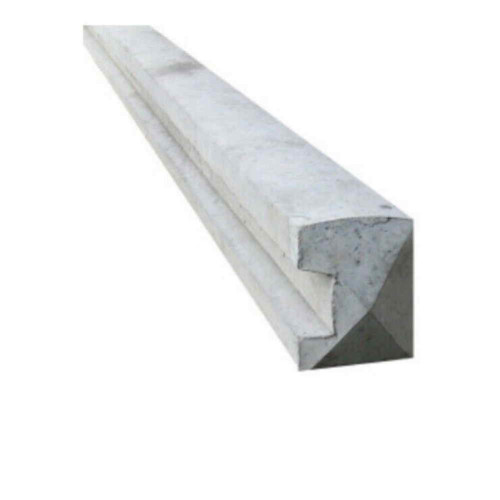
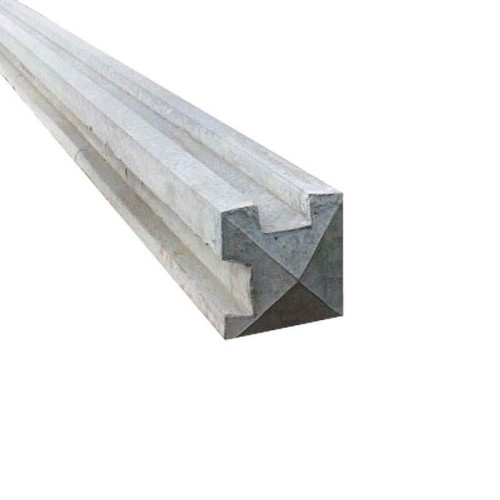
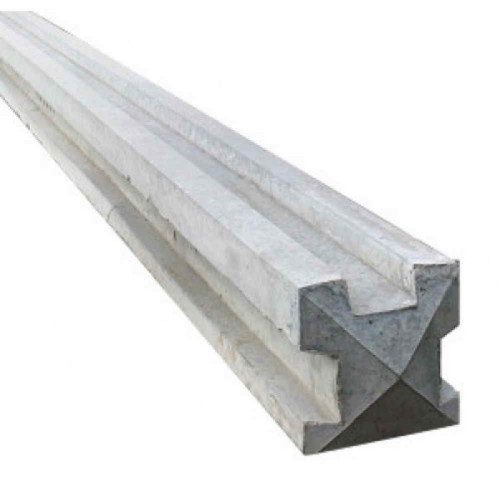
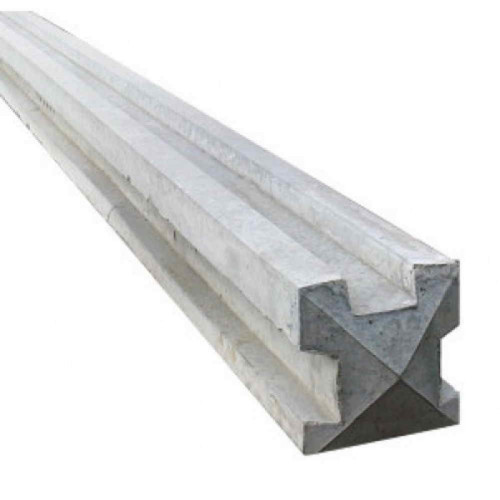
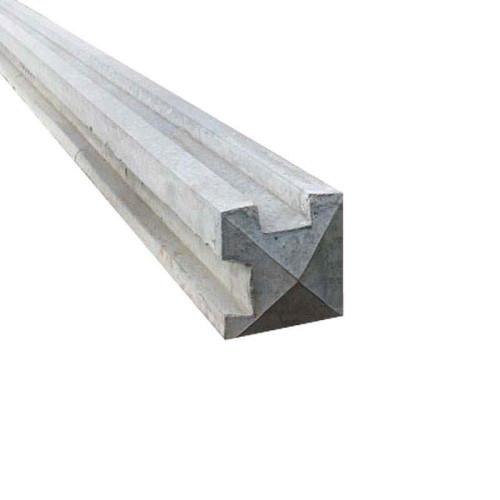
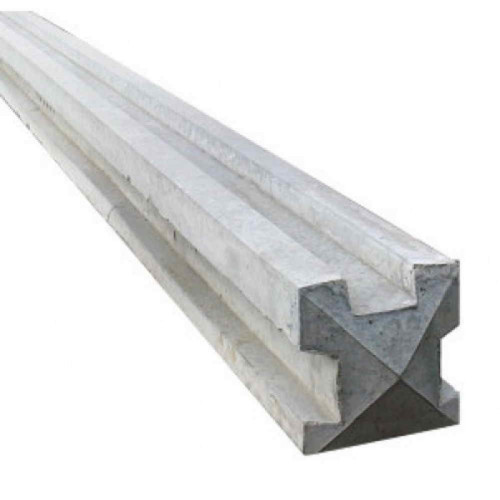
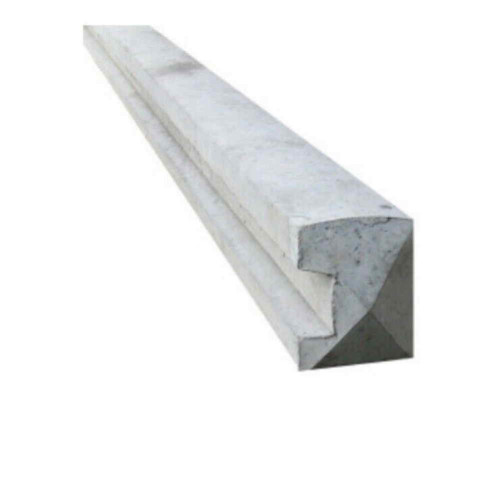
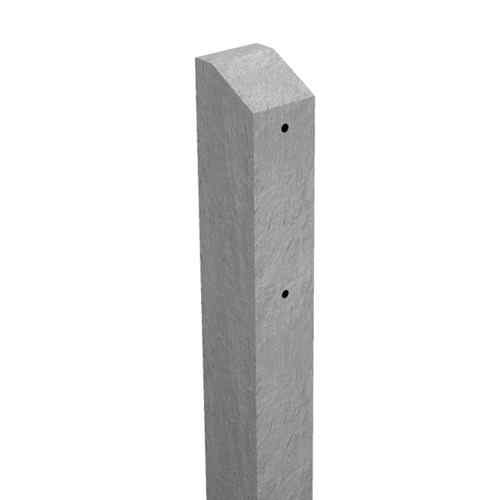
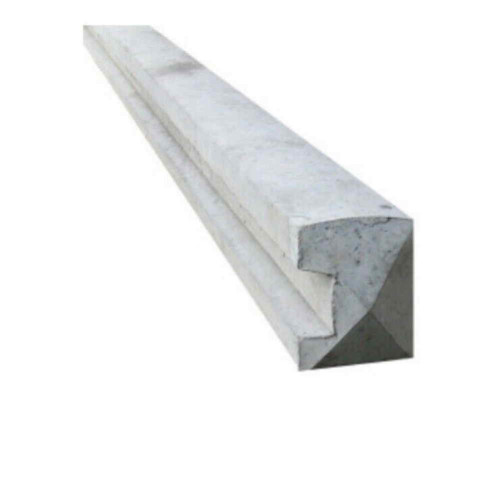
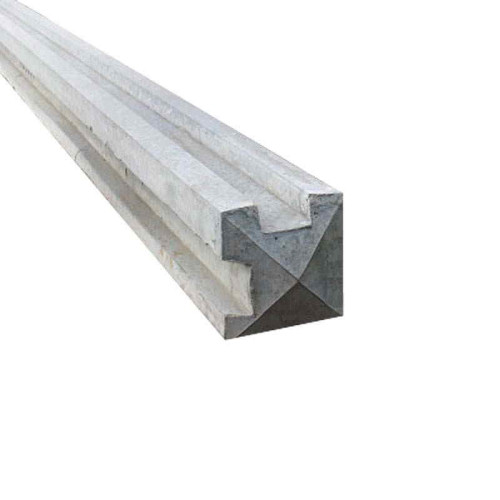
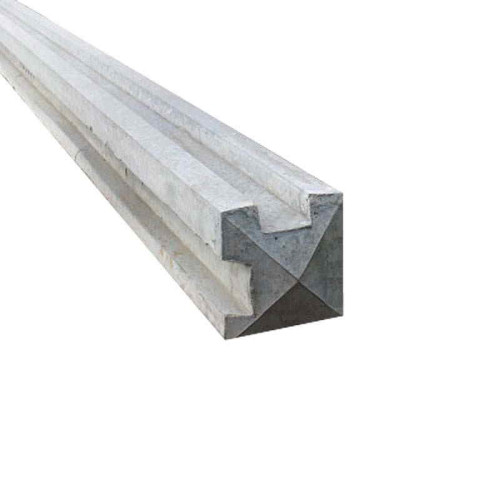
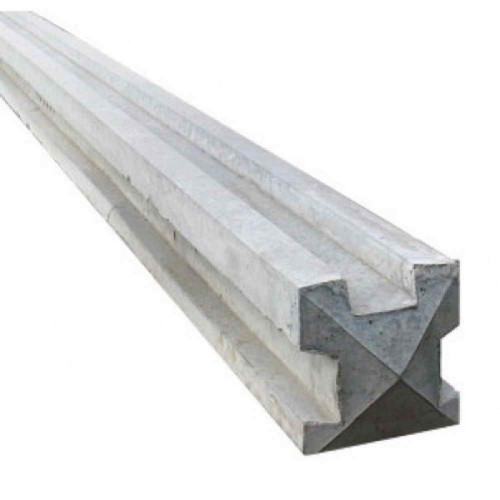
- Concrete fence posts with slotted panels and gravel boards
- Posts for lightweight garden gates
- Trellis support posts
- Repairing a fence where individual posts have become loose
- Installing small garden screening structures
The post, hole and quantity of post mix must still be suitable for the job. A quick-setting product cannot compensate for an undersized foundation or a post that is too short.
When Might Traditional Concrete Be More Suitable?
Traditional concrete may be preferred where the foundation is unusually large or forms part of a more substantial construction project. It allows the installer to prepare a larger batch and may provide more working time before the material starts to firm.
Situations where a different concrete solution may be considered include:
- Very large gate posts carrying heavy gates
- Retaining structures subject to substantial soil pressure
- Large structural foundations
- Projects designed by an engineer or other specialist
- Jobs where several large foundations will be poured together
- Applications not covered by the post mix manufacturer's instructions
These are different from a typical run of domestic fence panels. For ordinary garden fencing, post mix usually avoids the extra preparation involved in site-mixed concrete.
Can Post Mix Be Used With Timber Fence Posts?
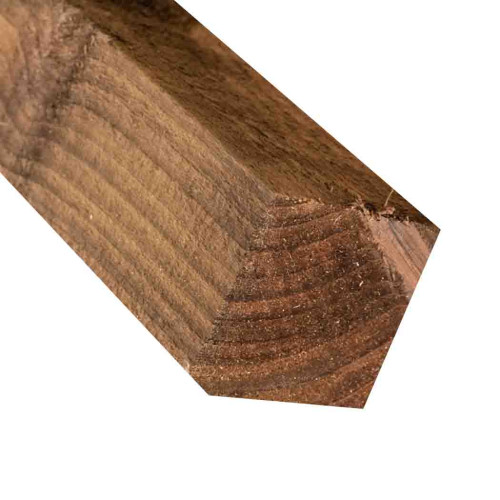
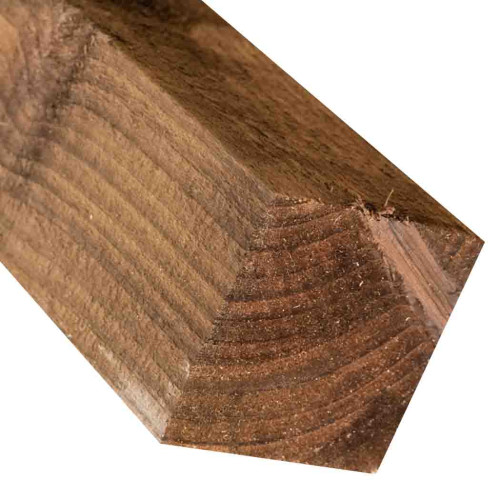
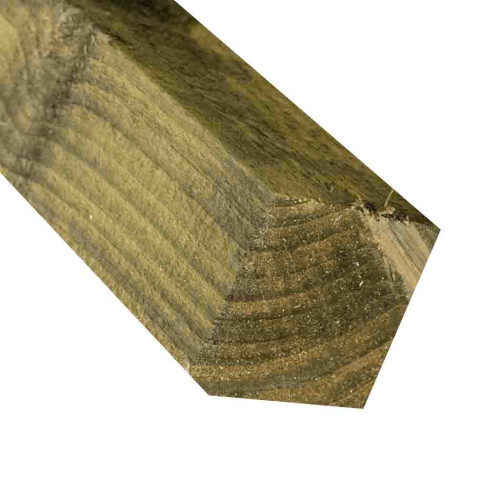
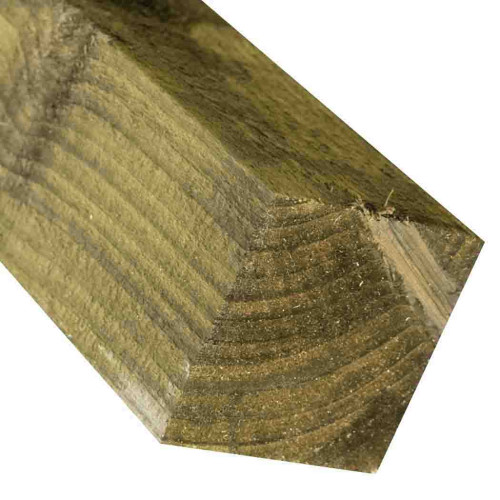
Yes. Post mix is commonly used to secure pressure-treated timber fence posts. The hole should be large enough to provide support around the post, and the timber must be positioned upright before the mix begins to set.
Pay particular attention to the section around ground level. This is where timber posts are most exposed to repeated moisture and eventual decay.
Shape the top of the finished foundation so that rainwater does not collect against the post. The ground should also drain reasonably well rather than holding water around the timber.
Pressure treatment helps protect timber, but it does not remove the need for good installation and drainage.
Can Post Mix Be Used With Concrete Fence Posts?
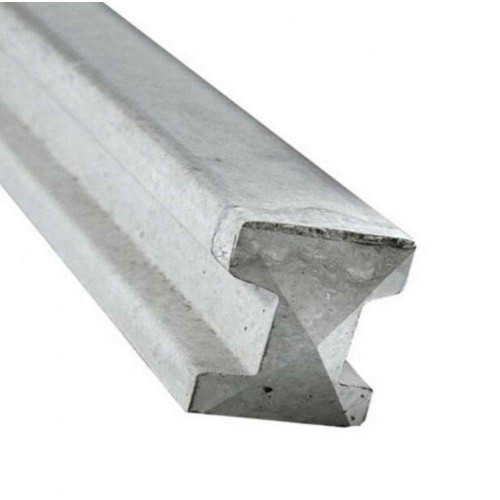
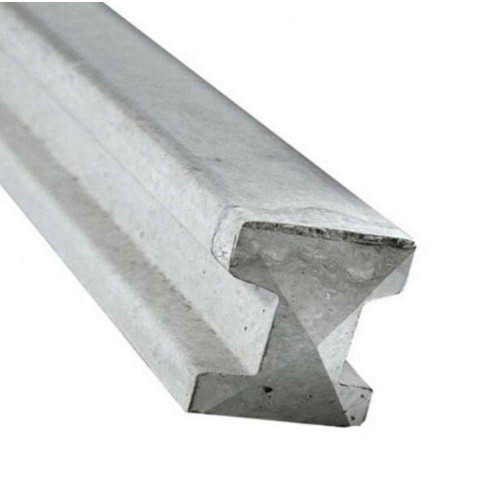
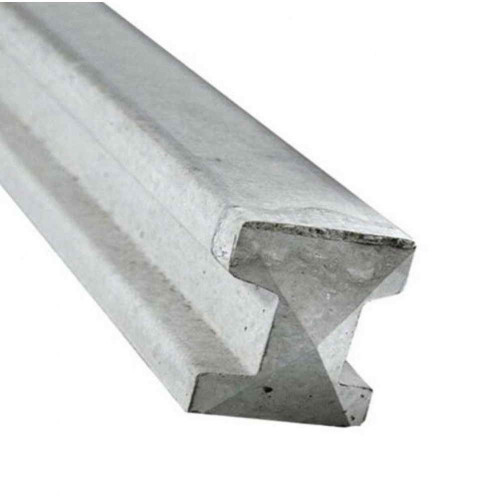
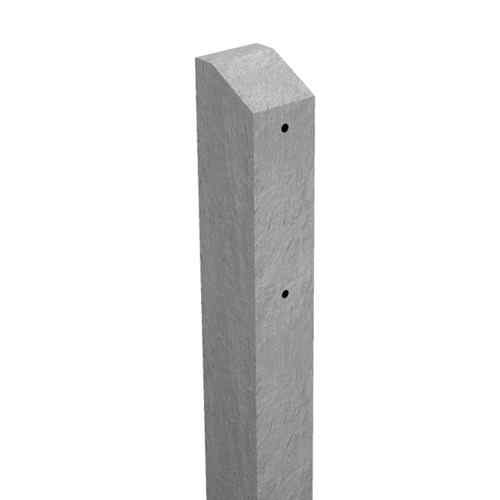
Post mix can also be used for concrete fence posts where the product is suitable for the installation. Concrete posts are heavy, so they must be safely supported while the foundation is placed and sets.
Check the spacing carefully before securing each post. Slotted concrete posts need to match the finished width of the gravel boards and fence panels. A small setting-out error can make the panels difficult or impossible to fit.
Use temporary timber supports to keep the post upright. Do not rely on holding a heavy concrete post by hand while adding the mix.
Can Post Mix Be Used For Gate Posts?
Post mix may be suitable for lightweight garden gate posts, provided the post size, foundation and product are appropriate. Gates place different loads on posts from ordinary fence panels because the weight hangs from one side and moves whenever the gate opens.
A wide or heavy timber garden gate may need larger gate posts and more substantial foundations. Wind can also place significant leverage on a solid gate.
Plan the gate posts, hinges, catches and other ironmongery together. Do not assume that a post suitable for a fence panel will automatically be suitable for a heavy gate.
How Much Post Mix Do You Need Per Fence Post?
The amount required depends on the size of the hole, the dimensions of the post and the quantity contained in each bag. There is no reliable single bag allowance for every fence installation.
A narrow timber post in firm ground may require less material than a large concrete post in soft ground. Holes also become wider when loose soil collapses during digging.
Estimate the hole dimensions before ordering and check the coverage information supplied with the chosen post mix. Allow for variations along the fence line rather than assuming every hole will be identical.
Do not reduce the foundation simply to make one bag stretch further. The support should suit the fence and ground conditions.
How Deep Should A Fence Post Hole Be?
Post-hole depth depends on the fence height, post length, soil conditions and wind exposure. A common starting point for ordinary fencing is to place approximately one-third of the post length below ground, but this is a guide rather than a rule for every site.
Taller fences, loose ground and exposed positions may need deeper or wider foundations. Gate posts may also require extra support because they carry moving loads.
Before digging, account for the full above-ground height, including:
- The fence panel
- The gravel board
- Any trellis panel or topper
- The required ground clearance
- The intended post cap or finishing detail
Choosing the post length before calculating the complete fence height can leave too little post below ground.
How Wide Should The Post Hole Be?
The hole must leave enough space around the fence post for an effective foundation. A very narrow hole creates only a thin shell of material, while an unnecessarily wide hole uses more post mix and causes greater ground disturbance.
The correct width varies with the post and site. Larger concrete posts and heavy gate posts usually need more support than smaller timber fence posts.
Keep the sides reasonably firm and remove loose soil from the bottom. If the hole continually collapses or fills with water, the ground conditions may need additional consideration before installation continues.
How To Set A Fence Post With Post Mix
- Mark The Fence Line: Use a string line to identify the intended position and face of the posts.
- Check For Services: Make sure the planned holes will not interfere with underground cables, pipes or drainage.
- Measure The Post Centres: Base the spacing on the actual dimensions of the fence panels, gravel boards and post slots.
- Dig The Hole: Prepare a hole with suitable depth and width for the fence height, post and ground conditions.
- Remove Loose Material: Clear collapsed soil and large stones from the bottom and sides.
- Position The Post: Place the fence post at the correct depth and align it with the string line.
- Support It Upright: Use temporary braces and check more than one face with a spirit level.
- Add Water And Post Mix: Follow the sequence and quantities printed on the product packaging.
- Recheck The Alignment: Make any permitted final adjustment before the material firms.
- Finish The Surface: Shape the top so water drains away rather than collecting around the post.
- Allow It To Set: Leave the post supported and avoid loading it until the stated setting period has passed.
Do You Put Water Or Post Mix In First?
The correct order depends on the specific product. Some post mixes are designed for water to be added to the hole before the dry material, while others may specify a different method.
Follow the instructions on the bag rather than relying on a general method remembered from another product. The stated quantity of water is also important.
Too little water may prevent the mix from activating properly. Too much may affect its consistency and cause material to wash away into loose surrounding ground.
Does Post Mix Need To Be Mixed Before Use?
Many post-mix products are designed to be placed without conventional mixing, which is one of their main advantages. The dry blend reacts with water in the hole and sets around the post.
This reduces the need for a cement mixer, mixing tray or wheelbarrow. It also creates less wet concrete to move along the fence line.
Products vary, so the manufacturer's method should take priority. Do not add extra cement, sand or aggregate unless the instructions specifically allow it.
How Quickly Does Post Mix Set?
Post mix is designed to set more quickly than ordinary site-mixed concrete. The exact setting time depends on the product, water quantity, weather and ground conditions.
Quick setting is useful, but it means the post should be correctly positioned before the mix is added. Prepare the braces, spirit level and string line in advance.
Initial setting does not necessarily mean the foundation is ready to carry the full load of fence panels or a garden gate. Follow the product guidance before placing significant weight or wind load on the post.
Can You Use Post Mix In Wet Ground?
Damp soil is common in UK gardens, but standing water in the post hole can interfere with installation. Waterlogged ground may also indicate poor drainage or unstable soil around the proposed foundation.
Do not simply pour post mix into a hole full of uncontrolled water. Check the product instructions and remove excess water where practical.
In persistently wet, loose or collapsing ground, the foundation may need a different approach. It can be worth seeking experienced advice rather than relying on additional bags of post mix to overcome unsuitable ground conditions.
Can You Use Post Mix In Cold Weather?
Low temperatures can affect cement-based products. Frost may damage material before it has developed sufficient strength, while very cold conditions can slow the setting process.
Check the temperature limits and weather guidance stated on the packaging. Avoid installing posts when the hole, surrounding ground or water is frozen.
Protect newly installed foundations from severe weather where required and allow more time before loading the fence if conditions are cold.
Does Post Mix Stop Timber Posts Rotting?
No. Post mix secures the post, but it does not make timber immune to decay. Timber condition depends on treatment, drainage, exposure and maintenance as well as the foundation.
Rot often develops around ground level, where the timber repeatedly becomes wet and dries slowly. Water should be directed away from the base rather than allowed to sit in a hollow around the post.
Use pressure-treated timber fence posts and apply a suitable treatment to fresh cuts where required. Keep soil, leaves and garden debris from building up around the base.
Should You Put Gravel Under A Fence Post?
A small amount of free-draining material may be used at the bottom of some post holes, particularly to help with positioning or drainage. It should not replace a properly sized post foundation.
The correct approach depends on the post type, soil and installation method. Loose gravel should not leave the post unsupported or allow it to move while the post mix sets.
If drainage is poor across the whole site, a small amount of gravel beneath one post is unlikely to solve the underlying problem.
Can You Use Ordinary Concrete For Fence Posts?
Yes. Fence posts have traditionally been installed using concrete mixed from cement, sand, aggregate and water, or from a ready-mixed dry concrete product.
This method can produce a suitable foundation, but the proportions and water content need to be controlled. The material must then be mixed thoroughly before being placed around the post.
For one or two standard fence posts, this may involve more equipment, handling and cleaning than necessary. Post mix provides a simpler option because the blend has already been prepared for post installation.
Why Is Post Mix Often Better For DIY Fence Installation?
Most DIY fencing problems are caused by layout, alignment or insufficient foundations rather than a lack of specialist concrete mixing. Post mix lets the installer concentrate on these important parts of the job.
It removes the need to judge concrete proportions and reduces the amount of wet material that must be mixed by hand. Each bag can be taken directly to the prepared post hole.
The main points still require care:
- Measure the fence panels before setting the posts
- Use a string line to keep the fence straight
- Check every post with a spirit level
- Provide suitable temporary support
- Use enough post mix for the prepared hole
- Follow the water and setting instructions on the bag
Post mix makes the cement work easier, but accurate setting out remains essential.
Common Mistakes To Avoid
- Digging shallow holes for tall or exposed fencing
- Using too little post mix around the post
- Adding water without measuring the required quantity
- Failing to support the post before the mix starts to set
- Setting posts before checking the actual panel width
- Assuming every bay along the boundary is identical
- Installing fence panels before the foundations are ready
- Allowing water to collect around timber post bases
- Using ordinary fence posts for a heavy garden gate
- Trying to correct a badly aligned post after rapid-set mix has firmed
- Ignoring loose, waterlogged or unstable ground
- Using a cement product for an application not covered by its instructions
Choosing The Right Materials For The Fence
A fence should be planned as one complete system. The post mix secures the posts, but the post length, panel dimensions and ground conditions determine how that foundation needs to perform.
For a standard timber fence, choose compatible fence panels, pressure-treated timber fence posts, gravel boards and exterior-grade ironmongery. Include the gravel board when calculating the total above-ground height.
For a slotted concrete system, match the concrete fence posts to the panel width, panel thickness and concrete gravel boards. Measure the clear slot spacing rather than relying only on nominal panel sizes.
Garden gates need appropriate gate posts, hinges, catches and fixings. A heavier gate may require a larger post and foundation than the adjoining fence.
Post mix is a practical cement product for these common garden installations because it is ready blended and designed to make individual post foundations straightforward.
FAQs
Is Post Mix Better Than Concrete For Fence Posts?
For most standard garden fencing, post mix is usually more convenient. It is ready blended, quick setting and requires less mixing equipment. Traditional concrete may still suit unusually large foundations or specialist construction.
Can You Use One Bag Of Post Mix Per Fence Post?
Sometimes, but not always. The required quantity depends on the bag size, hole dimensions, post section and ground conditions. Check the product coverage and prepare a foundation suitable for the fence rather than limiting the hole to one bag.
Can Post Mix Be Used For Concrete Fence Posts?
Yes, where the product is suitable for the post and installation. Concrete posts are heavy, so secure temporary support is essential while the foundation is being formed.
Can Post Mix Be Used For Timber Fence Posts?
Yes. It is commonly used with pressure-treated timber fence posts. Shape the top of the foundation to shed water and keep the area around the post free from trapped soil and debris.
Can You Add More Post Mix To A Loose Fence Post?
Adding material at surface level will not necessarily repair a failed foundation. The post may need to be supported while loose soil and broken concrete are removed before a new foundation is formed.
Can You Mix Post Mix In A Bucket?
Use the method stated on the packaging. Many products are intended to be activated directly in the post hole rather than mixed separately in a bucket.
Can You Use Post Mix For Decking Posts?
Only where the chosen product and installation method are suitable. Deck structures can carry significant loads, so their posts and foundations should follow the requirements of the complete design.
How Soon Can Fence Panels Be Fitted After Using Post Mix?
Follow the stated setting and loading guidance for the product. Although post mix firms quickly, avoid adding heavy panels or gate loads before the foundation is ready.
Does Post Mix Go Off In The Bag?
Cement-based products can be damaged by moisture during storage. Keep unopened bags dry and raised away from wet floors. Material that has hardened into solid lumps should not be relied on for a fence foundation.
Can You Use Too Much Water With Post Mix?
Yes. Excess water can alter the consistency and may affect the finished foundation. Measure the water according to the instructions rather than estimating by eye.
Use Post Mix For A Straightforward Fence Installation
Both concrete and post mix can secure fence posts, but post mix is usually the practical choice for standard domestic fencing. It removes the need to measure and mix separate ingredients, sets quickly and works well when installing posts one at a time along a boundary.
Good results still depend on correct preparation. Choose the right fence posts, dig holes that suit the fence and ground, measure the panel spacing carefully and support every post before adding the mix.
Plan the fence panels, posts, gravel boards, garden gates, ironmongery and post mix together. A compatible system and properly formed foundations will do more for the finished fence than choosing materials in isolation.