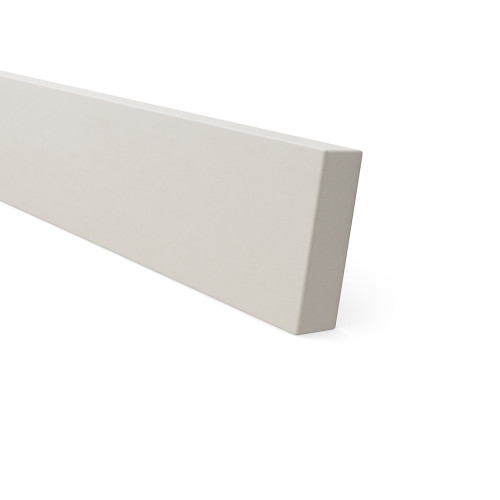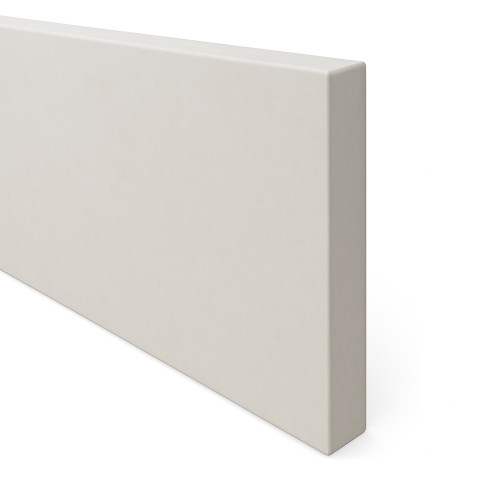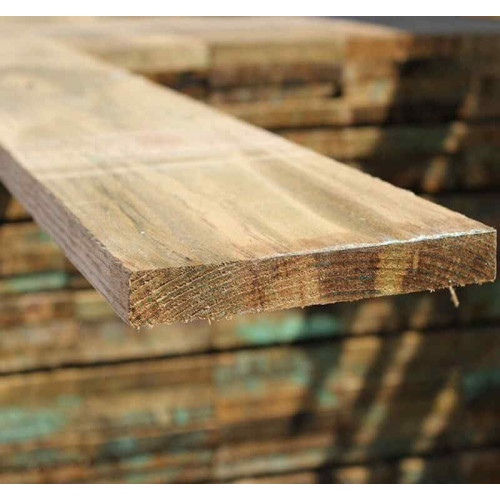



Quick answer: Concrete gravel boards are usually the better choice if durability, resistance to ground-level moisture and low maintenance are your priorities. Wooden gravel boards are lighter, easier to handle and create a more natural all-timber appearance. The best option depends on your fence posts, panel type, ground conditions, installation method and how you want the finished boundary to look. Whichever material you choose, the gravel board should form part of a compatible fencing system rather than being selected in isolation.
Gravel boards sit at the bottom of a fence, directly beneath the panels. Their job may seem simple, but this relatively small component can have a significant effect on the appearance, maintenance and longevity of the complete boundary.
The main decision for most homeowners is whether to use wooden or concrete gravel boards.
Concrete provides a highly durable barrier between the fence panel and the ground. Timber is lighter, easier to cut and visually blends with wooden posts and panels. Neither material is automatically right for every garden.
This guide compares concrete and wooden gravel boards properly, including durability, appearance, installation, handling, compatibility, maintenance, sloping gardens and the situations where each option makes the most sense.
What Is A Gravel Board?
A gravel board is the horizontal board installed between the bottom of a fence panel and the ground.
Its main purpose is to keep the main timber fence panel away from wet soil, grass and other ground-level moisture.
Without a gravel board, the bottom rail and boards of a timber panel can sit close to:
- Wet soil
- Long grass
- Mulch
- Leaves and garden debris
- Mud splash
- Regular strimmer contact
These conditions can make the lower part of a fence considerably harder to maintain.
A gravel board creates a separate lower component that can take much of this exposure instead.
Do You Actually Need Gravel Boards?
Gravel boards are not essential for every fencing arrangement, but they are highly useful for traditional timber panel fencing.
They are particularly worthwhile where:
- Fence panels would otherwise sit close to the soil
- The boundary runs beside a lawn
- Flower beds sit immediately against the fence
- The garden is damp
- Ground-level vegetation is difficult to control
- You want the panel itself raised away from splash and moisture
They can also make future maintenance easier because the lower board is separate from the main panel.
Concrete vs Wooden Gravel Boards At A Glance
| Feature | Concrete Gravel Boards | Wooden Gravel Boards |
|---|---|---|
| Ground-level moisture | Excellent resistance | Requires suitable treated timber |
| Rot | Does not rot | Timber can deteriorate over time |
| Weight | Heavy | Much lighter |
| Cutting | More difficult | Straightforward |
| Appearance | Structured and functional | Natural timber appearance |
| Maintenance | Low | More attention over its life |
| Handling | More demanding | Easier for DIY installation |
| Best visual match | Concrete post systems | Timber post systems |
Why Choose Concrete Gravel Boards?
Concrete gravel boards are primarily chosen for durability.
They sit comfortably in conditions that are demanding for timber, particularly where the base of the fence remains damp for long periods.
Concrete does not rot, so regular exposure to wet soil does not create the same type of deterioration that can eventually affect timber.
This makes concrete particularly useful:
- Along damp boundaries
- Beside flower beds
- In gardens with poor drainage
- Where long-term maintenance needs to be minimised
- With slotted concrete fence posts
Concrete also creates a substantial physical barrier beneath the timber panel.
Why Choose Wooden Gravel Boards?
Wooden gravel boards are often selected because they provide a simpler, lighter and more natural-looking installation.
They work particularly well with timber fence posts because the complete boundary has a consistent material and colour.
Timber boards are also easy to:
- Cut to length
- Drill
- Screw into
- Adjust on site
- Carry through restricted access
This can make them attractive for DIY fencing projects and boundaries containing awkward bay sizes.
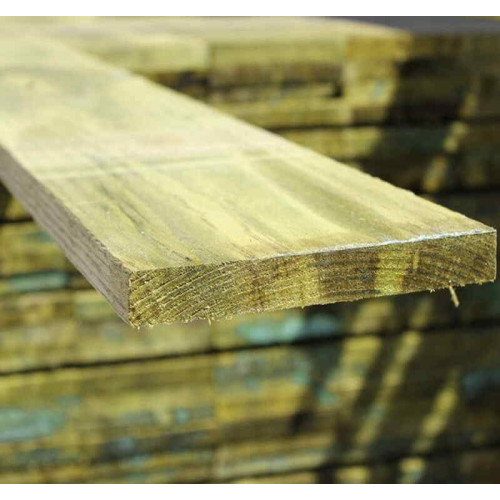
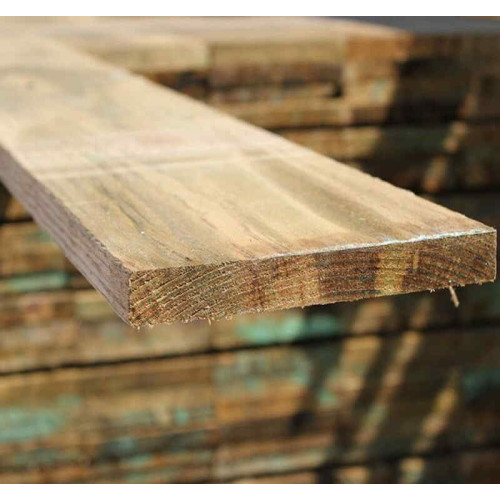
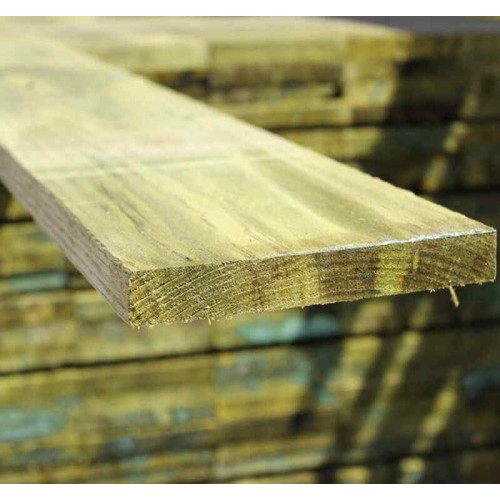
Pressure-treated wooden gravel boards are available in different lengths, making them suitable for both panel fencing and more customised timber fencing arrangements.
Which Type Of Gravel Board Lasts Longer?
Concrete generally has the advantage where maximum resistance to decay is the priority.
It does not suffer from timber rot and is well suited to continual exposure close to the ground.
Wooden gravel boards can still provide a useful service life when manufactured from appropriately treated timber and installed correctly.
Their eventual condition will depend on factors including:
- Timber treatment
- Drainage
- Soil contact
- Vegetation
- Local exposure
- Whether cut ends have been dealt with appropriately
- How frequently the area remains wet
If you want to reduce the number of timber components positioned directly at ground level, concrete has the obvious advantage.
Can Wooden Gravel Boards Rot?
Yes. They are made from timber, so they are not immune to deterioration.
Pressure treatment helps protect timber against decay, but it does not turn wood into concrete.
The most demanding conditions occur where boards remain:
- Buried in wet soil
- Covered by leaves
- Hidden behind dense planting
- Continually saturated
Keep unnecessary soil and debris from building up against a wooden gravel board.
Good drainage and airflow are still valuable even when treated timber is being used.
Can Concrete Gravel Boards Rot?
No. Concrete does not suffer from fungal timber decay.
That is one of its main advantages at the base of a fence.
Concrete can still become:
- Dirty
- Stained
- Covered in algae
- Chipped through impact
- Cracked if damaged or poorly supported
It should therefore be described as low maintenance rather than indestructible.
Are Concrete Gravel Boards Stronger?
Concrete gravel boards are very substantial, but strength needs to be understood in context.
They are highly resistant to ordinary ground-level wear and do not decay.
However, they are also rigid and heavy.
A concrete board that is dropped, struck heavily or supported incorrectly can crack.
Wood is more flexible and generally more forgiving during handling.
The better material therefore depends partly on the type of stress involved.
Which Is Better In A Wet Garden?
Concrete is normally the first choice where the boundary remains persistently damp.
Examples include fencing alongside:
- Waterlogged lawns
- Heavy clay soils
- Raised planting beds
- Shaded boundaries
- Areas with poor surface drainage
Using concrete at the base reduces the amount of timber subjected to these difficult conditions.
That said, a gravel board should not be used as a substitute for dealing with serious drainage problems.
If water continually collects against the boundary, consider why it is happening.
Which Is Better With Concrete Fence Posts?
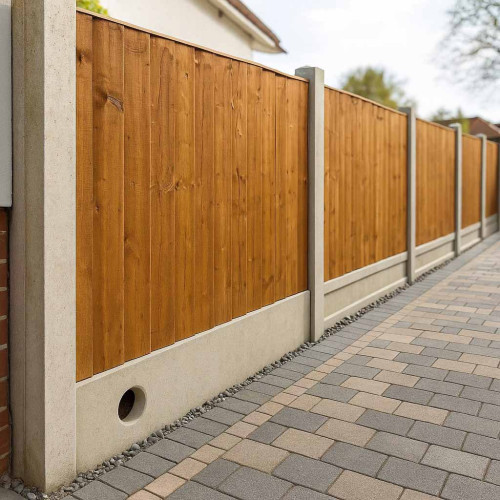
Concrete gravel boards are a natural match for slotted concrete posts.
The system allows the gravel board and compatible framed fence panel to sit within the post slots.
This creates a modular arrangement where individual components can often be removed and replaced without rebuilding the entire fence line.
A typical system may include:
- Concrete intermediate posts
- Concrete corner or end posts where required
- Concrete gravel boards
- Compatible framed fence panels
Using matching components also produces a consistent structural appearance.
Which Is Better With Wooden Fence Posts?
Wooden gravel boards are the more natural companion for timber posts.
They can be fixed directly between or onto timber supports depending on the fence design.
This creates a predominantly timber boundary with no visible concrete apart from the post foundations.
It can suit:
- Traditional gardens
- Natural landscaping
- Timber closeboard fencing
- Panel fencing with timber posts
Concrete gravel boards can sometimes be incorporated with alternative post arrangements, but compatibility should be confirmed before materials are ordered.
Can You Use Wooden Gravel Boards With Concrete Posts?
Potentially, depending on the dimensions and design of the system.
Do not assume that every wooden board will automatically fit every slotted concrete post.
Check:
- Board thickness
- Post slot dimensions
- Board length
- Panel width
- Required finished height
Where you are replacing one component in an existing fence, measure the actual opening rather than relying only on nominal sizes.
Are Concrete Gravel Boards Harder To Install?
They are generally more physically demanding because of their weight.
A concrete board is awkward to carry and position compared with an equivalent piece of timber.
This becomes particularly noticeable where:
- Garden access is narrow
- Materials must be carried through the house
- The boundary is far from the delivery point
- The ground is sloping
- Tall concrete posts are also being installed
Plan the handling before installation starts.
Do not underestimate the combined effort involved in moving multiple concrete posts and gravel boards around a property.
Are Wooden Gravel Boards Easier For DIY Installation?
Usually, yes.
Timber boards are lighter and can be cut with ordinary woodworking tools.
This makes them particularly convenient when:
- A bay is slightly shorter than standard
- A corner needs adjustment
- The fence follows an awkward boundary
- One person needs to manoeuvre the material
That does not mean the complete fence installation is easy.
Post alignment, post foundations, panel spacing and finished levels still need to be accurate.
Which Type Is Easier To Cut To Size?
Timber wins easily here.
A wooden gravel board can be measured and cut to suit a non-standard bay using suitable woodworking equipment.
Concrete requires specialised cutting equipment and creates dust, weight and handling challenges.
Where several fence bays are unusual widths, timber may therefore simplify the installation considerably.
Which Is Better For Uneven Fence Bays?
Wooden gravel boards offer greater flexibility where post spacing is inconsistent.
This is often encountered when:
- Reusing existing timber posts
- Replacing very old fencing
- Working around buildings
- Dealing with awkward corners
Concrete fencing systems work best when post positions and bay dimensions are carefully planned from the beginning.
If you are reusing existing concrete posts, measure every bay individually before ordering replacement components.
Which Gravel Board Is Better On A Sloping Garden?
Either material can be used on sloping ground, but timber is often easier to customise.
Rigid framed fence panels are commonly stepped down a slope, with each bay sitting at a different level.
Wooden boards are straightforward to cut where individual bays need adjustment.
Concrete boards can create a very neat stepped boundary, but the levels must be planned accurately.
On a slope, think about:
- Post length
- Post depth
- Panel height
- Gravel-board height
- Changes in ground level
- Gaps beneath stepped sections
Do not try to force a rigid gravel board to follow the exact profile of uneven ground.
Can Gravel Boards Be Buried?
A gravel board can extend partly below the surrounding ground where the installation requires it, but there is a difference between controlling a small level change and deliberately burying the board deeply.
Concrete handles ground contact much better than timber.
With wooden gravel boards, unnecessary burial increases the amount of timber exposed to persistent moisture.
Where a large change in level exists between neighbouring gardens, a standard gravel board should not automatically be treated as a retaining wall.
Can Gravel Boards Retain Soil?
Only limited amounts should be assumed without considering the design.
A normal fence is primarily intended to form a boundary, not retain significant differences in ground level.
Large quantities of soil create lateral pressure.
This can affect:
- Gravel boards
- Fence posts
- Foundations
- Panel alignment
If one garden is substantially higher than the other, a properly designed retaining solution may be required independently of the fence.
Are 6 Inch Or 12 Inch Concrete Gravel Boards Better?
Neither size is universally better.
A shallower board keeps the panel away from ground level without adding as much visible concrete.
A deeper board can be useful where:
- More ground-level separation is wanted
- Levels vary slightly
- A more substantial concrete base suits the design
Remember that gravel-board depth affects the overall finished fence height.
If you place a full-height panel on top of a deeper gravel board, the complete enclosure can become considerably taller than the nominal panel measurement.
Do Gravel Boards Count Towards Fence Height?
Yes. If the gravel board raises the fence panel above the surrounding ground, it contributes to the overall physical height of the enclosure.
This matters when planning a boundary close to normal planning thresholds.
Calculate the finished height using the complete system:
- Visible gravel board
- Fence panel
- Trellis
- Permanent decorative additions
Do not assume that a nominal 6ft panel automatically produces a 6ft finished fence.
Which Gravel Board Looks Better?
This is primarily a matter of garden style.
Wooden gravel boards blend into timber fencing.
They are particularly suited to:
- Traditional gardens
- Natural planting
- All-timber fencing systems
- Railway sleeper landscaping
Concrete creates a more obvious base beneath the panels.
Some homeowners prefer this because it produces a neat, substantial line along the bottom of the fence.
Others prefer the softer appearance of timber.
Do Concrete Gravel Boards Look Too Industrial?
They can appear more functional than timber, particularly alongside natural wooden posts.
With concrete posts, however, the appearance becomes much more coherent because the post and lower board form one consistent system.
Once planting develops in front of the fence, much of the gravel board may also become less visually prominent.
A clean installation with straight posts and consistent board levels generally looks better than focusing on the material alone.
Can Wooden Gravel Boards Be Painted?
Yes, provided the timber is appropriately prepared and sufficiently dry for the chosen exterior coating.
You might choose to:
- Leave the treated timber visible
- Match the gravel board to the fence panels
- Use a contrasting colour
Follow the coating manufacturer's instructions regarding preparation and application.
Do not assume freshly pressure-treated timber is immediately ready for every decorative finish.
Can Concrete Gravel Boards Be Painted?
They can be coated with suitable products where a different finish is desired.
However, painting concrete adds a maintenance requirement that unfinished concrete does not otherwise have.
If the purpose of selecting concrete is minimal maintenance, leaving it in its normal finish is often the simpler option.
Which Requires Less Maintenance?
Concrete gravel boards normally require less ongoing attention.
Typical maintenance might consist of:
- Removing soil build-up
- Cleaning algae or dirt where appearance matters
- Checking for accidental cracks or impact damage
Wooden boards benefit from more regular inspection.
Look for:
- Soft areas
- Splitting
- Persistent saturation
- Damage around fixings
- Vegetation trapping moisture
The advantage of either system is that a damaged gravel board can often be dealt with separately from the main panel.
Which Is Better Around Flower Beds?
Concrete has a strong practical advantage where soil, compost or mulch regularly sits close to the fence.
It forms a durable barrier between the planting area and the timber panel.
A wooden gravel board can still work, but avoid continuously piling wet soil against it.
If the bed is substantially raised, remember that ordinary gravel boards are not necessarily designed to function as retaining walls.
Which Is Better Beside A Lawn?
Both work well.
Concrete is useful where:
- The lawn remains wet
- Soil splash is common
- Strimmer damage is a concern
Wooden boards can provide a softer-looking boundary where the lawn meets an all-timber fence.
Keep grass from growing tightly against timber for long periods where practical.
Which Is Better If You Use A Strimmer?
Concrete is much more forgiving of occasional contact from garden machinery.
Repeated strimmer contact can gradually damage timber surfaces.
A gravel board helps protect the more expensive fence panel, but avoiding direct impact is still preferable.
Which Is Better For A Modern Garden?
Either can work.
Concrete gravel boards can complement a clean, structured fence design, particularly where concrete posts are already being used.
Wooden gravel boards can work well with contemporary double slatted or hit and miss fencing where an uninterrupted timber appearance is preferred.
The overall design matters more than assuming one material is inherently modern.
Which Is Better For A Traditional Garden?
Wooden gravel boards usually blend more naturally into a traditional timber boundary.
They work particularly well with:
- Closeboard panels
- Waney lap panels
- Timber posts
- Natural garden planting
Concrete posts and boards are also extremely common in traditional British gardens, especially where durability is prioritised over an all-timber appearance.
Which Is Better For Closeboard Fence Panels?
Both can be suitable.
Framed closeboard panels work particularly well within a concrete post and gravel-board system where removable panels and durable ground-level components are wanted.
They can also be installed with timber posts and wooden gravel boards for a more natural appearance.
The decision should therefore be based on the complete support system rather than the panel alone.
Which Is Better For Waney Lap Panels?
Again, both materials can work depending on the post system.
Concrete boards provide a durable lower edge beneath waney lap panels.
Wooden boards maintain a straightforward traditional timber appearance.
Check panel-frame and post compatibility before installation.
Can Gravel Boards Be Used With Decorative Fence Panels?
Yes, where the panel and support system are compatible.
Decorative panels may include:
- Omega lattice
- Horizontal hit and miss
- Double slatted panels
Think carefully about the visual balance.
A substantial concrete base can make a decorative fence look more structural, while timber provides a more continuous material finish.
Do Picket Fences Need Gravel Boards?
Not necessarily.
Picket fencing is commonly lower and more open than full-height panel fencing.
Whether a gravel board is useful depends on:
- Ground conditions
- Fence construction
- Desired appearance
- How the pales are positioned relative to the ground
A heavy concrete board beneath a low decorative picket fence may not produce the appearance you want.
Can Gravel Boards Help Stop Animals Going Under A Fence?
They can help create a more consistent lower edge.
This may reduce straightforward gaps beneath panels that dogs or other animals could exploit.
However, gravel boards are not automatically dig-proof.
Determined animals may still dig beneath them depending on:
- Ground conditions
- Installation depth
- Animal size and behaviour
If secure pet containment is important, design the complete boundary specifically for that purpose.
Can Hedgehogs Pass Through A Gravel Board Fence?
A continuous gravel board can restrict movement by small wildlife.
Where wildlife access is desirable, purpose-designed concrete gravel boards with hedgehog openings are available for compatible fencing systems.
This provides a controlled opening while retaining the benefits of a concrete lower board.
Which Gravel Board Is More Environmentally Friendly?
There is no responsible way to reduce the comparison to a simple claim that one material is always environmentally superior.
Environmental impact can depend on:
- Raw materials
- Manufacturing
- Transport
- Timber sourcing
- Treatment
- Expected service life
- Maintenance
- Replacement frequency
- End-of-life handling
Timber is a renewable material when responsibly sourced, while concrete is more energy intensive to manufacture.
Concrete's durability can reduce the need for repeated ground-level replacement, however.
The sensible approach is to choose a suitable product that will perform well for the intended application rather than selecting a material on a single environmental measure.
Are Wooden Gravel Boards Cheaper?
Timber often has a lower initial material cost than concrete, but exact comparisons depend on board size, specification and supplier.
More importantly, compare the complete fencing system rather than one component.
Your total project can include:
- Panels
- Posts
- Gravel boards
- Post mix
- Fixings
- Gate components
- Installation labour
Concrete may cost more to handle or install because it is heavier, while timber may require replacement sooner in difficult conditions.
There is therefore no useful universal rule that the cheapest board produces the cheapest fence over its full life.
Should You Replace Wooden Gravel Boards With Concrete?
It can be a worthwhile upgrade where existing timber boards repeatedly deteriorate because of damp conditions.
Before changing materials, check whether your existing posts can accommodate concrete boards.
You may discover that:
- The posts are incompatible
- The spacing is wrong
- The board thickness will not fit
- The increased board height changes the panel arrangement
Sometimes replacing the entire support system is more sensible than trying to combine incompatible old and new components.
Should You Replace Concrete Gravel Boards With Timber?
You can where the fencing system allows it, but understand why the concrete boards were originally used.
If the boundary is consistently wet, replacing concrete with timber introduces an organic material into conditions where the previous component was unaffected by rot.
The main reasons for changing to timber are usually:
- Appearance
- Easier handling
- Easier cutting
- A move to an all-timber fencing system
Can You Reuse Existing Concrete Gravel Boards?
Potentially.
If the boards remain structurally sound, they may be reusable when fence panels are replaced.
Inspect for:
- Cracks
- Chipped ends
- Significant movement
- Damage around the post slots
Also check that the replacement panel arrangement will create the intended finished fence height.
Can You Reuse Existing Wooden Gravel Boards?
Yes, if they remain sound.
Check them carefully rather than judging only the visible front face.
Pay particular attention to:
- Ends
- Fixing points
- Sections touching soil
- Areas hidden by vegetation
If the board is already soft or badly split, replacing it while the fence is dismantled is usually easier than returning later.
When Should A Gravel Board Be Replaced?
Replace a gravel board when it can no longer perform its job properly.
For timber, warning signs include:
- Extensive rot
- Soft timber
- Serious splitting
- Failed fixings
- Loss of structural integrity
For concrete, consider replacement where there is:
- Serious cracking
- Breakage
- Significant displacement
- Damage that prevents correct support
Superficial staining alone does not necessarily mean replacement is required.
How Do You Measure For Gravel Boards?
Measure the actual fence run and identify every bay.
For a new fence, plan the system around:
- Panel width
- Post dimensions
- Gravel-board length
- Corner posts
- Gate openings
- Changes in direction
For an existing fence, measure every individual bay.
Do not assume old posts were installed at perfectly consistent centres.
What Gravel Board Lengths Are Available?
Wooden gravel boards are available in useful lengths for both panel fencing and custom-built fencing, including 1.83m, 2.4m and 3.0m options.
Concrete gravel boards are commonly designed around nominal 6ft panel bays.
The correct length depends on the fencing system, so match the board to the posts and panels rather than selecting length independently.
What Types Of Concrete Gravel Board Are Available?
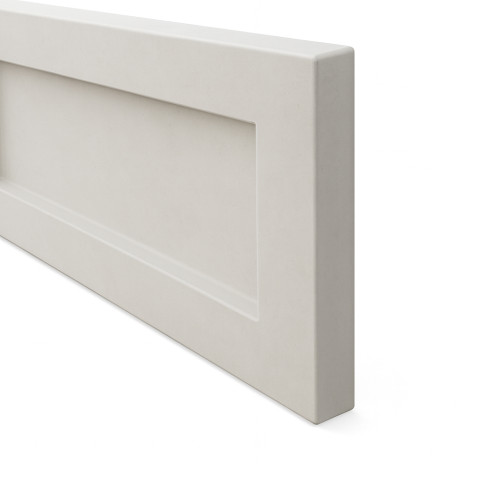
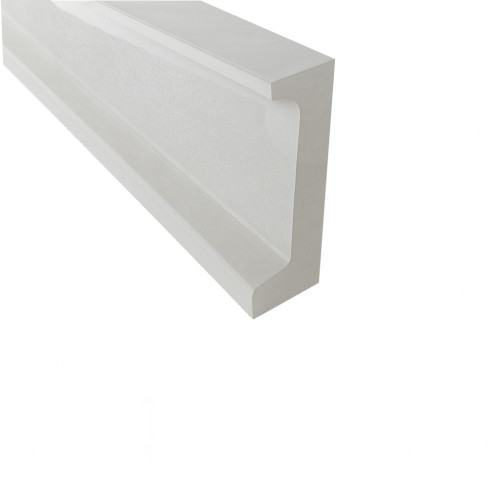
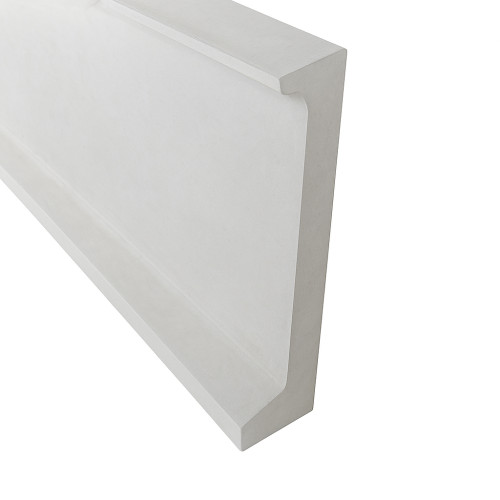
Concrete gravel boards are available in several configurations, including:
- 6in smooth boards
- 12in smooth boards
- 12in recessed boards
- Lightweight 6in rebated boards
- Lightweight 12in rebated boards
- 12in smooth boards with a hedgehog hole
The choice affects appearance, handling, wildlife access and finished fence height.
What Types Of Wooden Gravel Board Are Available?
Pressure-treated timber gravel boards are available in brown and green treatment colours and in several lengths.
This makes them straightforward to coordinate with similarly treated:
- Fence posts
- Closeboard components
- Fence panels
- Other landscaping timber
Remember that treatment colour is not a decorative guarantee. Timber colour changes naturally as it weathers.
What Are The Most Common Gravel Board Mistakes?
- Buying boards before choosing the post system
- Assuming every board fits every concrete post
- Forgetting that gravel-board height increases total fence height
- Using ordinary fencing to retain a substantial weight of soil
- Installing wooden boards permanently buried in wet ground unnecessarily
- Failing to measure individual existing bays
- Ignoring changes in ground level
- Underestimating the weight of concrete components
- Mixing incompatible panels, posts and boards
- Allowing soil and vegetation to build up against timber
- Installing new boards while leaving failed posts in place
Concrete Gravel Boards Are Best When...
- You want maximum resistance to ground-level moisture
- You are already using concrete fence posts
- The boundary is particularly damp
- You want low maintenance
- You prefer a substantial modular fencing system
- The fence runs beside flower beds or wet soil
Wooden Gravel Boards Are Best When...
- You prefer an all-timber appearance
- You are using wooden fence posts
- You need to cut boards to non-standard lengths
- Access makes heavy concrete components difficult to handle
- You want a lighter DIY-friendly component
- The boundary is relatively well drained
Concrete Or Wooden Gravel Boards: Which Should You Choose?
| Your Priority | Consider |
|---|---|
| Lowest ground-level maintenance | Concrete |
| Natural appearance | Wood |
| Damp ground | Concrete |
| Easy cutting | Wood |
| Easy handling | Wood |
| Concrete post system | Concrete |
| Timber post system | Wood |
| Wildlife access | Purpose-designed board with opening |
Gravel Board Buying Checklist
Before ordering, check:
- Am I using timber or concrete posts?
- What panel type am I installing?
- What is the actual bay width?
- How wet is the ground?
- Will soil sit against the board?
- Do I need a 6in or 12in concrete board?
- How will the board affect finished fence height?
- Can the components be carried into the garden safely?
- Do any boards need shortening?
- Does the boundary slope?
- Am I trying to retain soil?
- Do I want wildlife access?
- Are the existing posts still structurally sound?
FAQs
Are Concrete Gravel Boards Better Than Wooden Ones?
Concrete is generally better for resistance to moisture, rot and ground-level deterioration. Timber can be better where appearance, low weight and easy cutting are more important.
Are Wooden Gravel Boards Worth Using?
Yes. Pressure-treated wooden gravel boards are a practical choice for many timber fencing systems and provide a natural appearance.
Do Wooden Gravel Boards Rot?
They can eventually deteriorate because they are timber. Suitable pressure treatment, sensible installation and avoiding unnecessary persistent moisture help them perform better.
Do Concrete Gravel Boards Rot?
No. Concrete does not rot, although boards can still become stained, chipped or cracked.
Do Gravel Boards Make A Fence Last Longer?
They help protect the main timber panel by separating it from wet ground, vegetation and soil splash. This reduces exposure at one of the most vulnerable parts of the fence.
Do I Need Gravel Boards With Fence Panels?
They are not mandatory for every installation, but they are highly useful where timber panels would otherwise sit close to damp ground.
Should Gravel Boards Touch The Ground?
They are designed for the lower part of the fence and may sit directly at or partly within ground level depending on the installation. Avoid unnecessarily burying wooden boards in persistently wet soil.
Can Concrete Gravel Boards Be Buried?
They can sit partly below surrounding ground where required, but they should not automatically be used as retaining structures for major level differences.
Can Wooden Gravel Boards Be Buried?
Some ground contact may occur, but unnecessary burial exposes more timber to persistent moisture and should be avoided where possible.
Can A Gravel Board Retain Soil?
A board may deal with minor differences in level, but substantial retained soil can require a purpose-designed retaining structure.
Can You Put Soil Against Concrete Gravel Boards?
Concrete tolerates contact with soil much better than timber, but large quantities of retained soil can still impose significant pressure on the fence system.
Can You Put Soil Against Wooden Gravel Boards?
It is better to avoid continually piling wet soil against timber where possible.
Are Concrete Gravel Boards Heavy?
Yes. They are considerably heavier and more awkward to move than wooden boards, which should be considered when planning delivery and installation.
Can One Person Install Concrete Gravel Boards?
Because concrete boards are heavy and awkward, safe handling should be planned carefully. Mechanical assistance or additional people may be appropriate depending on the product and access.
Are Wooden Gravel Boards Easier To Install?
Generally, yes. They are lighter and easier to cut and drill.
Can You Cut A Wooden Gravel Board?
Yes. One of the main practical advantages of timber is that it can be shortened relatively easily for non-standard bays.
Can You Cut A Concrete Gravel Board?
It is possible with suitable equipment, but concrete cutting is considerably more difficult than cutting timber and involves additional dust and handling considerations.
Can I Use Concrete Gravel Boards With Timber Posts?
Potentially, provided the chosen fixing method and components are designed to work together. Confirm compatibility before ordering.
Can I Use Wooden Gravel Boards With Concrete Posts?
Potentially, but check the concrete post slot, timber thickness and bay dimensions carefully.
Can I Reuse Old Concrete Gravel Boards?
Yes, if they remain structurally sound and are compatible with the new panels and posts.
Can I Reuse Old Wooden Gravel Boards?
Yes, if the timber remains sound. Check areas that have been hidden against soil and around fixings.
Should I Use 6 Inch Or 12 Inch Concrete Gravel Boards?
A 6in board creates a shallower concrete base, while a 12in board raises the timber panel further and can help accommodate some changes in ground level. Finished fence height needs to be considered.
Do Gravel Boards Count Towards The 2m Fence Height?
Where a gravel board raises the fence above the surrounding ground, it contributes to the overall height of the enclosure.
Can You Paint Wooden Gravel Boards?
Yes, once the timber is suitably dry and prepared for the chosen exterior coating.
Can You Paint Concrete Gravel Boards?
Yes, using a suitable masonry or concrete coating, although this introduces additional decorative maintenance.
What Colour Wooden Gravel Boards Are Available?
Pressure-treated wooden gravel boards are available in brown and green treatment colours.
Are Concrete Gravel Boards Good For Dogs?
They create a substantial lower edge beneath the fence and can help reduce simple gaps. They do not automatically prevent a determined dog from digging beneath the boundary.
Can Hedgehogs Get Through Concrete Gravel Boards?
A standard continuous board can restrict passage, but purpose-designed concrete gravel boards with hedgehog openings are available.
Which Gravel Boards Are Best For A Wet Garden?
Concrete is usually the stronger choice where persistent ground-level moisture is a major concern.
Which Gravel Boards Are Best For A DIY Fence?
Wooden boards are usually easier for DIY installation because they are lighter and easier to cut.
Which Gravel Boards Look Best?
Wood generally provides a more natural appearance, while concrete creates a stronger, more structured base. The best choice depends on the panels, posts and overall garden design.
Choose The Gravel Board As Part Of The Complete Fence
Concrete and wooden gravel boards both solve the same basic problem: they create a protective lower section between the main fence panel and difficult ground-level conditions.
Concrete is the stronger choice where maximum resistance to moisture, rot and low-level wear is the priority. It works particularly well with slotted concrete posts and creates a durable modular fencing system.
Timber offers different advantages. Wooden gravel boards are lighter, easier to transport, easier to cut and visually blend with wooden posts and panels. For a well-drained garden where an all-timber appearance is preferred, pressure-treated wooden boards can be an excellent choice.
The most important mistake to avoid is choosing the gravel board separately from the rest of the fence.
Decide first whether you want timber or concrete posts, identify the panel style, measure the bays and calculate the finished fence height. Then select compatible gravel boards, gate components, fixings and other fencing materials around that complete system.
When the components are matched properly, either wooden or concrete gravel boards can create a neat, practical boundary while keeping the main timber fence panels away from the wettest and hardest-working part of the garden.