





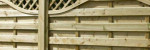

How to Attach Trellis to a Fence or Wall
Trellis is one of the simplest ways to add height, interest and planting support to a garden. It can soften a plain boundary, improve privacy, support climbing plants and make better use of vertical space. Whether you are fitting trellis panels to a timber fence, adding fence topper trellis above existing fence panels or fixing garden trellis panels to a brick wall, the key is to install it securely and leave enough space for plants to grow.
A good trellis installation should do three things. It should be fixed firmly, it should sit level, and it should allow air to move around the timber and plants. If the trellis is loose, it can rattle in the wind or pull away once plants become heavier. If it is fixed too tightly against a wall, climbing plants may struggle to weave through and moisture can sit behind the panel.
This guide explains how to attach trellis to a fence or wall, what tools you need, how to choose the right fixings and what to check before you start.
Choosing the Right Trellis Panel
Before fitting anything, choose a trellis panel that suits the job. Trellis panels come in different styles, sizes and levels of screening. Some are designed mainly for plant support, while others are better for privacy and decoration.
Traditional trellis is a popular choice for climbing plants because the open pattern gives stems plenty of space to grow through. Privacy square trellis has smaller gaps, so it provides more screening while still allowing light and airflow. Diamond trellis gives a decorative look and is often used above fence panels or against walls. Horizontal slatted trellis can create a more modern garden screen.
If the aim is to support plants, think about how heavy those plants will become. A young clematis or jasmine may be light when planted, but mature climbing plants can become surprisingly heavy, especially after rain. More vigorous plants may need stronger trellis panels and firmer fixings.
If the aim is privacy, consider where the screening is needed most. Fence topper trellis can help reduce overlooking without making the whole boundary feel too solid. A full height trellis screen can work well around seating areas, patios and garden features.
Check the Fence or Wall First
A trellis is only as secure as the surface it is fixed to. Before you start, check the condition of the fence, fence posts or wall.
If you are fixing to a timber fence, make sure the fence panels and posts are sound. Do not fix trellis to rotten boards, loose rails or posts that are already leaning. The extra weight and wind resistance can make an old fence worse. If the fence is weak, repair or replace the damaged parts first.
If you are fitting trellis to concrete fence posts, check whether the trellis is being fixed to timber battens, brackets or an existing panel. Avoid drilling into concrete posts unless you are confident it is suitable, as this can damage the post or weaken it. In many cases, it is better to fix trellis to a timber frame or panel rather than the concrete post itself.
If you are fixing to a wall, check that the brickwork or masonry is in good condition. Loose bricks, cracked render and crumbling mortar will not hold fixings well. Weak areas should be repaired before the trellis is installed.
Tools and Materials You May Need
The exact tools depend on whether you are fixing the trellis to timber or masonry, but most jobs need the same basic preparation.
- Trellis panel or trellis topper
- Tape measure
- Spirit level
- Pencil or marker
- Drill or driver
- Wood drill bit for timber fencing
- Masonry drill bit for brick or concrete walls
- Exterior grade screws
- Wall plugs for masonry fixing
- Timber battens or spacer blocks
- Suitable brackets, where needed
- Saw, if battens need cutting
- Gloves and eye protection
Use exterior grade screws and fixings. Indoor screws can rust quickly outside, which can stain the timber and weaken the fixing. If you are installing a larger or heavier trellis panel, use fixings that are strong enough for the weight of the panel and the plants it will support.
Why Spacers or Battens Are Useful
In most cases, it is best not to fix trellis completely flat against a wall. A small gap behind the panel helps air circulate and gives climbing plants room to wrap around the trellis. It also reduces the chance of moisture being trapped between the wall and the timber.
Spacer blocks or timber battens can be used to create this gap. Battens are usually fixed vertically to the wall first, then the trellis is screwed to the battens. This gives a stronger fixing and keeps the trellis set away from the wall.
On a timber fence, a gap is not always essential, especially if the trellis is being used as a fence topper. However, spacing can still help when the trellis is being used for climbing plants. If the plant needs to weave through the panel, a small gap makes training much easier.
How to Attach Trellis to a Timber Fence
Fitting trellis to a timber fence is usually straightforward, provided the fence is in good condition. The most common methods are fixing the trellis directly to the fence panel, fixing it to the fence posts or fixing it to additional timber battens.
Step 1: Decide the Position
Hold the trellis panel against the fence and decide where it should sit. If it is being fitted above existing fence panels, check that it lines up neatly with the posts and the top of the fence. If it is being fitted to the face of a panel, centre it carefully so it looks balanced.
Use a spirit level to check that the trellis is straight. Even a small slope can be noticeable once the panel is fixed, especially across a long fence line.
Step 2: Check What You Are Fixing Into
Try to fix into solid timber rather than thin or weak areas of the fence panel. The strongest fixing points are usually fence posts, panel framing or rails. Avoid relying only on thin slats or fragile boards, as these may split or fail under load.
If the trellis does not line up with strong fixing points, fit timber battens first. The battens can spread the load and give you a better surface for the screws.
Step 3: Mark the Fixing Points
Mark where the screws will go. Use enough fixing points to hold the trellis securely. A small trellis panel may only need a few fixings, while a larger panel will need more support.
Keep fixings evenly spaced. This helps stop the panel twisting and keeps it tight to the fence. Do not place screws too close to the edge of the trellis battens, as this can split the timber.
Step 4: Drill Pilot Holes
Drill pilot holes before inserting screws. This helps prevent the timber from splitting and makes it easier to drive the screws in cleanly.
Pilot holes are especially useful with trellis panels because the battens are usually narrower than standard fence boards. Forcing screws directly into thin timber can cause cracks.
Step 5: Screw the Trellis in Place
Hold the trellis in position and fix it using exterior grade screws. Check the level again before tightening everything fully. If the panel shifts slightly during fixing, loosen the screw and adjust it before continuing.
Do not overtighten the screws. Pulling them too hard into the timber can crush or split the trellis batten. The panel should be firm, but the fixings should not damage the timber.
How to Fit Fence Topper Trellis
Fence topper trellis is usually fitted above existing fence panels to add height, decoration or extra privacy. It is a common option where a solid fence feels too low but a full replacement is not needed.
Before adding topper trellis, check that the existing fence posts are tall enough and strong enough. If the posts finish at the same height as the current fence panels, there may be nothing solid to fix the trellis to. In that case, you may need post extensions, longer posts or a suitable supporting frame.
Where the posts extend above the panel, the trellis can often be fixed between them. The trellis should be supported at both ends and, where possible, along the bottom edge. If several trellis panels are being fitted in a row, keep the tops level and the gaps consistent.
Be careful when adding height to an old fence. Trellis may look light, but it still catches wind, especially once plants grow through it. If the existing posts are weak, leaning or rotten, adding trellis may make the problem worse.
How to Attach Trellis to a Brick or Masonry Wall
Fixing trellis to a wall is different from fixing it to a timber fence. You will usually need masonry drill bits, wall plugs and timber battens or spacer blocks. The aim is to create a secure fixing without trapping moisture behind the trellis.
Step 1: Mark the Trellis Position
Place the trellis against the wall and decide the height and position. Use a tape measure and spirit level to mark the fixing points. If the trellis is part of a wider garden design, check how it lines up with paths, planting beds, gates, fence panels or other features.
Leave enough space at the base if plants will be planted below. The trellis should be low enough for young plants to reach, but not so low that it sits in damp soil.
Step 2: Fit Timber Battens or Spacers
For most wall installations, fit vertical timber battens to the wall first. The trellis is then screwed to these battens. This creates a gap for airflow and gives the trellis a firm surface to fix into.
Mark the batten positions, then drill into the wall using a masonry bit. Insert suitable wall plugs, position the battens and screw them into place. Make sure the battens are straight and firmly fixed.
Use treated timber battens suitable for outdoor use. Untreated timber fixed against a damp wall may not last well.
Step 3: Fix the Trellis to the Battens
Hold the trellis against the battens and check it is level. Drill small pilot holes through the trellis where the screws will go, then screw it into the battens.
Use enough fixings to hold the panel securely. Larger trellis panels may need several fixing points down each side and across the middle. Once fixed, gently test the panel to make sure it does not wobble or pull away.
Fixing Trellis to Rendered Walls
Rendered walls need extra care. The fixing must go into the solid wall behind the render, not just into the render itself. Render can crack or break away if fixings are placed badly or overtightened.
Use suitable masonry fixings and drill carefully. If the render is cracked, hollow or loose, do not rely on it to hold the trellis. It may be better to repair the wall first or use a freestanding timber frame in front of the wall.
Fixing Trellis to Concrete Posts
Many garden fences use concrete fence posts with fence panels and gravel boards. If you want to add trellis to this type of fence, the method needs care.
Concrete posts are strong, but drilling into them is not always recommended. It can be difficult, and it may damage the post. Instead, look at whether the trellis can be fixed to a timber frame, timber battens or post extenders designed for the job.
If the trellis is being added above fence panels, make sure it is properly supported. Do not rely on the top edge of the fence panel alone, especially if climbing plants will be added. The trellis needs a secure structure to resist wind and plant weight.
Attaching Trellis for Climbing Plants
If the trellis is being used for climbing plants, leave enough space behind it for growth. Plants such as clematis, honeysuckle, jasmine and climbing roses need room for stems to move through the trellis. A panel fixed too tightly against a wall can make training harder.
Think about the mature size of the plant. A small plant in a pot may look light, but in a few years it can put a lot of weight on the trellis. Vigorous climbers may need stronger support than a light decorative trellis panel.
It is also worth thinking about maintenance. You should be able to prune and train the plant without pulling the trellis away from the wall or fence. Keep the fixing points accessible where possible.
Using Trellis for Privacy
Trellis can improve privacy without blocking out too much light. Privacy trellis panels are useful where you want screening but do not want a completely solid barrier. They are often used above fence panels, around patios or beside seating areas.
If privacy is the main aim, choose the trellis style carefully. A very open traditional trellis will not provide much screening until plants grow through it. Privacy square trellis or slatted trellis will give more immediate cover.
For extra screening, combine trellis with planting. Evergreen climbers can help give year round cover, while flowering climbers add seasonal interest. Make sure the trellis and fixings are strong enough for the planting you choose.
Using Trellis as a Decorative Feature
Trellis does not have to be used only for plants. It can also be fitted to a plain wall or fence as a decorative feature. A well placed trellis panel can break up a bare surface, frame a seating area or create a more finished look in the garden.
Decorative trellis panels work well around patios, entrances and garden paths. They can also be used with garden gates, raised beds, railway sleepers and planting schemes to create a more structured outdoor space.
When using trellis decoratively, position it carefully. The panel should line up with nearby features and sit level. A trellis that is slightly off centre or uneven can draw the eye for the wrong reason.
Should Trellis Touch the Ground?
In most cases, timber trellis should not sit directly on the ground. Soil and standing water can cause the bottom of the panel to deteriorate more quickly. Leaving a small gap at the bottom helps protect the timber and allows air to circulate.
If the trellis needs to start close to ground level for planting, try to keep it slightly raised or use a suitable support frame. Climbing plants can usually be guided onto the trellis with garden ties while they establish.
The same principle applies to timber fence panels. Keeping timber away from direct ground contact, often with the help of gravel boards, can extend its useful life.
Common Mistakes When Installing Trellis
One common mistake is fixing trellis to a weak fence. If the fence panel or post is already moving, the trellis will not solve the problem. It will add more weight and wind resistance, which can make the fence less stable.
Another mistake is using the wrong screws or fixings. Indoor screws can rust outside. Small screws may not hold a larger trellis panel securely. Masonry fixings must be suitable for the wall type.
Fixing trellis flat against a wall can also cause issues, especially when growing plants. Without a gap, there is less airflow and less room for stems to weave through. Battens or spacers usually give a better result.
It is also easy to underestimate plant weight. A mature climber can pull hard on a trellis, particularly in wind and rain. Choose the panel and fixings with the mature plant in mind, not just the size of the plant on the day it is planted.
Maintaining Trellis Panels
Once the trellis is installed, check it regularly. Look for loose screws, split battens, plant growth pulling on the frame or signs of timber decay. It is easier to tighten a fixing or trim a plant early than to repair a panel that has pulled away.
Keep heavy climbing plants pruned so they do not overload the trellis. Remove dead growth and tie in stems where needed. Avoid letting plants force their way behind panels or into gaps where they can cause movement.
If the trellis is timber, follow suitable maintenance guidance for the product. Keeping timber clean and allowing airflow around it will help it last longer. If any cut ends are exposed during installation, treat them with a suitable end grain treatment where appropriate.
When to Use a Freestanding Trellis Instead
Sometimes it is better not to fix trellis directly to a fence or wall. If the wall is weak, the fence is old or the surface is awkward, a freestanding trellis frame may be more suitable.
A freestanding frame can be built with wooden posts and trellis panels. The posts should be set securely in the ground using suitable post mix, just as you would with a light fence line. This gives the trellis its own support rather than relying on an existing structure.
Freestanding trellis can be useful for screening patios, hiding bins, dividing garden areas or supporting climbing plants away from a wall. It can also be combined with planters, raised beds or railway sleepers for a more finished garden feature.
Final Checks Before You Finish
Before finishing the job, check that the trellis is level, secure and properly supported. Gently test it by hand. It should not wobble, rattle or pull away from the fence or wall.
Check that screw heads are not sticking out where they could catch hands, clothing or plant stems. Make sure the bottom edge is not sitting in wet soil. If the trellis is for climbing plants, check that there is enough space behind it for growth.
If several trellis panels have been fitted in a row, stand back and look along the full run. The tops should line up neatly, and the spacing should look consistent.
A Simple Way to Improve a Fence or Wall
Attaching trellis to a fence or wall is a practical way to improve a garden without replacing the whole boundary. It can add privacy, support climbing plants and make a plain surface more attractive.
The most important points are simple. Choose the right trellis panel, fix into a sound surface, use suitable outdoor screws and leave a gap where plants need room to grow. For walls, battens or spacers usually give the best result. For fences, make sure the posts and panels are strong enough before adding extra height or weight.
With careful fitting and basic maintenance, garden trellis panels can give long lasting support for plants and help create a softer, more attractive outdoor space.