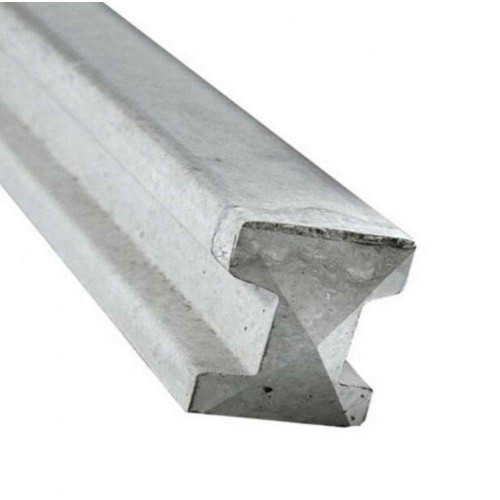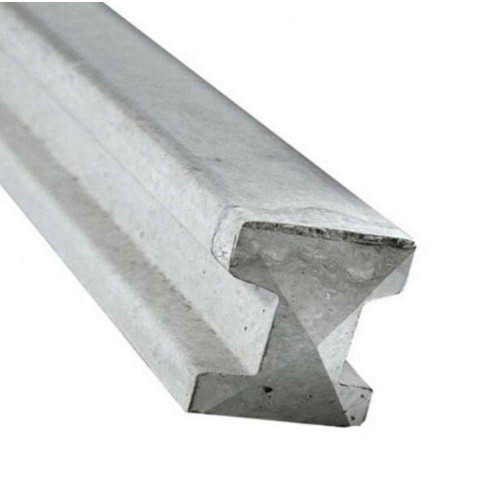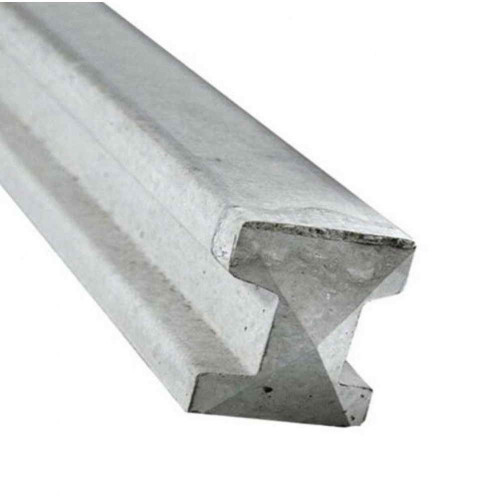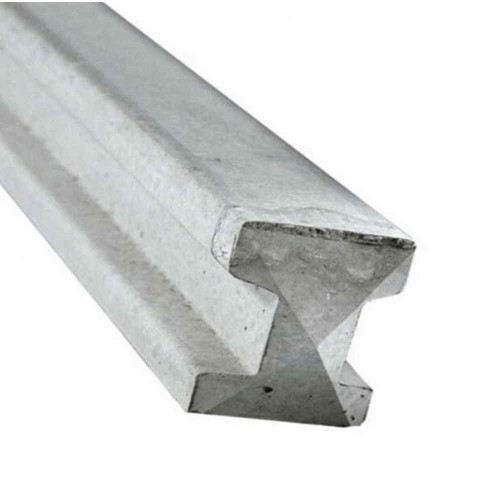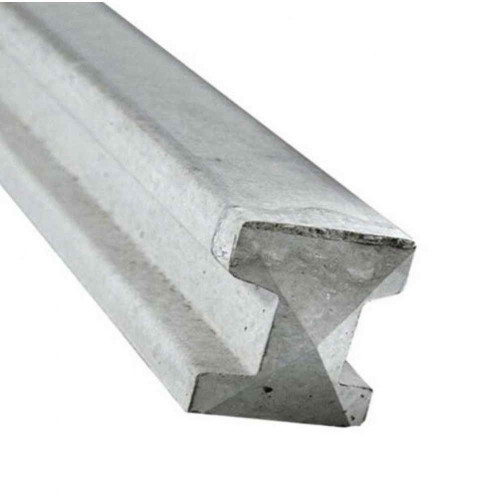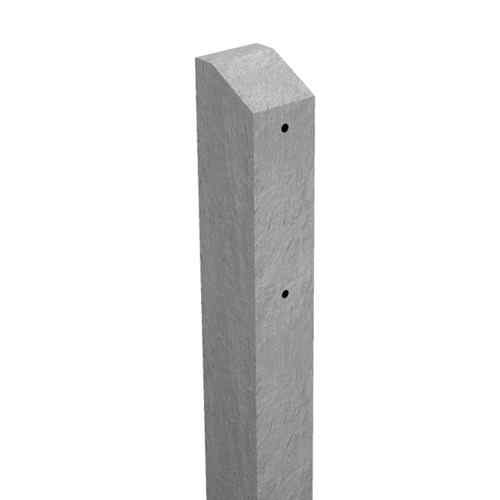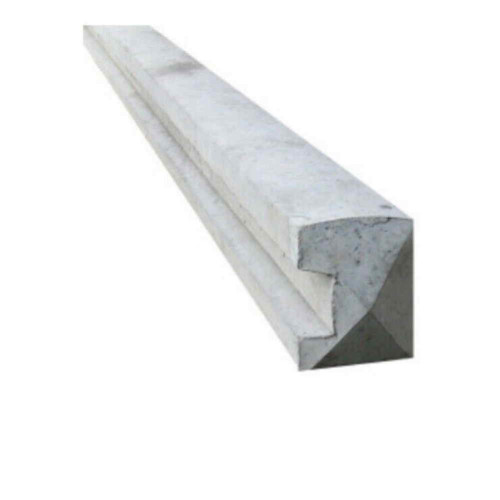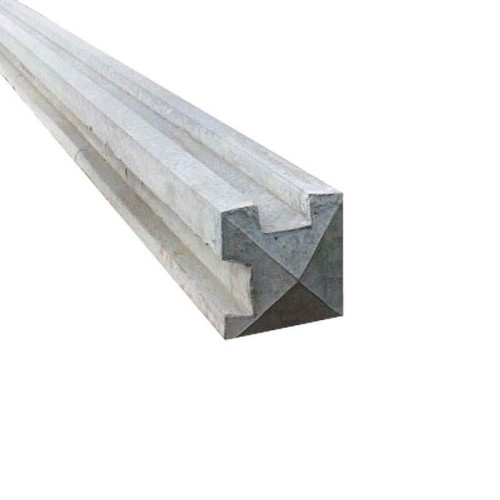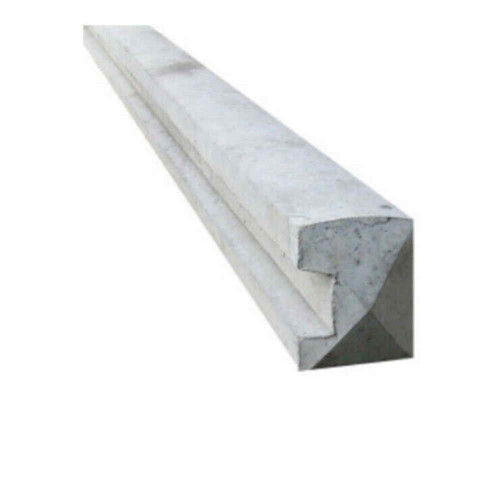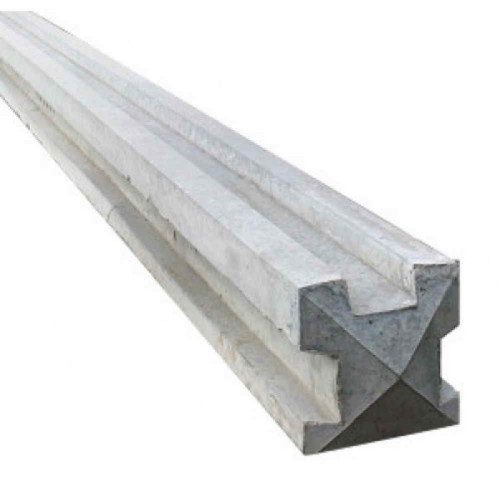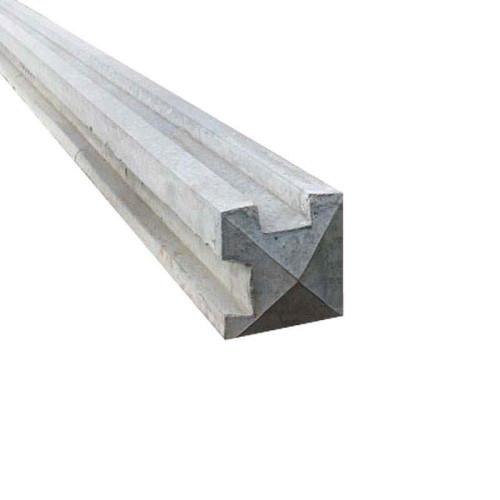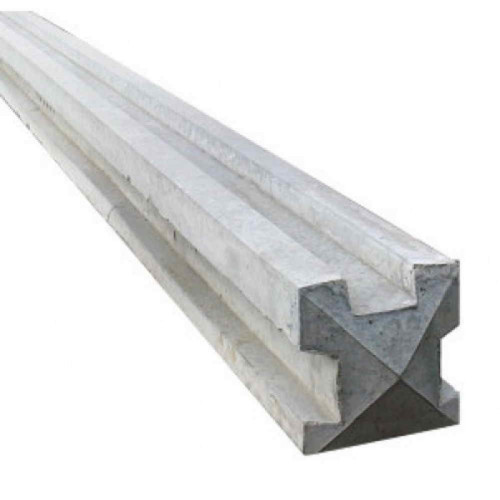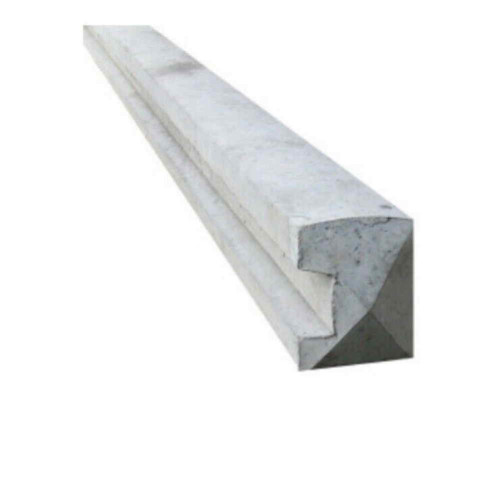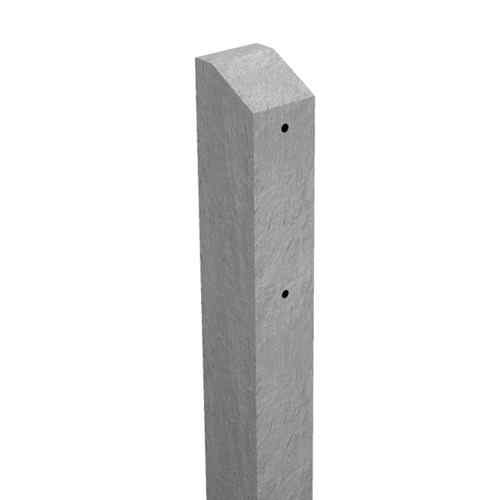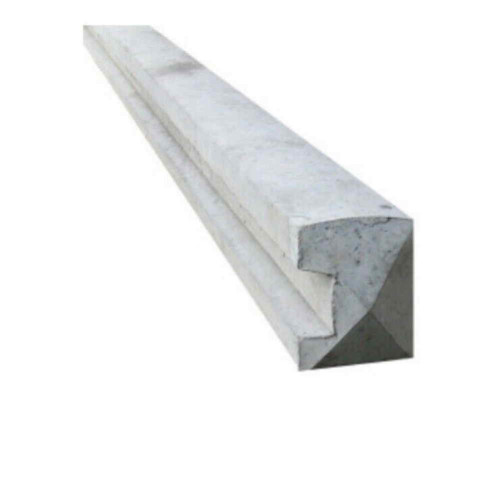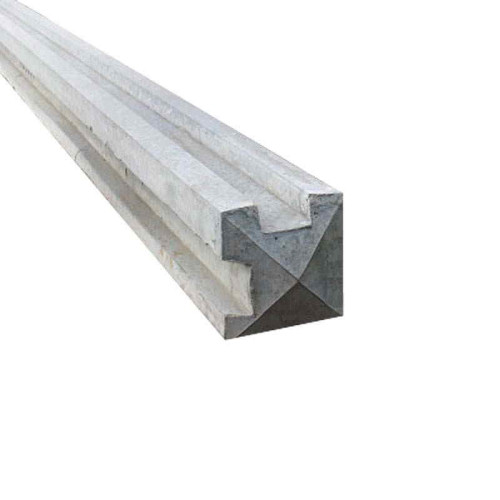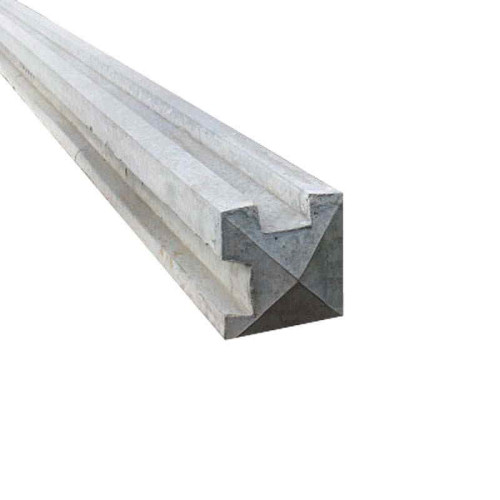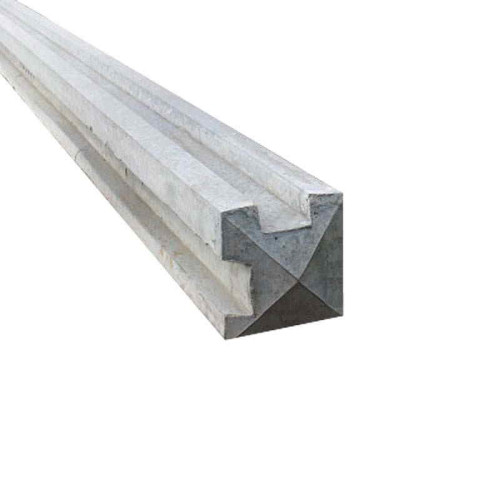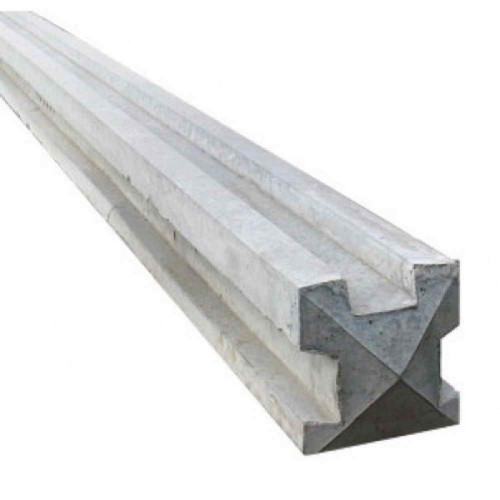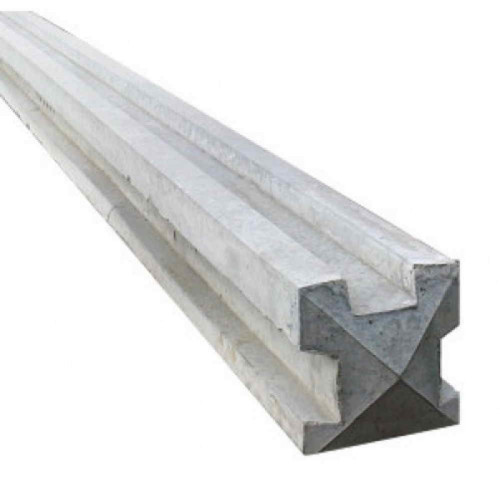




Yes, concrete fence posts can be painted. Many homeowners choose to paint them so they blend in better with timber fence panels, garden gates, trellis panels or the wider garden design. Concrete posts are practical and long-lasting, but their pale grey colour does not suit every garden. Painting them can give the fence line a cleaner, more finished appearance.
The important point is preparation. Concrete is not the same as timber. It is porous, mineral-based and often exposed to rain, frost, algae and dirt. If you paint straight onto dirty or damp concrete, the finish may peel, flake or look patchy. For a lasting result, the posts need to be cleaned, allowed to dry, repaired where needed, primed with a suitable masonry or concrete primer, then painted with an exterior masonry paint or another product designed for outdoor concrete.
This guide explains when painting concrete fence posts is worth doing, what paint to use, how to prepare the posts properly, how to apply the paint, and how to look after the finish afterwards. It also covers common mistakes, colour choices and practical points to consider before painting a full fence run.
Why Paint Concrete Fence Posts?
Concrete fence posts are chosen because they are strong, durable and low maintenance. They are often used with fence panels because they offer excellent support and are not vulnerable to rot in the same way as timber posts. However, they do have a very visible appearance. In some gardens, the grey concrete contrasts sharply with wooden fence panels and can make the boundary look more functional than finished.
Painting concrete fence posts can help soften that look. A darker colour can make the posts recede into the background. A colour matched to the fence panels can create a more uniform boundary. A lighter shade can suit a modern garden with pale paving, rendered walls or contemporary planting.
Painting can also help refresh older posts. Over time, concrete posts can become stained by algae, dirt, weathering, soil splashback and general garden debris. A clean coat of paint can make the whole fence line look tidier, especially if the fence panels have recently been replaced or treated.
Is Painting Concrete Fence Posts a Good Idea?
Painting concrete fence posts is a good idea if you want a more consistent look across the garden and are prepared to do the preparation properly. The result can be smart and long-lasting when the right products are used.
It is not always necessary. If you are happy with the natural grey finish, concrete posts can be left unpainted. One of the advantages of concrete fence posts is that they need very little visual maintenance compared with timber. Once painted, they may need occasional cleaning and touching up, especially in exposed areas or where plants rub against the surface.
So the choice is mainly about appearance. Painting does not turn a poor fence into a good one, and it will not fix cracked, leaning or damaged posts. But if the posts are sound and you want them to look better with your fence panels, painting can be a sensible upgrade.
Can You Paint New Concrete Fence Posts?
New concrete fence posts can be painted, but you should not rush the job. New concrete may contain moisture and can sometimes have surface residue from manufacturing, handling or storage. If paint is applied before the post is dry and ready, adhesion can suffer.
It is usually best to let new posts weather and dry properly before painting. The exact waiting time can vary depending on the post, weather and paint product, so always follow the paint manufacturer’s guidance. If in doubt, wait until the posts are thoroughly dry and any surface dust, dirt or residue has been cleaned away.
If the posts are being installed at the same time as new fence panels, you may find it easier to paint them before the panels are fitted, provided the posts are dry and ready. This gives better access to the sides and grooves. If the panels are already in place, painting is still possible, but it will take more care around the edges.
Can You Paint Old Concrete Fence Posts?
Old concrete fence posts can usually be painted if they are structurally sound. In many cases, older posts are ideal candidates for painting because the concrete has fully cured and weathered. The main challenge is cleaning and preparation.
Older posts often have algae, moss, lichen, soil staining, rust marks from old fixings, or paint residue from previous coatings. All loose material needs to be removed before painting. If the surface is powdery, flaky or contaminated, the paint will not bond properly.
Check the condition of the posts before starting. Look for deep cracks, spalling concrete, movement, leaning or damage around the base. Paint should not be used to hide structural problems. If a post is failing, it should be assessed and replaced where needed.
What Paint Should You Use on Concrete Fence Posts?
For most concrete fence posts, a good quality exterior masonry paint is the most common choice. Masonry paint is designed for mineral surfaces such as concrete, render, brick and blockwork. It is made to handle outdoor weather, moisture movement and temperature changes.
You may also see specialist concrete paints and exterior mineral paints. These can work well, provided they are suitable for vertical outdoor concrete surfaces. Always check the product label before buying.
The paint should be suitable for exterior use, suitable for concrete or masonry, weather resistant, breathable where appropriate, and compatible with the primer or stabiliser being used.
Avoid using ordinary interior wall paint, fence paint designed only for rough timber, or gloss paint unless the product specifically states that it is suitable for exterior concrete. The wrong paint may peel, trap moisture or fail quickly.
Do Concrete Fence Posts Need Primer?
In many cases, yes, primer is strongly recommended. Concrete is porous, and a primer helps paint adhere properly. It can also reduce uneven absorption, which helps the finish look more consistent.
The right primer depends on the condition of the surface and the paint being used. A masonry primer or concrete primer is commonly used on bare concrete. If the concrete is powdery or chalky after cleaning, a stabilising solution may be needed before painting. However, stabiliser should only be used where the product instructions say it is suitable. It should not be used as a shortcut on a dirty or unstable surface.
Some masonry paints are self-priming on certain surfaces, but you should not assume that applies to your posts. Read the product guidance carefully. If the manufacturer recommends a primer, use one. Skipping this step is one of the main reasons painted concrete fails early.
Can You Paint Concrete Posts to Match Fence Panels?
Yes, and this is one of the most common reasons for painting them. Concrete posts can look quite stark next to wooden fence panels, especially if the panels are a warm brown, dark brown, black, green or grey finish. Painting the posts in a similar colour can make the boundary look more unified.
A darker shade often works well because it makes the posts less noticeable. Black, charcoal, dark brown and deep grey can all sit well with many fence panel styles. A brown shade can work with pressure treated fence panels or timber fence panels that have been stained. A pale grey may suit contemporary gardens with light paving or rendered walls.
It is worth testing a small area first. Colours can look different on concrete than they do on a paint chart. They can also look different in sunlight, shade and wet weather.
Should You Paint the Posts Before or After Installing Fence Panels?
If the posts are new, dry and ready to paint, it is often easier to paint them before fitting the fence panels. This gives full access to the front, sides and grooves. It also reduces the risk of getting paint on the panels.
However, posts are often installed first and panels fitted soon after, so painting afterwards is common. If painting after installation, protect the fence panels with masking tape, cardboard or dust sheets. Take particular care around panel edges, gravel boards and post grooves.
If you are replacing fence panels but keeping existing concrete posts, this can be a good time to paint. Once the old panels are removed, the posts are easier to clean and coat properly.
Tools and Materials You Will Need
The exact tools depend on the condition of the posts and the paint system being used. For most jobs, the following items are useful:
- Stiff brush
- Bucket of warm water
- Mild detergent or suitable masonry cleaner
- Scraper for loose material
- Wire brush for stubborn deposits, used carefully
- Fungicidal wash if algae or mould is present
- Exterior masonry primer or concrete primer
- Exterior masonry paint suitable for concrete
- Masonry brush, roller or paint sprayer
- Small brush for grooves and edges
- Masking tape
- Dust sheets or cardboard to protect fence panels and paving
- Gloves and eye protection
- Concrete repair filler if minor repairs are needed
If you are painting posts while fence panels are in place, a smaller brush is useful for working neatly around the panel edges and grooves.
Step 1: Check the Weather
Painting outdoor concrete should be done in suitable weather. Avoid painting in rain, frost, strong wind, very hot sun or damp conditions. The surface needs to be dry, and the paint needs enough time to cure before bad weather hits.
Masonry paint usually has a recommended temperature range and drying time. Follow the instructions on the tin. Do not paint late in the day if temperatures are likely to drop sharply or if condensation may form overnight.
Spring, early summer and early autumn are often good times for outdoor painting, provided the weather is dry and mild.
Step 2: Clean the Concrete Fence Posts
Cleaning is one of the most important parts of the job. Paint will not stick properly to dirt, algae, moss, loose dust or old flaking coatings.
Start by brushing the posts thoroughly with a stiff brush. Remove loose dirt, cobwebs, plant debris and surface dust. Pay attention to the grooves where fence panels sit, as these areas often collect dirt and organic matter.
Wash the posts with warm water and mild detergent, or use a suitable masonry cleaner if needed. If algae, mould or green staining is present, use a fungicidal wash suitable for exterior masonry. Follow the product instructions and allow it to work properly.
A pressure washer can be used carefully, but avoid using excessive pressure close to the surface. Too much force can damage weaker concrete or drive water into cracks. If you pressure wash, allow the posts to dry thoroughly before painting.
Step 3: Remove Loose or Flaking Material
If the posts have been painted before, remove any loose, peeling or flaking paint. A scraper and stiff brush are usually enough for small areas. Do not paint over loose coatings, as the new paint will only be as strong as the surface beneath it.
If the old paint is firmly bonded, it may not need to be removed completely. It should still be cleaned and lightly abraded where needed so the new coating can bond.
If there is a powdery surface after cleaning, check whether a stabilising primer is needed. Painting directly onto chalky concrete can lead to poor adhesion.
Step 4: Repair Minor Damage
Small chips, cracks or surface defects can be filled before painting. Use a concrete repair filler or exterior masonry repair product suitable for the size of the defect.
Follow the manufacturer’s instructions for application and drying time. Do not paint over fresh repair material until it is fully cured and ready to coat.
Large cracks, leaning posts or serious damage should not simply be filled and painted. If a concrete fence post is structurally compromised, it may need replacing. Painting is a finishing job, not a structural repair.
Step 5: Let the Posts Dry Fully
Concrete can hold moisture, especially after washing or pressure cleaning. The surface may look dry before the post is ready to paint. If moisture is trapped beneath the coating, the paint may blister, peel or fail.
Allow plenty of drying time after cleaning. This may take longer in cool or shaded gardens. Posts behind dense planting, near hedges or in narrow side passages can dry slowly because air movement is limited.
Do not rush this stage. A dry surface is essential for a good finish.
Step 6: Protect Nearby Fence Panels and Surfaces
Before priming or painting, protect anything you do not want coated. This includes fence panels, gravel boards, paving, lawns, planting and garden gates.
Masking tape can help protect the edge of timber fence panels where they meet the post. Cardboard or dust sheets can be used at ground level. If painting close to plants, tie stems back gently or cover them for the duration of the work.
Take extra care if the fence panels have already been treated or painted in a different colour. Masonry paint can be difficult to remove from timber once dry.
Step 7: Apply a Suitable Primer
Apply the primer according to the product instructions. Use a brush for grooves, corners and textured areas. A roller can be used on flatter faces, but concrete posts often have edges and recesses that are easier with a brush.
Work the primer into the surface rather than leaving it sitting thickly on top. Avoid heavy runs and drips. Make sure the sides of the posts are coated as well as the front faces if they will be visible.
Allow the primer to dry fully before applying paint. Drying times vary depending on the product, temperature and humidity.
Step 8: Apply the First Coat of Paint
Once the primer is dry, apply the first coat of exterior masonry paint. Use a masonry brush, roller or sprayer depending on the finish you want and the access available.
A brush is often best for concrete fence posts because it gives control around grooves and panel edges. A roller can speed up flat faces. A sprayer can be quick on long runs, but it needs careful masking and calm weather to avoid overspray.
Apply the paint evenly and avoid overloading the brush. Thick coats are not better. They can dry unevenly and may be more likely to crack or peel. Two thinner coats are usually better than one heavy coat.
Step 9: Apply a Second Coat
Most painted concrete posts will need at least two coats for an even, durable finish. Let the first coat dry for the time recommended by the paint manufacturer before applying the second.
The second coat improves colour depth and coverage. It also helps even out any patchiness caused by the texture and absorbency of the concrete.
Check the posts from different angles once the paint has dried. Concrete posts often have grooves and edges that are easy to miss.
Can You Spray Paint Concrete Fence Posts?
You can spray paint concrete fence posts if you use a suitable exterior masonry paint and the right spraying equipment. Spraying can be efficient on long fence runs, but it is not always the best method for a domestic garden.
The main issue is overspray. Paint can drift onto fence panels, patios, windows, cars, plants and neighbouring property. Spraying should only be done in calm weather with proper masking.
For most homeowners, a brush and roller give more control. They are slower, but they reduce the risk of mess and help you work paint into textured concrete.
Can You Paint Concrete Fence Posts Black?
Yes, black is a popular colour for concrete fence posts. It can make the posts look more modern and help them recede visually, especially when paired with dark fence panels or contemporary landscaping.
Black can look smart with slatted fence panels, decorative fence panels, trellis panels and planting. It can also create a strong contrast with pale gravel, paving or rendered walls.
Bear in mind that very dark colours may show dust, scratches or bird mess more readily than mid-tones. They may also become warmer in direct sun. This is not usually a major problem for concrete posts, but it is worth considering if the posts sit in a very sunny spot.
Can You Paint Concrete Fence Posts Brown or Green?
Brown and green are also common choices. Brown can help concrete posts blend with wooden fence panels, especially pressure treated fence panels or panels finished with brown timber treatment. Green can work well in planted gardens where the aim is to make the posts less noticeable.
Choose the colour in daylight and test it if possible. A colour that looks subtle on a chart may look much stronger when applied down a full fence line.
Should You Paint Concrete Gravel Boards to Match?
If your fence has concrete gravel boards, you may want to paint them at the same time as the posts. This can create a more consistent finish along the fence line.
The same basic preparation applies. Clean the gravel boards thoroughly, remove algae and dirt, repair minor damage, allow them to dry, then prime and paint with a suitable exterior masonry system.
Concrete gravel boards are close to the ground, so they are exposed to more splashback, soil and moisture. The paint may need more regular cleaning or touching up than paint on the posts.
Will Paint Protect Concrete Fence Posts?
Paint can provide a decorative coating and some surface protection, but it should not be seen as a complete waterproofing system. Concrete fence posts are already designed for outdoor use. Painting is mainly about appearance, with some added resistance to weathering and staining depending on the product used.
A breathable exterior masonry paint can help shed rain while allowing moisture vapour to escape. This is important because trapped moisture can cause blistering or peeling. Avoid unsuitable coatings that seal moisture into the concrete.
Good installation and drainage still matter. Paint will not prevent damage caused by major movement, poor ground conditions or physical impact.
How Long Does Paint Last on Concrete Fence Posts?
The lifespan of the paint finish depends on surface preparation, paint quality, weather exposure, colour, moisture levels and how much wear the posts receive. A well-prepared and properly painted surface should last much longer than a rushed job.
Posts in sheltered areas may keep their finish well for years. Posts exposed to strong sun, driving rain, plant growth or regular knocks from garden tools may need attention sooner.
Cleaning the posts occasionally and touching up small chips can help extend the life of the finish.
Common Mistakes When Painting Concrete Fence Posts
Most paint failures come from poor preparation or using the wrong product. Avoid these common mistakes:
- Painting over dirt, algae or moss
- Painting damp concrete
- Skipping primer when the paint system needs one
- Using interior paint outside
- Using timber fence paint that is not suitable for concrete
- Applying paint too thickly
- Painting in rain, frost or strong direct heat
- Not allowing enough drying time between coats
- Ignoring cracks or damaged concrete before painting
- Forgetting to protect nearby fence panels, gravel boards and paving
Painting Concrete Posts Next to Timber Fence Panels
Many concrete posts are installed with timber fence panels. This combination is practical because the concrete posts provide strong support while the wooden fence panels give privacy and a natural look.
When painting posts next to timber panels, neatness matters. Mask the panel edges carefully. If the fence panels are removable, it may be worth lifting them out before painting the posts, but only if this can be done safely and without damaging the fence.
If you are replacing old panels with new ones, paint the posts while the panels are out. This gives much better access and reduces the risk of paint marks.
Once the posts are painted, you may want to refresh the timber panels as well. Use a product suitable for exterior timber and make sure it is compatible with any existing treatment.
Painting Concrete Posts Around Trellis Panels
Concrete posts can also be used with trellis panels, depending on the fencing system. If you have trellis above fence panels or decorative trellis sections, painting the posts can help the whole arrangement look more deliberate.
Take care not to overload trellis with masonry paint unless you intend to paint it too. Trellis battens can be narrow and textured, making accidental paint marks obvious. Mask carefully and use a small brush near the trellis.
If climbing plants are already growing over the trellis, you may need to cut them back or tie them away from the posts before painting. Do not paint over plant stems or leaves.
Should You Paint Posts the Same Colour as the Fence?
Painting the posts the same colour as the fence can create a neat, unified look. This works well if you want the boundary to feel calm and consistent.
Painting the posts a contrasting colour can also work. Dark posts with lighter panels can create a framed effect. Pale posts with darker panels can look more structured, although the posts may stand out more.
In small gardens, keeping the colour scheme simple usually works best. Too many different finishes can make the boundary look busy.
Do You Need to Seal Painted Concrete Fence Posts?
Not always. Many exterior masonry paints are designed to be the final finish. Adding a separate sealer may not be necessary and could even cause problems if it is not compatible with the paint.
If you are considering a clear sealer, check the paint manufacturer’s guidance first. The sealer must be suitable for exterior use and compatible with the paint system. It should not trap moisture inside the concrete.
In many cases, the best maintenance is simple cleaning and occasional touch-ups rather than adding extra coatings.
How to Maintain Painted Concrete Fence Posts
Painted concrete posts do not need heavy maintenance, but they should be checked occasionally. This is especially useful after winter, storms or long wet periods.
Brush away dirt, cobwebs and plant debris. Wash green algae or staining with a suitable cleaner when needed. Keep climbing plants, hedges and shrubs trimmed so they do not constantly rub against the painted surface.
If the paint chips, touch it up before moisture and dirt get behind the coating. Small repairs are much easier than repainting a full run later.
When Painting Concrete Fence Posts May Not Be Worth It
Painting is not always the best option. If the posts are badly cracked, leaning or crumbling, replacement may be more sensible. If the fence line is due to be replaced soon, it may not be worth spending time painting old posts.
If the garden is very damp and shaded, painted surfaces may be more prone to algae and may need more frequent cleaning. In that situation, a darker or more forgiving colour may be better than a very pale finish.
If you prefer a low-maintenance boundary, leaving concrete posts unpainted is perfectly reasonable. Concrete posts are often chosen because they are practical and durable without much attention.
Safety Tips When Painting Fence Posts
Use basic safety precautions when preparing and painting concrete posts. Wear gloves when handling cleaners, primers and paint. Use eye protection if scraping, brushing or pressure washing. Follow all product instructions, especially for fungicidal washes and masonry cleaners.
Be careful when working near roads, paths, slopes or uneven ground. If using a ladder or step, make sure it is stable. Do not lean heavily on fence panels or posts unless you know they are secure.
Keep pets and children away from wet paint and cleaning products. Store materials safely when not in use.
Quick Step-by-Step Summary
If you want a simple overview, the process is as follows:
- Choose a dry, mild day with no rain forecast.
- Brush off loose dirt, cobwebs, moss and debris.
- Wash the concrete posts thoroughly.
- Use a suitable fungicidal wash if algae or mould is present.
- Remove loose or flaking old paint.
- Repair small chips or cracks with a suitable concrete repair product.
- Allow the posts to dry fully.
- Protect nearby fence panels, gravel boards, paving and plants.
- Apply a suitable exterior concrete or masonry primer if required.
- Apply two coats of exterior masonry paint, allowing proper drying time between coats.
- Check for missed edges and touch up where needed.
Frequently Asked Questions
Can you paint concrete fence posts?
Yes, concrete fence posts can be painted. The surface needs to be clean, dry and properly prepared. Use a primer and exterior masonry paint or another coating designed for outdoor concrete.
What is the best paint for concrete fence posts?
A good quality exterior masonry paint is usually the best choice for domestic concrete fence posts. It should be suitable for concrete, weather resistant and designed for outdoor use.
Do I need to prime concrete fence posts before painting?
In many cases, yes. A suitable concrete or masonry primer helps the paint adhere and reduces patchy absorption. Always follow the paint manufacturer’s instructions.
Can I use fence paint on concrete posts?
Only if the product states that it is suitable for concrete or masonry. Many fence paints are designed for timber and may not adhere properly to concrete. Check the label before using it.
Can I paint concrete posts while the fence panels are in place?
Yes, but it takes more care. Mask the edges of the fence panels and protect nearby surfaces. If the panels are being replaced, it is easier to paint the posts while the panels are removed.
How many coats of paint do concrete fence posts need?
Most concrete posts need one suitable primer coat, if required by the paint system, followed by two coats of exterior masonry paint. The exact number of coats depends on the product and the colour change.
Can I paint concrete gravel boards as well?
Yes, concrete gravel boards can be painted in the same way as concrete fence posts. They need to be cleaned, dried, primed if needed, and painted with a suitable exterior masonry paint.
Will painted concrete fence posts peel?
They can peel if the surface is dirty, damp, unprimed or painted with the wrong product. Proper preparation and suitable exterior masonry paint reduce the risk.
Can I paint concrete fence posts black?
Yes, black masonry paint can be used on concrete fence posts if it is suitable for exterior concrete. Black can look smart and modern, especially with darker fence panels or contemporary garden designs.
How do I stop algae coming back on painted posts?
Keep the posts clean, trim back plants to improve airflow, and remove damp debris from around the base. In shaded or damp areas, algae may return over time and need occasional cleaning.
Final Thoughts
Concrete fence posts can be painted successfully, but preparation is what decides the quality of the finish. Clean the posts properly, let them dry, repair minor damage, use the right primer where needed, and choose an exterior masonry paint suitable for concrete.
Painting concrete posts is a simple way to improve the look of a fence line, especially when they are used with timber fence panels, trellis panels, gravel boards and garden gates. It can help the boundary feel more consistent and less unfinished.
If the posts are sound, painting can be a worthwhile garden improvement. If they are cracked, leaning or badly damaged, deal with the structural issue first. A coat of paint can improve appearance, but it cannot make a failing fence post reliable.