


Fence paint is one of the simplest ways to refresh a garden, protect timber and bring a tired boundary back to life. In the UK, where fences are exposed to rain, frost, wind, sun and damp winter conditions, the right paint or wood treatment can make a noticeable difference to both appearance and maintenance.
There are several well-known fence paint brands in the UK, including Ronseal, Cuprinol, Johnstone’s, Sadolin and Farrow & Ball. Each brand has a different focus. Some are known for practical shed and fence treatments, some for decorative garden colours, and others for premium exterior wood finishes.
Choosing the best fence paint is not just about picking a colour. You also need to consider the timber condition, whether the fence is rough sawn or smooth planed, whether it has been pressure treated, how exposed the garden is, how the paint will be applied and how much maintenance you are prepared to do.
Why fence paint matters
Fence paint is often seen as a cosmetic product, but it also plays a practical role. A suitable exterior fence paint or timber treatment can help protect wooden fence panels, fence posts, trellis panels and garden gates from weathering.
Fence paint can help with:
- Improving the appearance of old fence panels
- Adding colour to the garden
- Helping timber resist rain and weathering
- Reducing surface greying caused by sun exposure
- Blending fences into planting
- Making small gardens feel larger or calmer
- Creating a modern or traditional garden style
- Refreshing sheds, gates and timber screens
Paint is not a substitute for good timber, proper installation or regular maintenance, but it can form part of a sensible fence care routine.
Fence paint, fence stain and wood preservative
Before comparing brands, it helps to understand the difference between common timber treatment products.
Fence paint
Fence paint usually gives a coloured finish. Some products create a more opaque look, while others allow some timber texture to remain visible. Fence paint is commonly used on rough sawn fence panels, sheds, gates and garden timber.
Fence stain
Fence stain usually penetrates the timber more than paint and often gives a more natural wood appearance. It is a good choice if you want to enhance rather than cover the grain.
Wood preservative
Wood preservative is designed to help protect timber against decay, fungal attack or insect damage, depending on the product. Some preservatives are clear, while others are coloured.
Exterior wood paint
Exterior wood paint may be suitable for smoother timber, gates, cladding, sheds, summer houses and other garden structures. Some products are not suitable for rough fencing, and some fence paints are not suitable for smooth planed timber, so always check the product instructions.
Ronseal fence paint
Ronseal is one of the best-known names in UK DIY woodcare. The brand is strongly associated with practical, straightforward products for sheds, fences, decking, furniture and general home maintenance.
Ronseal fence paint and fence treatments are often chosen by homeowners who want a readily available product, familiar branding and a broad range of garden-friendly colours. The brand’s fence products are commonly used on wooden fence panels, sheds and other outdoor timber.
What Ronseal is known for
Ronseal is known for:
- Practical fence and shed treatments
- Products aimed at everyday DIY use
- Traditional timber colours and modern shades
- Large tub sizes for fence runs
- Brush and spray application options on some products
- Clear product positioning for common garden jobs
Ronseal is a common choice for homeowners repainting lap fence panels, closeboard fence panels, sheds, timber screens and garden structures.
When Ronseal may be a good choice
Ronseal may suit you if you want a practical, widely recognised fence paint brand for standard timber garden fencing. It is often a strong option for refreshing older fence panels or giving new panels a consistent colour once the timber is ready for treatment.
As with any product, check whether the specific Ronseal paint or treatment is suitable for your fence type, surface condition and application method.
Cuprinol fence paint
Cuprinol is another major UK garden woodcare brand, well known for decorative outdoor colour as well as timber protection. Many homeowners associate Cuprinol with colourful garden transformations, painted sheds, feature fencing and coordinated outdoor spaces.
Cuprinol products are often used on fence panels, trellis, garden furniture, sheds and other timber features. The brand is particularly popular where colour choice and garden design are important.
What Cuprinol is known for
Cuprinol is known for:
- Wide decorative colour ranges
- Fence and shed treatments
- Garden shades for outdoor timber
- Water-repellent fence products in some ranges
- Sprayer-compatible options on selected products
- Products suited to garden design projects
Cuprinol is often chosen for gardens where the fence is part of the overall design rather than just a boundary.
When Cuprinol may be a good choice
Cuprinol may suit you if colour selection is a priority. It can work well for painted fence panels, decorative trellis, garden gates, sheds and coordinated outdoor furniture.
Before buying, check whether the product is intended for rough sawn timber, smooth timber, furniture, decking or general exterior wood. Different products in the same brand range can have different uses.
Johnstone’s fence paint and exterior woodcare
Johnstone’s is a long-established paint brand in the UK, known for interior and exterior paints as well as woodcare products. Its garden wood ranges are often used on fences, sheds, trellis, garden furniture and outdoor timber structures.
Johnstone’s can appeal to homeowners who want a familiar paint brand with exterior wood options and decorative colour choices.
What Johnstone’s is known for
Johnstone’s is known for:
- General paint and decorating products
- Exterior wood paint and garden colour ranges
- Products for fences, sheds and garden furniture
- Decorative finishes for outdoor timber
- Retail availability through paint and DIY suppliers
It can be a useful option where you want to coordinate fence colour with other painted garden features.
When Johnstone’s may be a good choice
Johnstone’s may suit you if you want a decorative exterior wood finish from a general paint manufacturer. It can be used for garden projects where the fence, shed, arbour, trellis or furniture are part of the same colour scheme.
As always, check the product label carefully to confirm it is suitable for your exact timber surface and exposure level.
Sadolin fence paint and wood protection
Sadolin is known for wood protection products, including exterior woodstains, opaque finishes, preservatives and treatments for garden buildings and fencing. It is often associated with more specialist woodcare rather than simple decorative fence colour alone.
Sadolin may be considered where long-term timber protection, woodstain performance or higher-specification exterior wood finishes are important.
What Sadolin is known for
Sadolin is known for:
- Exterior woodstains
- Opaque wood protection products
- Wood preservatives
- Products for fencing and garden buildings
- Timber protection for more exposed exterior wood
- Professional and trade familiarity
Sadolin products may be relevant for fences, garden buildings, gates, cladding and other timber features where woodcare performance is a priority.
When Sadolin may be a good choice
Sadolin may suit you if you want a more woodcare-focused product rather than a basic decorative fence paint. It can be useful for timber where appearance and long-term protection both matter.
Check the product carefully, as some Sadolin products are designed for specific timber uses and may not be suitable for every fence, deck or rough sawn surface.
Farrow & Ball exterior paint
Farrow & Ball is a premium decorative paint brand known for curated colours and distinctive finishes. It is not usually thought of as a budget fence paint brand, but its exterior wood paints may be considered for high-end garden projects, painted gates, architectural timber features, garden rooms and carefully designed outdoor spaces.
For full fence runs, Farrow & Ball may be a more expensive option than dedicated fence paint brands. It is more likely to be chosen where colour depth, design consistency and finish are more important than covering a large area at the lowest cost.
What Farrow & Ball is known for
Farrow & Ball is known for:
- Premium decorative paint
- Curated colour palettes
- Architectural and design-led finishes
- Exterior paint options for suitable surfaces
- High-end garden design projects
It may be more suitable for gates, furniture, smooth timber, garden structures or feature areas than for large rough fence runs, depending on the product.
When Farrow & Ball may be a good choice
Farrow & Ball may suit you if you want a specific premium colour for a visible garden feature. It can work well where the fence or gate forms part of a carefully designed outdoor scheme.
For long fence runs, compare coverage, preparation requirements and product suitability carefully before committing.
Other fence paint brands to consider
Ronseal, Cuprinol, Johnstone’s, Sadolin and Farrow & Ball are well-known names, but they are not the only options. UK buyers may also come across own-brand fence paints from DIY stores, trade woodcare products, specialist exterior timber coatings and eco-focused brands.
Other options may include:
- DIY retailer own-brand fence paints
- Trade exterior wood coatings
- Specialist timber preservatives
- Decking stains and oils for suitable uses
- Natural or low-VOC garden paints
- Premium exterior joinery paints
The best brand is not always the most famous one. The best product is the one that suits your timber, finish, weather exposure, application method and maintenance expectations.
How to choose the best fence paint brand
Choosing a fence paint brand should start with the job, not the label. A product that works well on rough sawn fence panels may not be the right choice for smooth planed garden gates or decking.
Before choosing, ask:
- Is the timber rough sawn or smooth planed?
- Is the timber new, weathered or previously painted?
- Is it pressure treated?
- Is the fence in sun, shade or an exposed windy location?
- Do you want a natural timber look or solid colour?
- Do you need brush, roller or spray application?
- Are you painting fence panels, trellis, posts, gates or decking?
- How often are you willing to maintain the finish?
Once you know the answers, it becomes easier to compare Ronseal, Cuprinol, Johnstone’s, Sadolin, Farrow & Ball and other brands fairly.
Check surface compatibility
Not every fence paint works on every timber surface. Some products are designed for rough sawn sheds and fences. Others are suitable for smooth planed timber, windows, doors, gates or cladding.
Check whether the product is suitable for:
- Rough sawn timber
- Smooth planed timber
- Pressure treated timber
- Previously painted timber
- New timber
- Weathered timber
- Exterior furniture
- Decking
- Children’s play equipment, if relevant
Using the wrong product can lead to poor adhesion, patchy colour or early failure.
Think about coverage
Coverage affects the real cost of fence painting. A cheaper tub is not always cheaper if it covers less area or needs more coats.
When comparing brands, check:
- Coverage per litre
- Number of coats needed
- Whether rough timber absorbs more product
- Whether old dry timber needs extra coats
- Whether a primer is required
- Whether the colour covers well
Rough, weathered fence panels often absorb more paint than expected. Buy enough to complete the job, ideally from the same batch where colour consistency matters.
Choose the right colour
Fence colour can change the whole feel of a garden. Dark colours can make boundaries recede and help planting stand out. Soft greens can blend with foliage. Greys can suit modern gardens. Warm browns and oak tones can create a traditional timber look.
Popular fence paint colours include:
- Charcoal
- Black
- Slate grey
- Sage green
- Forest green
- Dark oak
- Medium oak
- Warm stone
- Natural cedar tones
- Cream or off-white for selected garden styles
Test a small area before painting the whole fence. Colours can look different in shade, sun and wet weather.
Best fence paint colours for small gardens
In a small garden, fence colour can affect how spacious the area feels. Dark greens, charcoal and black often help the boundary visually recede, especially when combined with planting. Pale colours can brighten a shaded space but may make the fence more noticeable.
For small gardens, consider:
- Dark green for a soft planted look
- Charcoal for a modern background
- Black for contrast with foliage
- Warm grey for a calmer contemporary style
- Soft sage for a lighter natural finish
The right colour depends on planting, paving, furniture and the amount of light in the garden.
Best fence paint colours for modern gardens
Modern gardens often use clean, simple colours. Slatted fence panels, decorative screens and contemporary furniture can work well with darker or muted finishes.
Modern fence colour choices include:
- Anthracite-style grey
- Charcoal
- Black
- Muted green
- Warm neutral tones
- Soft off-white for selected designs
Dark fences can make timber battens, raised beds, planters and architectural planting stand out.
Best fence paint colours for traditional gardens
Traditional gardens often suit natural timber colours, soft greens, browns and muted heritage tones. Closeboard fence panels, picket fencing and trellis can all look good in classic colours.
Traditional choices include:
- Dark oak
- Medium oak
- Cedar tones
- Forest green
- Sage green
- Warm brown
- Muted cream for picket fencing
Natural-looking colours are often easier to blend with brick, lawn and established planting.
Brush, roller or sprayer?
Different fence paint brands and products allow different application methods. Check the tin before deciding.
Brush application
A brush gives control and helps work paint into rough timber, edges, corners and end grain. It is slower but often gives good coverage on fence panels and posts.
Roller application
A roller can be faster on flat panels, but it may not reach grooves, feather edge overlaps or rough surfaces well. A brush may still be needed for edges.
Sprayer application
A sprayer can be quick for large fence runs, but it needs careful masking and calm weather. Overspray can affect patios, plants, cars, windows and neighbouring property.
Not all fence paints are suitable for spraying, so check the product guidance.
Preparing fence panels before painting
Preparation has a major effect on finish quality. Even the best fence paint brand will struggle if applied to dirty, damp or loose timber.
Before painting:
- Remove dirt, cobwebs and loose debris
- Clean algae or mildew
- Repair loose boards or broken rails
- Replace rotten panels where needed
- Let the timber dry fully
- Protect plants and paving
- Stir paint thoroughly
- Check the weather forecast
Paint should usually be applied to dry timber unless the product specifically states otherwise.
Painting pressure treated fence panels
Pressure treated fence panels can usually be painted, but they may need time to dry first. Newly treated timber can contain moisture from the treatment process, storage or recent weather.
Do not paint timber that is still damp. If water beads on the surface rather than soaking in, the timber may not be ready. A moisture meter gives a more accurate check.
Once dry, pressure treated timber can be painted or stained with a suitable exterior product.
Painting old fence panels
Old fence panels can often be refreshed with paint, but check their condition first. Painting over rot or serious damage is not a lasting repair.
Inspect for:
- Soft timber
- Loose boards
- Split rails
- Rot at the bottom edge
- Algae and mildew
- Flaking old paint
- Loose capping
- Weak posts
If the panel is structurally sound, cleaning and repainting can improve its appearance. If it is rotten or falling apart, replacement may be better.
Painting fence posts
Fence posts can be painted or stained, but they need proper preparation. Timber posts are exposed to rain and ground moisture, especially near the base.
Before painting wooden fence posts:
- Check for rot at ground level
- Clean dirt and algae
- Let the timber dry
- Sand rough areas if needed
- Protect post caps and nearby surfaces
- Use a suitable exterior product
Do not bury painted timber under soil or mulch. Moisture trapped around the base can still cause decay.
Painting garden gates
Garden gates are more demanding than fence panels because they move, take knocks and have hinges, latches and handles. A good finish needs proper preparation and suitable exterior paint or stain.
Before painting a gate:
- Check hinges and latches
- Repair sagging or loose joints
- Clean and dry the timber
- Remove flaking old coatings
- Protect ironmongery if not painting it
- Paint edges and end grain carefully
Do not paint moving parts in a way that stops the gate working properly.
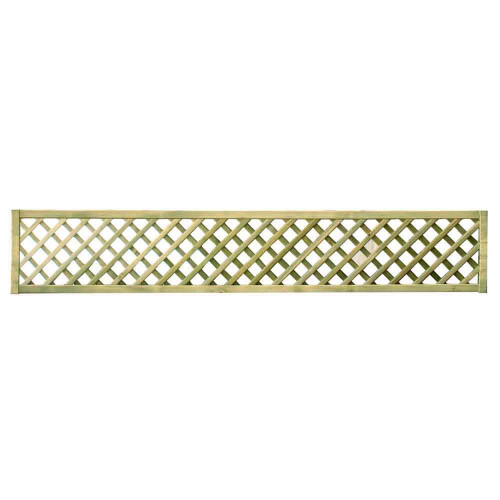
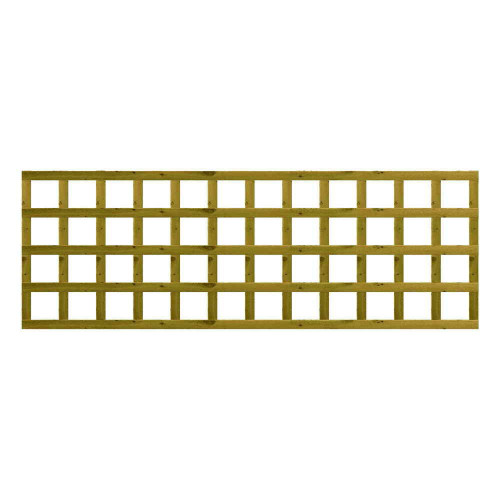
Painting trellis
Trellis panels can be time-consuming to paint because of the many edges and gaps. Spraying may be faster if the product allows it, but brushwork gives better control near plants and walls.
Paint trellis before climbing plants cover it if possible. Once plants are established, painting becomes much harder.
If the trellis belongs to a neighbour or is attached to their fence, get permission before painting or treating it.
Fence paint for coastal gardens
Coastal gardens face stronger wind, salt air and driving rain. Fence paint and timber treatments may need more frequent maintenance in these conditions.
For coastal fencing:
- Choose durable exterior products
- Maintain coatings regularly
- Use suitable outdoor fixings
- Check posts after storms
- Consider concrete posts where appropriate
- Avoid letting paint fail before retreating
Exposed gardens are harder on both paint and timber, regardless of brand.
Fence paint for shaded gardens
Shaded gardens often have more algae, moss and damp timber. This can affect paint adhesion and long-term performance.
Before painting shaded fences:
- Clean algae thoroughly
- Improve airflow where possible
- Cut back dense planting
- Let timber dry fully
- Use a product suitable for exterior timber
- Inspect more often for mould and mildew
Paint applied over damp algae-covered timber is unlikely to last well.
Eco and safety considerations
Many homeowners now consider environmental impact when choosing fence paint. Look at the product information if low odour, low VOC content, water-based formulation or plant and pet safety after drying are important to you.
Always follow the label guidance, especially around:
- Application conditions
- Drying time
- Cleaning equipment
- Disposal
- Children and pets
- Use near ponds
- Use on animal housing
- Use on play equipment
Do not assume every outdoor paint is suitable for every garden use.
How much fence paint do you need?
The amount of paint needed depends on fence length, height, panel texture, number of coats and coverage per litre.
To estimate:
- Measure the length of the fence
- Measure the height
- Multiply length by height to estimate area
- Check whether you are painting one side or both sides
- Check coverage per litre on the tin
- Allow extra for rough or weathered timber
- Allow for two coats if required
Rough sawn timber and old dry panels can absorb more paint than expected, so allow some spare.
How often should you repaint a fence?
Repainting frequency depends on the product, timber condition and exposure. Some products claim multi-year protection, but real-world performance still depends on preparation, weather and maintenance.
Inspect your fence at least once a year. Repaint or touch up when you notice:
- Fading
- Peeling
- Flaking
- Bare timber
- Water soaking in quickly
- Algae staining
- Cracking or surface wear
- Colour patchiness
Touching up early is easier than waiting until the whole fence needs a full restoration.
Can fence paint protect against rot?
Fence paint can help protect the timber surface from weathering, but it is not a complete rot-proofing solution. Rot is mainly controlled by timber treatment, drainage, airflow and avoiding constant moisture.
To reduce rot risk:
- Use pressure treated fence panels
- Keep panels off the ground
- Install gravel boards where useful
- Use suitable fence posts
- Shape post mix so water runs away from timber posts
- Cut back plants that trap moisture
- Keep soil and mulch away from timber
- Repair damage quickly
Paint helps, but it should be part of a wider maintenance approach.
Should you paint both sides of a fence?
If the fence belongs to you and you can access both sides, painting both sides may give a more consistent appearance and protection. However, if the other side faces a neighbour’s garden, you need access permission before entering their property.
If the fence belongs to your neighbour, do not paint your side without permission. The side facing your garden is not automatically yours to paint.
If the fence is shared, agree the colour and maintenance responsibilities before painting.
Can you paint concrete posts and gravel boards?
Concrete fence posts and concrete gravel boards can sometimes be painted with suitable masonry or exterior concrete products, but standard fence paint may not be appropriate.
If you want a fully coordinated look, check product compatibility before painting concrete components.
Concrete surfaces need to be clean, dry and properly prepared. Flaking coatings on concrete can look worse than leaving the concrete untreated.
Can you mix fence paint brands?
It is usually best to stay within one compatible product system where possible. Mixing brands or applying one product over another can cause adhesion or finish problems if they are not compatible.
If repainting over an old unknown product, test a small area first. Check for peeling, poor drying, colour change or reaction before painting the whole fence.
When in doubt, follow the new product’s preparation guidance.
Common mistakes when choosing fence paint
Many fence painting problems come from choosing the wrong product or applying it in poor conditions.
Common mistakes include:
- Using interior paint outdoors
- Painting damp timber
- Painting over algae or mildew
- Choosing a product unsuitable for smooth timber
- Using fence paint on decking when it is not designed for foot traffic
- Not checking whether spraying is allowed
- Underestimating how much paint is needed
- Applying one thick coat instead of thin coats
- Painting in strong sun, rain or frost
- Ignoring preparation instructions
- Choosing colour without testing it in the garden
- Assuming paint can fix rotten timber
A good brand cannot compensate for poor preparation.
Fence paint buying checklist
Before buying fence paint, check:
- The product is suitable for exterior timber
- It is suitable for rough sawn or smooth timber as required
- It can be used on pressure treated timber if needed
- It is suitable for your application method
- The colour works in your garden light
- The coverage is enough for your fence area
- The number of coats is realistic
- The drying time suits your schedule
- It is suitable near plants, pets or ponds if relevant
- It can be maintained easily later
Frequently asked questions
What are the biggest fence paint brands in the UK?
Well-known UK fence paint and exterior woodcare brands include Ronseal, Cuprinol, Johnstone’s, Sadolin and Farrow & Ball. Retailer own-brand products and specialist timber coating brands are also available.
Which fence paint brand is best?
There is no single best brand for every fence. The right choice depends on timber type, condition, colour preference, exposure, application method and how much maintenance you want to do.
Is Ronseal good for fences?
Ronseal is a widely recognised UK DIY woodcare brand with fence and shed treatments suited to many domestic garden fencing projects. Check the specific product is suitable for your timber and finish.
Is Cuprinol good for fence panels?
Cuprinol is popular for decorative garden colour and fence treatments. It is often chosen where appearance and colour range are important.
Can I use Johnstone’s paint on fences?
Johnstone’s offers exterior woodcare products that may be suitable for fences, sheds, trellis and garden furniture. Always check the product label for compatibility.
Is Sadolin suitable for fencing?
Sadolin offers woodcare products for fencing and garden buildings. It is often considered where timber protection and exterior woodstain performance are important.
Can I use Farrow & Ball on a fence?
Farrow & Ball exterior paints may be suitable for some exterior wood projects, depending on the product and surface. For large rough fence runs, compare suitability, preparation and cost carefully.
Should I paint or stain my fence?
Paint is better if you want solid colour. Stain is better if you want a more natural timber look. Both can protect timber if suitable products are used correctly.
Can fence paint be sprayed?
Some fence paints can be sprayed, but not all. Check the product instructions. Spraying is fast but needs careful masking and calm weather.
Do I need to clean a fence before painting?
Yes. Dirt, algae, mildew and damp timber can all reduce adhesion. Clean the fence and let it dry before painting unless the product specifically states otherwise.
Final thoughts
The biggest fence paint brands in the UK include practical DIY names such as Ronseal and Cuprinol, general paint brands such as Johnstone’s, specialist woodcare brands such as Sadolin, and premium decorative brands such as Farrow & Ball. Each has a different place in the market.
The best choice depends on the fence, not just the brand. A rough sawn garden fence panel, a smooth timber gate, a slatted screen, a deck board and a shed wall may all need different products. Check compatibility before buying.
For the best result, choose a suitable exterior product, prepare the timber properly, apply it in the right weather and maintain the finish before it fails. A well-painted fence can improve privacy, frame planting, refresh the garden and help protect timber from the demands of the UK climate.