


A well-designed garden should look good, but it also needs to work for everyday life. It should give you somewhere to sit, move, grow, store, entertain, relax and enjoy the outdoors. Good landscaping is not only about adding attractive features. It is about shaping the garden so each part has a purpose.
Innovative landscaping does not have to mean expensive or complicated. Often, the best ideas are practical improvements used in a thoughtful way: better privacy, useful planting, raised beds, clear paths, stronger boundaries, vertical growing, wildlife-friendly areas and lighting that makes the garden usable in the evening.
This guide looks at creative landscaping ideas that can transform a garden of almost any size. It covers vertical gardening, water features, edible planting, outdoor living spaces, trellis panels, garden screening, sleepers, lighting, low-maintenance design and ways to make your garden more useful throughout the year.
Start with a clear garden plan
Before adding new features, take time to understand the space. A garden can quickly become cluttered if ideas are added without a plan. The aim is to create a layout where planting, seating, paths, storage, boundaries and focal points all work together.
Start by asking what the garden needs to do. It may need to provide privacy, space for children, a safe area for pets, a place to eat, somewhere to grow vegetables, room for bins, access to a shed, or a quiet corner away from the house.
Once the main uses are clear, the design becomes easier. Seating should go where it is comfortable. Paths should follow natural routes. Screening should block the right views. Raised beds should be placed where they get enough light. Fencing should suit the level of privacy and security needed.
Use vertical gardening to save space
Vertical gardening is one of the most useful ideas for small gardens, patios and narrow spaces. Instead of relying only on flower beds and ground-level planting, it uses walls, fencing, trellis panels, arches, pergolas and screens to grow plants upwards.
This makes the garden feel greener without taking up much floor space. It can also hide plain walls, soften fence panels and create more privacy around seating areas.
Vertical gardening can include:
- Climbers on trellis panels
- Wall-mounted planters
- Hanging baskets
- Plant shelves
- Living walls
- Climbing roses or clematis on arches
- Beans or peas grown up supports
- Fruit trained against walls or fences
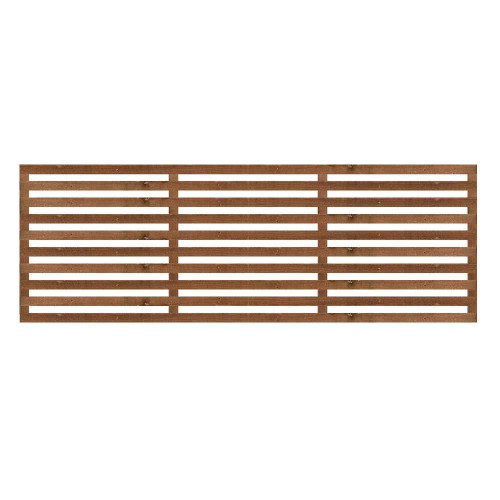
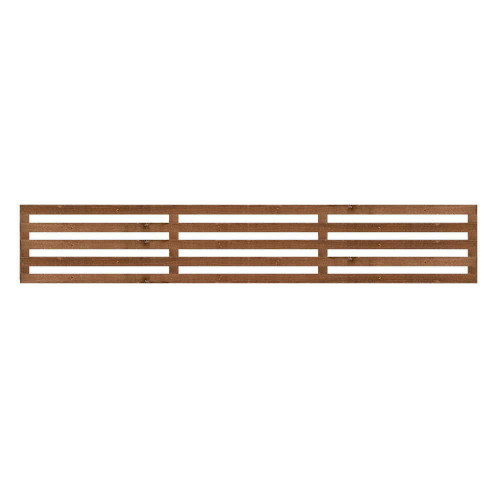
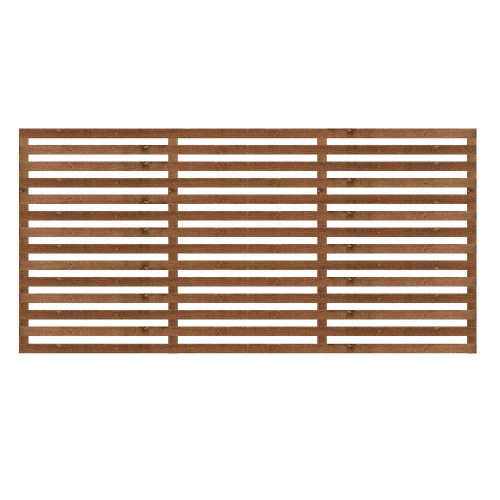
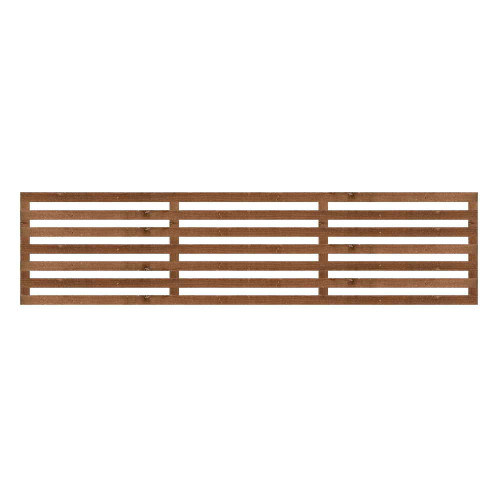
Trellis panels are especially useful because they support climbing plants and create decorative screening at the same time. Diamond trellis gives a traditional look, while slatted trellis can suit a more modern garden.
Soften fence lines with planting
Fence panels are important for privacy and security, but a long bare fence line can look harsh. Planting softens the boundary and helps the garden feel more established.
You do not need deep borders everywhere. Even a narrow planting strip can make a difference. Use climbers, shrubs, grasses, perennials or small trees to break up the fence line.
Good options include:
- Climbers on trellis panels
- Evergreen shrubs for structure
- Ornamental grasses for movement
- Flowering perennials for colour
- Small trees for height and shade
- Herbs near patios
- Berrying shrubs for wildlife
Leave enough space for airflow and maintenance. Dense planting pressed tightly against timber fence panels can trap moisture and make repairs difficult.
Create privacy with screening
Privacy is one of the main reasons people redesign gardens. A seating area, hot tub, patio or outdoor dining space can feel uncomfortable if it is overlooked.
Garden screening can be created in several ways. Solid fence panels give immediate privacy. Trellis panels with climbers create softer screening over time. Slatted panels offer a modern look with some airflow. Shrubs and small trees can block specific views from above.
Useful privacy ideas include:
- Closeboard fence panels for solid boundary privacy
- Fence topper trellis for extra height where suitable
- Slatted screens beside patios
- Climbers on trellis around seating areas
- Evergreen shrubs near overlooked corners
- Small trees placed to block upper windows
- Decorative panels around bin or storage areas
Before adding height to a boundary, check relevant rules and consider wind exposure. Extra screening increases wind load, so posts must be strong enough.
Use water features for atmosphere
Water can make a garden feel calmer and more inviting. A water feature does not need to be large. A small fountain, bowl, bird bath or wall-mounted feature can add sound and movement to the garden.
Water features are useful as focal points, especially near seating areas. They can also support wildlife if designed carefully.
Options include:
- Simple bird baths
- Container water gardens
- Small bubbling fountains
- Wall fountains
- Wildlife ponds
- Reflecting bowls
- Rills or narrow water channels
Think carefully about safety, maintenance and position. Ponds should have safe edges and wildlife exit points. Pumps need safe outdoor electrics. Water features near trees may need more cleaning because of falling leaves.
Add edible landscaping
Edible landscaping combines useful crops with attractive planting. Instead of separating food growing from the rest of the garden, herbs, fruit and vegetables are included as part of the design.
This works in large gardens, small gardens and patios. A few herbs near the kitchen door can be just as useful as a large vegetable plot.
Edible landscaping ideas include:
- Raised beds for vegetables
- Herbs in pots on a patio
- Strawberries along bed edges
- Fruit trees as focal points
- Climbing beans on supports
- Blueberries in containers with suitable compost
- Espalier fruit trained against fencing or walls
- Edible flowers in mixed borders
Raised beds made with suitable garden timber or sleepers can make growing easier and more organised. They also create structure in the garden, especially when combined with gravel paths or neat edging.
Build raised beds for structure
Raised beds are one of the most practical landscaping features. They improve access, define growing areas and can make poor soil easier to manage.
They are useful for vegetables, herbs, flowers, shrubs and mixed planting. In small gardens, they keep planting contained. In larger gardens, they help divide the space into organised zones.
Common raised bed materials include timber sleepers, treated timber, brick, stone, metal edging and suitable boards. If using timber, make sure it is suitable for the job and strong enough to hold wet soil.
Raised beds should be positioned where they are easy to reach. Avoid making them too wide, or the centre will be difficult to maintain.
Use railway sleepers for landscaping
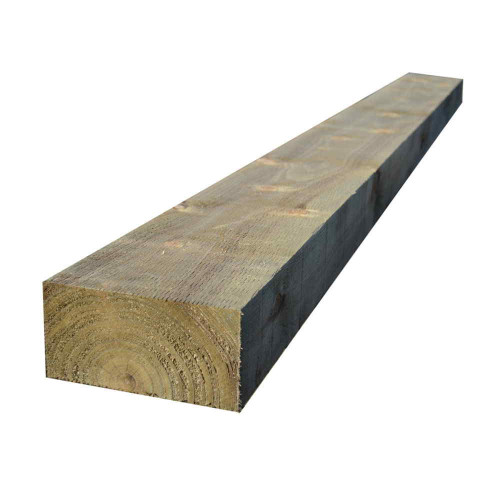
Railway sleepers and garden sleepers are popular because they are strong, versatile and visually bold. They can be used to create raised beds, steps, edging, terraces, retaining features and informal seating.
Sleeper ideas include:
- Raised vegetable beds
- Tiered borders
- Low retaining edges
- Garden steps
- Path edging
- Simple benches
- Dividing areas in large gardens
- Framing gravel or bark areas
Sleeper projects need proper support and drainage. Wet soil is heavy, and any retaining structure must be designed carefully. Sleepers used near soil should be suitable for outdoor use and installed with appropriate fixings.
Create outdoor living areas
Modern gardens are often used as outdoor rooms. A seating area, dining space or sheltered corner can make the garden feel like an extension of the home.
An outdoor living area should be comfortable, practical and easy to access. Think about sun, shade, wind, privacy and the route from the house.
Outdoor living ideas include:
- A patio for dining
- Decking for a level seating area
- A pergola for shade and structure
- Built-in seating
- A fire pit area positioned safely
- Outdoor storage benches
- Planters around the seating area
- Screening for privacy
Privacy screening is often what makes an outdoor living area feel usable. Fence panels, trellis panels, slatted screens and planting can all help create a more sheltered and private space.
Use pergolas for height and shade
A pergola adds height, structure and partial shade. It can turn a simple patio or deck into a more defined outdoor room.
Pergolas can support climbers such as clematis, honeysuckle, jasmine or climbing roses. They can also hold lighting, shade sails or light screening where suitable.
Before installing a pergola, consider wind exposure and the weight of mature plants. Posts must be securely installed, and the structure should be suitable for outdoor conditions.
A pergola works especially well over seating areas, dining spaces, hot tub areas and quiet corners of the garden.
Create zones in the garden
Zoning helps a garden work better. Instead of one open space with no clear purpose, the garden is divided into areas for different uses.
Zones can be created with changes in surface, planting, low walls, raised beds, trellis panels, screens, paths or levels.
Possible zones include:
- A dining area near the house
- A lawn for children or pets
- A quiet seating corner
- A vegetable garden
- A wildlife area
- A storage or bin area
- A shed or workshop area
- A decorative front garden space
Zoning is especially helpful in family gardens, long narrow gardens and spaces that need to do several jobs at once.
Design a low-maintenance garden
Low-maintenance landscaping is popular because many homeowners want a garden that looks good without constant work. The aim is not to remove all plants, but to choose plants and materials carefully.
Low-maintenance ideas include:
- Evergreen shrubs for year-round structure
- Hardy perennials
- Ornamental grasses
- Mulched borders
- Gravel paths with proper edging
- Raised beds
- Pressure treated fence panels
- Concrete gravel boards in damp areas
- Simple seating areas
- Good storage for tools and cushions
A garden covered only with paving is not automatically low maintenance. Hard surfaces still need cleaning, and weeds can grow in joints. A balanced design with planting, structure and clear edges is usually easier to manage.
Try water-wise planting
Water-wise landscaping focuses on plants and materials that reduce unnecessary watering. This is useful in dry spells and for gardens where maintenance time is limited.
Ideas include:
- Drought-tolerant plants in sunny areas
- Mulch to retain soil moisture
- Water butts connected to downpipes
- Gravel gardens with suitable planting
- Improved soil with organic matter
- Grouping plants by water needs
- Using permeable surfaces where possible
Plants such as lavender, rosemary, thyme, salvias, sedums and ornamental grasses can work well in sunny, free-draining areas. Choose plants based on your garden’s conditions, not just appearance.
Create a rain garden
A rain garden is a planted area designed to collect and absorb rainwater. It can be useful where water runs from patios, roofs, paths or sloping ground.
The aim is to slow down water, let it soak into the soil and create a useful planting area. Rain gardens can help with drainage and add wildlife value.
They need careful positioning. Do not direct water towards the house, neighbouring property, sheds or fence lines. The soil must also be suitable. If water does not drain at all, a rain garden may not solve the problem on its own.
Even a small rain garden can be attractive when planted with moisture-tolerant plants.
Use gravel gardens for texture
Gravel gardens can look smart, drain well and suit drought-tolerant planting. They work particularly well in sunny areas where traditional lawns struggle.
A good gravel garden needs proper preparation. Weed control, edging, soil improvement and plant choice all matter. Simply covering poor soil with gravel rarely gives a good long-term result.
Gravel works well with lavender, rosemary, grasses, alliums, sedums and Mediterranean-style planting. It can also be used around raised beds, patios and pathways.
Use edging to keep gravel in place. Gravel boards, timber edging, brick or metal edging can all create a neat boundary.
Add creative garden lighting
Lighting can transform a garden in the evening. It also improves safety on steps, paths and entrances.
Good garden lighting is subtle. It should guide movement, highlight key features and create atmosphere without flooding the whole garden with harsh light.
Lighting ideas include:
- Low-level path lights
- Step lights for decking or raised areas
- Wall lights near doors
- String lights on pergolas
- Soft uplighting for trees
- Lighting around seating areas
- Motion lights near gates or sheds
- Solar lights for simple decorative use
Outdoor electrical work must be suitable for exterior use. If you need wired lighting, use a qualified professional where required.
Make paths part of the design
Paths are often treated as purely practical, but they shape how a garden feels. A path can lead the eye, divide areas and make the garden easier to use.
Path materials include gravel, paving, stepping stones, brick, timber boards and compacted surfaces. The right choice depends on style, budget, drainage and how often the path will be used.
A main route to a shed, gate or garden room should be stable and safe in wet weather. A decorative path through planting can be softer and less formal.
Use edging to keep paths tidy. Timber, brick, metal edging or gravel boards can help hold materials in place.
Build seating into the garden
Built-in seating can make a garden feel more designed and save space. It is useful on patios, decking, around fire pit areas and in small gardens where loose furniture may feel bulky.
Seating can be built from timber, sleepers, brick, stone or composite materials. It can include storage beneath if designed carefully.
Good seating should be comfortable, positioned well and easy to maintain. Avoid placing timber seating where it will sit in constant damp or shade without airflow.
Plan seating around views, sun and privacy. A bench is more likely to be used if it feels sheltered and comfortable.
Use outdoor storage cleverly
Storage is a key part of a functional garden. Bins, tools, cushions, toys, pots, compost and bikes all need somewhere to go. If storage is not planned, it quickly makes the garden look untidy.
Storage ideas include:
- Sheds
- Bike stores
- Bin stores
- Storage benches
- Tool racks
- Log stores
- Screened utility areas
- Potting benches
Use screening to hide practical areas. Slatted panels, decorative fence panels, trellis panels with climbers or simple timber screens can make storage look intentional rather than messy.
Create a wildlife-friendly garden
Wildlife-friendly landscaping makes a garden more active and interesting. Birds, bees, butterflies, beetles, frogs and hedgehogs all benefit from varied planting and safe habitat.
Wildlife-friendly features include:
- Nectar-rich flowers
- Native shrubs
- Berrying plants
- Small ponds
- Log piles
- Leaf mould areas
- Hedgehog access points
- Climbers on trellis panels
- Bird baths
- Seed heads left in selected areas
A wildlife-friendly garden does not need to look untidy. You can keep seating areas, paths and lawns neat while leaving one corner more natural.
Plant for pollinators
Pollinator-friendly planting supports bees, butterflies, hoverflies and other insects. It also brings colour and movement into the garden.
Choose plants with a range of flowering times so there is food available across the season. Herbs, lavender, salvia, foxgloves, alliums, echinacea, sedum and many native wildflowers can all be useful, depending on your soil and light.
Avoid unnecessary pesticide use. Many insects that gardeners dislike are also food for birds and part of the wider garden ecosystem.
Create a sensory garden
A sensory garden uses scent, texture, sound, colour and movement to make the space more engaging. This can be especially useful for family gardens, therapeutic spaces and quiet relaxation areas.
Sensory ideas include:
- Fragrant herbs and flowers
- Grasses that move in the wind
- Textured leaves
- Soft planting beside paths
- Water features for sound
- Contrasting bark, gravel and paving
- Plants that attract bees and butterflies
- Comfortable seating in a sheltered spot
Place scented plants near paths, seating areas and doors where they can be enjoyed. Avoid thorny or irritating plants where people brush past.
Design a calm corner
A calm garden corner can be more useful than a large, complicated feature. It might include a simple bench, planting, a screen and a small water bowl or sculpture.
The key is shelter. A quiet corner should feel slightly enclosed without being cramped. Fence panels, trellis, shrubs, pergolas or small trees can all help create that sense of privacy.
Choose planting that suits the mood. Soft grasses, ferns, evergreens, lavender, climbers or simple green foliage can make the space feel restful.
Use minimalist landscaping
Minimalist gardens focus on clean lines, simple materials and controlled planting. They can work well in modern homes and small spaces.
A minimalist garden might include slatted fence panels, a simple patio, gravel, clipped shrubs, ornamental grasses and a small number of strong features.
The challenge is keeping the design warm enough. Too much hard landscaping can feel stark. Use planting to soften edges and bring movement into the space.
Use bold focal points
A focal point gives the eye somewhere to rest. It can help organise the garden and make the design feel intentional.
Focal points may include:
- A specimen tree
- A water feature
- A bench
- A pergola
- A decorative screen
- A large planter
- A sculpture
- An archway with climbers
- A garden gate
Do not use too many focal points. One or two strong features are usually better than several competing elements.
Improve the front garden
Front gardens are often overlooked, but they affect the whole appearance of a property. A simple redesign can improve kerb appeal and make the entrance more practical.
Useful front garden ideas include:
- Low picket fence panels
- A tidy garden gate
- Gravel with structured planting
- Small trees
- Evergreen shrubs
- Clear paths
- Bin screening
- Low-maintenance borders
- Planters by the door
A front garden does not need to be complicated. A clean path, neat boundary, working gate and a few strong plants can make a major difference.
Use garden gates as design features
Garden gates are practical, but they can also be attractive. A well-chosen gate sets the tone for the garden and improves security.
Wooden garden gates work well with timber fence panels and natural planting. Picket gates suit front gardens and cottage-style spaces. Solid side gates provide privacy and security. Decorative gates can become a feature in their own right.
Make sure the gate is installed with strong posts and suitable gate furniture. A gate that drops, sticks or has a weak latch quickly becomes frustrating.
Use hard landscaping carefully
Patios, paths, decking, gravel and walls all give structure to a garden. They make the space usable and easier to move through. However, too much hard landscaping can make a garden feel hot, hard and lifeless.
Balance hard surfaces with planting. Add borders, pots, climbers, trees or raised beds to soften the layout.
Also consider drainage. Large paved areas can increase runoff if they are not designed properly. Permeable materials and careful falls can help manage rainwater.
Plan for shade
Shade makes a garden more comfortable in summer. It also protects plants, pets and people during hot weather.
Shade can be created with:
- Trees
- Pergolas
- Parasols
- Awnings
- Trellis with climbers
- Shade sails
- Tall shrubs
Think about where shade falls through the day. A seating area that is pleasant in the morning may be too hot by late afternoon. A good garden gives options.
Make the garden pet-friendly
If pets use the garden, landscaping should include safety and durability. Dogs may need secure fence panels, strong garden gates and surfaces that cope with wear. Cats may enjoy height, hiding places and sunny resting spots.
Pet-friendly ideas include:
- Secure fence panels and posts
- Gravel boards to reduce gaps under fencing
- A strong garden gate latch
- Shaded resting areas
- Fresh water
- Hard-wearing lawn or paths
- Pet-safe planting
- A designated digging area for dogs
Always check plant safety if pets chew or dig. Avoid leaving chemicals, tools or sharp materials in reach.
Make the garden child-friendly
A child-friendly garden needs open space, safety and clear boundaries. It does not have to be dominated by play equipment.
Useful features include:
- A safe lawn or play surface
- Secure fencing
- Reliable garden gates
- Shade
- Storage for toys
- Raised beds for growing projects
- Simple paths
- Soft planting away from sharp edges
Avoid unsafe water features, unstable screens, thorny plants near play areas and trip hazards on paths or decking.
Use colour with control
Colour can change the feel of a garden. Bright colours make a space energetic. Softer colours feel calmer. Green and white planting can feel elegant and restful.
Choose a limited colour palette rather than using every colour at once. Repeat colours through pots, flowers, furniture and painted timber for a more coherent look.
Fence panels and screens can also affect colour. Dark-stained fencing makes foliage stand out. Natural timber gives warmth. Pale finishes can brighten shaded gardens but may need more cleaning.
Make small changes with containers
Containers are one of the easiest ways to refresh a garden. They work on patios, balconies, front gardens, steps and decking.
Use pots for herbs, seasonal colour, small shrubs, grasses or climbers with supports. Large containers are usually easier to maintain than many small ones because they dry out more slowly.
Group pots in odd numbers and use repeated materials or colours for a calmer look. Make sure containers have drainage holes and are positioned where watering is practical.
Common landscaping mistakes
Landscaping mistakes can be costly, so it is worth planning carefully.
Common mistakes include:
- Adding features without a clear plan
- Using too many different materials
- Ignoring drainage
- Choosing plants that do not suit the soil or light
- Forgetting privacy around seating areas
- Installing weak fencing in exposed gardens
- Making paths too narrow
- Leaving no room for storage
- Planting too close to fence panels
- Adding water features without considering maintenance
- Creating raised beds that are too wide to reach
- Using lighting that is too harsh
The best gardens are attractive, but also practical. Every feature should earn its place.
Landscaping checklist
Use this checklist before starting a garden makeover:
- Decide how the garden will be used
- Check sun, shade, wind and drainage
- Measure the space accurately
- Plan seating and paths first
- Check privacy and boundary needs
- Choose suitable fence panels and gates
- Use trellis panels where vertical planting or screening is needed
- Plan storage for bins, tools and cushions
- Choose plants that suit the conditions
- Add wildlife-friendly features where possible
- Keep maintenance realistic
- Use a limited material palette
- Plan lighting safely
- Leave access for repairs and cleaning
Frequently asked questions
What are some easy landscaping ideas for a garden?
Easy ideas include adding raised beds, using trellis panels for climbers, improving the fence line, creating a seating area, adding pots, installing gravel paths, planting shrubs and adding simple lighting.
How can I make a small garden look bigger?
Use vertical planting, clear paths, slim borders, simple materials and light screening. Avoid clutter and choose furniture that suits the scale of the space. Slatted fence panels or trellis with climbers can add privacy without making the garden feel too enclosed.
How do I make my garden more private?
Use fence panels, trellis panels, climbing plants, shrubs, small trees or slatted screens. Focus on blocking the main views rather than enclosing the whole garden completely.
What is the best low-maintenance landscaping?
Low-maintenance landscaping usually includes hardy plants, mulch, clear edging, gravel paths, evergreen structure, raised beds and durable fencing. Avoid plants that need constant pruning, watering or replacement.
Are raised beds a good landscaping idea?
Yes. Raised beds add structure, improve access and make planting areas easier to manage. They are useful for vegetables, herbs, flowers and small shrubs.
Can trellis panels be used for landscaping?
Yes. Trellis panels are useful for vertical gardening, privacy screening, garden dividers and climbing plants. They can soften fence lines and make small spaces greener.
How can I make my garden more wildlife-friendly?
Plant nectar-rich flowers, add shrubs, provide water, avoid unnecessary pesticides, leave some seed heads, create shelter and allow safe wildlife movement where possible.
What materials work well in garden landscaping?
Timber, sleepers, gravel, paving, brick, stone, metal edging, fence panels, trellis and planting can all work well. The best choice depends on the style of the garden and how much maintenance you want.
How do I landscape a garden on a budget?
Start with clearing and improving what you already have. Add simple planting, repair fencing, use gravel paths, build modest raised beds and refresh seating areas. Work in stages rather than trying to complete everything at once.
What should I plan first in a garden redesign?
Plan the main uses first, then paths, seating, boundaries, storage and planting. Structural decisions should come before decorative details.
Final thoughts
Innovative landscaping is not about adding as many features as possible. It is about making the garden more useful, attractive and enjoyable. The best ideas solve real problems, such as lack of privacy, poor layout, unused corners, difficult maintenance or weak boundaries.
Vertical planting, trellis panels, raised beds, garden sleepers, water features, outdoor seating, lighting and wildlife-friendly planting can all transform a space when used thoughtfully. Fence panels, gravel boards and garden gates also play an important role because they shape the structure, privacy and security of the garden.
Start with a clear plan, choose materials that suit the setting and keep maintenance realistic. A well-designed garden should feel connected, practical and personal. With the right landscaping choices, even a small or tired garden can become a more comfortable and attractive outdoor space.