





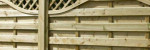

Fence posts do most of the hard work in a garden boundary. They hold the panels upright, support gates and help the whole fence cope with wind, wet weather and movement in the ground.
If the posts are weak, loose or badly supported, the rest of the fence will usually suffer. Choosing the right post support can make a big difference, whether you are building a new fence, fixing a leaning post or fitting posts onto hardstanding.
Quick answer: Fence post supports help secure posts where digging, concreting or replacement is difficult. Ground spikes are useful for lighter fencing in suitable soil, bolt-down supports work on concrete or paving, concrete-in supports offer stronger fixing, and repair spurs can help stabilise damaged or leaning posts.
Why Fence Post Supports Matter
A fence is only as strong as the posts holding it up. Even good quality fence panels will struggle if the posts are loose, rotten or poorly fixed.
Post supports are used to hold posts securely in place. They can also help keep timber raised away from direct ground contact, which may reduce the risk of rot at the base.
They are especially useful where you cannot dig a normal post hole, where the post needs fixing onto an existing surface, or where a damaged post needs extra support.
Main Types Of Fence Post Supports
| Support Type | Best Used For | Main Benefit | Things To Check |
|---|---|---|---|
| Drive-in ground spike | Light fencing in suitable soil | Quick installation with no concrete | Soil must be firm and free from large stones |
| Bolt-down post support | Concrete bases, patios and hardstanding | Fixes posts where digging is not possible | Base must be strong, level and stable |
| Concrete-in post support | Stronger fencing and more permanent installs | Good stability with timber raised from the ground | Needs proper hole depth and concrete setting |
| Repair spur or repair anchor | Leaning or partly rotten posts | Can extend the life of an existing fence | Post must still be sound enough to support |
Drive-In Ground Spikes
Drive-in ground spikes are metal sleeves with a pointed spike at the bottom. The spike is driven into the ground, and the timber post sits inside the sleeve.
They are quick to install because they do not need digging or concrete. This makes them useful for lighter garden projects, temporary fencing, small screens and places where speed matters.
They are not suitable for every site. Very stony ground, heavy clay, loose soil or exposed windy areas can make them less reliable. For tall or heavy fencing, a concreted post or stronger support is usually the better option.
Tips For Using Ground Spikes
- Check the soil first: Firm, even soil works best.
- Use a driving block or cap: This helps protect the top of the spike while it is being hammered in.
- Keep checking the level: Small changes at the base can make the post lean noticeably at the top.
- Avoid overloading them: Heavy panels, tall screens and windy locations need stronger support.
Bolt-Down Post Supports
Bolt-down post supports are designed for fixing timber posts onto hard surfaces such as concrete pads, patios or other stable bases. They usually have a base plate that is bolted down, with a sleeve or collar to hold the post.
They are useful where digging is not possible, such as on an existing concrete path or beside a paved area. They can also be handy for light screens, garden structures and some gate or trellis projects.
The key point is that the surface underneath must be strong enough. A thin paving slab, loose patio edge or weak concrete base may move or crack under load.
Before Using Bolt-Down Supports
- Check the concrete or paving is solid and stable.
- Avoid fixing too close to the edge of a slab or concrete pad.
- Use suitable masonry fixings for the base material.
- Make sure the post is plumb before tightening everything fully.
- Do not rely on bolt-down supports for heavy fencing unless the base is designed for it.
Concrete-In Post Supports
Concrete-in post supports are set into a hole with concrete. The post then sits in the support above ground level.
This gives the post a secure footing while helping to keep the timber away from wet soil. It can be a good option where you want the strength of a concreted installation but still want the post to be replaceable later.
They are slower to install than drive-in spikes because you need to dig, set the support and allow the concrete to firm up. For more permanent fencing, that extra work is often worthwhile.
Repair Spurs And Repair Anchors
Repair spurs and repair anchors are used when an existing post has started to lean, rot at the base or lose strength. Instead of replacing the whole fence run, you may be able to support the damaged post.
This can be useful if most of the fence is still sound. A repair spur can brace the post and give it extra support where the base has weakened.
It is not a fix for every situation. If the post is badly rotten, snapped through, moving heavily or the panels are failing too, replacement may be the safer and more sensible option.
Choosing The Right Support For The Job
| Situation | Likely Support Type | Why |
|---|---|---|
| Light fencing in firm soil | Drive-in ground spike | Fast and simple, with no concrete needed |
| Post on concrete or paving | Bolt-down support | Fixes to hardstanding where digging is not practical |
| Permanent fence in soil | Concrete-in support or concreted post | Offers a stronger, more stable fixing |
| Leaning timber post | Repair spur or anchor | Supports the existing post without replacing the full run |
| Heavy gate | Dedicated gate post | Gates need proper support for weight and movement |
Fence Posts In Soil
For standard garden fencing in soil, many people choose to set posts directly into concrete. This is a strong and familiar method, especially for full-height fence runs.
Post supports can still be useful, particularly if you want to keep the timber post slightly raised from the ground. This helps reduce direct contact with damp soil.
If long-term durability is the priority, concrete fence posts are also worth considering. They are not affected by rot in the same way as timber posts and work well with many standard fence panels.
Fence Posts On Hardstanding
If you need to fit a post onto concrete, paving or another hard surface, a bolt-down support is often the simplest option.
Before fitting, check the surface carefully. The base needs to be strong enough to take the load, especially if the post will support fencing, a screen or a gate.
If the surface is weak, cracked or only made from loose slabs, it may not be suitable. In that case, you may need to create a proper footing or use another fixing method.
Fence Post Supports For Gates
Gates put more strain on posts than standard fence panels because the weight hangs from one side. The post has to resist both the weight of the gate and the movement caused by opening and closing.
For small, lightweight gates, a suitable support may work if the base is strong enough. For larger or heavier garden gates, dedicated gate posts are usually the better choice.
It is also important to choose suitable garden gate furniture. Hinges, latches and bolts need to match the weight and use of the gate.
Fence Post Supports For Trellis
Trellis is usually lighter than a solid fence panel, so post supports can work well for many trellis projects. This is especially true for light screening, plant support or decorative garden dividers.
However, plants can become heavy as they grow. A trellis covered with mature climbing plants can catch the wind and put strain on the supports.
For taller or more exposed runs of trellis panels, use stronger posts and a more secure fixing. In windy areas, a concreted post or concrete-in support will usually be more reliable than a light spike.
Using The Right Fixings
A post support is only as good as the fixings holding it together. Outdoor fixings need to cope with rain, frost and movement in the timber.
Use suitable screws, fixings and fasteners for the support and post material. Galvanised or stainless fixings are usually better outdoors because they resist rust.
For brackets, hinges, latches and other metalwork, use appropriate ironmongery designed for outdoor use.
Common Mistakes With Fence Post Supports
| Mistake | Why It Causes Problems | Better Approach |
|---|---|---|
| Using spikes for heavy panels | They may not resist wind and panel weight | Use concreted posts or stronger supports |
| Fixing bolt-down shoes to weak paving | The slab may move or crack | Use a solid concrete base or proper footing |
| Ignoring post size | The post may not fit securely in the support | Match the support to the post section |
| Not checking for plumb | A small lean at the base becomes obvious at the top | Check with a spirit level before tightening or setting |
| Using indoor screws outside | They can rust, stain and fail | Use outdoor-grade fixings |
Maintaining Fence Post Supports
Once installed, post supports should be checked from time to time. Look for movement, rust, loose bolts or timber that has started to split around the fixing points.
Clear soil, leaves and debris from around the base. This helps the area dry properly and reduces the chance of moisture being trapped around timber posts.
If the support is painted or coated metal, touch up chips where needed to help reduce corrosion. Tighten bolts and screws if they loosen over time.
When To Replace The Post Instead
A support can help with a leaning or weakened post, but it cannot make rotten timber sound again. If the post is soft, crumbling or broken through, replacement is usually the better option.
If several posts are failing, it may be time to replace the whole run rather than repairing each one separately. New wooden fence posts, or a switch to concrete posts, can give the fence a stronger base.
Where panels are also damaged, plan the posts, panels and gravel boards together. This helps the finished fence stay straight and consistent.
Do Gravel Boards Affect Post Support?
Gravel boards sit below the fence panels and help protect timber from ground moisture and splashback. They also add weight and height to the fence system, so the posts and supports need to be suitable.
Concrete gravel boards are heavier than timber boards, so they need proper support. Wooden gravel boards are lighter and give a more traditional timber look.
Whichever style you choose, make sure the posts, supports and fixings are strong enough for the full fence setup.
Fence Post Support Checklist
| Step | What To Check | Why It Matters |
|---|---|---|
| 1 | Post size | The support must fit the post securely |
| 2 | Ground or base condition | Soil, concrete and paving need different supports |
| 3 | Fence height and weight | Tall or heavy fencing needs stronger fixing |
| 4 | Wind exposure | Exposed gardens put more strain on supports |
| 5 | Fixing type | Use suitable outdoor screws, bolts or anchors |
| 6 | Future maintenance | Check that bolts can be tightened and parts inspected |
FAQs
Are fence post spikes strong enough?
They can be strong enough for light fencing in suitable soil, but they are not the best choice for every job. Tall fences, heavy panels and exposed sites usually need stronger support.
Can I use post supports for a gate?
For a small, lightweight gate, sometimes. For heavier gates, dedicated gate posts are usually the better option because they are designed to take the weight and movement.
Can bolt-down supports go onto paving slabs?
Only if the paving is strong, stable and properly supported. Loose or thin slabs are not usually suitable because they can move or crack.
Can I repair a rotten post with a spur?
A repair spur can help if part of the post is still sound. If the post is rotten through, split badly or no longer holding the fence securely, replacement is normally safer.
Do post supports stop timber posts rotting?
They can help by keeping timber away from direct ground contact, but they do not make timber maintenance-free. Good drainage, suitable treatment and regular checks still matter.
Final Thoughts
Fence post supports are useful for new fencing, hardstanding installations and repairs. The right choice depends on the soil, surface, fence height, panel weight and exposure to wind.
For lighter jobs, ground spikes and bolt-down supports can be practical. For stronger fencing, concrete-in supports, concreted posts or concrete fence posts are usually more reliable. If a post is only partly weakened, a repair spur may buy more time, but badly rotten posts are best replaced.