





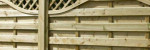

Quick answer: Stop fence panels rotting at the bottom by keeping the timber away from direct soil contact, fitting gravel boards and clearing leaves, grass and damp debris from the fence line. Use pressure-treated fence panels, protect fresh cuts with a suitable timber treatment and make sure rainwater can drain away. Replace damaged gravel boards and repair loose posts before rot spreads into the panel frame.
The bottom of a timber fence panel is usually the first part to show signs of decay. It sits closest to wet soil, long grass, fallen leaves and splashback from rain, so it often remains damp for longer than the rest of the panel.
Rot can begin in the lower frame before spreading into the boards and fixings. Once the timber becomes soft, the panel may sag, split or blow out of the posts during windy weather.
The most effective approach is to keep the fence panel raised above the ground and help the timber dry between wet periods. This guide explains how gravel boards, drainage, maintenance and suitable timber treatment can extend the life of garden fence panels.
How Do You Stop Fence Panels Rotting At The Bottom?
Keep the lower edge of the fence panel away from soil and standing water. A gravel board should sit beneath the panel and act as a replaceable barrier between the timber and the ground.
Clear grass, soil, leaves and compost from the fence line so moisture is not held against the timber. Check that water drains away rather than collecting beneath the panel.
Other useful steps include:
- Choosing pressure-treated fence panels
- Using timber or concrete gravel boards
- Treating fresh cuts and damaged timber
- Keeping shrubs and climbing plants under control
- Repairing loose posts and broken fixings
- Cleaning algae and surface dirt carefully
- Applying a suitable exterior fence treatment when required
Do not bury the bottom of a timber fence panel to close a gap. Use a gravel board or a suitable infill instead.
Common Causes Of Bottom-Rail Rot
| Cause | Why It Damages The Panel | Practical Solution |
|---|---|---|
| Direct soil contact | Timber remains damp and cannot dry properly | Install a gravel board beneath the panel |
| Leaves and grass | Organic material holds moisture against the frame | Clear the fence line regularly |
| Poor drainage | Water collects around the bottom of the fence | Improve surface drainage and ground levels |
| Broken gravel board | The panel drops into wet ground | Replace the damaged board |
| Untreated cut edges | Exposed timber absorbs moisture more readily | Apply a suitable cut-end treatment |
| Dense planting | Reduced airflow slows drying | Trim plants and leave maintenance access |
Why Do Fence Panels Rot At The Bottom First?
The lower section is exposed to more moisture than the rest of the panel. Rain splashes soil onto the timber, grass keeps the area shaded and leaves collect around the bottom frame.
Timber can cope with getting wet if it is able to dry. Problems begin when moisture remains trapped for long periods.
The bottom edge may also contain:
- End grain that absorbs water quickly
- Nail or screw holes
- Joints between the frame and boards
- Small splits caused by handling
- Areas damaged by lawnmowers or strimmers
These weak points allow water to enter the timber and make the lower frame more vulnerable to decay.
What Does Fence Panel Rot Look Like?
Early rot is not always obvious. The timber may look darker than the rest of the panel or remain damp long after the weather improves.
Warning signs include:
- Soft or spongy timber
- Flaking or crumbling wood
- Dark staining around the bottom frame
- A musty smell
- Boards pulling away from the frame
- Loose nails or screws
- Fungal growth
- A panel sagging in the middle
Probe suspicious timber gently with a blunt screwdriver. Sound timber should feel firm. If the tool sinks in easily, the wood may be decaying.
Do Gravel Boards Stop Fence Panels Rotting?
Gravel boards provide one of the best forms of protection for the bottom of timber fence panels. They create a physical barrier between the panel and damp ground.
The panel sits on top of the gravel board instead of resting directly on soil, grass or paving. This reduces moisture exposure and protects the lower frame from strimmers and lawnmowers.
A gravel board can also be replaced more easily and cheaply than a complete fence panel.
Are Concrete Gravel Boards Better For Damp Ground?
Concrete gravel boards do not rot and are well suited to damp gardens. They work particularly well with slotted concrete fence posts.
They can sit close to the ground and tolerate occasional soil contact. This makes them useful where the garden surface is uneven or regularly wet.
Check concrete gravel boards for:
- Cracks
- Broken corners
- Exposed reinforcement
- Movement inside the post slots
- Uneven support beneath the panel
A damaged gravel board may allow the fence panel to drop and touch the ground.
Can Timber Gravel Boards Prevent Rot?
Yes. Pressure-treated timber gravel boards provide a matching finish beneath wooden fence panels and posts.
They are lighter than concrete boards and easier to cut. However, they will eventually deteriorate if left in constant contact with wet soil.
Keep timber gravel boards close to ground level without burying them deeply. Treat fresh cuts where required and clear away damp debris regularly.
Replacing a timber gravel board before it fails helps protect the more expensive fence panel above it.
Should Fence Panels Touch The Ground?
No. Timber fence panels should normally sit above the ground on a suitable gravel board or support.
Direct soil contact allows the lower frame to absorb moisture continuously. It also exposes the timber to fungi and microorganisms in the soil.
Where a gap beneath the panel needs closing, use:
- A gravel board
- A suitable timber infill
- Concrete edging
- A properly secured mesh barrier
Do not pack wet soil against the panel frame.
How High Should Fence Panels Sit Above The Ground?
The panel should sit high enough to avoid direct contact with soil, grass and standing water. In most systems, the gravel board determines this height.
Common gravel-board heights include approximately 150mm and 300mm, although products vary. The correct choice depends on the fence design, ground level and required total height.
Remember that a gravel board contributes to the overall height of the fence. Include it when choosing fence posts and checking planning restrictions.
Can Poor Drainage Cause Fence Panels To Rot?
Yes. Water that collects along the fence line keeps gravel boards, posts and panels damp for longer.
Look for:
- Low spots beneath the fence
- Water running from paving
- Blocked drains
- Compacted soil
- Downpipes discharging nearby
- Raised beds holding water against the boundary
Correct the source where possible. Do not create a drainage channel that undermines the fence-post foundations or directs water onto neighbouring land.
Should You Remove Soil From The Bottom Of A Fence?
Remove excess soil where it is piled against the timber panel or gravel board. The finished level should allow water to drain away and leave the panel clear of the ground.
Take care not to expose or weaken the post foundations. Avoid digging deeply around timber or concrete fence posts.
If one garden is significantly higher than the other, the fence may need a separate retaining structure. Standard fence panels and gravel boards should not automatically be used to hold back a large depth of soil.
Do Leaves And Grass Cause Fence Rot?
Leaves, grass cuttings and garden waste trap moisture against the lower frame. As they break down, they create a damp layer that can remain in place for weeks.
Clear the bottom of the fence during routine garden maintenance, particularly in autumn and after mowing.
Keep compost heaps, bags of soil and stacked timber away from fence panels. These materials restrict airflow and make inspection difficult.
Can Climbing Plants Make Fence Panels Rot?
Climbing plants can reduce airflow and hold moisture against timber. Dense growth may also hide early signs of decay.
This does not mean plants cannot be grown near a fence. Keep vigorous climbers trimmed and use trellis panels or separate supports where possible.
A freestanding trellis can carry the weight of the plants without placing additional strain on the fence panel.
Leave enough space to inspect, clean and treat the timber.
Do Pressure-Treated Fence Panels Rot?
Pressure treatment improves resistance to fungal decay and insect attack, but it does not make timber maintenance free.
Pressure-treated panels can still deteriorate if they remain in constant contact with wet soil or if water is trapped around joints and fixings.
Treatment works best alongside:
- Good drainage
- Gravel boards
- Suitable exterior fixings
- Regular inspection
- Protection of fresh cuts
Choose fence panels treated for outdoor use and follow the care guidance supplied with the product.
Should You Treat The Bottom Of A Fence Panel?
A suitable exterior timber treatment may provide additional protection, particularly on exposed edges, cuts and worn areas.
Check whether the panel is pressure treated and whether it is dry enough for the chosen coating. Applying paint or stain to wet timber can trap moisture or produce a poor finish.
Use a product intended for exterior fencing. Cover accessible faces consistently rather than coating only one small section.
Should You Treat Cut Ends?
Yes, where pressure-treated timber has been cut, the exposed surface may need a suitable end-grain preservative.
Fresh cuts can occur when:
- A panel is reduced in width
- A gravel board is shortened
- A damaged section is trimmed
- New battens are fitted
Apply the treatment according to its instructions and allow it to dry before placing the timber against another surface.
Can Fence Paint Stop Rot?
Fence paint can reduce weathering and limit some moisture penetration, but it cannot repair rotten timber or correct poor drainage.
Paint should be applied to clean, sound and suitably dry timber. Painting over algae, dirt or decay hides the problem rather than solving it.
Pay attention to joints and lower edges, but do not allow thick coatings to bridge drainage gaps or trap water inside the frame.
Is Fence Stain Better Than Paint?
Both can provide exterior protection when suitable products are used correctly. The main differences are appearance, coverage and maintenance requirements.
A penetrating stain may show more of the timber grain, while paint provides a more opaque finish. Product performance varies, so follow the manufacturer's preparation and application guidance.
Neither option replaces pressure treatment, gravel boards or good drainage.
Can You Seal The Bottom Edge?
A suitable timber treatment can be applied to accessible bottom edges, but completely sealing the panel inside non-breathable material is not recommended.
Plastic wrapping, waterproof tape and improvised membranes may trap moisture against the wood. Once water enters, it can be slow to escape.
The aim is to reduce water absorption while still allowing the timber to dry.
Can You Repair A Rotten Bottom Rail?
Minor localised damage may sometimes be repaired if the rest of the panel remains sound. The rotten section must be removed back to firm timber.
A new pressure-treated batten or lower rail can then be fitted with suitable exterior-grade fixings.
This type of repair is only worthwhile where:
- The side frames remain strong
- The main boards are not badly decayed
- The panel remains square
- The new rail can be fixed securely
- The cause of the moisture has been corrected
A panel with widespread rot is usually better replaced.
How To Repair Minor Rot At The Bottom Of A Panel
- Remove the panel: Work in calm weather and use two people for a full-size panel.
- Allow it to dry: Do not assess or repair timber while it is saturated.
- Probe the affected area: Establish how far the decay has spread.
- Remove rotten timber: Cut back to sound, firm wood.
- Fit new treated timber: Use a suitable replacement rail or batten.
- Use exterior fixings: Secure the repair with corrosion-resistant screws or nails.
- Treat fresh cuts: Apply a suitable preservative where required.
- Check the gravel board: Replace or reposition it before refitting the panel.
- Clear the ground: Remove soil and debris that caused the damp conditions.
When Should A Rotten Fence Panel Be Replaced?
Replace the panel where decay affects its frame, several boards or important fixing points.
Replacement is usually the better option if:
- The bottom rail is soft along most of its length
- The side frames are rotten
- The panel sags or twists
- Nails and screws no longer hold
- Boards fall away from the frame
- The panel is unsafe in windy weather
- Repair timber cannot be fixed securely
Do not rely on paint, filler or brackets to hold together badly decayed timber.
Can You Replace The Bottom Rail Without Replacing The Panel?
Yes, on some framed timber panels. The damaged rail can be removed and replaced if the surrounding timber remains sound.
Panel construction varies. Some lap panels and decorative panels are difficult to dismantle without damaging the boards.
Measure the existing rail carefully and use pressure-treated timber of a suitable section. Treat cut ends and use exterior-grade ironmongery.
How Do You Protect Panels From Strimmers?
Repeated contact from strimmer line can strip treatment from the bottom frame and create grooves that hold water.
A gravel board provides a sacrificial barrier and keeps cutting equipment away from the timber panel.
You can also:
- Create a narrow gravel strip along the fence
- Use paving or edging near the boundary
- Trim grass by hand around posts
- Keep mower wheels away from the panel
Avoid banking loose gravel against timber posts where it may hold moisture.
Should You Put Gravel Along The Fence Line?
A narrow gravel strip can reduce grass growth and prevent wet soil from touching the fence. It may also reduce rain splash.
Prepare the area so water can drain rather than becoming trapped beneath the gravel. A suitable weed membrane may be used where appropriate.
Keep gravel below the bottom of timber panels and avoid covering timber gravel boards more deeply than necessary.
Can Paving Help Protect Fence Panels?
Paving can create a clean, low-maintenance strip beneath a fence, but the finished level must not bury the panel or timber gravel board.
Leave suitable clearance and make sure water falls away from timber posts. Do not create a raised paved surface that directs run-off towards the fence.
Concrete gravel boards are useful where paving meets the boundary because they tolerate damp and occasional contact better than timber.
Can You Stop Rot With Better Airflow?
Yes. Timber dries more quickly when air can circulate around it.
Trim back shrubs, remove stored items and clear dense climbing plants. Avoid fixing solid sheets or plastic directly against the panel.
Leave enough access to inspect the lower frame and gravel boards throughout the year.
How Often Should Fence Panels Be Checked?
Inspect fence panels at least a few times each year and after severe weather.
Useful times include:
- Early spring
- After prolonged wet weather
- During autumn leaf fall
- After strong winds
- Before applying paint or stain
Early repairs are easier when decay is limited to a small section or a single gravel board.
What Should You Check During Maintenance?
Inspect the complete fence system rather than only the visible boards.
Check:
- The bottom rail of every panel
- Timber and concrete gravel boards
- Timber posts at ground level
- Concrete post slots
- Panel clips and brackets
- Garden gate posts and lower rails
- Areas hidden by plants
- Drainage along the boundary
Loose posts and broken gravel boards can allow a sound panel to drop into wet ground.
Do Concrete Posts Prevent Fence Panel Rot?
Concrete posts do not rot, but the timber panels between them can still decay if they touch wet ground.
The most durable arrangement for damp areas is often concrete fence posts combined with concrete gravel boards and pressure-treated timber panels.
This keeps the timber components above the wettest part of the fence line while allowing individual panels to be replaced when needed.
Can Timber Posts Make The Panel Rot Faster?
A rotten timber post can allow the panel to lean or drop, bringing the lower frame into contact with the ground.
Check timber posts around ground level for softness, deep splits and movement. Repair or replace failing posts before fitting new panels.
Concrete repair spurs may support some damaged timber posts, but the remaining wood must still be strong enough for secure fixing.
Does Fence Panel Quality Matter?
Yes. Well-framed, pressure-treated panels generally provide better resistance to outdoor conditions than lightly constructed untreated panels.
Look for:
- Pressure-treated timber
- Strong lower rails
- Securely fixed boards
- Suitable exterior-grade fixings
- A frame that remains square
- Dimensions compatible with the posts and gravel boards
Even a good-quality panel needs correct installation and maintenance.
How To Install Fence Panels To Reduce Rot
- Prepare the ground: Remove excess soil, weeds and debris from the fence line.
- Check drainage: Correct obvious low points and sources of standing water.
- Set suitable posts: Use timber or concrete posts sized for the complete fence height.
- Install gravel boards: Position them level and securely between the posts.
- Keep panels off the ground: Sit each panel evenly on the gravel board.
- Use suitable ironmongery: Fit corrosion-resistant clips, brackets, screws or nails.
- Treat fresh cuts: Apply an appropriate preservative where required.
- Check the panel fit: Avoid forcing panels into misaligned posts.
- Clear the fence line: Leave enough space for airflow and maintenance.
- Inspect after installation: Check that soil and landscaping work have not buried the lower edge.
Common Mistakes To Avoid
- Resting timber fence panels directly on soil
- Burying the lower frame to close a gap
- Allowing leaves and grass cuttings to collect underneath
- Painting over damp or rotten timber
- Ignoring broken gravel boards
- Leaving untreated cut edges exposed
- Allowing climbing plants to cover the whole panel
- Stacking compost or timber against the fence
- Directing paving run-off towards the posts
- Using indoor screws or nails for repairs
- Fitting a new panel above a rotten post
- Assuming pressure treatment prevents every form of decay
Choosing Products For A Longer-Lasting Fence
Pressure-treated fence panels provide a practical starting point because the preservative is driven into the timber rather than applied only to the surface.
Concrete gravel boards are useful in damp ground and keep the lower timber frame clear of soil. Timber gravel boards provide a matching appearance and are easier to handle, but they need more protection from prolonged moisture.
Choose fence posts that suit the panel weight, height and site exposure. Concrete posts offer strong resistance to ground-level decay, while pressure-treated timber posts provide a traditional finish and straightforward fixing.
Use suitable exterior ironmongery and post mix so the complete fence remains aligned. A loose fence is more likely to drop, twist and develop areas where water collects.
FAQs
Why Is The Bottom Of My Fence Turning Black?
Black or dark staining can be caused by trapped moisture, dirt, algae or fungal growth. Clean the area carefully and test whether the timber remains firm.
Can A Rotten Fence Panel Be Saved?
Localised damage may be repairable if the frame and most of the boards remain sound. Widespread soft timber usually means replacement is more reliable.
Will Gravel Boards Make Fence Panels Last Longer?
Yes. They keep fence panels away from damp ground and protect the bottom edge from garden tools and debris.
Can You Put A Gravel Board Under An Existing Fence?
Sometimes. The panel may need to be removed or raised, and the posts must have enough height and suitable fixing points. Check the total fence height before making changes.
Can You Paint Over Rotten Wood?
No. Paint does not restore strength to decayed timber. Remove or replace rotten sections and correct the moisture problem first.
Can You Use Wood Hardener On A Fence Panel?
Wood hardener may suit small non-structural areas, but it should not be relied on to repair a weakened panel frame. Replace timber that no longer holds fixings securely.
Do Concrete Gravel Boards Need Treating?
No timber preservative is required. Keep them clean and inspect for cracks, exposed reinforcement and movement.
How Long Do Timber Gravel Boards Last?
The lifespan depends on treatment, drainage and the amount of soil contact. Keeping them clear of wet debris and deeply buried soil helps extend their useful life.
Can Fence Panels Rot From Climbing Plants?
Plants can hold moisture against the timber and reduce airflow. Keep growth controlled and inspect hidden sections regularly.
Should The Bottom Of A Fence Be Sealed?
Use suitable timber treatments where required, but avoid wrapping or fully enclosing the lower frame in materials that may trap water.
Keep Timber Clear Of Wet Ground
The most effective way to stop fence panels rotting at the bottom is to prevent direct contact with soil and trapped moisture. Fit suitable gravel boards, keep the fence line clear and correct areas where water collects.
Use pressure-treated fence panels and protect fresh cuts with an appropriate treatment. Check posts, fixings and gravel boards regularly so the panel remains level and safely supported.
Plan fence panels, gravel boards, fence posts, ironmongery and drainage as one system. A well-supported panel that can dry properly will last longer and require fewer repairs.