





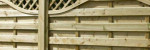

Quick answer: Home insurance may cover garden fencing, but it is not guaranteed. Fences are normally considered under buildings insurance rather than contents insurance, and the cause of the damage is crucial. Fire, vehicle impact and malicious damage may be covered where the policy includes them. Storm damage is often specifically excluded for fences, gates and hedges. Rot, wear, poor maintenance and faulty installation are also commonly excluded. Check the policy wording and excess before making a claim.
A garden fence provides privacy, security, pet containment and a clear boundary between properties. When panels are blown down, posts snap or a gate is damaged, it is natural to assume that buildings insurance will pay for the repair.
In practice, fence insurance claims are less straightforward than claims involving the main structure of the house. Some policies include fences for selected events but exclude them from storm cover. Others set limits, exclude gates or boundary walls separately, or require the fence to have been in a reasonable condition before the incident.
The first question is therefore not simply whether the fence is insured. It is whether the damaged component is included, whether the event is covered and whether an exclusion applies.
This guide explains when home insurance may cover fence panels, posts, gravel boards and garden gates, why many storm claims are rejected, what evidence to collect and how to plan a suitable repair or replacement using compatible fencing materials.
Does Buildings Insurance Cover Garden Fences?
Garden fences are normally considered under buildings insurance because they are permanent external structures connected with the property.
They are not usually covered by contents insurance, which primarily protects possessions rather than the house and its permanent boundaries.
However, being classified as part of the buildings does not mean the fence is covered against every event. The policy may:
- Include fences for some insured events
- Exclude fences from storm damage
- Apply a separate financial limit
- Exclude gates, hedges or boundary walls
- Cover only the damaged section
- Exclude damage caused by rot or poor maintenance
- Require accidental damage cover for certain incidents
Read the definitions, insured events, exclusions and claim-settlement sections of the policy. The summary provided at purchase may not contain every restriction.
Fence Insurance Cover At A Glance
| Cause Of Damage | Possible Position | Main Question |
|---|---|---|
| Storm or high wind | Frequently excluded | Does the storm section include fences and gates? |
| Fire | May be covered | Is the fence included within buildings cover? |
| Vehicle impact | May be covered | Can the responsible driver's insurer pay? |
| Vandalism | May be covered | Is malicious damage included? |
| Falling tree or branch | Policy dependent | What caused the tree or branch to fall? |
| Accidental damage | May need optional cover | Was accidental buildings cover purchased? |
| Subsidence | Often restricted for fences | Was the insured home damaged at the same time? |
| Rot or decay | Normally excluded | Is the damage gradual deterioration? |
| Poor installation | Normally excluded | Did inadequate construction cause the failure? |
| Pet or pest damage | Often excluded | Does an animal-damage exclusion apply? |
This table is only a general guide. The individual policy wording determines the actual cover.
Are Fences Covered For Storm Damage?
Often, they are not.
Many standard buildings insurance policies cover storm damage to the house while specifically excluding fences, gates and hedges. This is one of the most important details to check before assuming that wind damage will be paid for.
A policy may contain wording that covers storm damage generally but later lists fences and gates as excluded external items. Read the complete storm section and the general exclusions.
Even where fences are not expressly excluded, the insurer may still consider:
- Whether storm conditions occurred locally
- Whether the damage is consistent with a storm
- Whether the storm was the main cause
- Whether the fence was already leaning or rotten
- Whether poor installation contributed to the failure
- Whether gradual deterioration was present
What Does An Insurer Consider A Storm?
Insurance policies do not always use the everyday meaning of bad weather. A period that feels very windy may not necessarily meet the policy or insurer's interpretation of a storm.
When a storm claim is assessed, attention is usually given to:
- Official weather information for the area
- The date and approximate time of the incident
- Wind, rain, hail or snow conditions
- The pattern of damage
- Damage to nearby properties or structures
- The condition of the fence immediately before the event
There is no single wind-speed figure that guarantees every fence claim will be accepted. Policy wording, local conditions and the cause of failure remain important.
Was The Storm The Main Cause Of The Damage?
This question is central to many rejected claims.
A sound fence unexpectedly damaged by severe weather presents a different situation from a fence that had rotten posts, loose panels and a long-standing lean before the wind arrived.
An insurer may decide that the weather merely exposed an existing weakness rather than causing the loss.
Possible evidence of prior deterioration includes:
- Soft or crumbling wooden posts
- Rot around ground level
- Panels secured with temporary supports
- Missing or badly rusted fixings
- Broken panel frames
- Posts that had been leaning for months
- Timber buried in wet soil
- Heavy vegetation pulling on the fence
A fence does not have to be new to qualify for cover, but it should have been reasonably maintained.
Does Insurance Cover Blown-Down Fence Panels?
Only where the policy includes the relevant damage and no exclusion applies.
Common examples include:
- Panel lifted from sound concrete posts: the policy may still exclude storm damage to fencing.
- Panel broken by a flying object: impact or accidental-damage cover may need to be considered.
- Whole fence collapsed on rotten posts: wear, rot or maintenance exclusions are likely to be relevant.
- Panel damaged by fire: fire cover may apply if the fence is included.
- Panel struck by a vehicle: the driver's motor insurer may be involved.
Do not assume that replacing one panel automatically justifies a claim. Compare the repair cost with the policy excess first.
Does Insurance Cover Fire-Damaged Fencing?
Fire is commonly an insured event under buildings insurance, and some policies include fences and gates within fire cover.
Possible causes include:
- A shed or outbuilding fire
- A fire spreading from a neighbouring property
- A barbecue or outdoor cooking incident
- An electrical fault in outdoor equipment
- Deliberate fire-setting
- A wildfire or vegetation fire
The insurer will consider the cause, policy wording and extent of damage.
Do not dispose of charred panels, posts or gate components before photographing them and speaking to the insurer unless they create an immediate safety hazard.
Does Insurance Cover Vehicle Impact To A Fence?
A fence struck by a vehicle may be covered under the impact section of buildings insurance.
If another driver caused the damage, their motor insurer may ultimately be responsible. Collect:
- The vehicle registration
- The driver's name and contact information
- Their insurance details where available
- Photographs of the vehicle and fence
- Witness information
- Doorbell or security-camera footage
- Police incident details where relevant
Report the event to your home insurer even where you expect the driver's insurer to pay. Your insurer can explain the correct claim route.
Does Insurance Cover Vandalism To A Fence?
Malicious damage or vandalism may be covered if it is included within the buildings policy.
Examples can include:
- Panels deliberately kicked or broken
- A gate forced from its hinges
- Posts intentionally damaged
- Fence boards removed
- Deliberate fire damage
- Graffiti or paint damage
Take photographs and report the incident promptly. The insurer may ask for a police crime reference or incident number.
Ordinary accidental damage by a resident or visitor may be treated under a different section and may require optional accidental-damage cover.
Does Insurance Cover A Fence Damaged By A Fallen Tree?
It may, depending on the policy and why the tree or branch fell.
Relevant questions include:
- Was the tree healthy before the incident?
- Did extreme weather cause it to fall?
- Was decay or neglect already obvious?
- Who owns the tree?
- Was the fence itself in sound condition?
- Does the policy include fallen-tree damage to fences?
A neighbour is not automatically responsible simply because their tree caused the damage. Liability may depend on whether they knew, or reasonably should have known, that the tree was dangerous and failed to act.
Keep communication factual and refer the matter to the relevant insurers.
Does Insurance Cover Subsidence Damage To Fencing?
Subsidence cover for fences, gates, patios, drives and other surrounding structures is commonly restricted.
Some policies cover these items only where the insured home is damaged by the same subsidence event. Damage affecting only the boundary fence may therefore be excluded.
Possible signs of ground movement around a fence include:
- Several posts leaning in the same direction
- Concrete gravel boards cracking
- Gates suddenly failing to meet their latches
- Walls and nearby paving moving at the same time
- New gaps opening between panels and posts
Do not describe ordinary local post movement as subsidence without suitable investigation. Individual fence posts can lean because of shallow foundations, wet ground or localised decay.
Does Insurance Cover Flood-Damaged Fencing?
Flood cover for fences varies between policies.
Floodwater can:
- Move panels out of concrete-post slots
- Undermine post foundations
- Carry debris into the fence
- Saturate timber
- Leave gates unable to open
- Apply pressure to solid panels
Check whether external structures are included and whether the damage resulted from one identifiable flood event rather than long-term waterlogging.
Timber becoming wet does not by itself mean it must be replaced. The condition should be assessed after the water has receded and the area can be examined safely.
What Fence Damage Is Normally Excluded?
Home insurance is intended for defined, sudden and unexpected events. It is not a maintenance contract.
Commonly excluded causes include:
- General wear and tear
- Age-related deterioration
- Rot and fungal decay
- Insect or pest damage
- Gradual water damage
- Poor workmanship
- Defective materials
- Inadequate foundations
- Lack of maintenance
- Damage caused deliberately by the policyholder
The exact exclusions vary, so check the wording applying to the policy in force on the date of the incident.
Why Is Rot Not Usually Covered?
Rot normally develops gradually rather than during a single insured incident.
Wooden posts and gravel boards are most vulnerable where moisture remains around ground level. Warning signs include:
- Soft timber
- Dark or crumbly areas
- Fixings pulling out easily
- Posts moving when pushed
- Panels dropping on one side
- Fungal growth
A storm may be the moment a rotten post breaks, but the insurer may conclude that decay was the main reason the fence failed.
Pressure treatment improves durability but does not make timber permanently resistant to wet ground.
Can Poor Fence Installation Invalidate A Claim?
Damage caused mainly by inadequate installation is unlikely to be treated as an insured event.
Potential installation problems include:
- Post holes that are too shallow
- Foundations that are too narrow
- Posts unsuitable for the panel height
- Incorrect post spacing
- Too few panel clips or screws
- Concrete laid on loose or unstable material
- Heavy gates hung from lightweight posts
- Tall solid panels fitted in highly exposed positions without sufficient support
Where recent professional work has failed, there may be a workmanship, installer or product issue separate from the home-insurance claim.
Are Garden Gates Covered By Home Insurance?
Garden gates may be treated in a similar way to fences, but they can be named separately in the policy exclusions.
Possible insured damage includes:
- Fire
- Vehicle impact
- Vandalism
- Other covered accidental events
Storm damage to gates is frequently excluded.
Damage caused by the following is also unlikely to be covered:
- Rotten gate posts
- Worn hinges
- Loose latch fixings
- Gate sag
- Timber swelling
- Repeated slamming
- Insufficient ground clearance
Inspect tee hinges, ring latches, pad bolts and gate posts regularly.
Are Fence Posts And Gravel Boards Included?
If an insured event has damaged a covered fence, the posts and gravel boards needed for an effective repair may form part of the claim.
For example, replacing a broken panel may not provide a lasting repair if the impact also cracked its concrete post or gravel board.
The insurer may distinguish between:
- Components damaged by the insured event
- Components already rotten or worn
- Undamaged components that do not need replacing
- Upgrades selected by the homeowner
A claim is not normally an opportunity to replace every old post simply because one insured section has been damaged.
Will Insurance Replace The Whole Fence?
Usually, an insurer considers the section directly damaged by the insured event.
If a vehicle destroys two panels and one post, the policy may respond to those components rather than replacing every panel along the boundary.
A full replacement may be considered where:
- The damage extends throughout the run
- A local repair cannot be made safely
- Several connected components were damaged by the same event
- Partial replacement would not create an effective and lasting repair
Undamaged sections are not automatically covered simply because new panels will look different from weathered ones.
What If Replacement Panels Do Not Match?
Matching can be difficult where the existing panels are old, weathered or no longer manufactured.
A new pressure-treated panel may initially appear lighter, darker or greener than the existing fence. This colour difference can reduce as the timber weathers.
Before agreeing a repair, check:
- The panel style
- The nominal and actual width
- The panel height
- The frame thickness
- The board orientation
- The treatment colour
- Compatibility with existing posts
The insurer may offer the closest available equivalent rather than replace every sound panel for visual consistency.
Some policies include limited matching-set provisions, but this should not be assumed.
Will Insurance Pay For An Upgrade?
An insurance settlement generally aims to restore the position that existed before the insured damage. It does not normally fund an elective improvement.
If the damaged fence used basic waney lap panels, the insurer may not pay the full cost of upgrading the complete boundary to premium closeboard, Omega lattice or contemporary double slatted panels.
You may be able to contribute the difference where the insurer and repair arrangement permit it.
Possible upgrades include:
- Replacing wooden posts with concrete posts
- Adding concrete gravel boards
- Changing waney lap panels to closeboard
- Choosing hit and miss panels for increased airflow
- Installing a stronger framed garden gate
- Adding panel security brackets
Agree the claim value and approved work before authorising an upgraded installation.
What Is Like-For-Like Fence Replacement?
Like-for-like does not always mean an identical product from the same manufacturer.
It generally means a replacement of reasonably comparable:
- Type
- Size
- Quality
- Function
- Construction
A damaged closeboard panel should not normally be replaced with a substantially lighter product unless that creates an equivalent repair accepted under the claim.
Where the original product is unavailable, the nearest reasonable equivalent may be proposed.
How Does The Policy Excess Affect A Fence Claim?
The excess is the part of the accepted claim that the policyholder must pay.
For example, where the repair costs only slightly more than the excess, the potential insurance payment may be small.
Before making a claim, compare:
- The likely repair cost
- The applicable excess
- The amount the insurer may exclude for deterioration
- Whether the claim could affect future pricing
- Whether a no-claims discount applies
- Whether the damage can be repaired economically
Do not use an assumed repair price. A quote should include panels, posts, gravel boards, fixings, labour, waste removal and access difficulties.
Is It Worth Claiming For One Fence Panel?
Frequently, it is not, particularly where:
- The panel is a standard size
- The existing posts remain sound
- The repair cost is below or close to the excess
- Storm damage to fencing is excluded
- The homeowner can arrange a straightforward replacement
A claim may be more relevant where a covered event has damaged several panels, posts, gravel boards, a gate or neighbouring structures.
Ask the insurer how an enquiry or reported incident will be recorded before deciding how to proceed.
What Should You Do Immediately After Fence Damage?
1. Make The Area Safe
Keep children, pets and visitors away from:
- Loose panels
- Leaning concrete posts
- Exposed nails or screws
- Broken timber
- Damaged glass or mirrors
- Electrical cables
- Unstable trees and branches
Do not attempt to lift heavy concrete products alone.
2. Prevent Further Damage
Reasonable temporary action may include laying a loose panel flat, restricting access or installing temporary pet containment.
Contact the insurer before significant temporary work where practical. Keep receipts for necessary emergency measures.
3. Record The Damage
Take photographs before clearing the site.
Include:
- The whole fence run
- Each damaged panel
- Broken or leaning posts
- Gravel boards
- The garden gate
- Fixings and brackets
- Ground conditions
- The object that caused the damage
- Nearby property damage
4. Check The Policy
Read the buildings section and identify:
- The insured event
- Definitions of fences and gates
- Storm exclusions
- Wear-and-tear exclusions
- Accidental-damage cover
- The excess
- Claim-notification requirements
- Temporary-repair requirements
5. Contact The Insurer
Explain:
- What happened
- When it happened
- Which components were damaged
- Whether the fence is dangerous
- Whether another person or vehicle was involved
- What temporary action has been taken
What Evidence Helps A Fence Insurance Claim?
Useful evidence can include:
- Photographs taken before and after the incident
- Security-camera footage
- Weather information
- Installer invoices
- Maintenance receipts
- Previous repair records
- Product details
- Witness statements
- Vehicle details
- Police incident information
- A contractor's assessment
- Itemised repair quotations
Photographs taken during installation or routine maintenance can help show the fence's earlier condition.
What Should A Fence Repair Quote Include?
A useful quote should identify:
- The number and type of panels
- The panel heights and widths
- Wooden or concrete posts
- Intermediate, end or corner post types
- Wooden or concrete gravel boards
- Post mix or foundation work
- Panel clips, screws or security brackets
- Garden gate repairs
- Gate posts and ironmongery
- Removal of damaged materials
- Access or handling requirements
- Labour
- Any tax included in the price
A single total without a clear description makes it harder to compare the proposed work with the insured damage.
Can You Repair The Fence Before The Claim Is Approved?
Emergency work may be necessary to make the site safe or prevent further damage.
Before permanent repairs:
- Contact the insurer where practical
- Photograph everything
- Keep damaged components where safe
- Retain receipts
- Ask whether an inspection is required
- Ask whether approved contractors must be used
- Confirm the accepted repair scope
Replacing the whole fence before the insurer assesses it can make the original cause and condition difficult to establish.
How Can An Insurer Settle A Fence Claim?
An accepted buildings claim may be settled by:
- Arranging a repair
- Replacing damaged components
- Paying a cash settlement
- Using an approved contractor
- Agreeing work by the homeowner's contractor
The insurer may have the right to choose the settlement method under the policy.
A cash offer should be considered carefully. Ask:
- What work the amount covers
- Whether labour and waste removal are included
- Whether the figure includes the excess deduction
- Whether tax is included
- Whether hidden damage can be reconsidered
- Who is responsible for the repair quality
What If You Disagree With The Insurer?
Ask the insurer to explain its decision in writing.
Check:
- The exact policy clause being relied upon
- Whether the fence is excluded from the relevant event
- What evidence supports a wear-and-tear decision
- Whether all applicable sections of the policy were considered
- How the settlement figure was calculated
If you remain dissatisfied, follow the insurer's formal complaints procedure. A complaint about a regulated UK insurer can potentially be referred to the Financial Ombudsman Service after the insurer has issued its final response or failed to respond within the applicable complaint period.
Keep copies of the policy, reports, photographs, quotes and all correspondence.
Who Claims If The Fence Is Shared?
First establish who owns the physical fence and who has insured it.
A boundary fence is not automatically jointly owned simply because it separates two gardens. Ownership and maintenance responsibility may be recorded in deeds, an agreement or previous property documents, but often remain unclear.
Where both neighbours contributed to the fence, check:
- Who arranged the installation
- Whose land the fence occupies
- Whether ownership was recorded
- Which policy includes the structure
- Whether both insurers need to be informed
Do not submit duplicate claims for the same loss without telling the insurers.
What If A Neighbour's Fence Damages Your Property?
A neighbour is not automatically liable because their fence fell into your garden.
Liability may depend on whether they:
- Knew the fence was dangerous
- Had been warned about the condition
- Failed to take reasonable action
- Installed it negligently
- Allowed avoidable deterioration to continue
Where a sound fence is damaged by exceptional weather, negligence may be difficult to establish.
Photograph the damage and contact your insurer. Avoid removing or disposing of the neighbour's materials without agreement unless immediate safety action is necessary.
What If Your Fence Damages A Neighbour's Property?
Notify your buildings insurer if the neighbour alleges that you are responsible for injury or property damage.
Do not admit legal liability or promise a payment before speaking to the insurer.
Provide:
- Photographs
- Maintenance records
- Earlier correspondence about the fence
- Details of the weather or incident
- Information about installation and repairs
The liability section of a home policy may be relevant even where replacement of the fence itself is excluded.
Who Handles Fence Damage At A Rented Property?
The landlord normally arranges buildings insurance for the structure and permanent external features. The tenant should report fence damage promptly to the landlord or managing agent.
Tenants should not arrange substantial replacement work without authority unless urgent action is necessary and permitted by the tenancy arrangements.
The landlord should check:
- The landlord insurance policy
- The tenancy agreement
- The cause of damage
- Whether tenant misuse contributed
- Whether the fence is included
- The applicable excess
Tenant contents insurance will not normally pay for the landlord's permanent boundary fence.
What About Leasehold Properties?
The buildings policy may be arranged by the freeholder, management company or managing agent.
Before claiming, check:
- The lease
- The buildings insurance schedule
- The extent of the insured premises
- Whether private garden boundaries are included
- Who must report the claim
- Who pays the excess
Do not assume that a fence around a leasehold garden is covered by the leaseholder's personal contents policy.
Which Replacement Fence Panel Should You Choose?
Where the repair is being arranged privately or an approved claim permits a suitable replacement, choose the panel for the site rather than appearance alone.
Closeboard Fence Panels
Closeboard panels provide solid privacy and a substantial traditional construction. Ultra heavy duty closeboard panels offer a more robust framed option.
They still create significant wind resistance, so posts and foundations must suit the height and exposure.
Waney Lap Fence Panels
Waney lap panels provide practical solid screening and can be useful where an economical traditional replacement is required.
Horizontal Hit And Miss Panels
Hit and miss panels allow more air through their alternating boards. They can suit exposed gardens where partial screening is acceptable.
Double Slatted Panels
Double slatted panels provide contemporary filtered screening with intentional gaps for light and airflow.
Omega Lattice Panels
Omega lattice panels combine a solid lower section with a decorative open top. They suit gardens where planting and appearance are priorities.
Picket Fence Panels
Picket panels create low open boundaries for front gardens and internal divisions. They do not provide full privacy or strong wind screening.
Will More Open Panels Prevent Storm Damage?
Hit and miss, slatted and picket designs allow more air through than solid closeboard or lap fencing.
This can reduce some wind pressure, but no panel design guarantees that the fence will withstand every storm.
Fence stability also depends on:
- Post size
- Post length
- Foundation dimensions
- Ground strength
- Panel height
- Panel fixings
- Distance between posts
- Condition and maintenance
A poorly installed open panel can fail before a properly supported solid one.
Should You Replace Wooden Posts With Concrete Posts?
Concrete posts do not rot and can provide a durable replacement where ground-level decay caused the previous wooden posts to fail.
They work with compatible panels and gravel boards inserted into their slots.
Available concrete-post types include:
- Intermediate posts
- End posts
- Corner posts
- Three-way posts
Concrete posts are heavy and need suitable handling and foundations.
Wooden posts remain a practical choice where:
- A complete timber appearance is preferred
- Custom fixing positions are needed
- Traditional closeboard fencing is being built
- The post will support trellis or light panels
Use a post section and length appropriate to the fence.
Can A Damaged Wooden Post Be Repaired?
A concrete repair spur may reinforce some wooden posts that have failed around ground level.
Repair is more likely to be suitable where:
- The upper post remains reasonably sound
- The panel system remains compatible
- The surrounding ground can support the spur
- The post can be connected securely
Repair is less suitable where the post is extensively rotten, split or undersized for the fence.
An insurer may distinguish between insured damage and pre-existing decay when deciding whether a post repair forms part of a claim.
Why Are Gravel Boards Important?
Gravel boards separate timber fence panels from damp soil, grass, mulch and garden debris.
They can:
- Reduce moisture exposure
- Protect the lower panel frame
- Reduce strimmer damage
- Create a level base
- Make panel replacement easier
- Close gaps beneath the fence
Wooden gravel boards provide a matching timber appearance and can be cut. Concrete gravel boards do not rot and work naturally with slotted concrete posts.
A gravel board improves protection but does not remove the need for drainage and maintenance.
How Can Gate Damage Be Reduced?
A garden gate places greater repeated load on its hinge post than a fixed fence panel.
Reduce avoidable damage by using:
- Substantial gate posts
- Tee hinges matched to the gate
- A correctly aligned ring latch
- A pad bolt where additional restraint is required
- A gate stop
- Suitable exterior fixings
- Enough ground clearance
Keep solid gates secured during strong wind. Repeated slamming can loosen hinges, posts and frame joints.
Can Trellis And Climbing Plants Affect A Claim?
Trellis and climbing plants can increase the load on a fence.
A light open trellis can become much heavier after being covered with wet foliage and woody stems.
Insurers may consider whether:
- The trellis was securely installed
- The posts could support the extra height
- The plants were maintained
- Dense growth contributed to the failure
- The trellis belonged to the policyholder
- The total boundary height complied with requirements
Use independent posts for substantial trellis and prune plants regularly.
How Can You Demonstrate Good Fence Maintenance?
Useful maintenance records include:
- Dated photographs
- Installation invoices
- Receipts for replacement posts and panels
- Records of professional repairs
- Photos of treated cut ends
- Evidence that climbing plants were controlled
- Notes showing when loose fixings were replaced
You do not need to create a complicated maintenance file for an ordinary garden fence, but occasional photographs can be useful after major work.
How Often Should A Fence Be Checked?
Inspect it several times each year and after severe weather.
Check:
- Whether posts move when gently tested
- Rot near ground level
- Loose panels
- Broken frame rails
- Missing clips or screws
- Cracked concrete posts
- Damaged gravel boards
- Gate sag
- Heavy plant growth
- Soil and leaves against the timber
Repairing a loose panel is generally cheaper than replacing a fence after movement damages adjoining bays.
How Can You Prepare Fencing For Strong Winds?
- Replace rotten or loose posts
- Secure loose panels with compatible clips or fixings
- Check concrete panels are correctly seated
- Use security brackets where appropriate
- Keep gates latched or bolted
- Remove unstable temporary screening
- Prune excessive climbing growth
- Move loose furniture, bins and garden equipment
- Do not lean heavy items against the panels
Do not attempt exposed outdoor repairs during dangerous weather.
Common Fence Insurance Mistakes
- Assuming every buildings policy covers fences
- Assuming storm damage is included
- Reading the storm cover without reading its exclusions
- Failing to check the excess
- Discarding damaged materials before documenting them
- Replacing the fence before contacting the insurer
- Claiming for gradual rot as sudden damage
- Failing to record vehicle or vandalism details
- Expecting the insurer to replace every matching panel
- Assuming an upgrade will be paid in full
- Using an unitemised repair quote
- Ignoring damaged posts beneath apparently sound panels
- Admitting liability to a neighbour before contacting the insurer
- Failing to report unsafe trees or fence sections
- Assuming concrete posts guarantee storm cover
Fence Insurance Claim Checklist
After damage occurs, confirm:
- The area is safe
- Children and pets are contained
- The damage has been photographed
- The date and time are recorded
- The suspected cause is recorded
- Vehicle or witness details are collected
- The policy includes the damaged structure
- The relevant insured event is covered
- Storm exclusions have been checked
- The excess is known
- The insurer has been contacted
- Temporary work has been approved where necessary
- Receipts are retained
- The repair quote is itemised
- Upgrades are separated from like-for-like work
Fence Insurance Questions To Ask At Renewal
Before renewing or buying a policy, ask:
- Are fences and garden gates included in buildings cover?
- Is storm damage to fencing excluded?
- Are fire, vehicle impact and vandalism covered?
- Is accidental damage to external structures included?
- Are concrete posts and gravel boards treated as part of the fence?
- What is the claim limit?
- What excess applies?
- Is matching cover included?
- Are leasehold or landlord arrangements affected?
- What evidence is required after damage?
Do not rely solely on the policy name. Cover can differ between products offered by the same insurer.
FAQs
Does Home Insurance Cover Garden Fencing?
It may, but cover depends on the buildings insurance wording and the cause of damage. Fences are not automatically covered against every event.
Are Fences Covered By Contents Insurance?
Normally not. Permanent boundary fencing is generally considered under buildings insurance rather than contents cover.
Does Home Insurance Cover Storm-Damaged Fences?
Many standard policies specifically exclude storm damage to fences, gates and hedges. Check the full storm section and exclusions.
Will Insurance Cover A Fence Blown Down In High Winds?
Only if the policy covers that event and the fence is not excluded. The insurer may also examine whether rot, poor maintenance or faulty installation caused the failure.
Will Insurance Cover Rotten Posts Broken During A Storm?
It is unlikely to cover the deterioration itself. The insurer may decide that rot, rather than the weather, was the main cause.
Does Insurance Cover Fire Damage To A Fence?
It may where fire is an insured event and the buildings policy includes fences and gates.
Does Insurance Cover A Car Hitting A Fence?
It may be covered under impact damage. The responsible driver's motor insurance may also be relevant.
Does Insurance Cover Fence Vandalism?
It may where malicious damage is included. Photographs and police incident details may be requested.
Does Insurance Cover A Tree Falling On A Fence?
Possibly. Cover depends on the policy, the cause of the fall and the condition of both the tree and fence.
Will My Neighbour Pay If Their Tree Damages My Fence?
Not automatically. Liability may depend on whether the neighbour knew the tree was dangerous and failed to take reasonable action.
Are Garden Gates Covered?
They may be included for selected events, but storm damage to gates is frequently excluded.
Are Fence Posts Covered?
Posts damaged by an insured event may form part of the repair. Rotting or gradually deteriorating posts are unlikely to be covered.
Are Gravel Boards Covered?
They may be included when damaged by the same covered event as the fence. Policy wording and the cause remain important.
Will Insurance Replace The Entire Fence?
Usually, only the damaged section is considered. Full replacement may be necessary where the insured damage is extensive or a partial repair cannot be made safely.
Will The Insurer Replace Undamaged Panels So They Match?
Not necessarily. The insurer may provide the closest available equivalent or apply the policy's matching provisions.
Can I Upgrade The Fence During A Claim?
Possibly, but the insurer will normally fund only the accepted repair or equivalent replacement. You may need to pay the additional upgrade cost.
Will Insurance Pay For Concrete Posts?
It may pay for an equivalent repair where concrete posts are required or accepted. Choosing them as an elective improvement may involve an additional homeowner contribution.
Is It Worth Claiming For One Panel?
Often not if the replacement cost is close to or below the policy excess. Check the policy and obtain a repair estimate first.
Should I Contact The Insurer Before Getting A Quote?
Contacting the insurer promptly is sensible. It may specify the evidence, number of quotes or contractor process required.
Can I Make Emergency Repairs?
Reasonable emergency action may be taken to make the area safe or prevent further damage. Photograph the damage and retain receipts.
Should I Throw Away Broken Fence Panels?
Not before documenting them and checking whether the insurer needs to inspect them, unless they create an immediate health or safety risk.
What If The Insurer Says The Fence Was Poorly Maintained?
Ask for the evidence and policy clause supporting the decision. Provide photographs, invoices and repair records where available.
Can I Complain About A Rejected Claim?
Yes. Use the insurer's formal complaints procedure. If the matter remains unresolved, it may be eligible for consideration by the Financial Ombudsman Service.
Does Pressure Treatment Guarantee Insurance Cover?
No. Pressure treatment improves timber durability but does not alter the policy's insured events or exclusions.
Do Concrete Posts Guarantee Storm Cover?
No. They may improve ground-level durability, but storm cover still depends on the policy.
Can Climbing Plants Affect A Fence Claim?
They can. Heavy or unmanaged growth may contribute to damage, moisture retention and wind loading.
Does A Shared Fence Need A Joint Claim?
Not always. Establish ownership, insurance responsibility and the arrangements between the neighbours before claiming.
Does A Tenant Claim For Fence Damage?
The tenant should report it to the landlord or managing agent. Buildings insurance is normally arranged by the landlord or property owner.
Will Insurance Cover A Fence Damaged By My Dog?
Animal damage is often excluded, and gradual damage from repeated pushing, chewing or digging is unlikely to be covered.
Does Insurance Cover Poor Workmanship?
Home insurance generally does not cover the cost of correcting poor workmanship itself. Separate rights against the installer may need to be considered.
Can A Cash Settlement Be Lower Than My Contractor's Quote?
It can be disputed where the settlement is insufficient for the accepted repair. Ask for a clear breakdown of the insurer's calculation and proposed scope.
Check The Policy Before Relying On Fence Cover
Home insurance can cover fencing in selected circumstances, but storm damage is often excluded and gradual deterioration is not normally insured.
Read the buildings policy before damage occurs. Check whether fence panels, posts, gravel boards and garden gates are included, which insured events apply, what excess will be deducted and whether matching cover is provided.
After an incident, make the area safe, photograph the complete fence and contact the insurer before permanent work begins. Obtain an itemised quote that separates the insured repair from any optional upgrade.
Where replacement is required, choose the complete fencing system for the garden conditions. Match the panels with suitable wooden or concrete posts, gravel boards, foundations and exterior ironmongery. Good installation and maintenance cannot guarantee an insurance payment, but they reduce avoidable failures and make the cause of sudden damage easier to establish.