






When you are putting up a new fence, one question often comes up: do you have to give your neighbour the nice side of the fence? It is a fair question, especially when you are paying for the materials and installation yourself.
The short answer is that there is not usually a blanket UK rule that says the finished side must face your neighbour. However, there are still a few important things to consider, including ownership, planning rules, boundary responsibilities and basic neighbourly courtesy.
In this guide, we explain what the “nice side” of a fence means, whether you have to face it outwards, and which garden fencing options can help avoid the issue altogether.
What Is the Nice Side of a Fence?
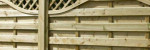
The nice side of a fence is the side with the cleaner, more finished appearance. On many traditional fence panels, this is the side where the boards look neater and the rails or structural supports are less visible.
The other side may show more of the frame, rails or fence posts. This does not mean it is badly made. It simply means one side has been designed to look more decorative, while the other shows more of the structure.
This is common with many types of garden fencing, especially traditional closeboard or overlap styles. Some modern designs, such as double sided fence panels or hit and miss fence panels, are made to look attractive from both sides.
Do I Legally Have to Give My Neighbour the Nice Side?
In most UK domestic situations, there is no general law that says you must give your neighbour the nice side of the fence. If the fence is yours, sits on your land and complies with any relevant rules, you can usually choose which way it faces.
That said, there can be exceptions. Property deeds, covenants, planning conditions, conservation area rules, estate regulations or local agreements may affect what you can install and how it should look. This is why it is sensible to check your property documents before replacing a boundary fence.
If the fence is shared, or if ownership is unclear, it is best to speak to your neighbour before doing any work. A quick conversation can prevent a small fencing decision from turning into a long-running boundary dispute.
Why Do People Give the Nice Side to the Neighbour?
Giving the finished side to your neighbour is often seen as good fence etiquette. It presents the neater face outwards and keeps the boundary looking tidy from the neighbouring property or from a public path or road.
This approach can help maintain good relations, especially where the fence forms a shared visual boundary. It shows consideration, even if you are not legally required to do it.
There is also a practical point. If the rails and posts are on your side, it can make maintenance easier because you can access more of the fence structure from your own garden. That can be useful when treating timber, checking fixings or replacing damaged parts.
When Might the Nice Side Face Your Own Garden?
Some homeowners prefer the nice side facing into their own garden because they are the ones paying for the fence and looking at it every day. This is understandable, particularly where the fence is entirely on their land.
It may also make sense if the fence backs onto an area where appearance is less important, such as a service alley or a hidden boundary. However, if your neighbour will see the other side every day, it is still worth discussing your plans first.
Good communication matters. Even if the decision is yours, explaining what you plan to install, where it will sit and how it will look can help keep things straightforward.
Check the Boundary Before Installing a Fence
Before ordering new fence panels, check where the boundary actually runs. Do not assume the existing fence is in the correct position, especially on older properties or where previous owners have made changes.
Your title plan can give a broad indication, but it will not usually show the exact boundary line in fine detail. If there is any doubt, take care before removing an existing fence or installing new fence posts.
If the fence belongs to your neighbour, you should not alter it, attach items to it or replace it without their permission. If you want a fence on your side, you may be able to install a separate run of fencing within your own boundary, provided it meets any relevant rules.
Fence Designs That Look Good on Both Sides
If you want to avoid the “good side” issue completely, choose fencing that is designed to look presentable from both gardens. This is often the simplest solution for shared boundaries.
Double sided fence panels are a good option because both faces have a finished appearance. They can be especially useful where both neighbours want the boundary to look neat.
Hit and miss fence panels are another practical choice. They have boards fitted alternately on each side, which gives a balanced look from both directions. This style also allows some airflow through the panel, making it useful in more exposed gardens.
Decorative fence panels can also work well where appearance matters. Depending on the design, they can create a more attractive boundary without leaving one side looking like the back of the fence.
Think About Fence Posts and Gravel Boards
The way a fence is built affects how it looks from each side. Fence posts, rails and gravel boards all form part of the finished boundary, so it is worth thinking about the whole system rather than just the panels.
Concrete fence posts are strong and long lasting, but they are visible between each panel. Timber fence posts can give a softer, more traditional look. Both can work well, depending on the style of fencing and the look you want.
Gravel boards are also worth considering. They sit below the fence panels and help lift the timber away from ground contact. This can reduce moisture exposure and help protect the bottom of the panels. They also give the fence a neater base line.
Speak to Your Neighbour Before Work Starts
You do not need to turn every fencing job into a formal discussion, but it is usually wise to let your neighbour know before work begins. This is especially true if the old fence is coming down, access may be needed, or the new fence will change the look of their garden.
Keep the conversation simple. Explain what you are replacing, where the new fence will go and what style you are planning to use. If you are choosing timber fence panels, it may help to show them the design so they know what to expect.
Most issues are easier to deal with before installation than after the fence has gone up. A short conversation can save a lot of frustration later.
What If Your Neighbour Objects?
If your neighbour objects, first try to understand why. They may be concerned about height, loss of light, the appearance of the reverse side, or whether the fence is being placed on the correct boundary.
If the fence is yours and the work is within your boundary, their objection may not stop you from going ahead. Even so, it is often better to resolve concerns calmly where possible.
You may be able to compromise by choosing a double sided panel, adjusting the height, using trellis at the top, or agreeing a design that works for both gardens. If the issue is about ownership or the exact boundary, it may be worth taking proper advice before starting work.
Does the Same Apply to Garden Gates?
Garden gates can raise similar questions, especially where they sit on or near a shared boundary. As with fencing, the key points are ownership, position and appearance.
If the gate is on your land and serves your property, you can usually choose a style that suits your garden. However, it should open safely, avoid obstructing neighbouring land, and comply with any relevant planning or property restrictions.
Matching garden gates with your fence panels can give the whole boundary a neater finish. It is also worth choosing suitable gate posts and ironmongery so the gate is properly supported and easy to use.
Choosing the Right Fence for Your Boundary
The best fencing choice depends on what matters most to you. For privacy, solid fence panels are usually the most effective. For a boundary that looks good from both sides, double sided or hit and miss styles are often better. For a more decorative finish, panels with shaped tops or trellis sections can soften the look.
If you are replacing an old fence, think about the full setup. Fence panels, fence posts, gravel boards, fixings and any garden gates should work together. A good boundary is not just about which side looks nicest. It should be secure, practical and suited to the garden.
Final Thoughts
In most cases, you do not legally have to give your neighbour the nice side of the fence. However, fence etiquette still matters. Facing the finished side outwards is a common courtesy and can help keep neighbourly relations smooth.
If you want a simple way to avoid the issue, choose fence panels that look good from both sides. Double sided fence panels and hit and miss fence panels are both practical options for shared boundaries.
Before starting work, check ownership, confirm the boundary and speak to your neighbour where needed. A well-planned fence should improve your garden without creating unnecessary tension next door.