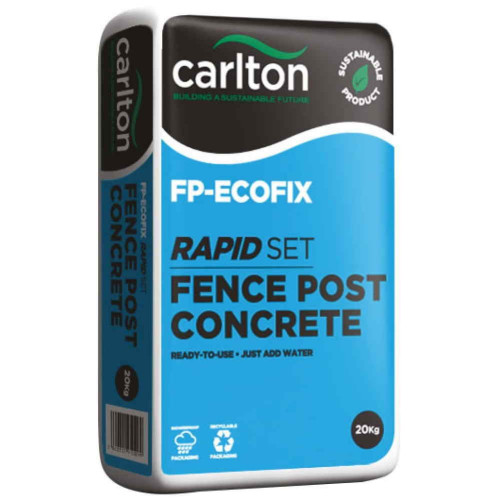




Postcrete and normal concrete are often mentioned together, but they are not the same thing. Both can be used around the garden, but they are designed for different jobs.
Postcrete is mainly made for setting posts quickly. Normal concrete is more versatile and is used for heavier construction work where strength, working time and long-term performance matter more.
Quick answer: Postcrete should not be used as a general replacement for normal concrete. It is best used for setting fence posts, gate posts and light garden posts. For driveways, foundations, paths, slabs and structural work, normal concrete is usually the better choice.
Postcrete Vs Normal Concrete At A Glance
| Feature | Postcrete | Normal Concrete |
|---|---|---|
| Main use | Setting posts | General building and groundwork |
| Mixing | Usually poured dry into the hole, then watered | Mixed before placing |
| Setting time | Fast setting | Slower setting and curing |
| Working time | Very short | More time to level, shape and adjust |
| Best for | Fence posts, gate posts and light garden posts | Slabs, paths, bases, driveways and structural work |
| Main limitation | Not suitable for most structural concrete jobs | Takes longer and needs proper mixing |
What Is Postcrete?
Postcrete is a ready-to-use, fast-setting concrete mix designed for fixing posts into the ground. It is commonly used for fence posts, gate posts and other light garden posts.
The main benefit is speed. In most cases, you dig the hole, position the post, pour the dry mix around it and add water. This makes it much quicker than mixing concrete by hand.
That convenience is why Postcrete is popular for fencing work. If you are installing a run of fence panels, it can help you set the posts quickly and move along the fence line without waiting too long between posts.
What Is Normal Concrete?
Normal concrete is usually made from cement, sand, aggregate and water. It is mixed before use and can be made to suit different jobs, depending on the strength and finish needed.
It is used for a much wider range of work than Postcrete. That can include paths, shed bases, slabs, foundations, driveways and other load-bearing areas.
Normal concrete takes longer to set and cure, but that slower working time can be an advantage. It gives you more time to level, compact, shape and finish the concrete properly.
Can Postcrete Be Used Instead Of Normal Concrete?
For most jobs, no. Postcrete should not be treated as a direct replacement for normal concrete.
It is made for setting posts, not for forming slabs, driveways, foundations or structural bases. It sets quickly, which is useful around posts, but that also means it gives you very little time to work it, level it or finish it neatly.
If you use Postcrete for the wrong job, the result may not be strong enough or durable enough. It can also be difficult to compact and shape properly across a wider area.
When Should You Use Postcrete?
Postcrete is useful when you need to secure a post quickly and the post is being supported by the surrounding ground.
Common uses include:
- Setting wooden fence posts
- Setting concrete fence posts
- Installing gate posts
- Fixing lightweight garden posts
- Small fencing and landscaping jobs where quick setting is useful
It is especially handy for garden fencing because the post can be held upright and secured without needing to mix a batch of concrete first. This can make it easier to install wooden fence posts or concrete fence posts neatly.
When Should You Use Normal Concrete?
Normal concrete is the better option when the job needs strength, load-bearing performance or a smooth, level finish.
Use normal concrete for jobs such as:
- Driveways
- Paths
- Shed bases
- Workshop or garden building bases
- Foundations
- Concrete pads or slabs
- Structural or load-bearing work
These jobs need a proper concrete mix that can be placed, levelled, compacted and cured correctly. Postcrete is not designed for that type of use.
Why Postcrete Is Not Suitable For Every Job
Postcrete works well around posts because it sets quickly and grips the post in place. That does not mean it has the same purpose as normal concrete.
Its fast setting time can be a drawback for larger areas. You do not get much time to spread it evenly, level it properly or work the surface. It is also not the right choice for jobs that need reinforcement or a specific concrete strength.
For example, using Postcrete for a driveway or slab would not be a sensible choice. These areas need a properly mixed concrete base that can take weight and wear over time.
Choosing The Right Product
| Job | Use Postcrete? | Use Normal Concrete? | Why |
|---|---|---|---|
| Fence posts | Yes | Sometimes | Postcrete is quick and made for this job |
| Gate posts | Often | Sometimes | Heavier gates may need a stronger setup |
| Shed base | No | Yes | Needs a level, properly finished slab |
| Path | No | Yes | Needs proper laying, levelling and curing |
| Driveway | No | Yes | Needs strength for vehicle weight |
| Foundations | No | Yes | Needs the correct structural concrete mix |
Using Postcrete For Fence Posts
Postcrete is at its best when used for fencing. The key is to prepare the hole properly and get the post positioned before the mix starts to set.
As a general guide, the hole should be deep and wide enough to support the post properly. Many fence posts are set with around a third of the post below ground, although the exact depth depends on the height of the fence, ground conditions and exposure to wind.
For taller fence runs, heavy gates or exposed gardens, post depth and post type matter more. Stronger fence posts, suitable cement products and proper installation all help the fence stay upright.
Tips For Using Postcrete Properly
- Prepare the hole first: Make sure it is deep, wide and clear of loose soil.
- Brace the post: Hold or support the post so it stays upright while the mix sets.
- Check the level quickly: Use a spirit level before the Postcrete hardens.
- Follow the bag instructions: Water quantities and setting times can vary by product.
- Do not disturb it too soon: Give the post time to firm up before fitting panels or gates.
Common Mistakes To Avoid
| Mistake | Why It Causes Problems | Better Approach |
|---|---|---|
| Using Postcrete for a slab | It is not designed for wide, level surfaces | Use a proper concrete mix |
| Not checking the post level fast enough | Postcrete sets quickly | Position and brace the post before watering |
| Adding too much water | Can weaken the mix or delay setting | Follow the instructions on the bag |
| Using too shallow a hole | The post may lean over time | Dig to a suitable depth for the fence height |
| Fitting panels too soon | The post can move before it has firmed up | Allow the post to set before adding load |
Postcrete For Gate Posts
Postcrete can be used for some gate posts, but the gate size and weight need to be considered. A small garden gate is very different from a wide, heavy timber gate.
Gates put extra strain on posts because the weight hangs from one side. For heavier garden gates, you may need larger gate posts, a deeper hole and a stronger concrete foundation.
If the gate is heavy, exposed to wind or used regularly, normal concrete may be the more suitable option for the post base.
Can You Mix Postcrete Like Normal Concrete?
Some people try to mix Postcrete in a bucket or barrow like standard concrete. In most cases, that is not how it is intended to be used.
Postcrete is usually designed to be poured dry into the post hole and then watered in. Always follow the manufacturer’s instructions for the specific product you are using.
If you need concrete that can be mixed, poured, levelled and finished, use normal concrete instead.
Does Postcrete Need Gravel At The Bottom?
A small amount of drainage material at the base of a post hole can be useful in some ground conditions, but it depends on the site. The main aim is to avoid the post sitting in water for long periods.
Good drainage is particularly important with timber posts. Where possible, shape the top of the concrete so water falls away from the post rather than collecting around it.
For timber fencing, using suitable wooden fence posts, keeping panels off the ground with gravel boards and maintaining the fence properly will all help improve its lifespan.
Final Thoughts
Postcrete is useful, but it has a specific job. It is a quick and convenient option for setting fence posts, gate posts and light garden posts, but it is not a like-for-like substitute for normal concrete.
For fencing work, Postcrete can save time and make installation easier. For slabs, paths, driveways, foundations or other structural jobs, use the correct concrete mix for the project.
If you are planning a new fence, think about the whole system, not just the concrete. Good posts, suitable panels, gravel boards, fixings and the right installation method will make the biggest difference to how well the fence performs over time.