





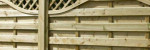

Creosote was once one of the best-known treatments for outdoor timber, especially for fencing, posts, sleepers and agricultural timber. Many older homeowners remember its dark colour, strong smell and reputation for protecting wood against rot and insects. For decades, it was widely used on garden fences, sheds and outbuildings.
Today, the position is very different. Creosote is not a standard DIY wood treatment for homeowners in the UK. It is tightly restricted because of health and environmental concerns, and its use is limited to specific professional, industrial and regulated situations. For ordinary garden fencing, homeowners should look at modern alternatives such as pressure treated timber, exterior wood preservatives, fence stains and suitable timber treatments designed for domestic use.
This guide explains whether you can still buy creosote in the UK, why its use is restricted, what the rules mean for homeowners, and what to use instead on garden fence panels, fence posts, gravel boards and timber gates.
Can you still buy creosote in the UK?
For normal DIY garden use, no. Homeowners cannot usually buy traditional creosote for treating garden fences in the way they once could. Creosote products are restricted and are not sold as ordinary domestic fence treatments for the general public.
Creosote may still exist in regulated professional and industrial supply chains, but that does not mean it is available for homeowners to use on garden fencing. The rules are strict, and anyone considering creosote in a professional setting should check the current HSE approval conditions and product labelling.
For domestic fencing, the practical answer is simple: use a modern creosote alternative or choose pressure treated fencing that is already treated for outdoor use.
Is creosote banned in the UK?
Creosote is not best described as completely banned in every possible situation, but it is heavily restricted. It has not been available for ordinary amateur DIY use for many years.
The important distinction is between domestic use and regulated professional or industrial use. Homeowners should not treat their garden fence panels or fence posts with traditional creosote. Professional use has also become increasingly restricted, with tighter rules affecting where creosote-treated timber can be placed on the market.
For most garden and landscaping purposes, creosote should be treated as unsuitable for domestic fencing projects.
Why was creosote restricted?
Creosote was restricted because of concerns about health, safety and the environment. It contains complex chemical substances that can be hazardous if handled, applied, stored or disposed of incorrectly.
Older use of creosote often involved brushing it onto fences, sheds and posts without the safety controls expected today. That type of use is no longer appropriate for domestic gardens.
Concerns include:
- Skin contact risks
- Inhalation of vapours
- Contamination of soil
- Run-off into watercourses
- Risks around children and pets
- Risks from improper disposal
- Long-lasting environmental contamination
Modern restrictions are intended to reduce exposure and limit use to controlled situations where there is a clear need and appropriate handling.
A brief history of creosote in UK fencing
Creosote was popular because it worked well as a heavy-duty timber preservative. It penetrated wood, darkened the surface and helped protect outdoor timber from decay. This made it common for agricultural fencing, railway sleepers, utility poles and garden fencing.
Many traditional garden fences were treated with creosote or creosote-like products. The distinctive smell and dark brown or black finish became familiar in gardens, farms and railway environments.
Over time, safety standards changed. Products that were once widely used by homeowners were reassessed, and creosote became unsuitable for general public sale and domestic application.
Can professionals still use creosote?
Creosote use is limited to professional and industrial contexts under strict rules. It is not a normal product for DIY users.
Professional or industrial use may involve specific approved applications, controlled treatment processes, correct labelling, safety controls and compliance with current regulations. The approved uses are not the same as simply buying a tin and brushing it onto a garden fence.
From April 2027, the market for creosote-treated timber in Great Britain is set to be even more restricted, with new placing-on-the-market rules focusing on uses such as transmission poles, railway sleepers and safety critical fencing.
Can you use old creosote you already have?
If you have an old container of creosote in a shed or garage, do not assume it is safe or legal to use. Old wood preservative products may be hazardous, poorly labelled, degraded or no longer compliant with current rules.
Do not pour old creosote down drains, onto soil or into watercourses. Do not use it around children’s play areas, pet areas, vegetable beds, ponds, patios or domestic garden fencing.
If you find old creosote, contact your local council or household waste facility for guidance on safe disposal of hazardous household chemicals.
Can you buy creosote substitute?
Yes. Many retailers sell creosote substitute or creosote alternative products. These are not the same as traditional coal tar creosote. They are designed to give a similar dark appearance or exterior timber protection while being suitable for wider domestic sale when used according to the label.
Before using any substitute, check the product carefully. Make sure it is suitable for the timber, location and intended use.
Check for:
- Exterior timber suitability
- Fence and shed suitability
- Compatibility with pressure treated wood
- Application method
- Drying time
- Safety precautions
- Whether it is safe around plants once dry
- Whether it is suitable near ponds or vegetable beds
- Recoat intervals
Always follow the manufacturer’s instructions.
What is the difference between creosote and creosote substitute?
Traditional creosote is a restricted heavy-duty preservative with significant health and environmental controls. Creosote substitute is a modern alternative product designed for domestic exterior timber treatment.
Creosote substitute may imitate the colour and general appearance of creosote, but it is not the same chemical product and may not offer the same industrial-level performance.
For garden fencing, that is usually acceptable. Most domestic fences do not need traditional creosote. They need suitable treated timber, good installation, proper drainage and sensible maintenance.
What should homeowners use instead of creosote?
For domestic garden fencing, there are several practical alternatives.
Common options include:
- Pressure treated fence panels
- Pressure treated fence posts
- Exterior wood preservative
- Fence stain
- Fence paint
- Water-based timber treatment
- Oil-based exterior timber treatment
- Creosote substitute products
- Cut end preservative for sawn treated timber
The right choice depends on whether you are buying new fencing, refreshing existing panels or protecting cut ends and repairs.
Choose pressure treated fencing from the start
One of the best ways to avoid relying on old-style timber treatments is to choose pressure treated fencing from the start. Pressure treatment forces preservative into the timber under controlled conditions, helping protect it against decay.
Pressure treated timber is commonly used for:
- Fence panels
- Closeboard fence panels
- Lap fence panels
- Fence posts
- Gravel boards
- Garden gates
- Feather edge boards
- Fence rails
- Trellis panels
- Timber battens
Pressure treated timber is not maintenance-free, but it gives a better starting point than untreated timber used outdoors.
Pressure treated does not mean no maintenance
Pressure treated fencing is designed to last outdoors, but it still needs sensible care. Timber is a natural material. It absorbs and releases moisture, weathers in sunlight, and can be affected by poor drainage or trapped damp.
To help pressure treated fencing last longer:
- Keep panels off damp soil where possible
- Use gravel boards in wet or exposed areas
- Treat cut ends where required
- Keep leaves and soil away from the base
- Cut back heavy planting
- Check posts after storms
- Apply suitable exterior stain or paint if desired
- Repair damaged boards promptly
Good installation and maintenance are just as important as the treatment itself.
Use gravel boards to reduce rot risk
Many fence panels fail first at the bottom because that is where timber is most exposed to damp soil, wet grass, rain splash and strimmer damage. Gravel boards help by lifting the panel away from the ground.
Gravel boards can help protect:
- Lap fence panels
- Closeboard fence panels
- Feather edge boards
- Decorative fence panels
- Slatted fence panels
Concrete gravel boards are durable and resist rot. Wooden gravel boards are lighter and more natural-looking but need suitable treatment and maintenance.
Using gravel boards is often more useful for domestic fencing than trying to find old restricted treatments.
Protect wooden fence posts properly
Fence posts are one of the most important parts of any timber fence. If a post rots at ground level, the whole fence can lean or fail.
To protect wooden fence posts:
- Use posts suitable for ground contact
- Set them at the correct depth
- Use post mix or concrete properly
- Slope the concrete surface away from the post
- Avoid trapping water around the base
- Use post caps to protect the top
- Keep soil and mulch away from the post
- Inspect after bad weather
No brush-on treatment will save a post that is installed badly in constantly wet ground.
Use cut end treatment after cutting timber
When pressure treated timber is cut, drilled or notched, the newly exposed surface may not have the same level of protection as the original treated face. Cut end treatment is used to protect these vulnerable areas.
Use cut end treatment on:
- Shortened fence posts
- Cut feather edge boards
- Trimmed rails
- Cut gravel boards
- Modified battens
- Gate timbers
- Notched or shaped timber sections
This is a practical modern detail that can improve fencing performance without relying on restricted products.
Fence stain as a creosote alternative
Fence stain is a popular option for domestic fencing. It adds colour, improves appearance and can help protect the timber surface from weathering.
Fence stain is useful if you want:
- A natural timber look
- Visible grain
- Brown, cedar, oak or dark tones
- Easier future maintenance than paint
- A practical finish for large fence runs
Stain does not replace pressure treatment, but it can help preserve the appearance of fence panels and posts.
Fence paint as a creosote alternative
Fence paint is useful when you want a stronger colour change. It can make old panels look smarter and help the fence become part of the garden design.
Popular colours include:
- Black
- Charcoal
- Dark green
- Warm brown
- Sage green
- Grey
- Cream in selected garden styles
Paint needs better preparation than stain. Timber should be clean, dry and suitable for coating. If paint is applied to damp timber, it may peel or blister.
Water-based wood preservatives
Water-based preservatives are widely used for garden timber and fencing. They are usually easier to clean up than solvent-heavy products and are often chosen for domestic projects.
They may be suitable for:
- Fence panels
- Sheds
- Trellis
- Planters
- Timber screens
- Garden gates
Always check the product label for suitability and application conditions. Some products protect against biological decay, while others are mainly decorative stains or water repellents.
Oil-based exterior timber treatments
Oil-based treatments can enhance the appearance of timber and provide water-repellent properties. They are often used where a richer timber finish is wanted.
They may be suitable for some garden timber, but product suitability varies. Check whether the treatment is recommended for rough sawn fence panels, smooth planed gates, decking, furniture or other specific uses.
Do not assume every exterior oil is suitable for every fencing product.
Can you use decking oil on fence panels?
Sometimes, but only if the product is suitable for the timber and finish you want. Decking oils are designed for horizontal walking surfaces and may behave differently on rough sawn fence panels.
For ordinary fence panels, a product specifically designed for fences and sheds is usually simpler and more cost-effective.
Can you use engine oil instead of creosote?
No. Used engine oil should not be used as a fence treatment. It can contain harmful contaminants and can pollute soil and water. It is not a suitable or responsible timber preservative.
Old-fashioned DIY substitutes may sound cheap, but they can create environmental and safety problems. Use products designed and labelled for exterior timber treatment.
Can you use railway sleepers treated with creosote in gardens?
Be cautious with old or reclaimed railway sleepers. Some older sleepers may have been treated with creosote or other heavy-duty preservatives, making them unsuitable for many domestic garden uses, especially near seating areas, children, pets, ponds or vegetable beds.
If you want sleepers for raised beds, landscaping or garden edging, choose suitable modern garden sleepers from a reputable supplier and check what treatment has been used.
Is creosote safe for vegetable beds?
Creosote-treated timber should not be used for domestic vegetable beds. It is not appropriate for areas where food crops are grown or where people may have regular skin contact with the timber.
For raised beds, use timber intended for garden use and check that the treatment is suitable for the intended application.
Is creosote safe around pets?
Traditional creosote is not suitable for domestic pet areas. Pets may rub against treated timber, chew it, walk through residues or contact contaminated soil.
For pet-friendly gardens, use suitable modern timber treatments according to the label, allow coatings to dry fully, and keep animals away during application and drying.
Is creosote safe around children?
Traditional creosote is not suitable for children’s play areas, garden play equipment, sandpits, seating or areas where children may touch treated timber regularly.
Use child-appropriate materials and treatments for play areas, and always follow product safety guidance.
How to refresh an old fence without creosote
If your fence looks tired, you do not need creosote to improve it. A careful clean and modern exterior treatment can make a significant difference.
A practical process is:
- Inspect the fence for rot or structural damage
- Replace broken boards or panels
- Check posts for movement
- Brush away dirt, cobwebs and loose debris
- Clean algae or mildew with a suitable cleaner
- Allow the timber to dry fully
- Treat cut ends where needed
- Apply exterior fence stain, paint or preservative
- Maintain the finish at sensible intervals
If the fence is rotten or unstable, coating it will not solve the problem. Replace failed sections first.
How to make new fencing last without creosote
For new fencing, the best approach is to start with suitable treated materials and install them properly.
To improve lifespan:
- Choose pressure treated fence panels
- Use suitable posts for the fence height
- Consider concrete posts in wet or exposed areas
- Add gravel boards where panels meet damp ground
- Use outdoor fixings
- Treat cuts and drilled areas where required
- Keep timber away from standing water
- Allow airflow around the fence
- Maintain coatings where used
- Inspect after storms
Modern fencing does not need traditional creosote to perform well if the whole system is planned correctly.
Choosing the right fencing materials
Different parts of a fence need different levels of protection. The visible panel is only one part of the system.
Consider the full specification:
- Fence panels for privacy and appearance
- Fence posts for structural support
- Gravel boards for base protection
- Post mix or concrete for stability
- Fixings suitable for outdoor timber
- Gates and ironmongery for access
- Capping and post caps for exposed top edges
- Trellis panels for screening and climbing plants
A strong, well-installed fence will usually outperform a cheaper fence treated heavily after installation.
Closeboard fencing without creosote
Closeboard fence panels and feather edge fencing do not need creosote for domestic use. Pressure treated timber, correct installation and sensible maintenance are the main priorities.
For closeboard fencing, focus on:
- Quality feather edge boards
- Strong rails
- Suitable posts
- Gravel boards
- Secure fixings
- Good drainage
- Cut end treatment where needed
- Exterior stain or paint if desired
Closeboard fencing is already one of the stronger timber fencing options when installed properly.
Lap panel fencing without creosote
Lap fence panels are commonly used in domestic gardens and can be maintained with modern fence treatments. They do not need traditional creosote.
To help lap panels last:
- Keep them off damp ground
- Use gravel boards where practical
- Fit them securely to posts
- Replace broken battens or panels promptly
- Apply suitable fence stain or paint if desired
- Keep climbing plants under control
Lap panels are often a budget-friendly option, but they still benefit from good installation.
Timber gates without creosote
Garden gates take regular use, so they need careful maintenance. Instead of creosote, use suitable exterior wood treatment, stain or paint.
Pay attention to:
- Gate tops and end grain
- Hinge areas
- Latch areas
- Bottom edges
- Any cut or drilled timber
- Water traps around joints
- Regular checking for movement
A gate should move freely, close securely and be coated only when the timber is dry enough.
How to dispose of creosote-treated timber
Creosote-treated timber may need special handling. Do not burn it in a garden, fire pit, stove or open fire. Burning treated timber can release harmful smoke and residues.
Do not put creosote-treated wood into ordinary garden waste. Disposal rules can vary, so check with your local council or waste facility.
If you are replacing old fencing or sleepers and suspect creosote treatment, handle the timber carefully and seek disposal guidance.
Can you burn old creosote-treated fence panels?
No. Do not burn creosote-treated timber. This includes old fence panels, posts, sleepers or boards that may have been treated with creosote or other hazardous preservatives.
Dispose of treated timber through the correct waste route.
Signs an old fence may have been creosote-treated
It is not always possible to identify treatment by appearance alone, but older creosote-treated timber may have certain clues.
Possible signs include:
- Very dark brown or black colour
- Strong tar-like smell
- Oily surface residue
- Staining on nearby surfaces
- Older agricultural or railway-style timber
- Reclaimed sleepers or heavy posts
If you are unsure, treat the timber cautiously and avoid cutting, sanding or burning it without proper advice.
Common mistakes to avoid
Creosote confusion often leads to poor decisions. Avoid these mistakes:
- Trying to buy traditional creosote for DIY garden use
- Using old creosote found in a shed
- Applying unknown black liquid to fence panels
- Using engine oil as a timber treatment
- Burning creosote-treated timber
- Using old sleepers for vegetable beds
- Assuming creosote substitute is the same as creosote
- Ignoring product safety instructions
- Coating damp timber
- Expecting paint or stain to fix rotten fencing
Modern fencing products are safer and more suitable for domestic gardens when used correctly.
Creosote alternative checklist for garden fencing
Use this checklist when choosing a timber protection method:
- Choose pressure treated fencing where possible
- Check that posts are suitable for ground contact
- Use gravel boards to protect panel bases
- Treat cut ends after sawing
- Use exterior products designed for fencing
- Check whether the product is a preservative, stain or paint
- Follow all label instructions
- Keep children and pets away during application
- Allow coatings to dry fully
- Dispose of old treated timber correctly
- Do not use old creosote or engine oil
Frequently asked questions
Can you still buy creosote in the UK?
Traditional creosote is not available for normal DIY garden use by homeowners. It is restricted to specific professional and industrial uses under strict controls.
Is creosote banned for garden fences?
For ordinary homeowners, creosote is not a suitable or available treatment for garden fence panels. Use pressure treated timber, modern fence preservatives, stains, paints or creosote substitute products intended for domestic use.
Can professionals still use creosote?
Only in limited regulated situations. Professional and industrial use is controlled, and the approved uses for creosote-treated timber are becoming more restricted.
What is the best alternative to creosote for fences?
For most homeowners, the best approach is to buy pressure treated fencing and maintain it with suitable exterior wood preservative, fence stain or fence paint.
Is creosote substitute the same as creosote?
No. Creosote substitute is not traditional creosote. It is a modern alternative designed to provide a similar appearance or timber treatment effect while being suitable for wider domestic sale.
Can I use old creosote from my shed?
No. Do not use old creosote for domestic garden fencing. Contact your local waste authority for safe disposal guidance.
Can I use engine oil on fence panels?
No. Engine oil is not a safe or suitable timber treatment. It can contaminate soil and water and should not be used on garden fencing.
Can I paint over old creosote?
Painting over old creosote-treated timber can be difficult because oily residues may affect adhesion. If you suspect timber has been treated with creosote, seek product-specific advice and avoid sanding or burning it.
Can creosote-treated timber be used for raised beds?
No. Creosote-treated timber is not suitable for domestic vegetable beds or areas where food crops are grown.
How do I make fence panels last longer without creosote?
Use pressure treated panels, keep them off damp ground, add gravel boards, use suitable posts, treat cut ends, apply an exterior fence treatment if needed and keep the fence base clear of wet leaves and soil.
Final thoughts
Creosote may still be remembered as a traditional fence treatment, but it is no longer a normal option for homeowners in the UK. It is restricted because of health and environmental concerns, and its remaining uses are tightly controlled.
For domestic garden fencing, the better approach is to use modern materials and treatments. Pressure treated fence panels, suitable fence posts, gravel boards, cut end preservative, exterior wood stains and fence paints can all help protect timber without relying on traditional creosote.
If you are buying new fencing, choose products designed for outdoor use and install them properly. If you are maintaining an existing fence, clean it, repair damage, let the timber dry and use a suitable domestic exterior treatment. Safe, well-chosen alternatives can keep your garden fence looking good and performing well without the risks and restrictions associated with creosote.