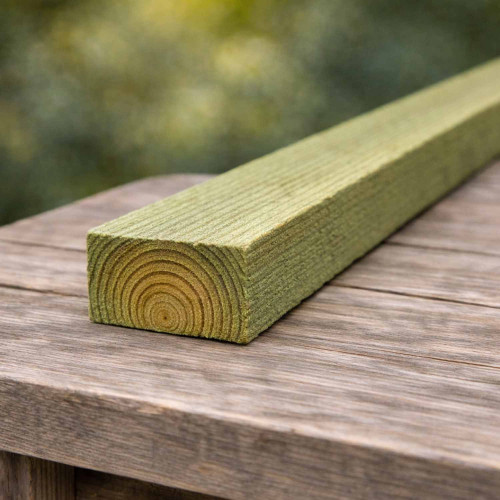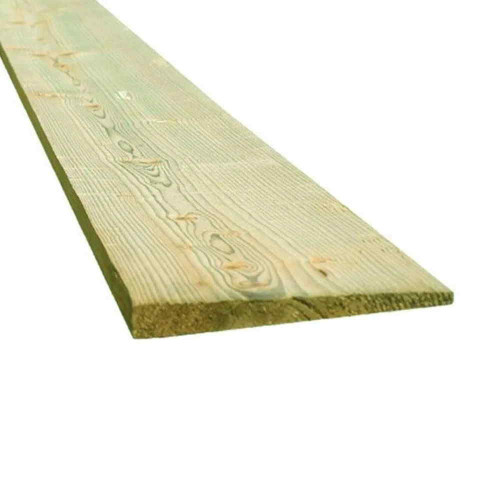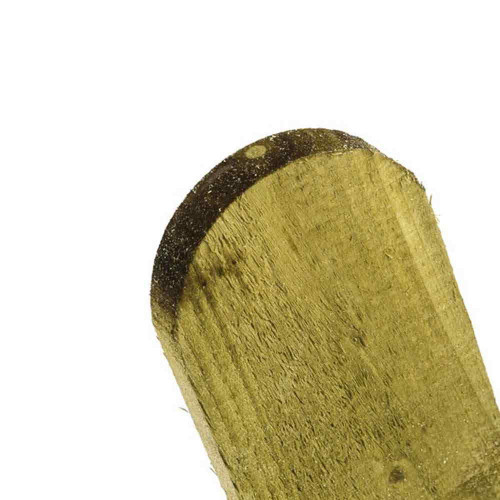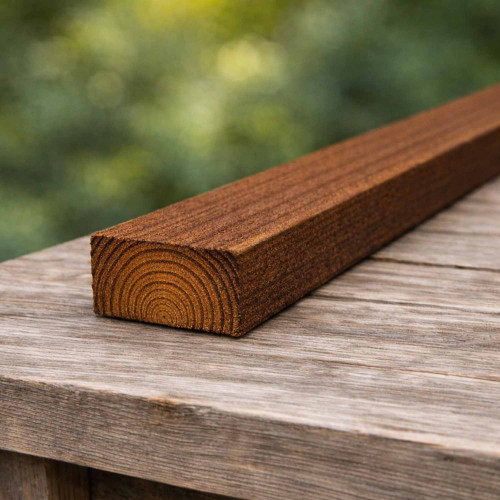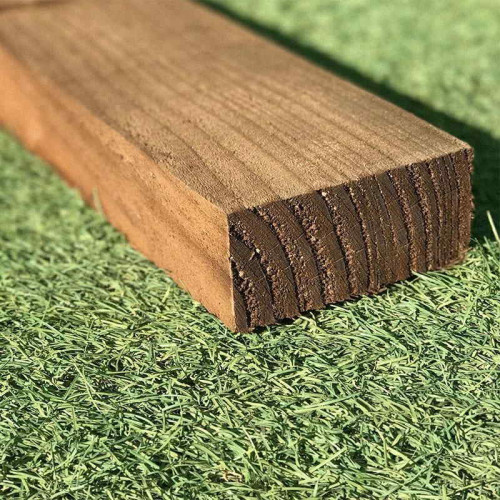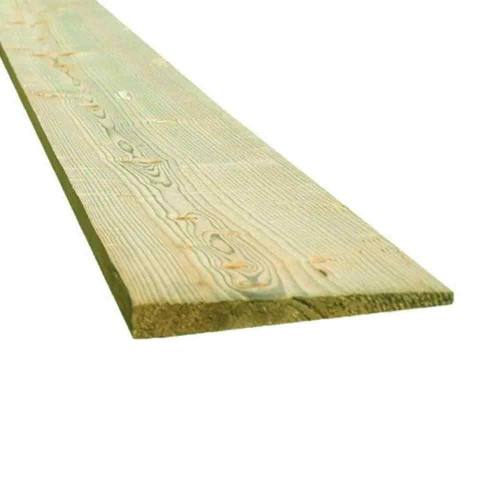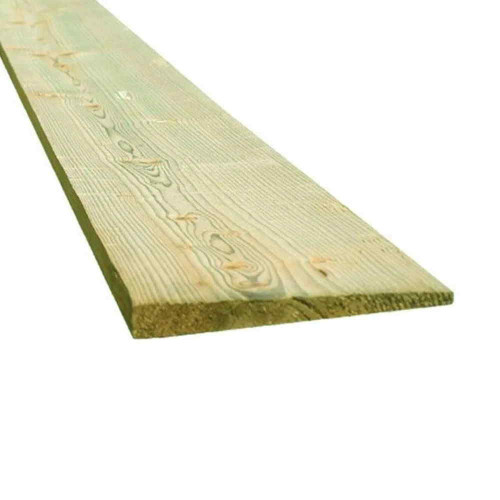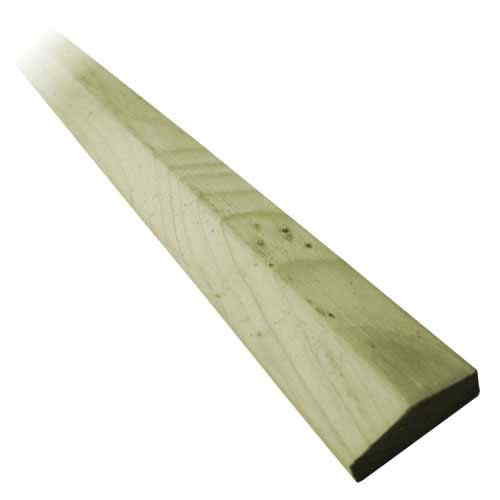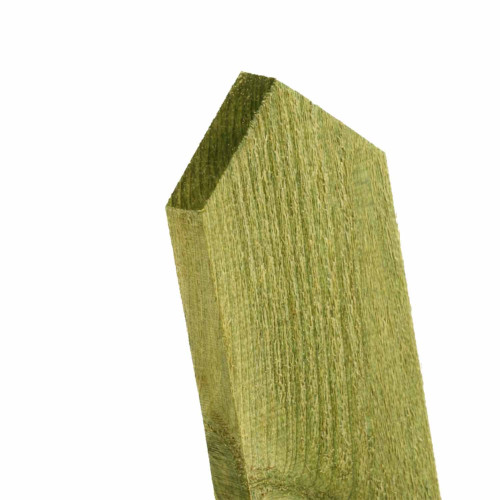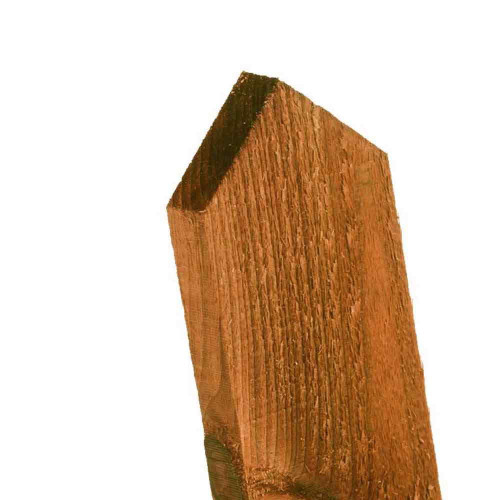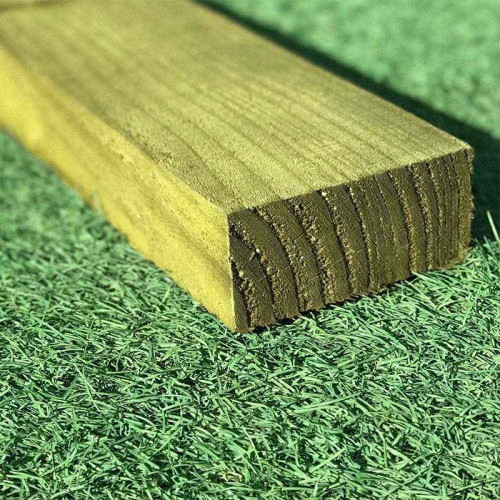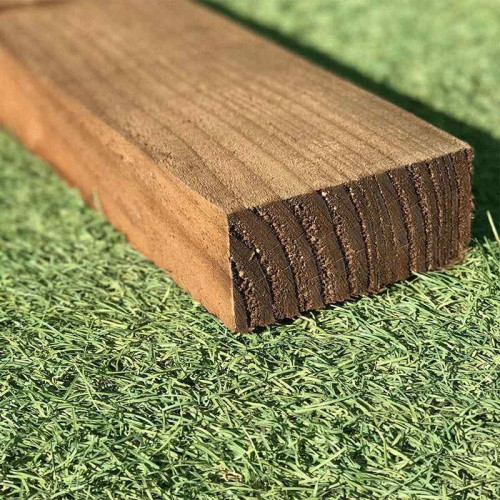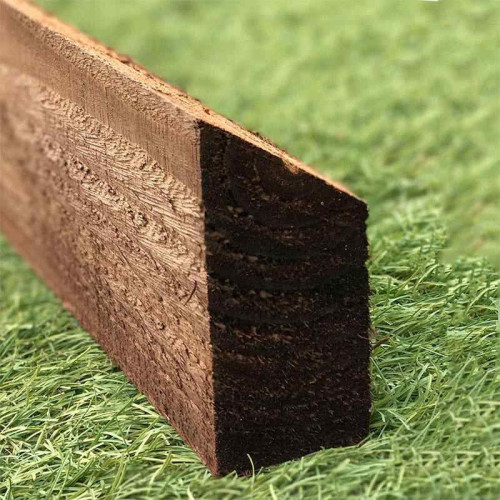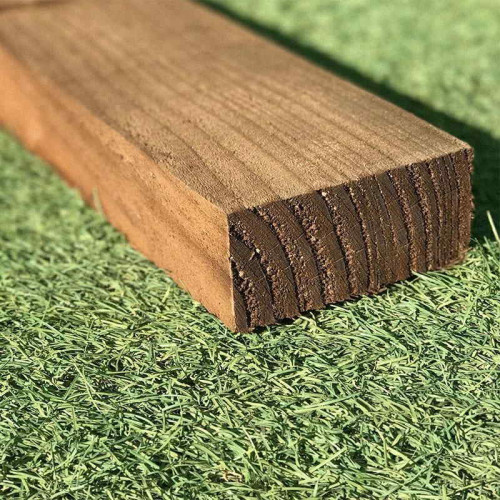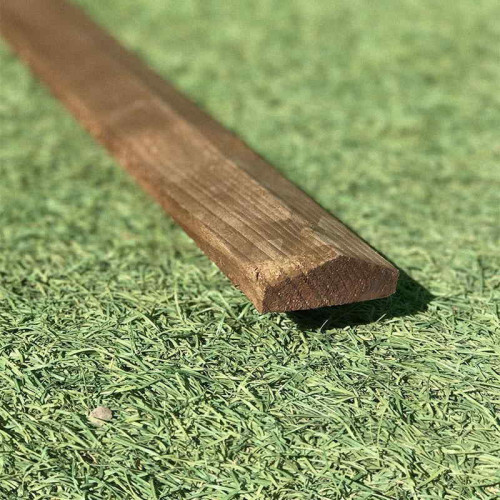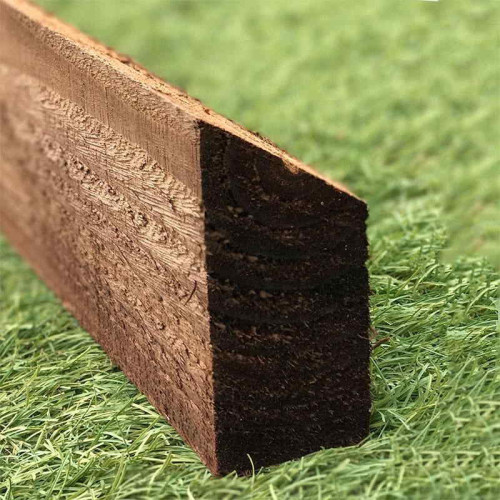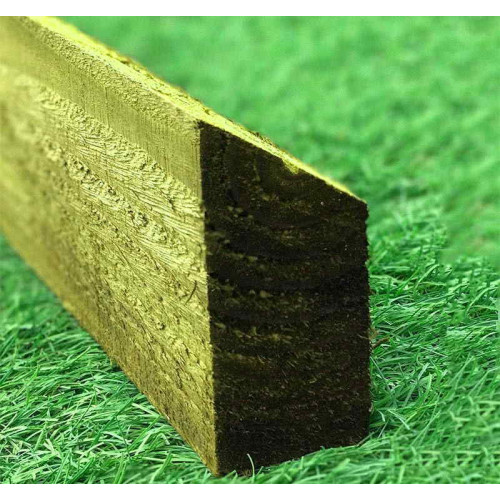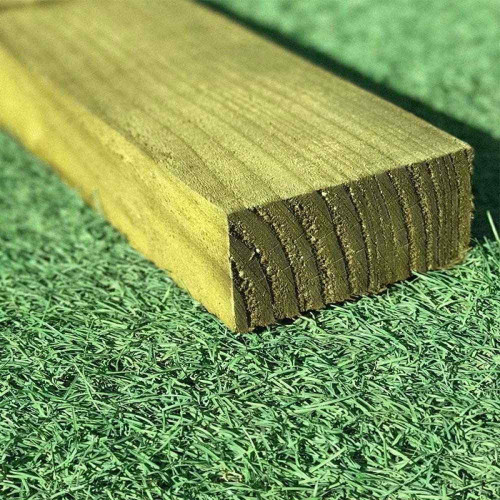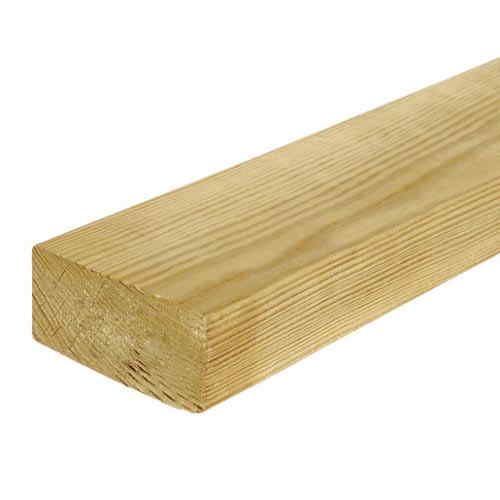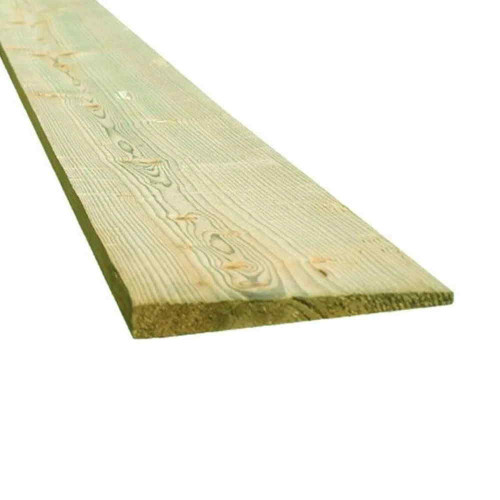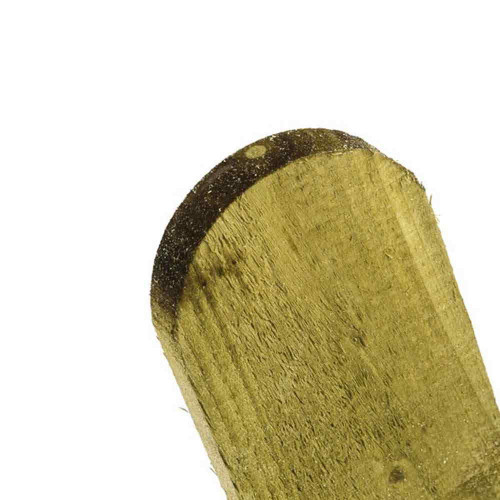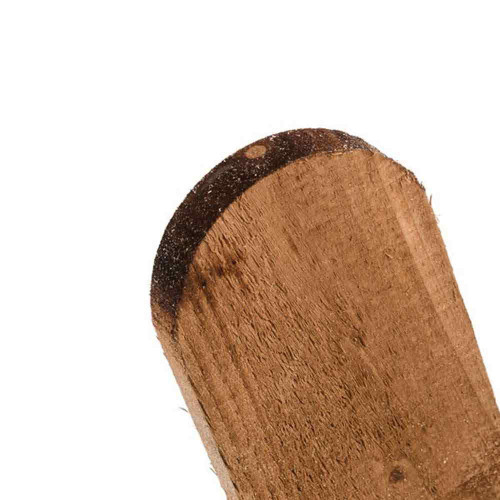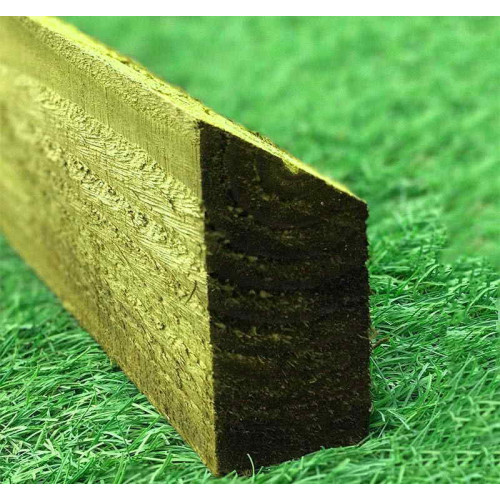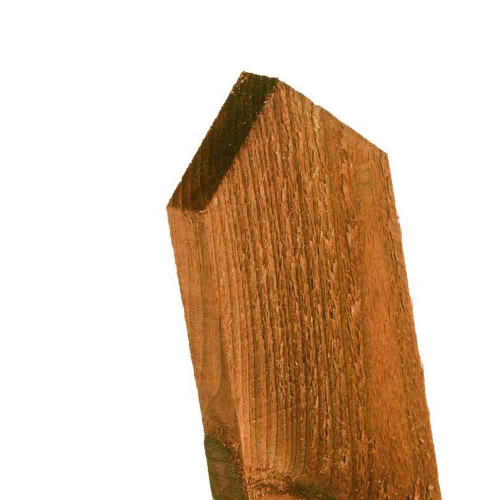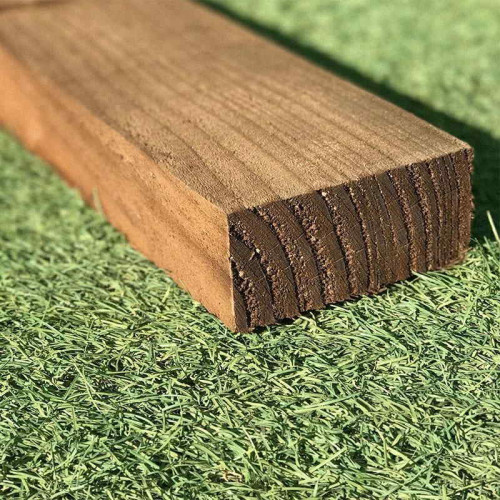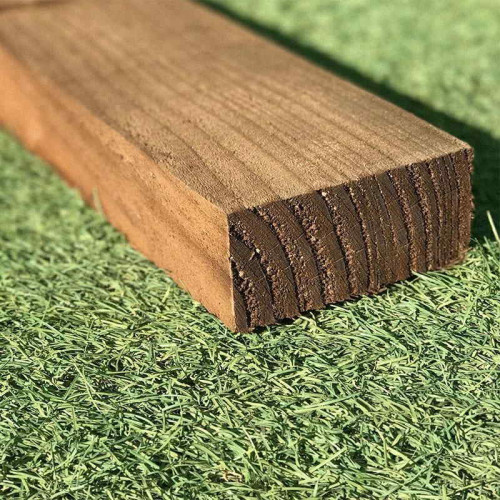



If you have noticed green patches, streaks or speckles on new timber, it can look worrying at first. This is common on freshly pressure-treated wood, including fence posts, gravel boards, sleepers and fence panels.
In most cases, the green colour is nothing to worry about. It is usually caused by the timber treatment itself, not mould or damage. The treatment helps protect the wood for outdoor use, and the colour will normally soften as the timber weathers.
Quick answer: Green marks on new pressure-treated timber are usually caused by copper-based preservatives used during treatment. They are normally harmless and do not weaken the wood. If the green sits on the surface and wipes off, it may be algae. If it looks like it is in the grain, it is usually part of the treatment colour.
Why Is Pressure-Treated Wood Green?
Pressure-treated timber often has a green or olive tint because of the preservatives used to protect it. These treatments are commonly copper-based, and copper can leave a greenish colour in the timber.
The colour can be even across the whole piece, or it may appear in patches, streaks or darker areas around knots. This depends on the grain, moisture content and how the timber absorbed the treatment.
You may see this on wooden fence posts, wooden gravel boards, railway sleepers, timber boards and garden fencing.
Are Green Marks On Treated Timber A Problem?
Most green marks are cosmetic. They do not mean the timber is rotten, unsafe or faulty. They are usually a normal part of the pressure treatment process.
The important thing is to tell the difference between treatment colour and surface growth. Treatment colour is within the wood. Algae or mould usually sits on the surface and may feel slippery or wipe away.
Green Marks At A Glance
| What You See | Likely Cause | Is It A Problem? | What To Do |
|---|---|---|---|
| Pale green or olive colour | Copper-based treatment | No, usually normal | Leave it to weather or stain once dry |
| Green streaks or tide marks | Treatment and drying variation | No, usually cosmetic | Allow to weather evenly |
| Bright green speckles or powder | Surface residue from treatment salts | Usually no | Brush off and let the timber dry |
| Slimy green film | Algae on damp timber | Not usually structural, but can be slippery | Clean gently and improve airflow |
| Green patches around knots | Treatment reacting with resin or grain | No, usually cosmetic | Leave, stain or lightly sand once dry |
| Simple guide: if it wipes off, it is more likely algae. If it is in the grain, it is more likely treatment colour. | |||
What Is Pressure Treatment?
Pressure treatment is a process that forces preservative into the timber. This helps protect the wood against decay and insect attack when it is used outside.
Outdoor timber is exposed to rain, damp ground, shade and changing temperatures, so treatment is important. It is especially useful for fencing, posts, sleepers and other garden timber.
Products such as fence posts, fence panels, timber and railway sleepers are often treated because they need to cope with outdoor conditions.
Why Do Some Pieces Look Greener Than Others?
It is normal for treated timber to vary in colour. Two boards from the same pack can look different, even if they have been treated in the same way.
This can happen because timber is a natural material. Grain density, knots, moisture levels and the way each piece absorbs treatment can all affect the finished colour.
One sleeper may look pale green, while another has darker streaks. One fence board may have a stronger tint around knots. These differences usually settle down as the timber weathers outside.
Is The Green Colour Safe?
For normal garden use, pressure-treated timber is widely used for fencing, sleepers, posts and landscaping. Once the treatment has fixed and the timber is dry, it is suitable for typical outdoor projects when used as intended.
As with any timber, take sensible precautions when cutting or sanding. Wear gloves, avoid breathing in dust and dispose of off-cuts responsibly.
If you are building raised beds and want to keep soil away from the treated face, you can use a suitable liner inside the bed. Make sure drainage is still allowed so moisture is not trapped against the timber.
Green Treatment Vs Brown Treatment
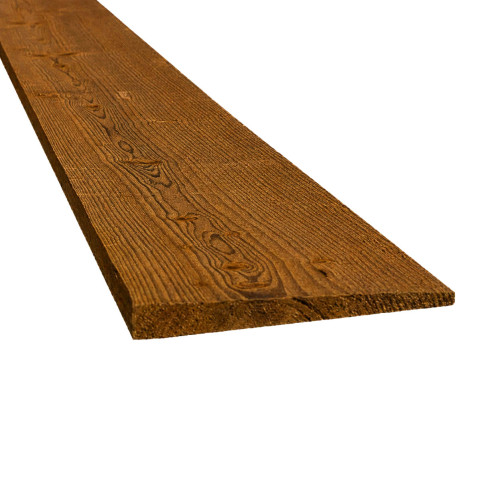
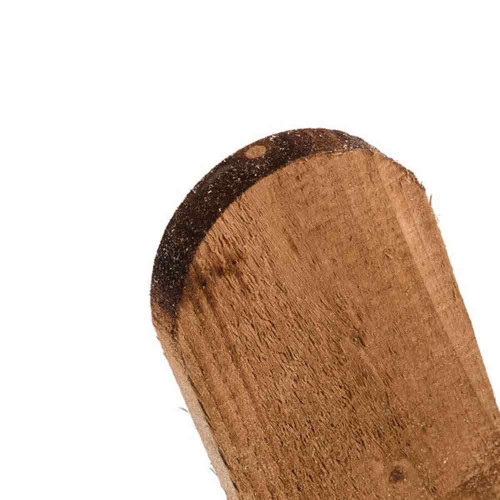
Some treated timber looks green, while some looks brown. This does not always mean the protection is completely different. Brown treated timber is often treated in a similar way, but with a brown colourant added.
The brown colour gives a warmer appearance from the start. Green treated timber usually mellows with exposure to sun and rain. Both can weather over time, and both can usually be stained or painted once dry.
How Long Does The Green Colour Last?
The green tint normally fades gradually once the timber is outside. Sunlight and rain help soften the colour. Over time, the timber may turn a warmer honey tone before eventually weathering to a silvery grey if left untreated.
The speed depends on the season, shade, airflow and how exposed the timber is. A south-facing fence may change colour faster than a shaded side return.
Is It Algae Or Treatment Colour?
Algae is more likely to appear on damp, shaded timber after the fence or sleeper has been outside for a while. It usually forms a film on the surface and can feel slippery when wet.
Treatment colour usually appears from new and looks like it is part of the timber itself. It may follow the grain or sit around knots and end grain.
| Check | Treatment Colour | Algae |
|---|---|---|
| When it appears | Usually from new | Usually after damp weather |
| Where it sits | In the grain | On the surface |
| Texture | Normal timber feel | May feel slimy or slippery |
| Wipe test | Does not usually wipe off | May leave green marks on a cloth |
| What to do | Leave to weather or stain once dry | Clean gently and improve drainage |
How To Remove Green Surface Residue
If the green marks are simply the treatment colour in the timber, there is no need to remove them. They will normally weather down over time.
If there is green powder or light residue on the surface, brush it off with a stiff hand brush. You can rinse the timber with clean water if needed, then let it dry fully before applying any stain or paint.
Avoid aggressive sanding on new treated timber. Light sanding is fine if you want a smoother finish, but heavy sanding can remove more of the treated surface than necessary.
How To Clean Algae From Treated Timber
If the green is algae, clean it gently. Brush off loose dirt first, then use a suitable outdoor cleaner or timber-safe algae remover. Follow the product instructions and rinse well where required.
Do not use harsh pressure washing on soft timber. Too much pressure can raise the grain, damage the surface and force water into the wood.
To reduce algae coming back, improve airflow, cut back heavy planting and keep soil or wet debris away from the timber.
Preventing Damp Around Treated Timber
Even treated timber lasts longer when it can dry properly. Try to avoid trapping moisture against the wood.
For fencing, gravel boards help lift panels away from ground moisture and splashback. concrete gravel boards are a good choice where the base of the fence is exposed to regular damp.
For sleepers and garden edging, make sure water can drain away. Avoid packing wet soil or mulch tightly against exposed timber faces for long periods.
Can You Paint Or Stain Green Pressure-Treated Wood?
Yes, but do not rush it. Fresh pressure-treated timber can contain moisture, and paint or stain may not bond properly if applied too soon.
Let the timber dry first. The waiting time depends on weather, storage and the product used. In warmer dry weather, it may dry more quickly. In cold or damp conditions, it can take longer.
A simple test is to sprinkle a little water on the timber. If it beads on the surface, wait longer. If it soaks in and darkens the wood evenly, the surface is usually more ready for a compatible exterior stain or paint.
Preparing Treated Timber For Paint Or Stain
- Brush it clean: Remove dust, dirt and any loose surface residue.
- Let it dry: Choose a dry spell and avoid painting damp timber.
- Lightly sand rough areas: Smooth splinters or glossy patches if needed.
- Treat cut ends: Any cut timber ends should be protected before installation where possible.
- Use suitable products: Choose an exterior coating that is compatible with pressure-treated timber.
Black Marks Are Different
Black or blue-black marks on timber are not usually caused by the green treatment. They can happen when metal reacts with natural tannins in the wood, especially if ordinary steel has been left wet against the timber.
To reduce this risk, use suitable outdoor screws, fixings and fasteners and appropriate ironmongery. Galvanised or stainless fixings are usually a better choice outdoors than untreated indoor fixings.
Green Marks On Different Products
Fence Posts
Wooden fence posts may show strong green or darker marks because they are treated for outdoor use. The base and end grain can sometimes look darker because these areas absorb treatment differently.
Where long-term durability is the main concern, especially in damp or exposed areas, concrete fence posts can be a useful alternative.
Fence Panels
New fence panels may show colour variation between boards. This is normal with treated timber and usually becomes less obvious as the panel weathers.
Adding panel capping can help protect the top edge of timber panels and give the fence a cleaner finish.
Sleepers
Railway sleepers can show green patches around knots, grain changes and end grain. These marks are usually cosmetic.
If sleepers are being used for raised beds or edging, plan drainage carefully. Standing water and trapped wet soil will cause more long-term issues than treatment colour.
Gravel Boards
Wooden gravel boards may show treatment colour from new, but they can also develop algae later because they sit close to splashback zones.
If you want a lower-maintenance base, concrete gravel boards are a practical option.
Best Practice For Installing Treated Timber
- Store it properly: Keep timber off the ground before installation and allow airflow around it.
- Avoid standing water: Set timber so water can drain away rather than pool around it.
- Protect cut ends: Treat cut faces where possible before fitting.
- Use suitable fixings: Outdoor screws and fixings help reduce rust staining.
- Keep panels off the ground: Use gravel boards to reduce direct contact with soil and splashback.
- Finish exposed tops: Use panel capping to help shed water.
Troubleshooting Green Or Dark Marks
| Issue | Likely Cause | What To Do | Prevention |
|---|---|---|---|
| Patchy green panels | Natural treatment variation | Allow to weather or stain later | Mix panels from packs for a more even run |
| Green powdery residue | Surface treatment residue | Brush off and let the timber dry | Wait before painting or staining |
| Slimy green surface | Algae | Clean with suitable outdoor cleaner | Improve airflow and reduce splashback |
| Black marks near screws | Metal reaction or rust staining | Clean, dry and use stain-blocking primer if painting | Use suitable outdoor fixings |
| Paint not sticking | Timber too damp or surface not prepared | Let dry, clean, lightly sand and recoat | Do a water test before painting |
Seasonal Maintenance For Treated Timber
| Season | What To Check | What To Do |
|---|---|---|
| Spring | Algae, dirt and loose fixings | Clean gently and tighten fixings where needed |
| Summer | Faded or dry-looking timber | Apply stain or paint if the timber is dry and ready |
| Autumn | Leaves and debris around the base | Clear debris so timber can dry properly |
| Winter | Standing water and damp base areas | Check drainage and inspect posts or lower boards |
FAQs
Will the green colour wash off?
The main green tint usually will not wash off because it is part of the treated timber. Light surface residue may brush away.
Can I sand green marks away?
Light sanding can reduce the surface appearance, but it is usually better to let the timber weather naturally or stain it once dry.
Does green treatment mean the timber is wet?
Not necessarily. The green colour is usually from the preservative. However, fresh treated timber may still contain moisture, so it should be allowed to dry before painting or staining.
Is green treated timber suitable for raised beds?
Treated timber is commonly used for raised beds and garden landscaping. If preferred, use a suitable liner inside the bed and make sure water can drain away.
Will a darker stain hide the green?
Yes, a compatible exterior stain can help even out the colour once the timber is dry enough to coat.
Final Thoughts
Green marks on pressure-treated wood are usually normal. They are generally caused by the treatment process and do not mean the timber is rotten, damaged or unsuitable for use.
If the green colour is in the grain, leave it to weather or stain the timber once it has dried. If it is a slimy surface film, clean it as algae and improve airflow around the area. Good installation, proper fixings and protection from constant damp will do far more for the lifespan of your timber than worrying about early colour variation.