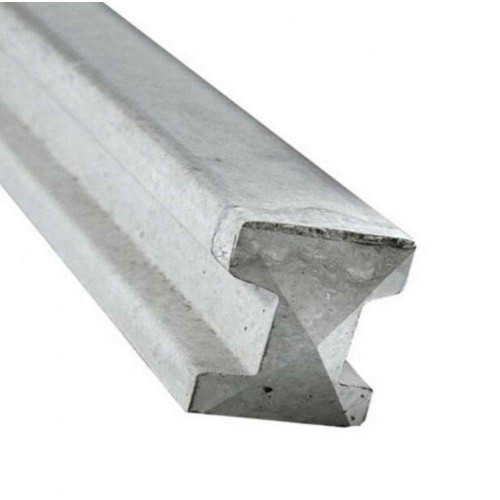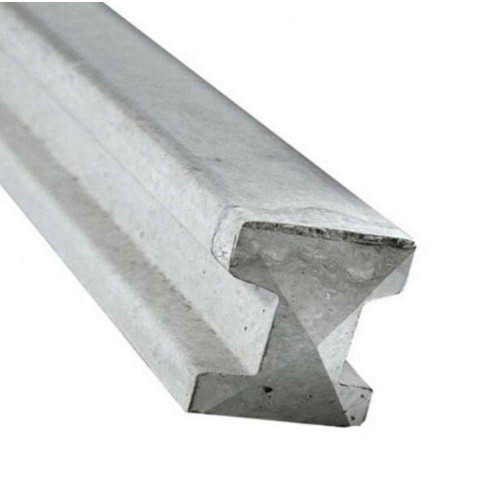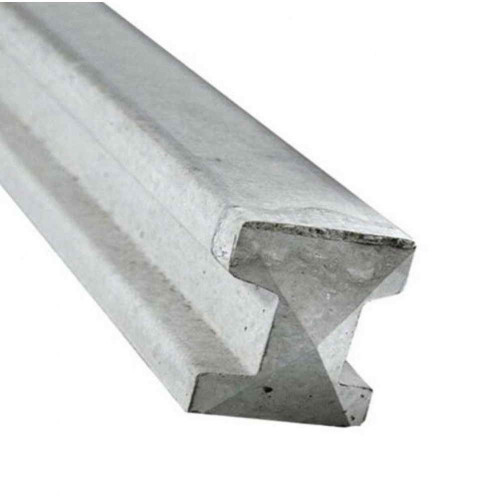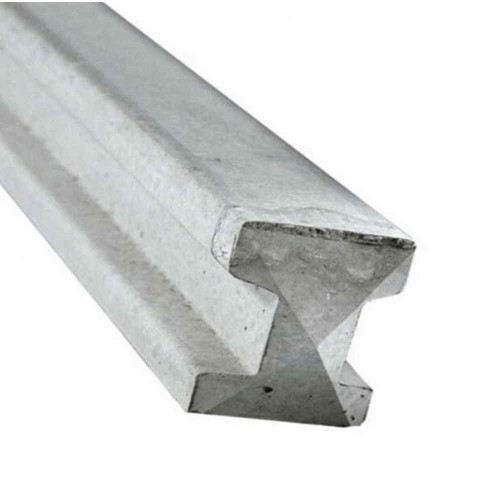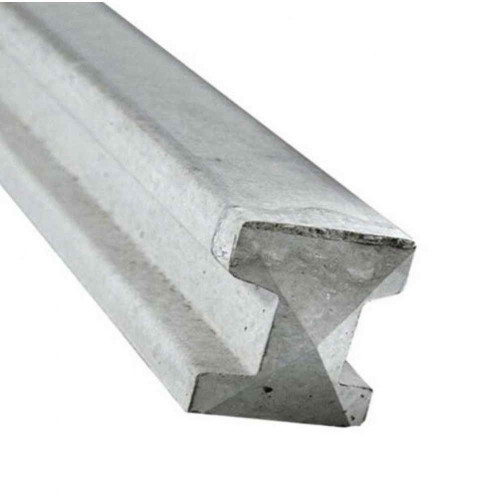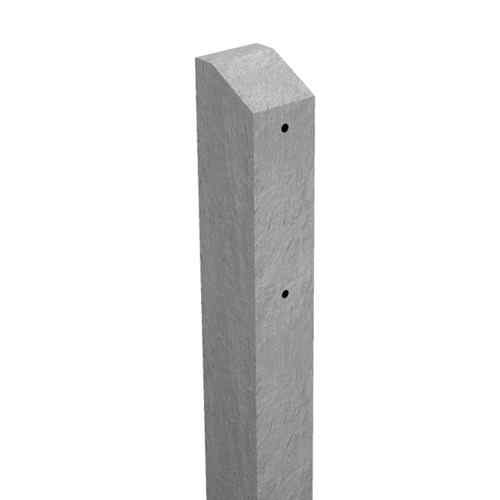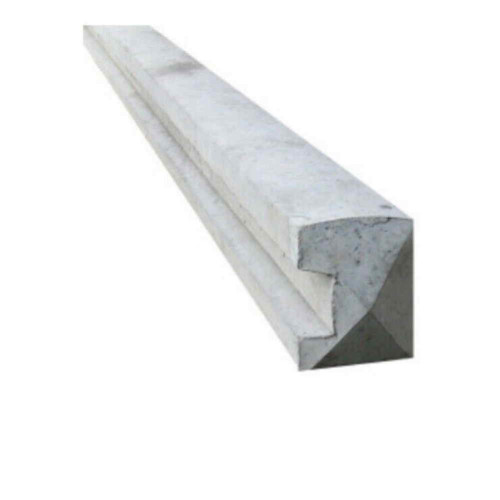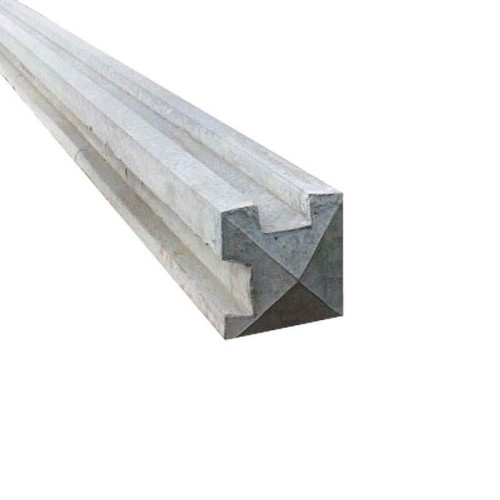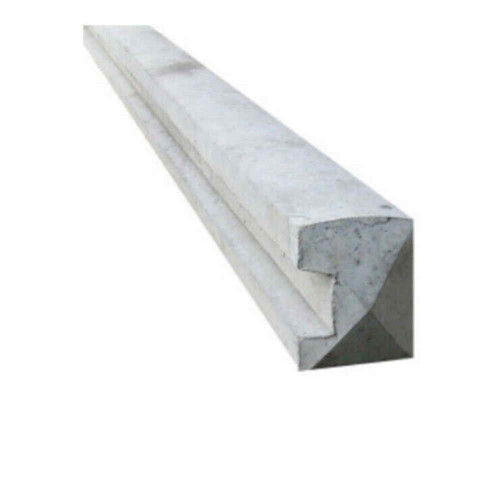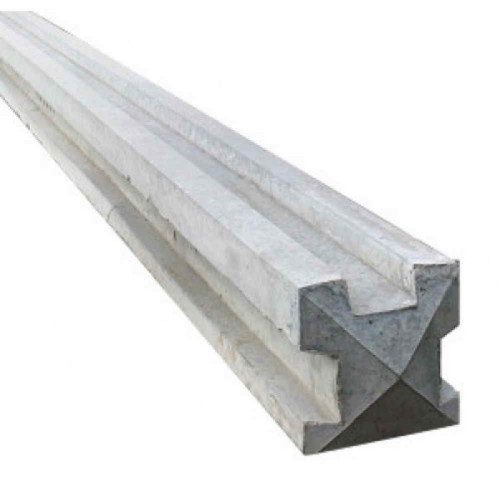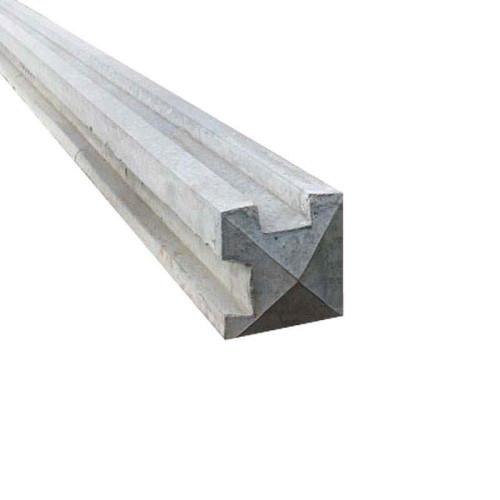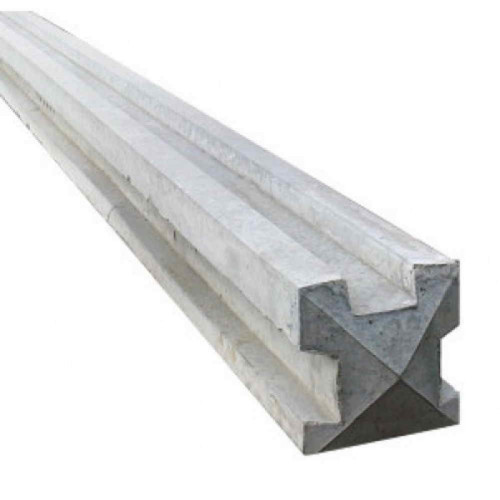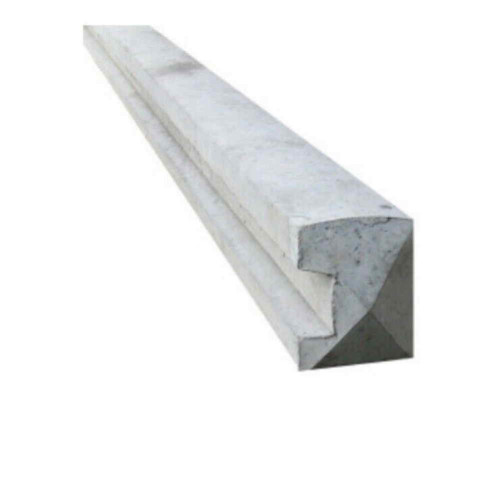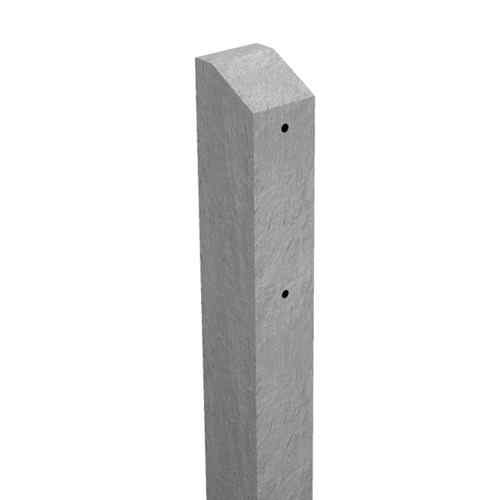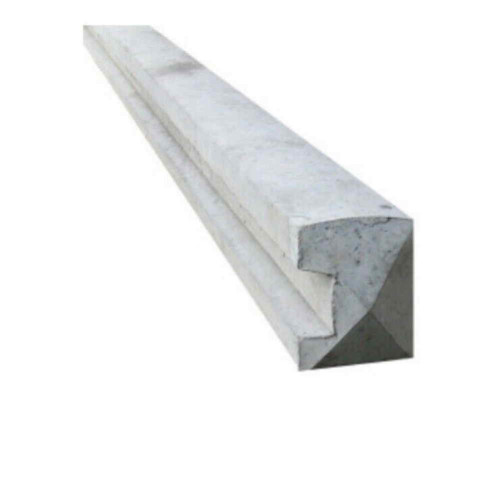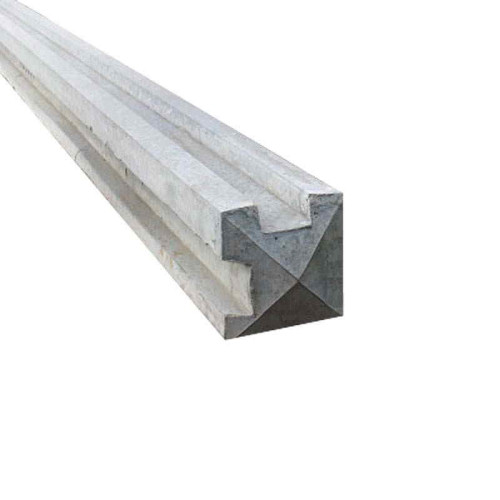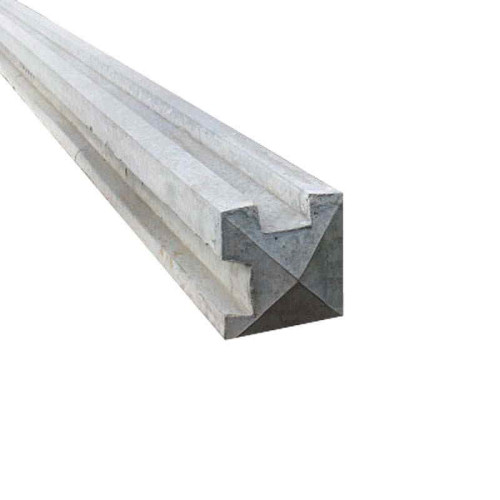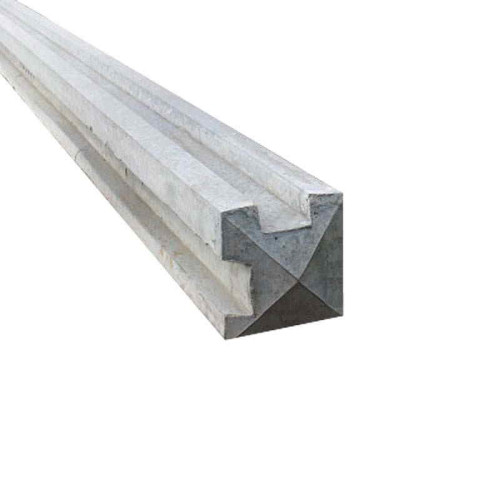



Concrete fence posts are strong, durable and a good choice for long-lasting fencing. They do not rot like timber posts, and they are often used with slot-in fence panels and gravel boards.
Sometimes, though, you may want to fix something directly to the post. That could be a bracket, light fitting, trellis support or small garden accessory. The good news is that you can drill into a concrete fence post, but you need the right tools and a careful approach.
Quick answer: Yes, you can drill into concrete fence posts, but use a masonry bit, a hammer drill or SDS drill, and suitable outdoor fixings. Avoid drilling too close to the edge, do not force the drill, and stop if you hit steel reinforcement inside the post.
Can You Drill Into A Concrete Fence Post?
Yes, concrete fence posts can be drilled, but they are much harder than timber posts. Standard wood bits or ordinary screws will not do the job properly.
For small fixings, a hammer drill and masonry bit may be enough. For repeated drilling or harder posts, an SDS drill is usually easier. You will also need suitable wall plugs, concrete screws or masonry anchors, depending on what you are fixing.
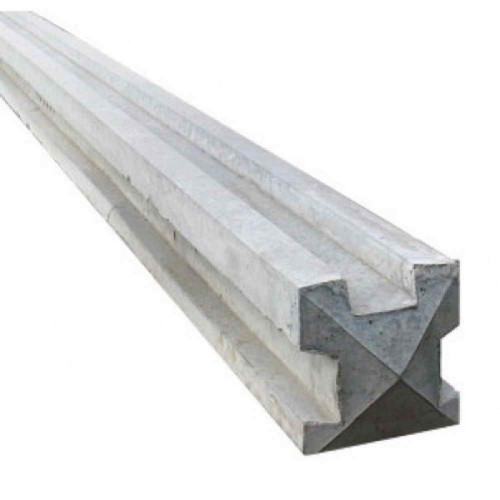
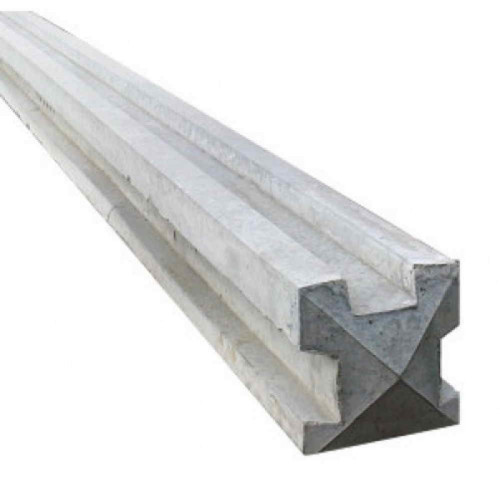
Before drilling, check whether there is an easier option. Many concrete fence posts are slotted, so panels, trellis and gravel boards can often be fitted without drilling into the post at all.
Why Would You Drill Into A Concrete Fence Post?
Most fence installations do not need drilling because the post slots hold the panels in place. However, there are a few situations where drilling may be useful.
- Fixing small brackets or plates
- Attaching light garden accessories
- Securing a timber batten to the post
- Adding support for light trellis or screening
- Mounting outdoor lights or similar low-weight items
For heavier loads, drilling into a concrete fence post may not be the best answer. Heavy garden gates, large screens and anything that catches a lot of wind should usually have their own proper support.
Tools And Fixings You May Need
| Tool Or Fixing | Used For | Practical Note |
|---|---|---|
| Hammer drill | Drilling small holes in concrete | Suitable for occasional DIY jobs |
| SDS drill | Drilling harder concrete or repeated holes | Usually quicker and easier than a standard drill |
| Masonry drill bits | Cutting into concrete | Use the right size for the plug or screw |
| Wall plugs | Holding screws in drilled holes | Choose plugs suitable for masonry |
| Concrete screws or bolts | Direct fixing into concrete | Use for stronger light to medium fixings |
| Galvanised or stainless brackets | Holding rails, battens or accessories | Better suited to outdoor use |
For outdoor work, use suitable screws, fixings and fasteners or appropriate ironmongery. Indoor fixings can rust quickly outside and may stain the post or timber.
How To Drill Into A Concrete Fence Post
- Mark the fixing point: Measure carefully and mark the hole position with pencil or tape.
- Avoid the edges: Keep the hole well away from the side of the post to reduce the risk of cracking.
- Start with a smaller bit: A pilot hole can help guide the larger bit and reduce stress on the post.
- Use the right drill setting: Use hammer action for masonry, but let the drill do the work.
- Drill steadily: Do not force the drill, as this can chip or crack the concrete.
- Stop if you hit metal: Many concrete posts contain steel reinforcement. If you hit it, move the hole rather than drilling through it.
- Clear the dust: Remove dust from the hole so the plug or screw grips properly.
- Fit the fixing: Insert the wall plug, concrete screw or anchor, then attach the bracket or accessory.
Things To Watch Out For
Concrete is strong, but it can crack if drilled badly. The biggest risks are drilling too close to the edge, using the wrong bit, forcing the drill or making several holes too close together.
Steel reinforcement is another issue. Many concrete posts include metal bars inside for strength. If your drill suddenly hits hard metal, stop and reposition the hole. Drilling through reinforcement can damage the bit and may weaken the post.
If the post is already cracked, leaning or damaged, avoid drilling into it. A weakened post may need replacing rather than loading with extra fixings.
When You Should Avoid Drilling
Drilling is not always the best choice. In many cases, there is a safer or neater option.
| Job | Should You Drill? | Better Option |
|---|---|---|
| Fitting standard fence panels | Usually no | Use the post slots |
| Adding gravel boards | Usually no | Use slotted posts and compatible boards |
| Hanging heavy gates | Usually not recommended | Use dedicated gate posts |
| Attaching light accessories | Often yes | Use masonry fixings and drill carefully |
| Adding a long screen or heavy trellis | Not always | Use separate posts or a freestanding frame |
Can You Fix A Gate To A Concrete Fence Post?
It depends on the gate, the post and the weight involved. A small, lightweight gate may be possible in some cases, but a heavy gate puts twisting force on the post every time it opens and closes.
For most garden gates, it is better to use proper gate posts. They are designed to support the weight and movement of the gate more effectively.
If you are planning a new gate, choose the garden gate, gate posts and garden gate furniture together so the whole setup works properly.
Can You Attach Trellis To Concrete Fence Posts?
In many cases, you do not need to drill. If the post has slots and the trellis is sized correctly, trellis panels or fence topper trellis may be able to sit in the same system as the fence panels.
If you want to attach a small bracket or timber batten to support trellis, drilling may be suitable. Keep the fixing light, avoid the edges and use proper masonry fixings.
For heavier or taller screening, separate support posts may be more sensible, especially in windy gardens.
Alternatives To Drilling Into Concrete Posts
Before drilling, consider whether one of these options would work better.
- Use the post slots: Slotted posts are made to hold panels, trellis and gravel boards without extra fixings.
- Fit a timber batten: Fixing a timber batten can give you a surface to screw lighter accessories into.
- Use freestanding supports: For lights, planters or screening, a freestanding post or frame may be easier.
- Install proper gate posts: Use dedicated posts for gates rather than relying on a fence post.
- Build a separate screen: Use your own posts and panels if the fixing needs to carry weight or resist wind.
Best Fixings For Outdoor Use
Outdoor fixings need to cope with rain, frost and changing temperatures. Galvanised or stainless steel fixings are usually better than standard indoor screws.
If you are attaching metal brackets, use suitable masonry plugs or concrete screws. Make sure the fixing is sized for the weight of the item, and do not overload the post.
For fences, gates and outdoor timber work, using the right screws, fixings and fasteners helps prevent rust, movement and staining.
Safety Tips Before You Start
- Wear eye protection, as concrete dust and chips can fly when drilling.
- Wear gloves and a dust mask if needed.
- Check the post is stable before drilling.
- Do not drill into cracked or badly damaged posts.
- Keep holes away from edges and corners.
- Do not drill through steel reinforcement.
- Use the correct drill bit and fixing size.
FAQs
Will Drilling Weaken A Concrete Fence Post?
A small hole drilled carefully away from the edge will not usually cause a problem. Several holes close together, holes near the edge or drilling into reinforcement can weaken or damage the post.
What Drill Bit Do I Need?
Use a masonry drill bit. For harder concrete or repeated holes, an SDS masonry bit with an SDS drill will usually make the job easier.
Can I Use Normal Screws In A Concrete Post?
No. Normal screws will not grip properly in concrete. Use masonry wall plugs with suitable screws, or use concrete screws designed for direct fixing.
Can I Drill Into A Slotted Concrete Fence Post?
Yes, but take care. Avoid drilling into the thin edges around the slot, and do not drill where the post is already under stress. If the slot can hold the panel or trellis without drilling, use that instead.
Can I Use A Battery Drill?
A battery drill may work if it has a hammer function and you are only drilling a small hole, but concrete posts can be tough. An SDS drill is usually better for harder posts or repeated drilling.
Final Thoughts
You can drill into concrete fence posts, but it needs the right tools, suitable fixings and a careful method. Keep holes away from edges, avoid reinforcement and do not overload the post with heavy gates or large screens.
Where possible, use the post slots for panels, trellis and gravel boards. For gates, use proper gate posts. For light accessories and small brackets, careful drilling with masonry fixings can work well.